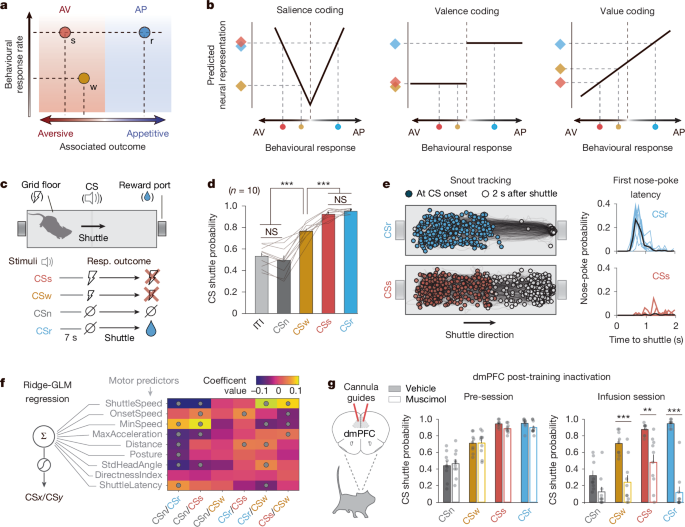
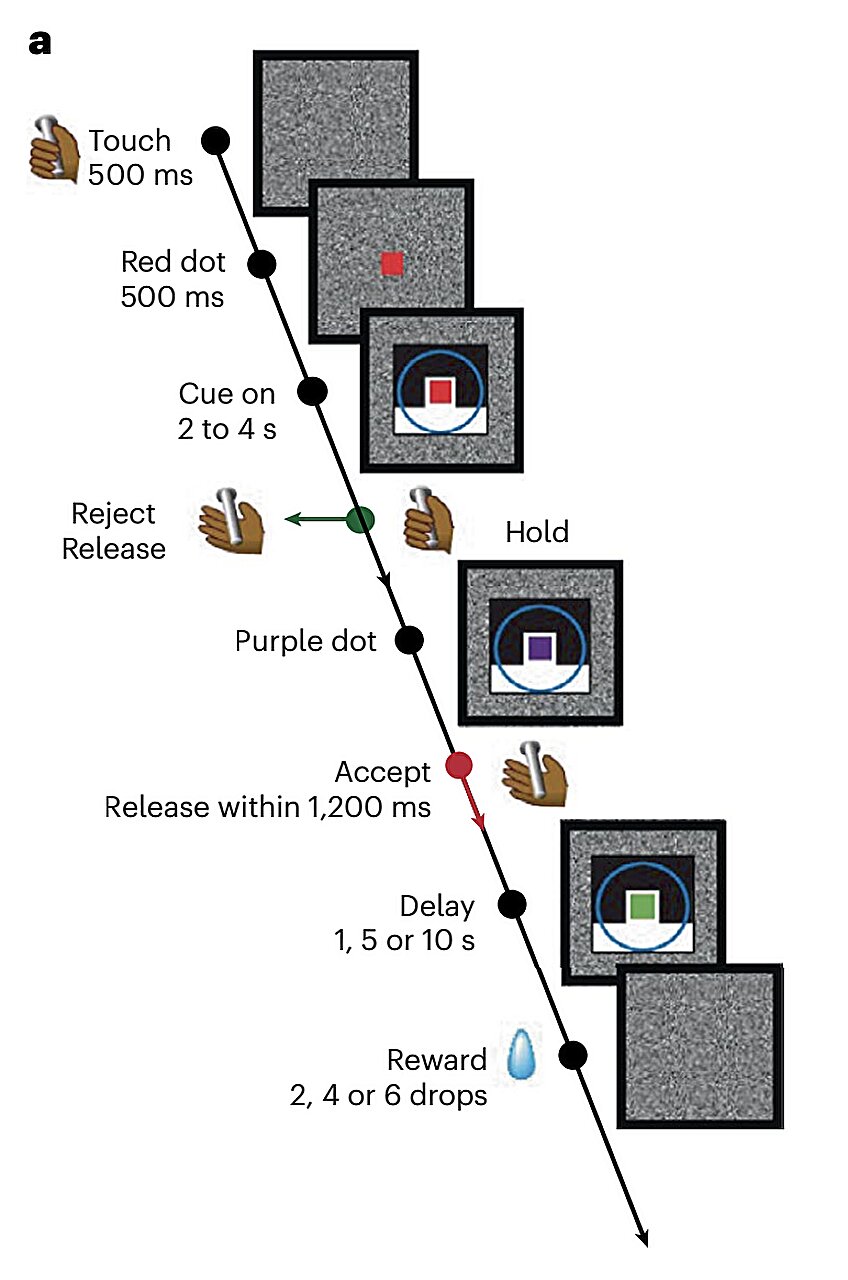
This study investigates how the neural geometry of learned cues in the prefrontal cortex guides motivated behaviors, utilizing datasets available on GitHub and analyzing neural activity related to cue processing and decision-making in animals.
MIT researchers discovered that the prefrontal cortex in mice sends targeted signals to visual and motor regions, influencing how visual information is processed based on arousal and movement, revealing a sophisticated feedback system that dynamically rewires vision.
Neuroscientists discovered that rotating neural waves in the prefrontal cortex help the brain recover focus after distraction, with full rotations correlating with correct task performance and incomplete ones predicting errors, suggesting the brain uses energy-efficient traveling waves for concentration restoration.
Research reveals that a specific brain circuit in mice, influenced by hormones like oxytocin and ovarian hormones, governs sex-specific mating behaviors, promoting receptivity in females during estrus and reducing interest in males, with the same neurons having opposite effects in males, highlighting how hormonal states and sex shape social and sexual behaviors.
The article explores four psychological markers—cognitive rigidity, emotional volatility, amygdala size, and prefrontal cortex structure—that correlate with ideological extremism, suggesting that understanding and addressing these factors could help mitigate extremism.
Researchers have identified a mechanism in the prefrontal cortex involving corticotropin-releasing factor (CRF) neurons that modulate empathetic responses based on past emotional experiences. This discovery, highlighting how animals respond to others' emotions when they mirror their own past experiences, offers insights into empathy's evolutionary conservation and potential therapeutic targets for conditions like PTSD, autism, and schizophrenia.
Research from the University of Pennsylvania reveals how different regions of the prefrontal cortex influence decisions to persist or quit in uncertain situations. Damage to the ventromedial prefrontal cortex reduces persistence, while other areas affect learning from feedback. These findings have implications for understanding conditions like anxiety and addiction, where reward processing is altered. The study highlights the brain's complex calculations in evaluating rewards and persistence, with future research focusing on neurotransmitter roles in these processes.
Researchers at UC Davis have identified distinct neural circuits responsible for the anti-anxiety effects of psychedelics, separate from those causing hallucinations. Using the psychedelic DOI in mice, they found that anxiety reduction persists after hallucinatory effects fade. By mapping and reactivating specific neurons in the prefrontal cortex, they demonstrated potential for developing psychedelics-based treatments that alleviate anxiety without inducing hallucinations. This study highlights the complexity of psychedelic effects, involving both direct and downstream neural networks.
Scientists have discovered a new neural pathway connecting the prefrontal cortex and the amygdala that regulates the brain's transition to high-intensity fear responses, crucial for survival. Dysregulation of this pathway can lead to psychiatric illnesses like PTSD and anxiety disorders. The study utilized advanced techniques in mice to uncover and manipulate this pathway, offering potential for therapeutic interventions and a better understanding of fear response mechanisms.
A study published in Nature Communications reveals the direct impact of serotonin on the development of the prefrontal cortex, shedding light on how antidepressant use during pregnancy, specifically fluoxetine, can affect a child's brain development and increase the risk of mental health disorders later in life. The research, conducted at the University of Colorado Anschutz Medical Campus, demonstrates that serotonin directly influences synaptic connections in the prefrontal cortex, with implications for mental health disorders when disrupted during early development. The findings emphasize the need for individualized care for pregnant women and highlight the potential for new therapeutics for neurodevelopmental disorders involving serotonin dysregulation.
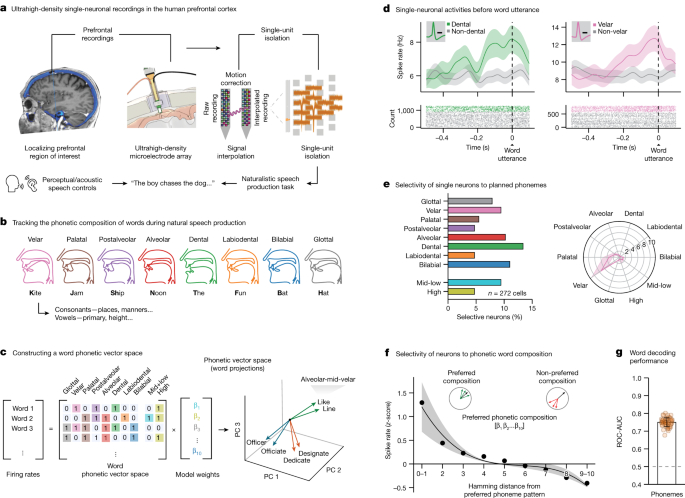
Researchers used ultrahigh-density microelectrode arrays to obtain single-neuronal recordings from the prefrontal cortex of participants during natural speech production. They found that the firing activities of many neurons were explained by the constituent phonemes of the word before utterance, and some neurons were selectively tuned to the planned production of specific phonemes. These neurons reliably predicted the phonetic composition of upcoming words before utterance and were largely distinct from those involved in perception. Additionally, subsets of neurons encoded information about the arrangement and segmentation of phonemes into distinct syllables, providing insights into the basic cellular elements of speech production in humans.
A study conducted by Northwestern University has found that temporary sleep deprivation, such as pulling an all-nighter, can have antidepressant effects and rewire the brain. The study, conducted on mice, showed that even one night of sleep deprivation led to hyperactive, hypersexual, and aggressive behaviors, as well as increased activity in dopamine neurons. The researchers identified the prefrontal cortex as the region responsible for the antidepressant effects of sleep deprivation. However, the benefits are short-lived, and chronic sleep deprivation can have detrimental long-term effects on cognitive health and mental well-being.
A study conducted on rhesus monkeys by researchers at the National Institute of Mental Health reveals that attractor dynamics in the prefrontal cortex can predict the consistency of choices made by monkeys, which reflects their confidence in their decisions. The study suggests that the energy landscape around attractor basins in population neural activity in the prefrontal cortex reflects choice consistency. The findings highlight the potential of examining simultaneously recorded neurons to gain insights into decision-making processes and how confidence in decisions is reflected by attractor network dynamics in the brain.
Researchers at Imperial College London have discovered the brain wiring in mice that instinctively prepares them for sleep by engaging in nesting behavior. This behavior is controlled by dedicated brain cells in the prefrontal cortex, which connect to the hypothalamus and trigger nesting and sleep. The study suggests that this sleep preparation process is likely a survival feature shared among mammals, emphasizing the importance of proper sleep routines, or "sleep hygiene," in humans. The findings may provide insights into why sleep is essential for survival.
Mild exercise, such as walking or yoga, has been found to significantly improve cognitive function in older adults, particularly by enhancing the efficiency of the prefrontal cortex. This discovery opens the door for accessible exercise programs for seniors with low fitness motivation. The study showed that even short bouts of light exercise over three months can invigorate the brain and result in short-term boosts in cognitive capabilities. The findings highlight the positive impact of stress-free mild exercise in strengthening the prefrontal cortex and enhancing cognitive function among older adults.