Tag

Brain Circuit

All articles tagged with #brain circuit

science4 days ago

Scientists Discover Brain 'Brake' That Hinders Motivation and Task Initiation

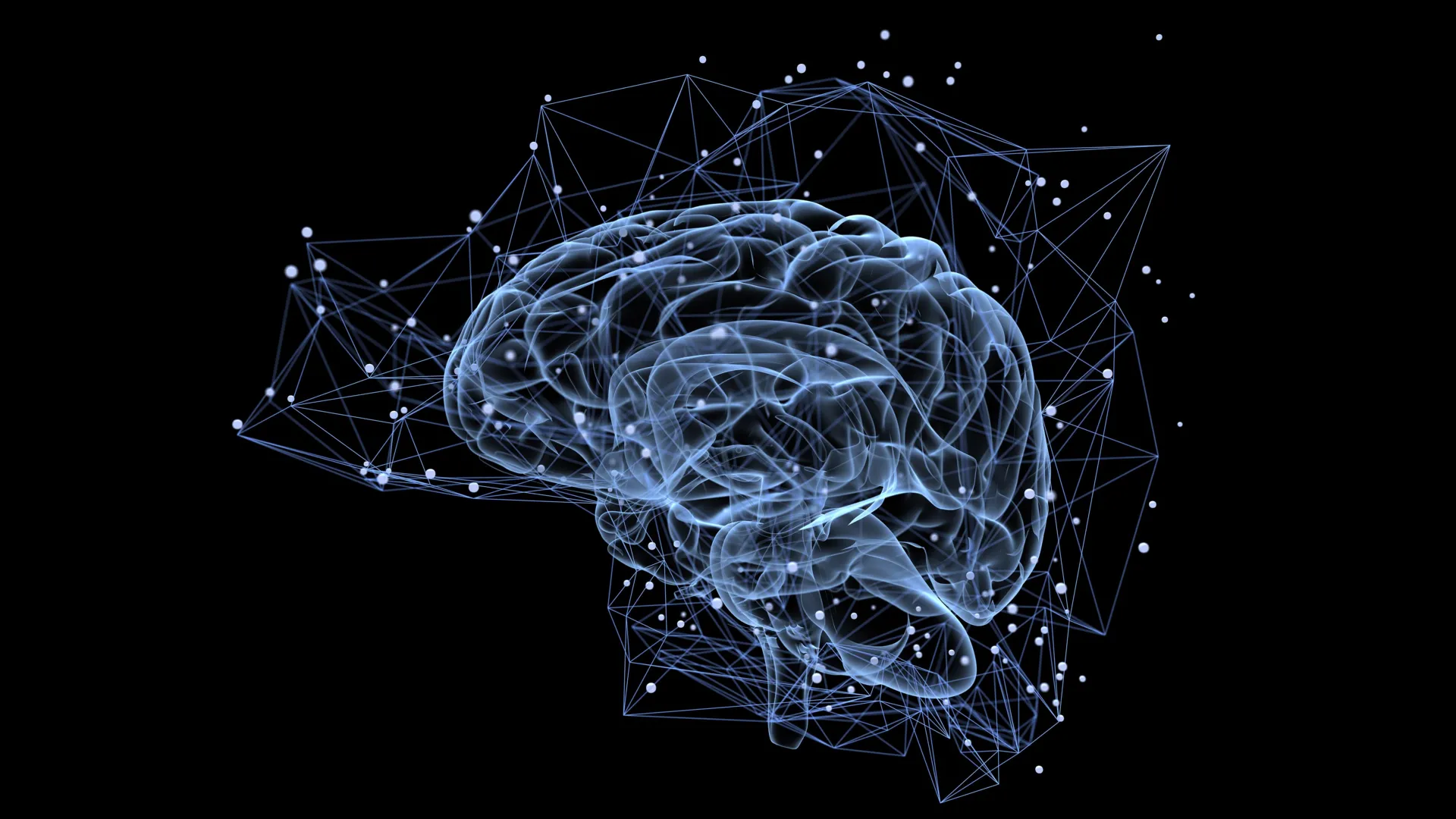
Scientists have identified a neural pathway in the brain that acts as a 'motivation brake,' making it difficult to start unpleasant tasks. By suppressing this circuit in macaque monkeys, researchers significantly increased their willingness to initiate tasks despite potential punishment, offering insights into motivation deficits in psychiatric conditions like depression.
neuroscience1 year ago

Breakthrough in Brain Circuitry Offers Hope for Stress and Depression Treatment

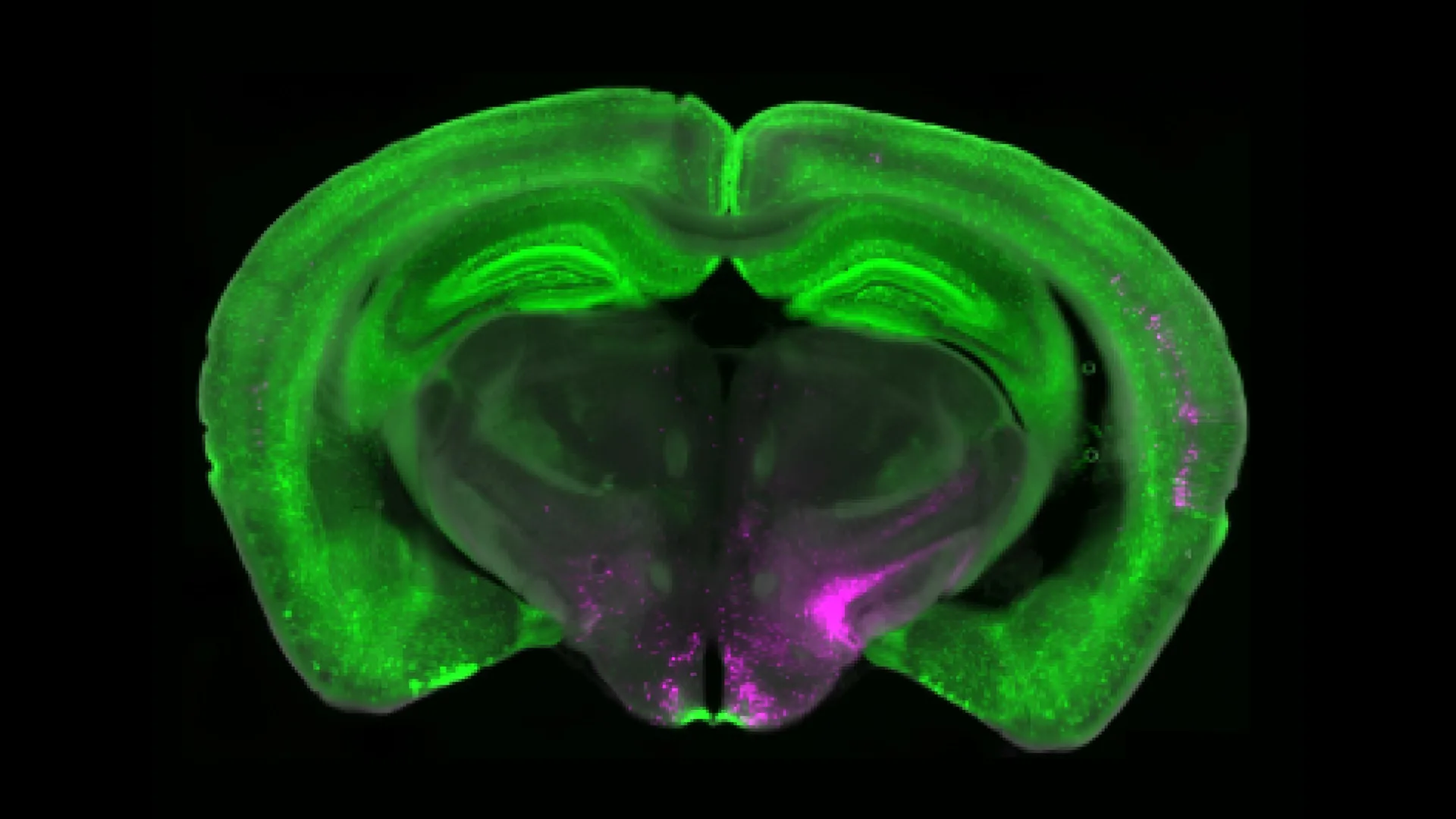
Researchers at UCSF have discovered a brain circuit involving the amygdala and hippocampus that predicts resilience to stress in mice. Disruption in this circuit impairs reward-seeking behavior, but stimulating it using chemogenetics restores resilience and normal behavior. This finding could lead to new non-invasive treatments for chronic stress and depression in humans, as researchers explore similar patterns in human brains.

science-and-health1 year ago

Neuroscientists Find Brain Circuit to Instantly Reduce Stress

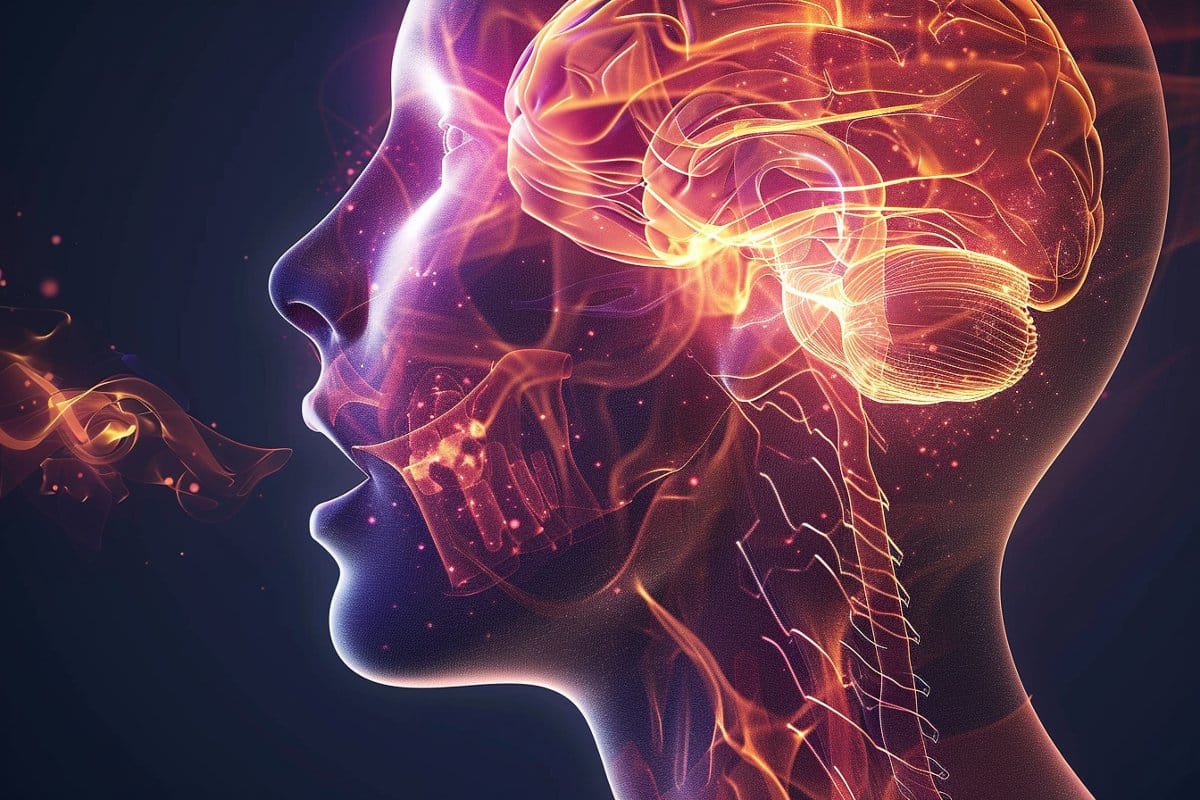
Neuroscientists at the Salk Institute have discovered a brain circuit that regulates voluntary breathing, potentially leading to new anxiety treatments. This breakthrough, published in Nature Neuroscience, could pave the way for drugs that mimic the calming effects of practices like yoga and meditation by targeting specific brain pathways. Such medications might offer more precise anxiety relief with fewer side effects compared to current treatments. The research is a significant step towards understanding how controlled breathing can alleviate anxiety, though practical applications may take years to develop.

neuroscience1 year ago

"Food-Seeking Circuit Trumps Hunger Signals in the Brain"

Researchers have identified a specific group of cells in the brainstem’s periaqueductal gray (PAG) area that drives mice to seek food even when not hungry, leading to a preference for high-calorie foods and food-seeking behaviors. This discovery suggests potential insights into eating disorders in humans and offers new possibilities for future treatments. The study found that stimulating these cells in mice caused a craving for fatty and sugary foods, indicating the circuit’s role in the craving for highly rewarding food, regardless of hunger.

health1 year ago

"Unraveling the Role of Food-Seeking Neurons in Post-Meal Snack Cravings"

UCLA psychologists have identified a circuit in the brain of mice that drives food-seeking behavior, even when not hungry, by stimulating specific cells in the brainstem. This discovery sheds light on the neural basis of food cravings and could offer insights into understanding eating disorders in humans. The study suggests that an overactive food-seeking circuit may lead to compulsive eating of high-calorie foods, while a less active circuit could reduce pleasure associated with eating, potentially contributing to anorexia. If confirmed in humans, this food-seeking circuit could become a target for treating certain types of eating disorders.

neuroscience1 year ago

"Brain's Coordination of Speech and Breathing Revealed"

Researchers have identified a brain circuit that coordinates vocalization with breathing, ensuring speech occurs predominantly during exhalation. This circuit, regulated by a brainstem area responsible for breathing rhythm, receives inhibitory signals during inhalation, preventing speech. The study, conducted in mice, sheds light on the neurological control of speech and breathing coordination, suggesting a shared mechanism across species, including humans.

neuroscience2 years ago

"Breakthrough: Unveiling the Brain Circuit Behind Salt Aversion"

Scientists at Caltech have discovered a neural circuit in the mouse brain that regulates aversion to salty tastes. While previous research identified the brain circuit responsible for salt cravings, this new study reveals a separate circuit that enables mice to tolerate high levels of salt that would typically be aversive. These tolerance neurons, located in the forebrain, function independently from the salt-appetite neurons in the hindbrain. The activity of the tolerance neurons is modulated by the hormone prostaglandin E2 (PGE2), suggesting a link between inflammation and sodium intake. Understanding these circuits could provide insights into how the body maintains sodium balance and the interplay between sodium levels and inflammation.

neuroscience2 years ago

Unveiling the Brain's Hidden Discomfort Circuit

Scientists have discovered a brain circuit in the subthalamic nucleus that causes discomfort and aversion when activated, shedding light on the neural roots of aversion and its potential role in depression. The study used optogenetics in mice to pinpoint the neural circuits involved, which could lead to more precise treatments for neurological disorders without adverse effects. This finding may also explain why some Parkinson's patients undergoing deep brain stimulation therapy experience depression as a side effect. The research offers hope for improved clinical outcomes for patients with Parkinson's disease and similar conditions.

neuroscience2 years ago

Uncovering the Link: Substance Use Disorder and a Shared Brain Circuit

A study conducted by researchers at Brigham and Women's Hospital has identified a common brain network among individuals with substance use disorders, regardless of the type of substance or lesion location. By analyzing data from over 144 studies involving more than 9,000 participants, the researchers found consistent abnormalities in this shared circuit, suggesting it could be a potential target for neurostimulation therapies such as transcranial magnetic stimulation. The findings provide valuable insights into the understanding and treatment of addiction.