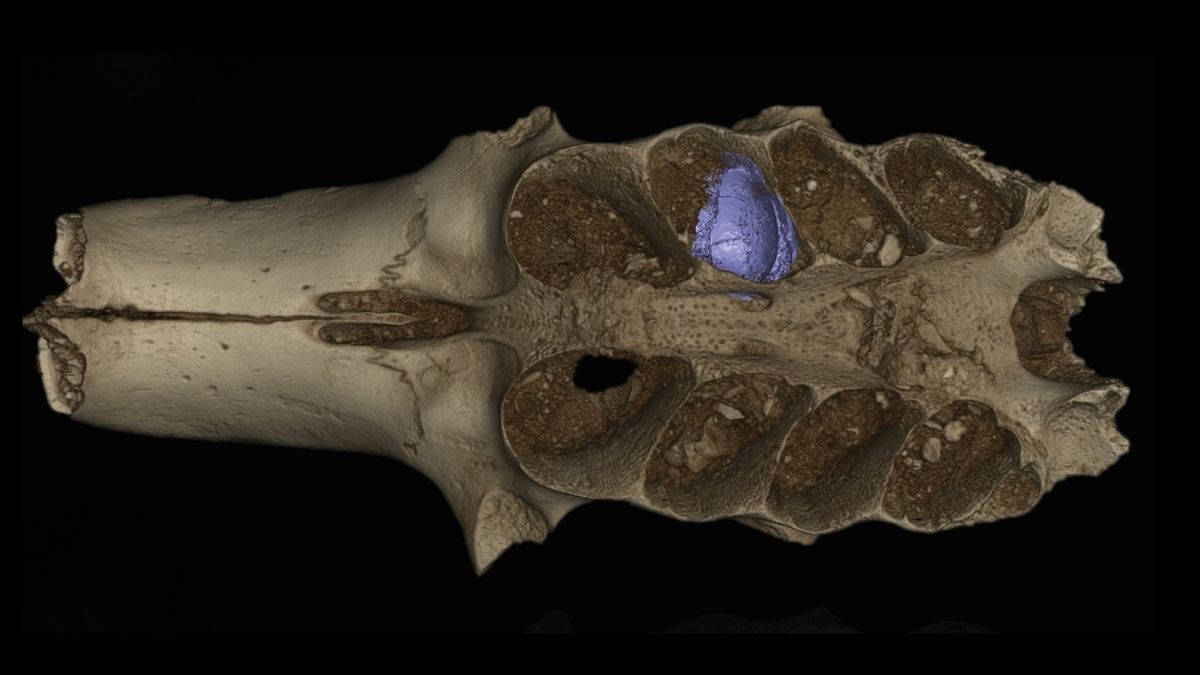
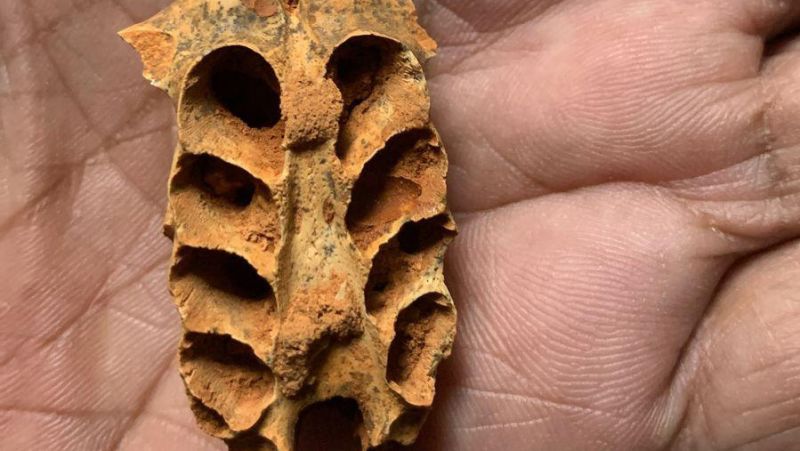
Ancient solitary bees, Osnidum almontei, made multi-generational homes inside the cavities of a fossilized jawbone found in a Caribbean cave, marking the first discovery of bees nesting within bones, revealing their opportunistic nesting behavior and long-term use of the same sites.
Researchers discovered ancient bee nests inside fossilized bones in a Caribbean cave, revealing a previously unknown behavior of nesting in bones and caves, dating back around 20,000 years, which expands understanding of bee ecology and adaptation.
Researchers at Imperial College London have discovered the brain wiring in mice that instinctively prepares them for sleep by engaging in nesting behavior. This behavior is controlled by dedicated brain cells in the prefrontal cortex, which connect to the hypothalamus and trigger nesting and sleep. The study suggests that this sleep preparation process is likely a survival feature shared among mammals, emphasizing the importance of proper sleep routines, or "sleep hygiene," in humans. The findings may provide insights into why sleep is essential for survival.
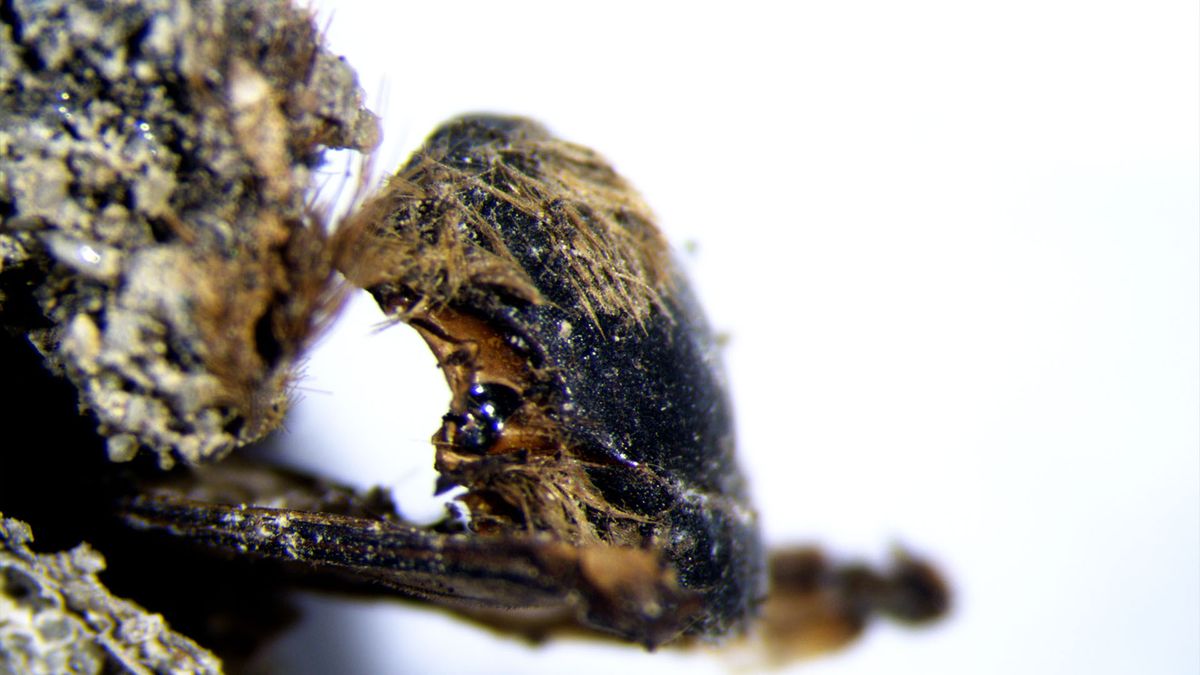
Researchers in Portugal have discovered a fossilized bee nest containing mummified bees that are remarkably well-preserved, offering insights into bee nesting behavior and evolution. The bees were found in rocks that formed about 3,000 years ago near the Atlantic coast of Portugal. The intact cocoons revealed evidence of pollen from a Brassicaceae plant, indicating the bees' diet. The researchers speculate that the bees were killed by a sudden freeze or flooding, which created a mini-environment that preserved their bodies. This discovery provides valuable information about ancient bee behavior and life history.
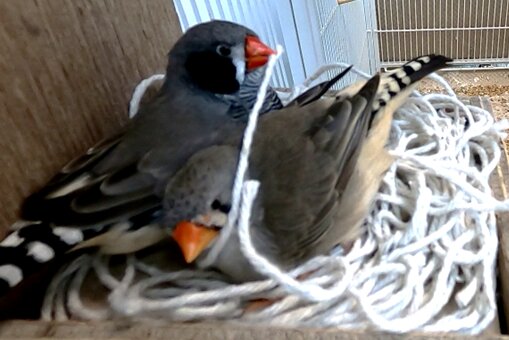
Researchers have found that the shape and size of a bird's beak can predict the type of nest material it will use. Using data from nearly 6,000 bird species, a machine learning algorithm accurately predicted nest material use based solely on beak characteristics in 60% of species, rising to 97% in some cases. The study sheds light on the evolutionary and ecological context of these relationships and highlights the potential applications of these findings in understanding how beak shape co-evolved with nest building and other functions. The researchers are now investigating the use of anthropogenic nest materials by birds, particularly in urban environments.