Tag

Brain Waves

All articles tagged with #brain waves

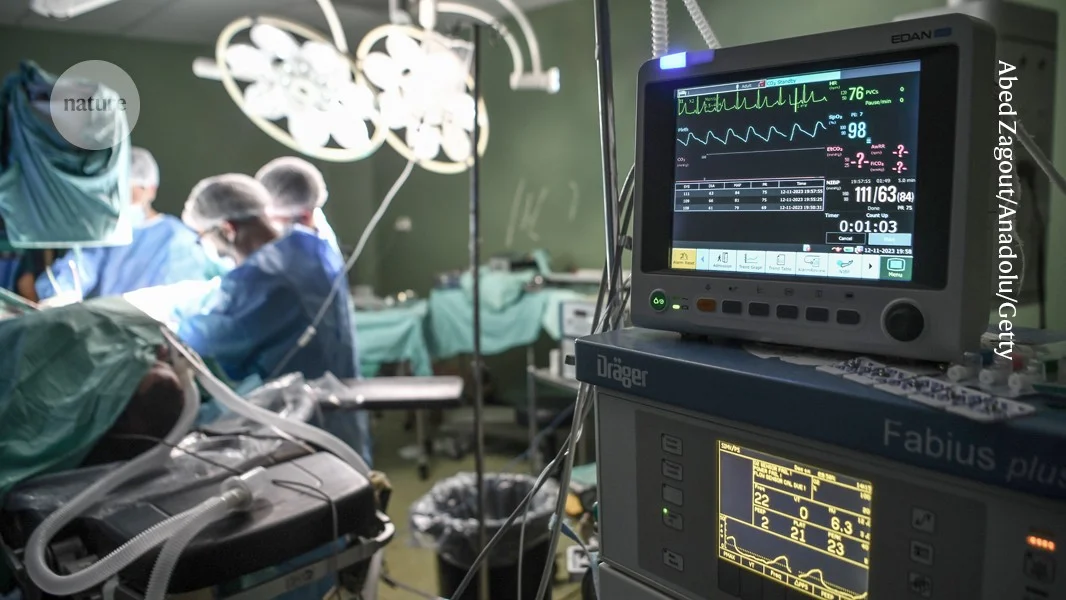
Life Flashes Before Our Eyes at Death

Originally Published 14 days ago — by My Modern Met

Featured image for Life Flashes Before Our Eyes at Death
Source: My Modern Met

A 2022 study unexpectedly recorded brain activity during a patient's death, revealing that the brain may remain active and exhibit memory-like waves, such as gamma oscillations, suggesting that our lives might indeed flash before our eyes as we die, although findings are preliminary and based on a single case.

Brain Wave Rotation Enhances Focus After Distractions

Originally Published 2 months ago — by Neuroscience News

Featured image for Brain Wave Rotation Enhances Focus After Distractions
Source: Neuroscience News

Neuroscientists discovered that rotating neural waves in the prefrontal cortex help the brain recover focus after distraction, with full rotations correlating with correct task performance and incomplete ones predicting errors, suggesting the brain uses energy-efficient traveling waves for concentration restoration.

Theta Brain Waves Enhance Visual Working Memory and Detection

Originally Published 2 months ago — by Neuroscience News

Featured image for Theta Brain Waves Enhance Visual Working Memory and Detection
Source: Neuroscience News

New research from MIT shows that theta-frequency brain waves act like radar scans across the cortex, influencing visual working memory and attention by affecting reaction times and accuracy depending on their phase, with potential implications for improving cognitive function in neurological disorders.

Brain 'Punctuation Marks' Organize How We Remember Life Events

Originally Published 5 months ago — by Neuroscience News

Featured image for Brain 'Punctuation Marks' Organize How We Remember Life Events
Source: Neuroscience News

Researchers have discovered that ripple-type brain waves in the hippocampus mark the boundaries of memory episodes and coordinate with cortical areas during naturalistic experiences, providing new insights into how memories are structured and opening potential avenues for treating memory impairments.

Brain Wave Discovery Challenges Beliefs About Electroconvulsive Therapy's Reset Effect

Originally Published 7 months ago — by Medical Xpress

Featured image for Brain Wave Discovery Challenges Beliefs About Electroconvulsive Therapy's Reset Effect
Source: Medical Xpress

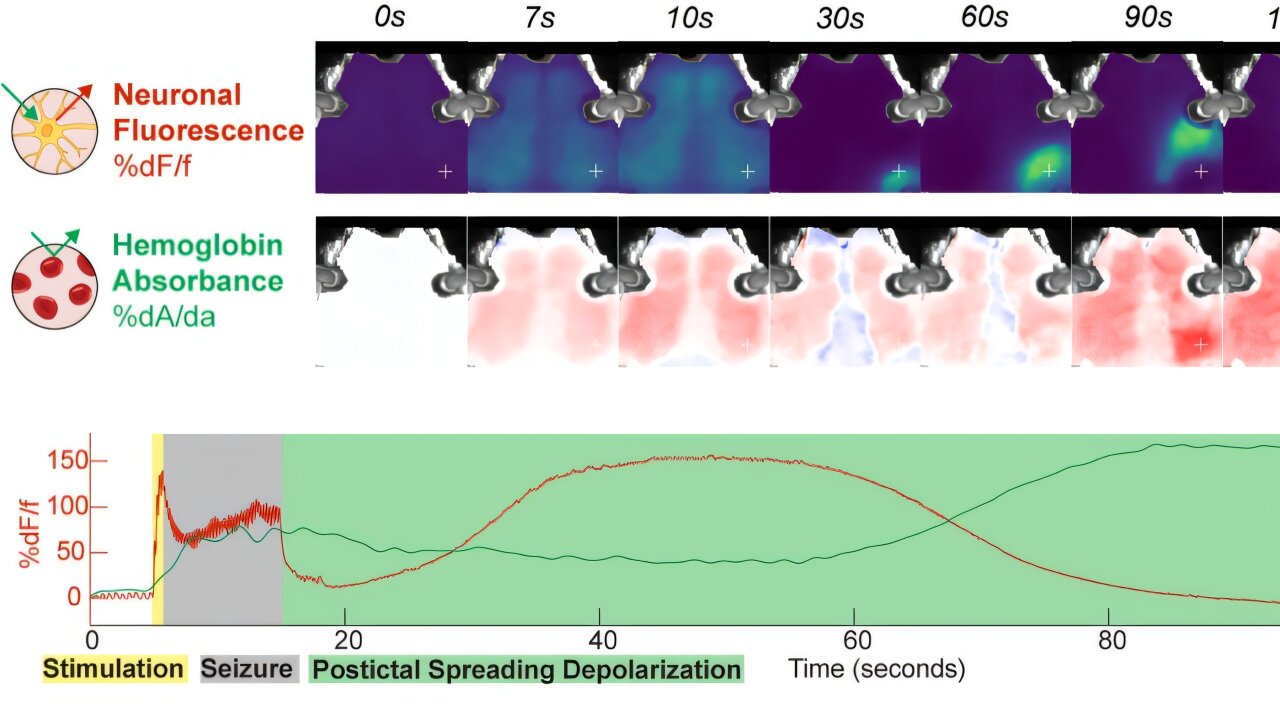
A study led by Zach Rosenthal challenges the long-held belief that the seizure induced by electroconvulsive therapy (ECT) is the primary therapeutic mechanism, revealing that ECT also triggers a brain wave called cortical spreading depolarization (CSD), which may reset neurons and explain its effectiveness. This discovery, made possible by advanced neuroimaging, could lead to more personalized and effective ECT treatments, helping to reduce stigma and improve mental health outcomes.

"Brain Waves Shape Our Perception of Speech"

Originally Published 1 year ago — by Neuroscience News

Featured image for "Brain Waves Shape Our Perception of Speech"
Source: Neuroscience News

A study by the Max Planck Institute reveals that brain wave timing influences how we perceive speech, with more probable sounds and words being recognized during less excitable brain wave phases. This finding supports the role of neural timing in language comprehension and has significant implications for predictive coding theories in speech perception.

"Hippocampus: The Generator of Deep Sleep Waves"

Originally Published 1 year ago — by Neuroscience News

Featured image for "Hippocampus: The Generator of Deep Sleep Waves"
Source: Neuroscience News

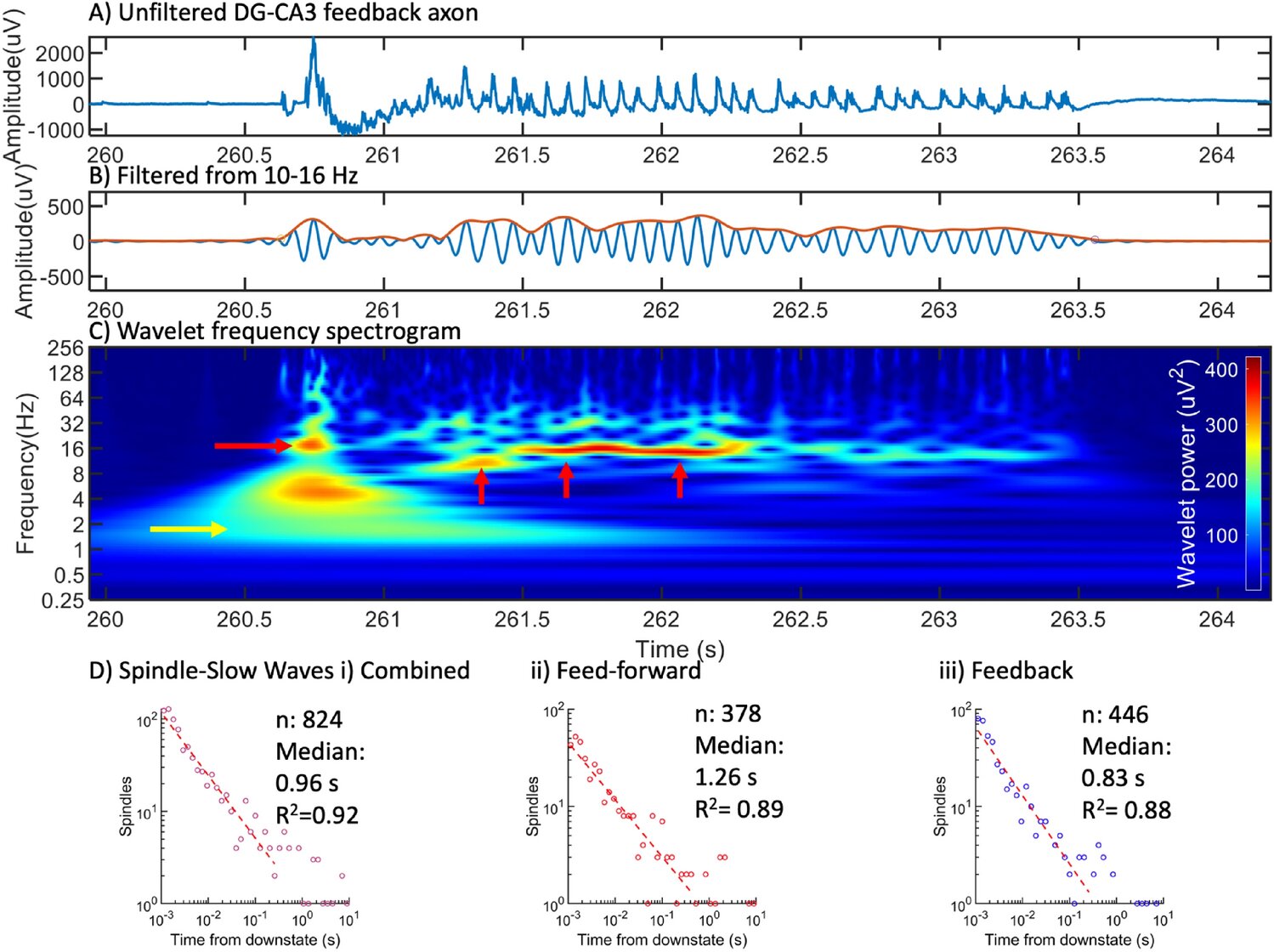
Researchers at UC Irvine have discovered that the hippocampus, traditionally associated with memory formation, also plays a crucial role in generating slow waves and sleep spindles, essential elements of deep sleep. By studying these waves in single nerve fibers, the team believes they may be linked to how sleep strengthens memories, potentially leading to new treatments for sleep disorders. This finding expands our understanding of the brain's activity during deep sleep and its impact on memory processing, offering a promising foundation for future studies exploring the therapeutic potential of targeting hippocampal activity to improve sleep quality and cognitive function.

"Uncovering the Source of Strong Deep Brain Waves During Sleep"

Originally Published 1 year ago — by Medical Xpress

Featured image for "Uncovering the Source of Strong Deep Brain Waves During Sleep"
Source: Medical Xpress

Researchers at the University of California, Irvine have discovered a new source of slow waves and sleep spindles crucial for deep sleep within the hippocampus, challenging traditional beliefs about their origin from the thalamus and cortex. The study suggests that these brain waves can originate from axons within the hippocampus's memory centers, offering new insights into how they support memory processing during sleep and potentially paving the way for new approaches to treating sleep-related disorders.

"Unlocking the Power of Synchronized Brains for Social Well-being"

Originally Published 1 year ago — by Quanta Magazine

Featured image for "Unlocking the Power of Synchronized Brains for Social Well-being"
Source: Quanta Magazine

Research shows that our brain waves can align with others' during social interaction, a phenomenon known as interbrain synchrony. Studies have demonstrated that synchronized neural activity among individuals is linked to better problem-solving, learning, cooperation, and behaviors that benefit others. Factors such as eye contact, smiling, shared goals, and joint attention have been identified as key ingredients for interbrain synchrony. While the causal relationship between synchrony and cooperative behavior is still being explored, experiments using electric brain stimulation have shown promising results in enhancing cooperative abilities.

"Opposing Brain Waves: The Key to Memorization and Recall"

Originally Published 1 year ago — by ScienceAlert

Featured image for "Opposing Brain Waves: The Key to Memorization and Recall"
Source: ScienceAlert

US researchers have discovered that brain waves move in opposite directions depending on the type of cognitive task being performed, with learning processes flowing one way and recall actions bouncing back the other direction. This finding sheds light on how the brain supports various behaviors and may have implications for conditions like memory loss. The study, published in Nature Human Behavior, utilized electrodes implanted on the cerebral cortex of epilepsy patients to directly observe brain wave activity during different cognitive tasks, providing valuable insights into the brain's dynamic functioning.

"Shared Brain Wave Pattern Found in Primates, Including Humans"

Originally Published 1 year ago — by Livescience.com

Featured image for "Shared Brain Wave Pattern Found in Primates, Including Humans"
Source: Livescience.com

Scientists have discovered a universal pattern of brain waves in multiple primate species, including humans, which involves distinct electrical activity in the six layers of tissue covering the outer surface of the brain. This pattern, revealed in a recent study published in Nature Neuroscience, suggests a mechanism for how the brain consciously switches focus from one piece of information to the next. The researchers hope to further study how conditions affecting the brain may disrupt this universal pattern, potentially aiding in the diagnosis and treatment of conditions like Alzheimer's and schizophrenia.

Modulation of Human Memory Processing by Theta and Alpha Travelling Waves

Originally Published 1 year ago — by Nature.com

Featured image for Modulation of Human Memory Processing by Theta and Alpha Travelling Waves
Source: Nature.com

Research suggests that the direction of theta and alpha travelling waves in the human brain may play a role in modulating memory processing. These findings provide insights into the dynamics of brain oscillations and their impact on cognitive functions, shedding light on the complex interplay between neural activity and memory formation.