Research suggests that COVID-19 mRNA vaccines may enhance the immune response in cancer patients, leading to longer survival when combined with immunotherapy, especially in lung and skin cancers. The findings, based on patient data and mouse studies, indicate a potential for developing universal cancer vaccines, though further clinical trials are needed.
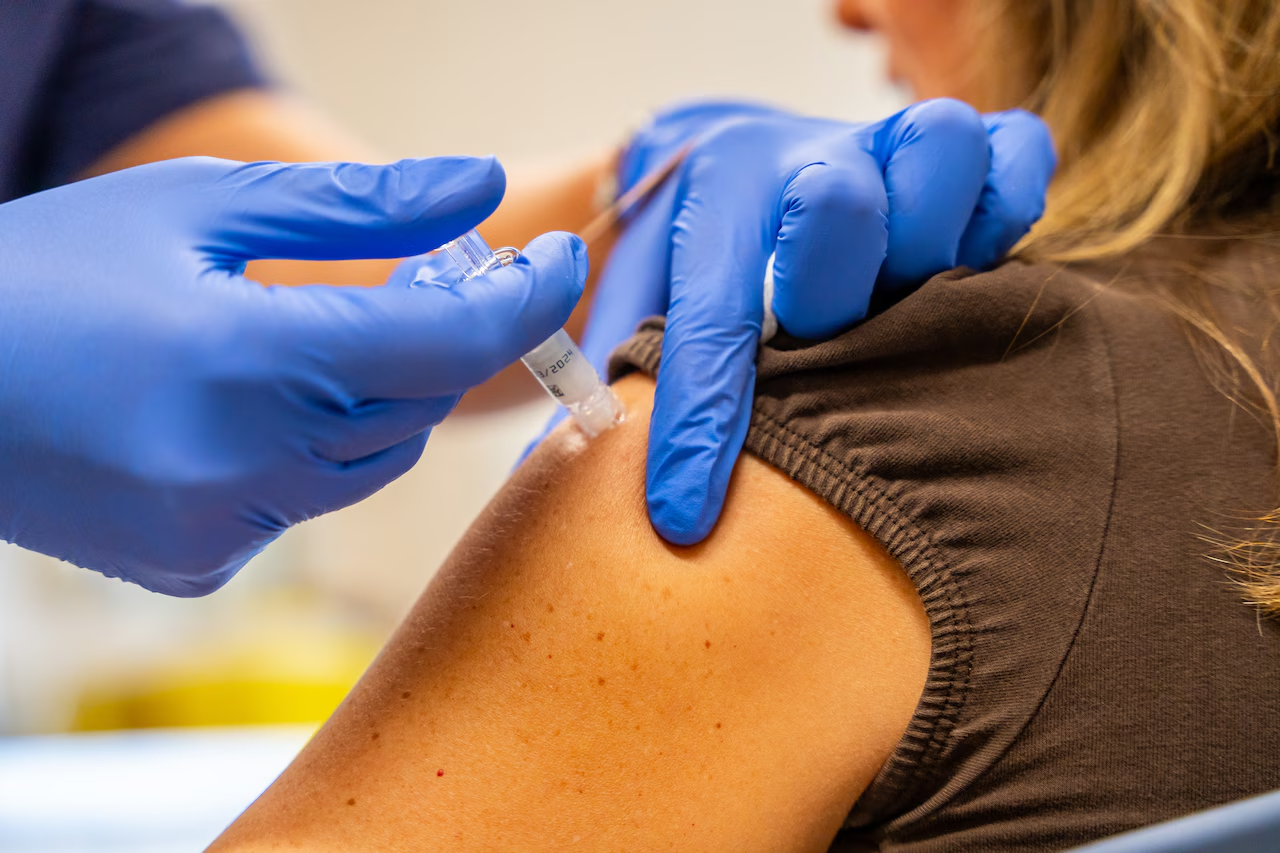
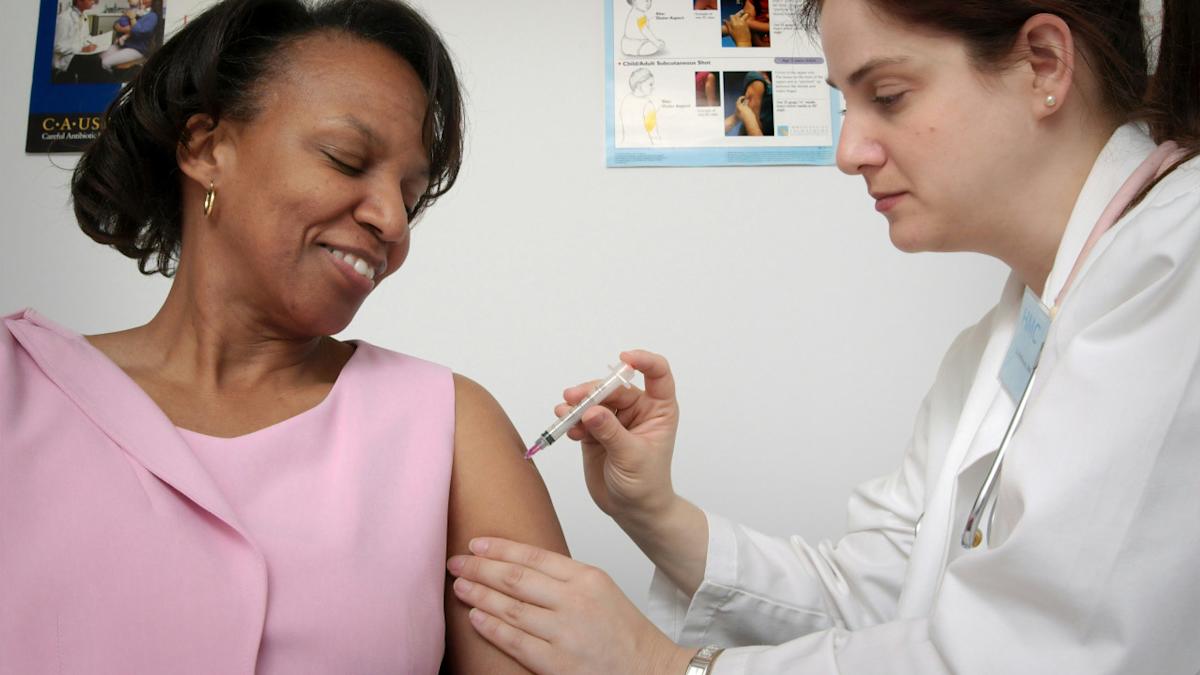
Getting COVID and flu vaccines in the same arm or different arms is a matter of personal preference, with recent studies suggesting no significant difference in effectiveness or antibody response; convenience and comfort are key considerations.
A Stanford study explains that myocarditis, a rare heart inflammation linked to COVID-19 vaccines, is caused by immune proteins CXCL10 and IFN-gamma. The research suggests that targeted immune modulation could reduce risk, especially in young males, without compromising vaccine benefits. The overall safety of COVID vaccines remains high, with myocarditis being a very rare side effect.
A Stanford study highlights a rare risk of myocarditis, or heart inflammation, associated with mRNA Covid-19 vaccines, especially in young men and children, with an estimated occurrence of 1 in 140,000 after the first dose and 1 in 32,000 after the second. While most recover quickly, the study emphasizes that Covid itself is more likely to cause myocarditis than the vaccine, and advises seeking medical help if chest pains occur post-vaccination.
A large French study involving over 28 million people found that Covid-19 vaccination reduced the risk of all-cause death by 25% and lowered the risk of dying from Covid complications by 74%, confirming the vaccine's overall effectiveness despite some limitations and concerns about rare side effects.
A study suggests that mRNA COVID vaccines like Pfizer and Moderna may enhance survival rates in cancer patients undergoing immunotherapy, potentially 'priming' the immune system to fight cancer more effectively, though more research is needed; the vaccines remain primarily important for preventing COVID-19 complications.
A study suggests that mRNA COVID-19 vaccines like Pfizer and Moderna may enhance survival rates in cancer patients undergoing immunotherapy, potentially 'priming' the immune system to fight cancer more effectively, though more research is needed; the vaccine's primary benefit remains COVID-19 prevention.
An 80-year-old woman who has received all COVID vaccines, including the latest in August, is considering whether to get the updated 2025-26 vaccine to better protect against circulating variants. Dr. Roach advises that she has some protection from her recent vaccine but recommends the new vaccine if she wants enhanced protection, especially given her age and risk factors. The decision can be made now or in a few months depending on community virus levels.
President Donald Trump received a Covid vaccine booster and a flu shot during a routine health check-up at Walter Reed, where he was found to be in excellent health with a cardiac age significantly younger than his actual age. The visit also included advanced testing and imaging, and occurred amid changing Covid vaccine guidelines and political controversies surrounding vaccine recommendations.
President Donald Trump received a Covid booster and flu shot during a visit to Walter Reed Medical Center, where he also underwent health screenings; his physician reported he is in excellent health with a cardiac age significantly younger than his actual age, despite previous health concerns.
The article discusses how people are finding ways to get Covid vaccines despite new eligibility restrictions, with adults often stretching criteria and vaccines for children being harder to access due to supply and age restrictions, though many health experts and organizations continue to support vaccination for all eligible children and adults.
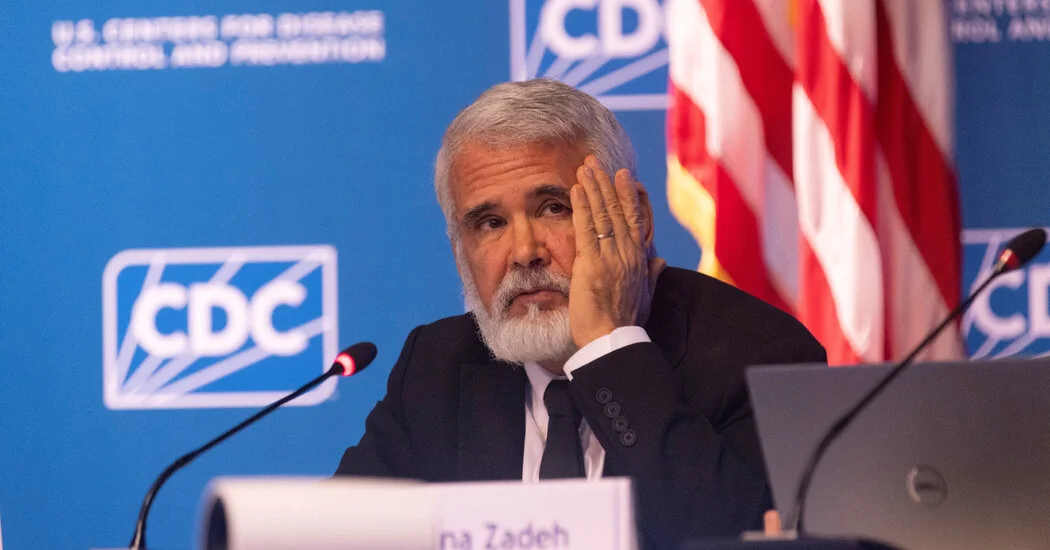
The CDC has updated its Covid vaccine recommendations, now advising people 65 and older to get vaccinated after consulting a healthcare provider, while vaccination for those under 65 remains optional but recommended for high-risk groups. The new guidelines have led to a patchwork of state policies, complicating access and communication about vaccination. Despite these changes, vaccines remain free for most insured individuals, and availability varies by location and provider.
The CDC has not yet issued final COVID vaccine guidelines, causing delays and confusion in vaccine access for children and adults, which could hinder efforts to control the upcoming winter respiratory season and impact public health efforts.
The article explains how recent changes in U.S. COVID vaccine policies, driven by the Trump administration and CDC guidance modifications, have created confusion and barriers to vaccine access, especially at pharmacies, despite vaccines being broadly available on paper. These policy shifts, including restrictions on recommendations and approvals, have led to inconsistent practices across states and pharmacies, complicating access for vulnerable groups like pregnant women and healthy individuals, and resulting in a fragmented vaccination system.
The COVID vaccine provides high protection against severe illness and death for up to a year or more, even as its effectiveness against infection wanes to 50-60% after six to eight months. While annual vaccination is generally sufficient for most, those with weakened immune systems may benefit from more frequent doses or additional preventive measures. The decision to vaccinate more often should be made with a healthcare provider.