Tag

Paleoanthropology

All articles tagged with #paleoanthropology

science1 year ago

New Human Species 'Homo juluensis' Discovered in China

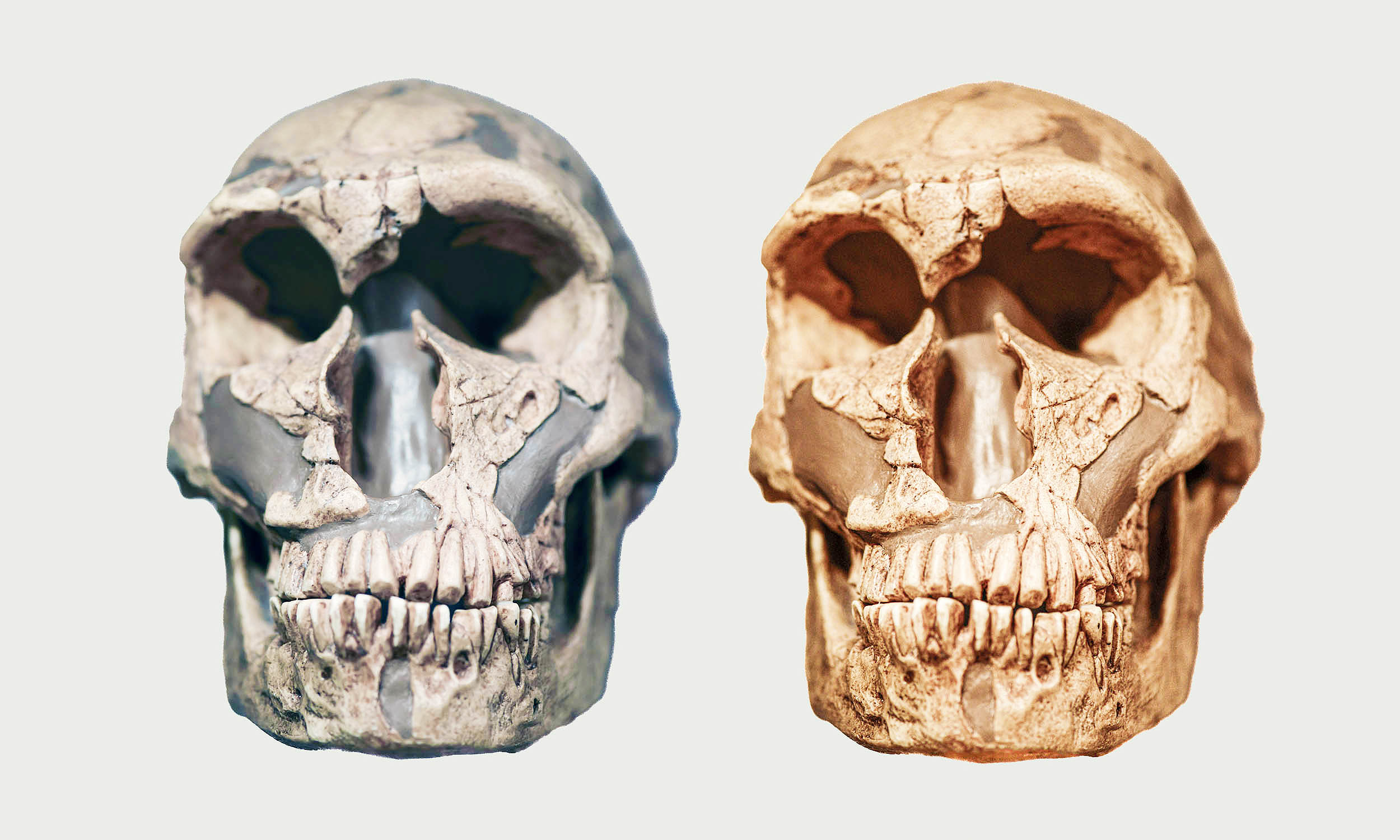
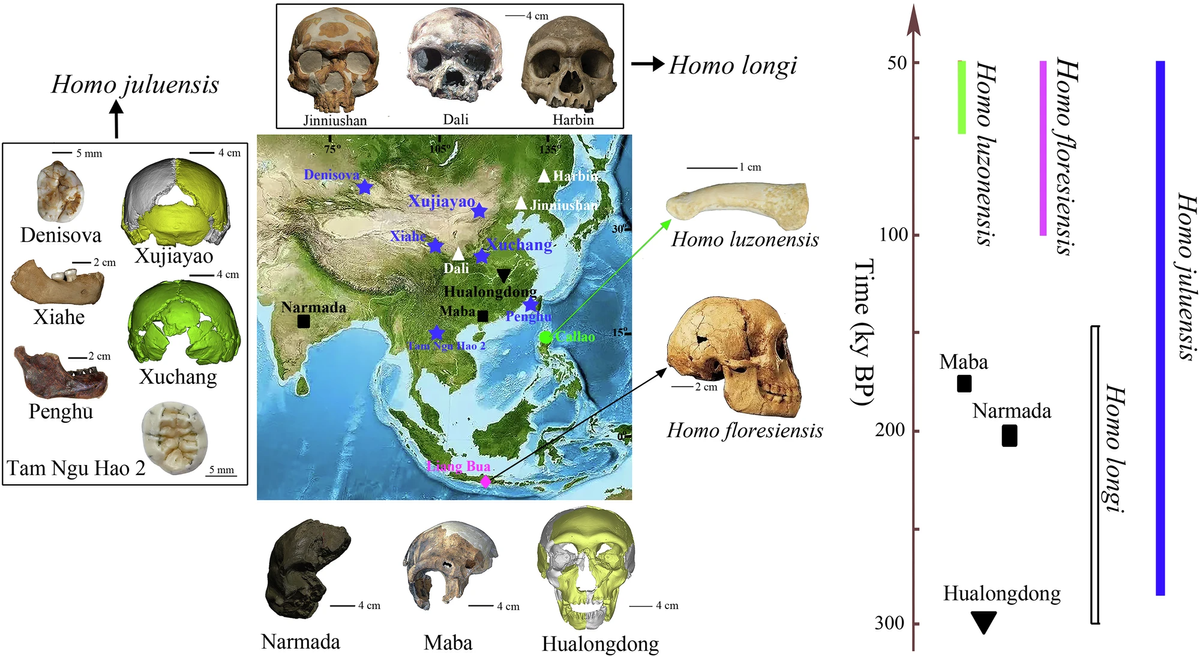
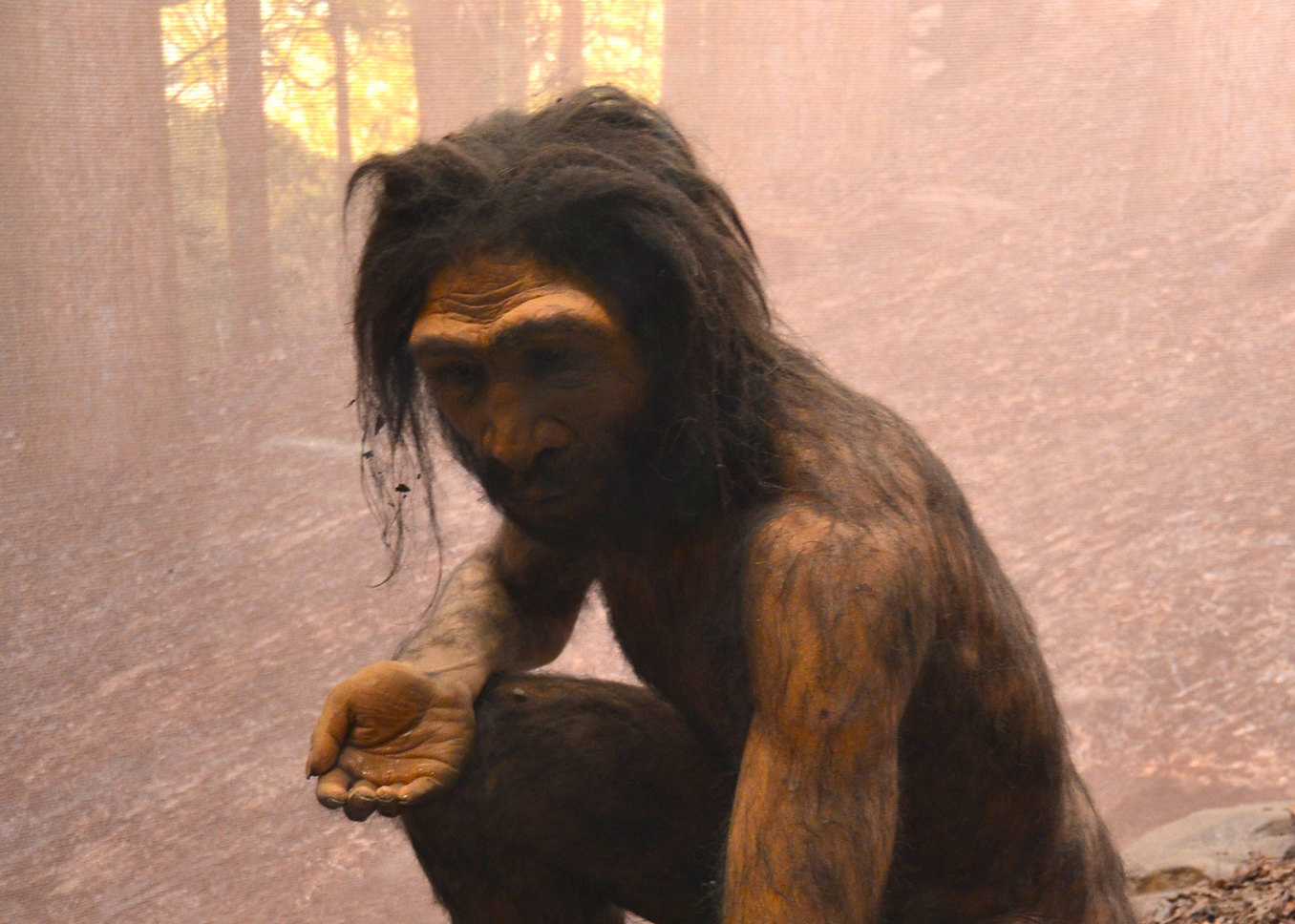
Scientists have identified a new hominin species, Homo juluensis, which lived in eastern Asia between 300,000 and 50,000 years ago. This discovery, led by researchers from the University of Hawai‘i and the Chinese Academy of Sciences, adds complexity to the understanding of human evolution during the Late Quaternary period. Homo juluensis is characterized by features similar to Neanderthals, modern humans, and Denisovans, and its identification helps clarify the classification of Middle Pleistocene hominin fossils, challenging traditional evolutionary models.

science1 year ago

Mysterious New Human Species with Large Brains Discovered

Scientists have identified a potential new human species, Homo juluensis, which lived in eastern Asia from about 300,000 to 50,000 years ago. This discovery, led by Professor Christopher J. Bae, suggests that Homo juluensis may include the Denisovans, known primarily through DNA evidence. The research highlights the unexpected diversity of hominin fossils in Asia and contributes to a clearer understanding of human evolution. The findings, published in Nature Communications, open new avenues for studying ancient human populations and their interactions.

science1 year ago

Ancient 'Big Head' Human Species Discovered in Asia

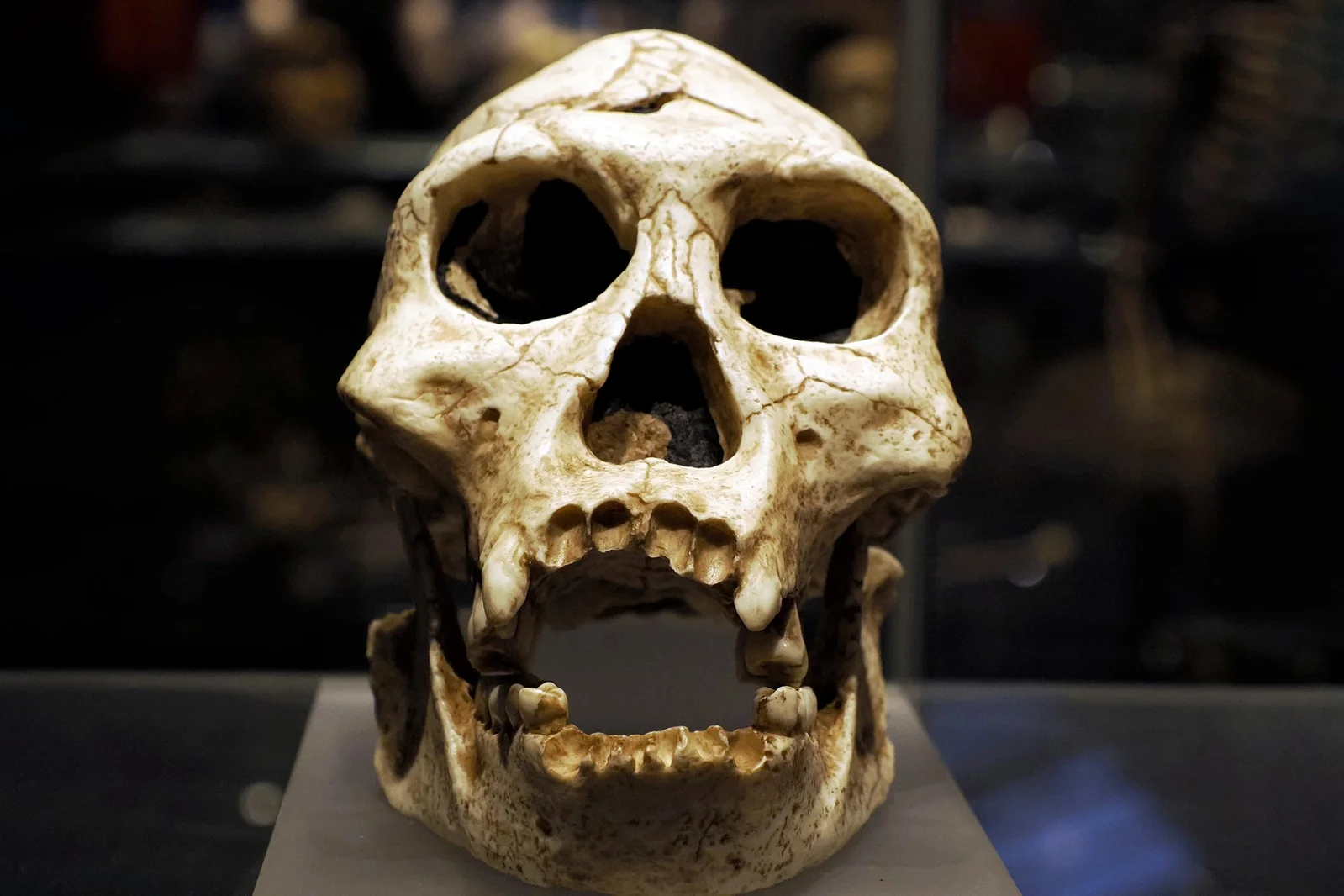
Scientists have identified a potential new species of ancient human, Homo julurensis, characterized by an abnormally large skull, which lived in China between 300,000 and 50,000 years ago. This species, dubbed the 'big head people,' may have had a larger brain than any known hominin, including modern humans. Researchers argue that these fossils, previously grouped with other hominins like Denisovans, display unique features warranting classification as a separate species. The discovery challenges the simplicity of the human evolutionary tree in Asia, suggesting more complex interbreeding and shared ancestry among ancient hominins.

science1 year ago

Newly Discovered 'Big-Headed' Human Species Found in Asia

A new study published in Nature Communications by Xiujie Wu and Christopher Bae suggests the existence of a previously unknown group of large-headed humans, termed Homo Juluensis, who lived in eastern Asia over 100,000 years ago. These humans had larger brains than any known human species of their time. The researchers propose that these fossils, previously attributed to Denisovans, represent a distinct group with mixed ancestry from various ancient Asian populations. This discovery adds complexity to the human ancestry tree, highlighting the diversity of hominin fossils in eastern Eurasia.

science1 year ago

Discovery of 'Homo juluensis' reshapes human evolutionary history

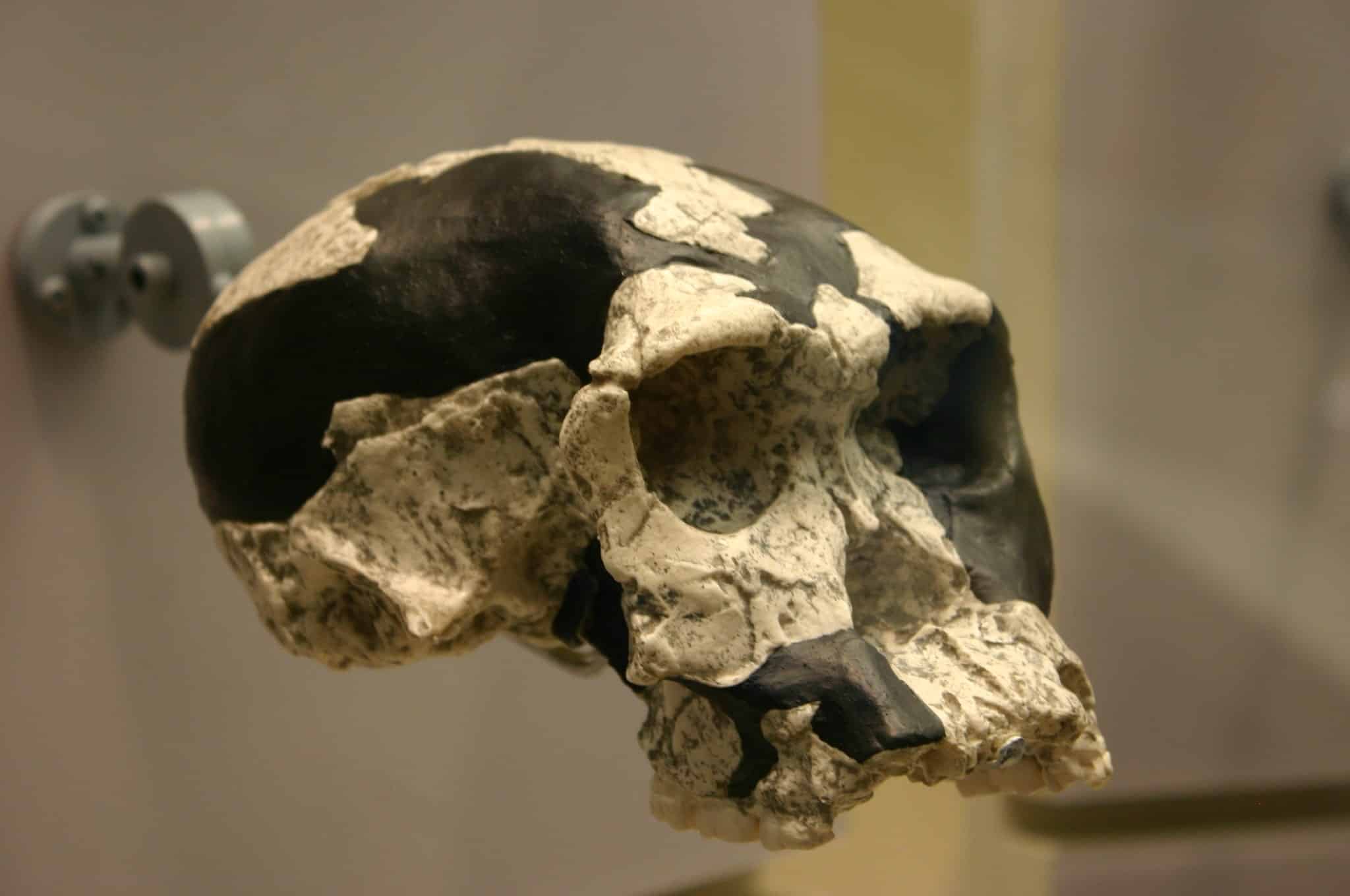
Researchers have identified a new species of ancient humans, Homo juluensis, based on large skull fossils found in China. This discovery, dating from 220,000 to 100,000 years ago, adds to the understanding of hominin variation during the Middle Pleistocene epoch. The fossils exhibit a mix of Neanderthal, modern human, and Denisovan traits, suggesting hybridization played a role in human evolution in eastern Asia. The classification of H. juluensis is debated, with some experts suggesting it may align more closely with H. longi.

science1 year ago

Ancient Footprints Reveal Coexistence of Human Ancestors in Kenya

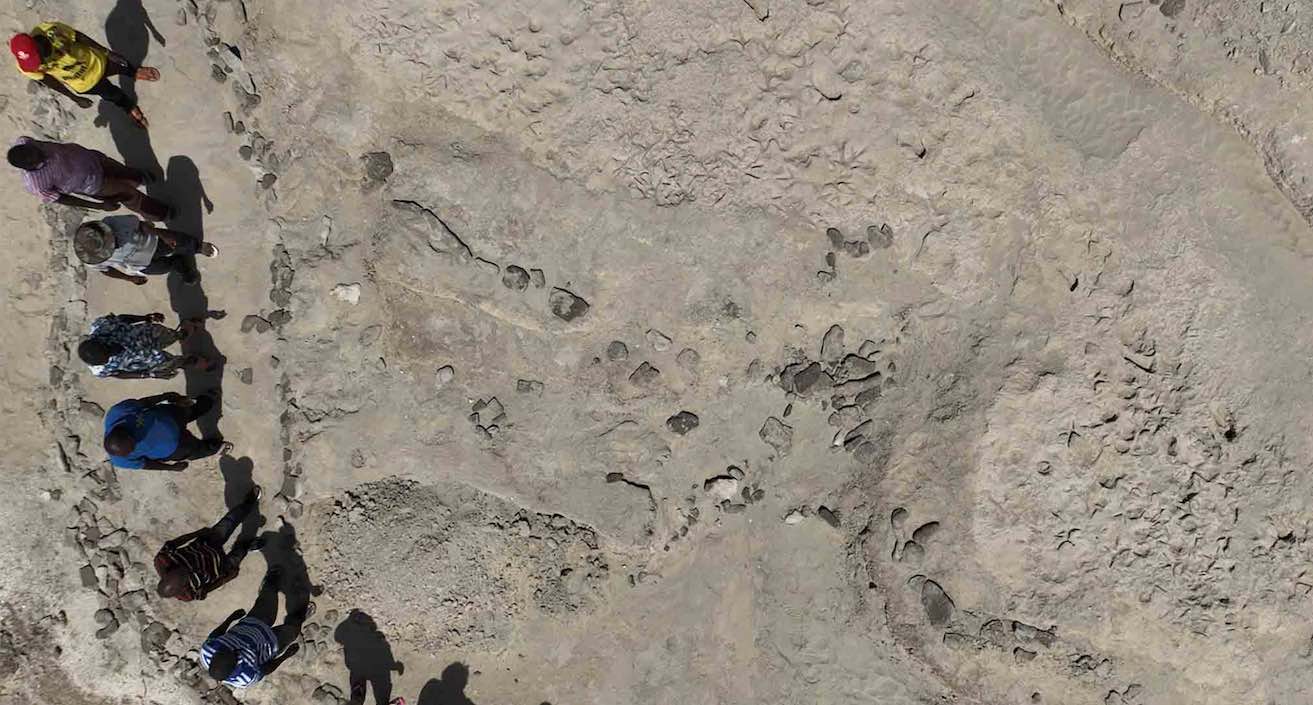
Scientists have discovered 1.5-million-year-old footprints in Kenya, revealing that two different species of human ancestors, Homo erectus and Paranthropus boisei, walked the same path within hours of each other. This finding, published in Science, provides the first evidence of these species coexisting in the same habitat, offering new insights into human evolution and interactions. The study utilized advanced 3D imaging to analyze the footprints, highlighting the significance of trace fossils in understanding ancient human behavior.

science1 year ago

New Ancient Human Species Discovered in China

Researchers have discovered a new human species, Homo juluensis, in China, dating back 200,000 years. Found at the Xujiayao site, the species is characterized by large skulls and teeth, distinguishing them from Neanderthals and modern humans. Evidence suggests they were skilled hunters, adapting to harsh climates. The study, published in Nature, indicates Homo juluensis may have interbred with other hominins, including Denisovans, and highlights the complexity of human evolution in eastern Asia.

science1 year ago

Celebrating 50 Years of Lucy: A Call to Decolonize Paleoanthropology

Lucy, a 3.2-million-year-old Australopithecus afarensis fossil discovered in Ethiopia in 1974, became a global icon in human evolution due to her completeness and age, confirming early upright walking in human ancestors. Her fame was propelled by her catchy nickname, the public engagement efforts of her discoverer Donald Johanson, and her role in advancing the study of human origins. Despite newer discoveries, Lucy remains a benchmark in paleoanthropology.

science1 year ago

Decolonizing Paleoanthropology: New Insights 50 Years After Lucy's Discovery

A leading Ethiopian fossil expert calls for the decolonization of paleoanthropology, fifty years after the discovery of the famous fossil Lucy. The expert emphasizes the importance of amplifying local scholars' voices in the field to combat misinformation and promote fact-based research. This call to action is part of a broader effort to ensure that the contributions and perspectives of scholars from regions where significant discoveries are made are recognized and valued.

science1 year ago

Lucy and Her Contemporaries: New Insights into Ancient Human Evolution

The discovery of the 3.2 million-year-old Australopithecus afarensis fossil, known as "Lucy," revolutionized our understanding of human evolution. However, recent findings suggest that Lucy's species coexisted with at least four other proto-human species in Africa during the middle Pliocene epoch. These include Australopithecus bahrelghazali, Australopithecus deyiremeda, and Kenyanthropus platyops, each with distinct anatomical features. While evidence of interbreeding among these species is limited, ongoing research aims to uncover more about their interactions and evolutionary relationships.

science1 year ago

Lucy: 50 Years of Evolutionary Insights and Misunderstandings

The discovery of "Lucy," an Australopithecus afarensis fossil found in Ethiopia in 1974, revolutionized the understanding of human evolution by showing that bipedalism preceded the development of large brains. Lucy's remains, dated to 3.2 million years ago, demonstrated that early human ancestors walked upright, challenging previous beliefs that large brains evolved first. Her discovery has significantly influenced paleoanthropological research and remains a cornerstone in the study of human origins.