Perth has been placed under a city-wide quarantine due to the spread of the polyphagous shot-hole borer beetle, which threatens the local tree canopy and ecosystem. The shift from eradication to containment aims to prevent further spread, with efforts focused on pruning, removals, and community involvement, amid concerns from experts about the risk to broader regions and biodiversity.
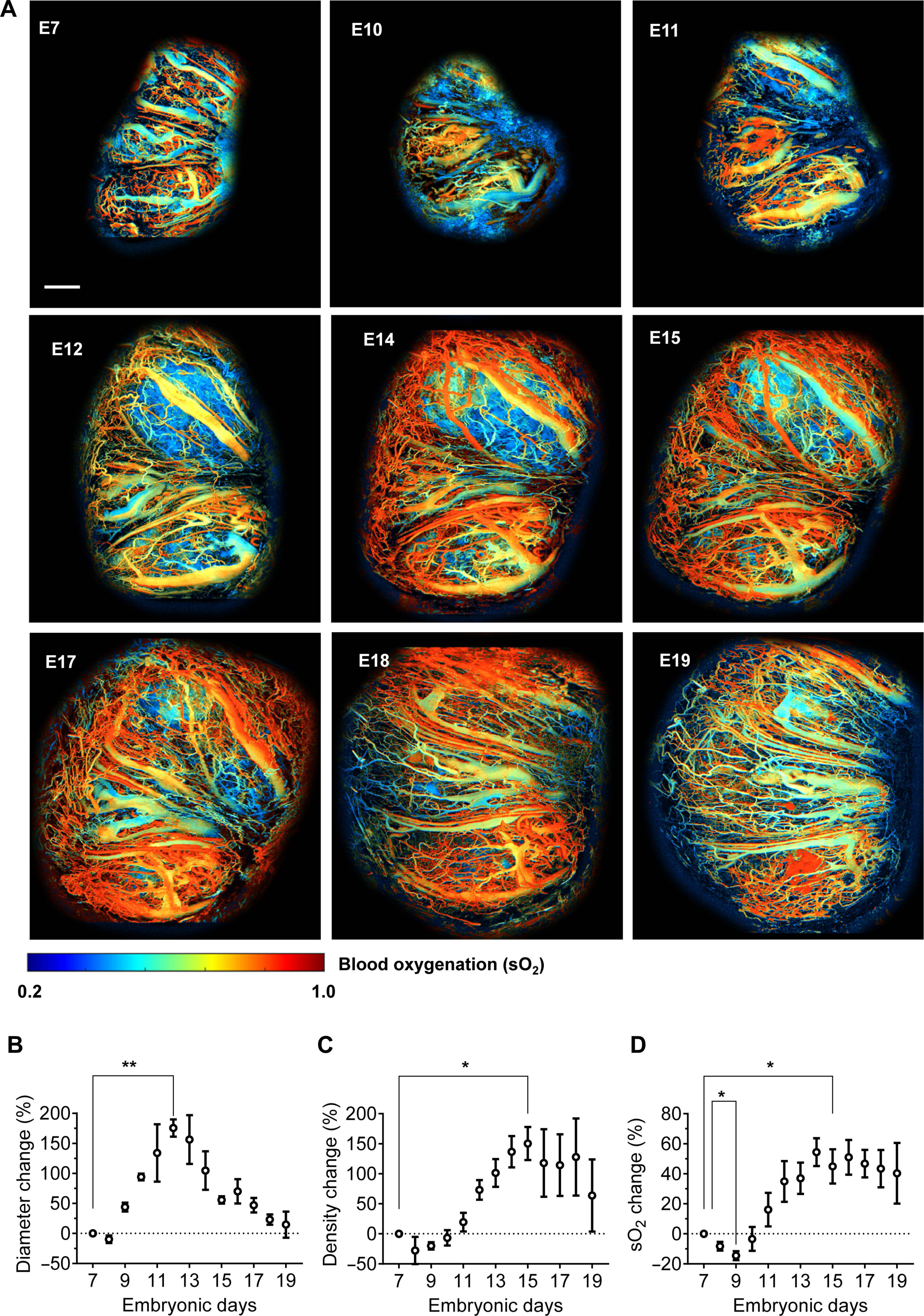
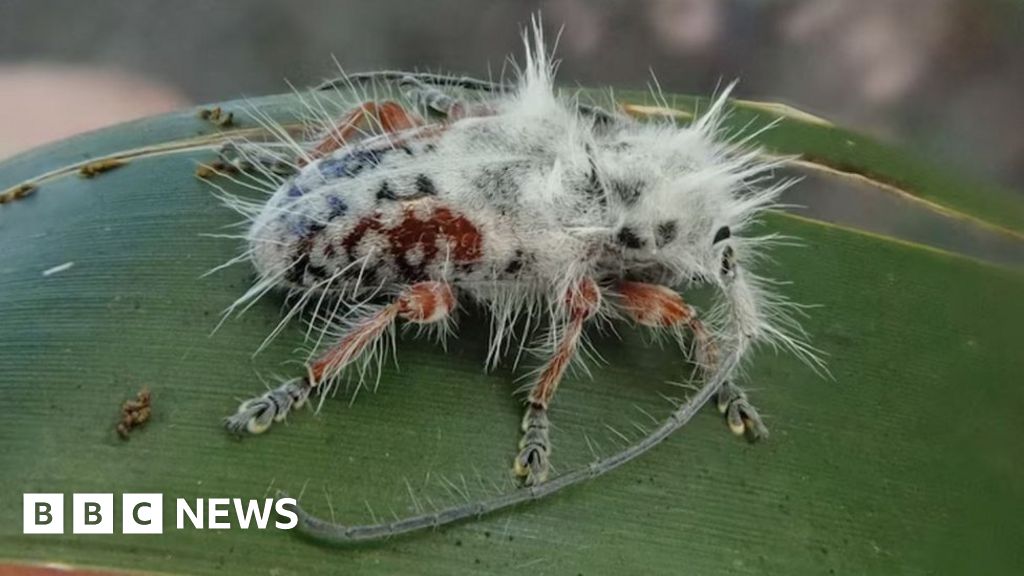
Researchers study an anemic blue compact dwarf galaxy, I Zwicky 18, using the James Webb Telescope, finding extreme populations of massive stars and large supershells of dust and ionized gas. A new genus of fluffy longhorn beetle, Excastra albopilosa, is discovered in Australia, possibly evolving its fuzzy coat as a predator deterrent. Astronomers report that quasar H1821+643, located 3.4 billion light-years from Earth, has little influence on its surroundings compared to other black holes. Duke University researchers develop a technique to capture high-definition images of mouse placental development, tracking blood vessel size and density, and oxygen levels from early to late pregnancy stages.
During a camping trip in Queensland's Lamington National Park, researcher James Tweed stumbled upon what he initially thought was bird droppings, but upon closer inspection, turned out to be a never-before-seen beetle with a unique appearance, including a spiky white mohawk. This newfound longhorn beetle, confirmed by the national science agency CSIRO as an entirely new family of longhorn beetles, has experts theorizing that its distinctive hair may serve as a form of camouflage from predators.
A new species of beetle, dubbed the "punk beetle" for its shaggy white locks, has been discovered in Australia. The fluffy specimen, initially mistaken for bird poo, was found in the Gold Coast hinterland and has been confirmed as an entirely new genus of longhorn beetles by the CSIRO. Named Excastra albopilosa, the beetle's unique appearance, covered in long, fluffy white hairs, has puzzled scientists, who believe it may have evolved to mimic an insect killed by a fungus as a defense mechanism. This discovery highlights the importance of documenting and conserving species, even those that are seemingly obscure.
Scientists have discovered a new species of beetle in South America with male genitalia shaped like a bottle opener, leading to its name, Loncovilius carlsbergi. The researchers plan to manufacture a small bottle-opening keychain based on the beetle's sexual organs. The species is one of six new Loncovilius beetles described in a study funded by the Carlsberg Foundation. These beetles, which live in Chile and Argentina, are unique in their family as they live on flowers instead of the ground. Unfortunately, climate change threatens their population. The researchers hope that by immortalizing the Carlsberg beetle as a bottle opener, they can raise awareness about the crisis facing species on our planet.
The Anophthalmus hitleri beetle, named after Hitler, is being driven to extinction by neo-Nazis who collect it as memorabilia. The rare beetle, found only in Slovenian caves, has been targeted by collectors for years, with specimens selling for high prices. Scientists are now advocating for the beetle to be renamed to end the illegal trade. The debate surrounding the renaming has brought attention to the beetle's plight, but reports of its exploitation by fascist collectors date back nearly two decades.
Scientists are proposing to rename the beetle Anophthalmus hitleri, named after Adolf Hitler, in order to save it from extinction. Neo-Nazis have been collecting the bug for its name, driving the species to the brink of extinction. The debate over changing names for ethical reasons has sparked a broader discussion on the taxonomic naming process for insects. Some argue that changing names would be too disruptive to the study of biodiversity.
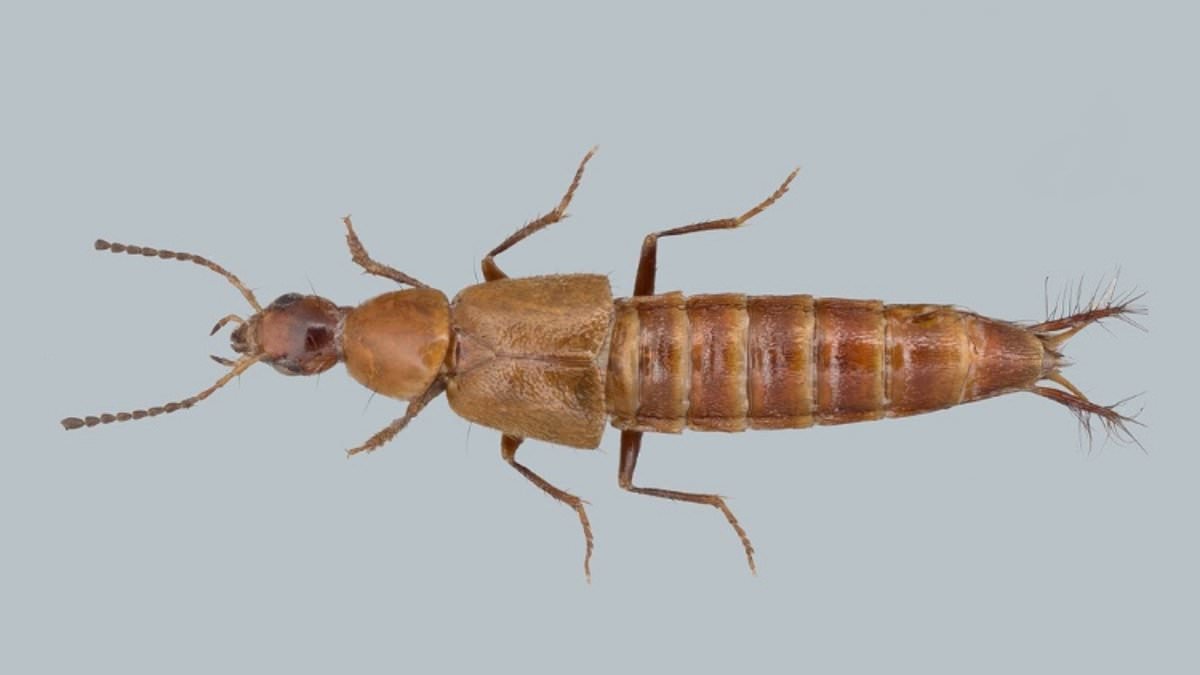
A newly discovered beetle, Austrospirachtha carrijoi, has evolved a remarkable mimicry strategy to trick termites into feeding it. The beetle grows a "puppet termite" on its back that closely resembles the termites' body segments and appendages. By begging for food from the termites, the beetle can live off termite room service once it infiltrates their nest. This mimicry is just one example of the rove beetles' mastery of mimicry, with some species even evolving to resemble army ants to feed on their eggs and young.
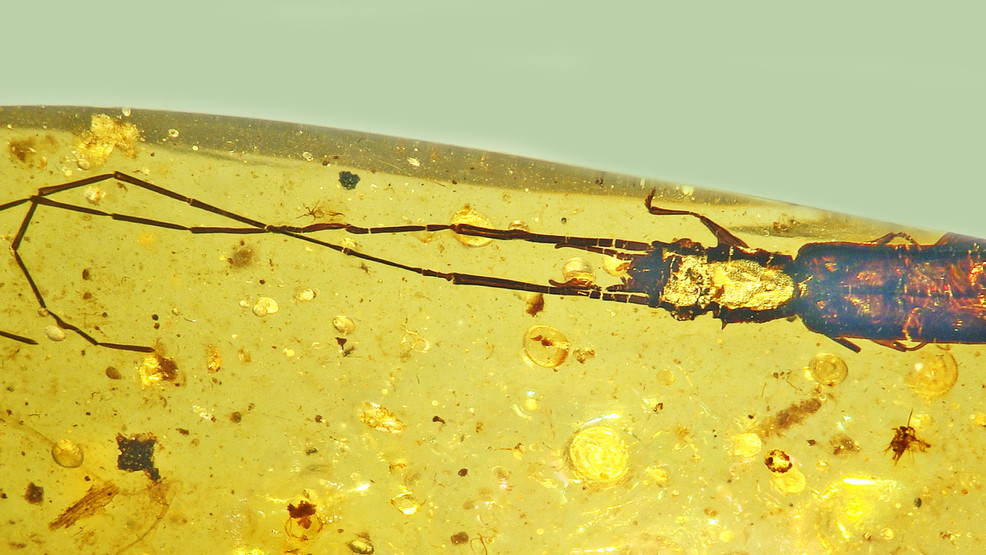
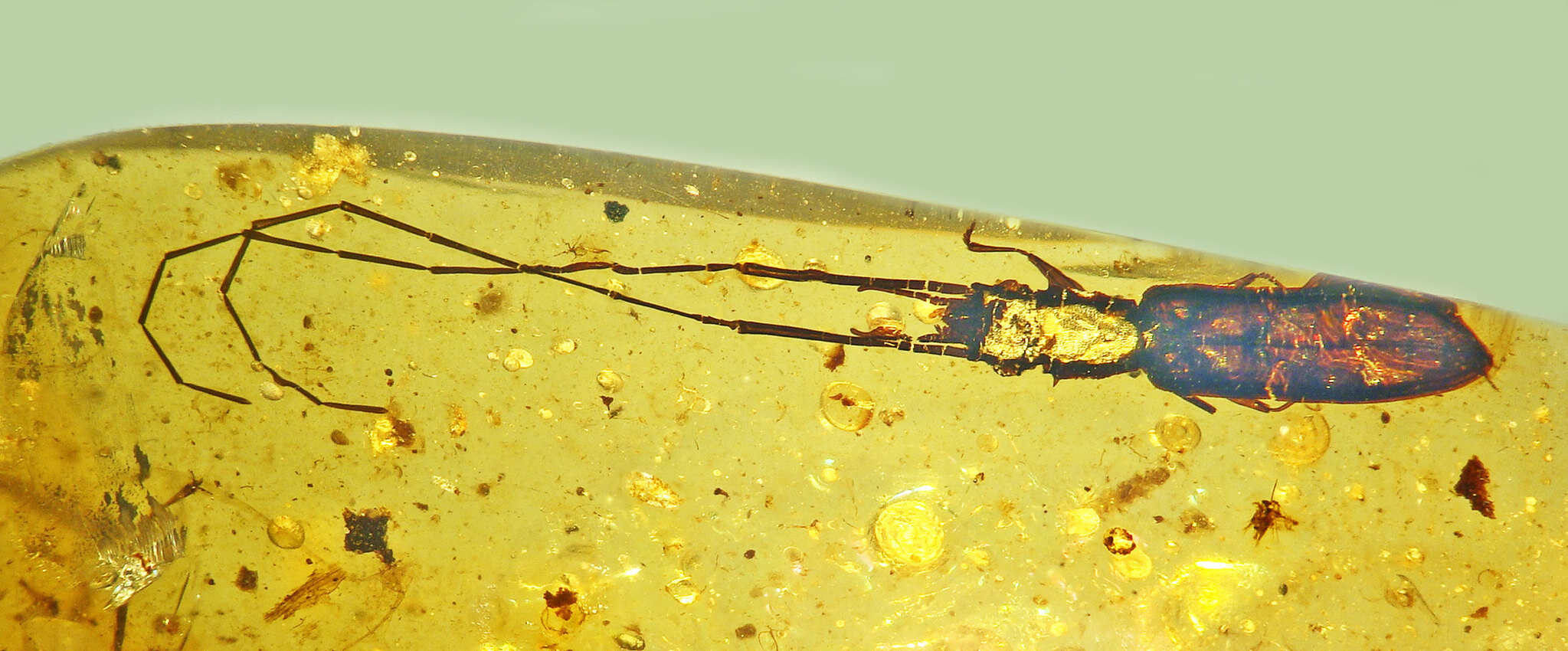
Researchers from Oregon State University have discovered a new species of beetle in Burmese amber. The beetle, named Protoliota paleus, has unusually long antennae measuring nearly 8 millimeters attached to a 2.3-millimeter body.
Scientists have discovered a new species of beetle from Burmese amber that used extra-long antennae to battle for mates during the time of dinosaurs. The beetle, named Protoliota paleus, had antennae nearly 8 millimeters long attached to a 2.3-millimeter body. The long antennae helped the male beetles find and fight over females, as well as shield the female during egg laying. This study provides insights into the behavioral patterns of ancient insects based on their physical features.
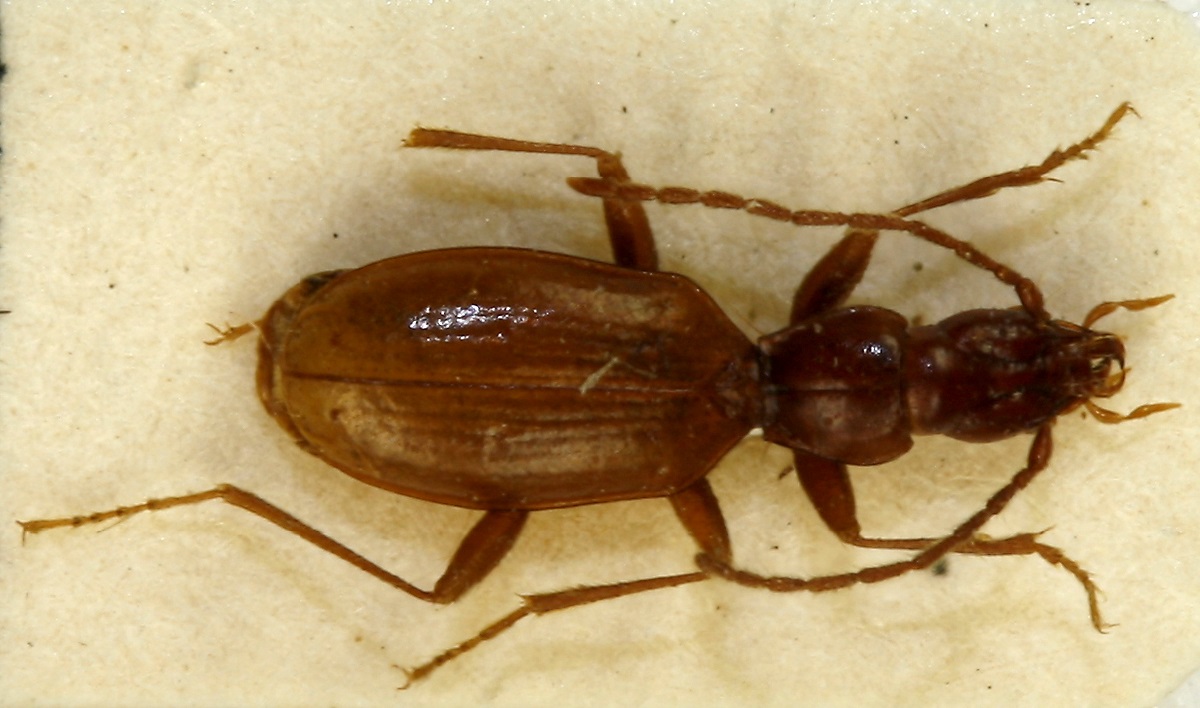
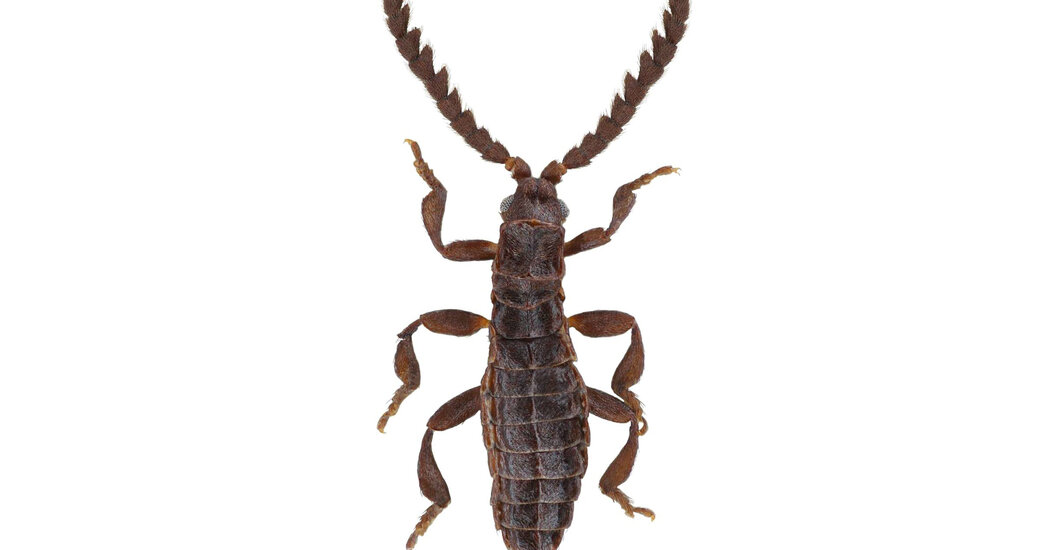
Scientists have discovered a previously unknown species of beetle, Xenomorphon baranowskii, that is missing its forewing casing known as the elytra. This wingless beetle, found in Oaxaca, Mexico, is an evolutionary mystery as all known beetle species have some form of elytra. The researchers speculate that the loss of wings could be a protective measure against strong winds at high elevations. The beetle's winglessness also resembles a phenomenon called paedomorphosis, where adult females retain juvenile features and sometimes lose their wings. This extreme example of paedomorphosis in a male beetle challenges previous understanding and suggests that losing wings could allow the species to occupy a specialized niche. However, little is known about this beetle, and further research is needed to understand its DNA, life history, and female counterparts.