Tag

Health Impacts

All articles tagged with #health impacts

environment1 month ago

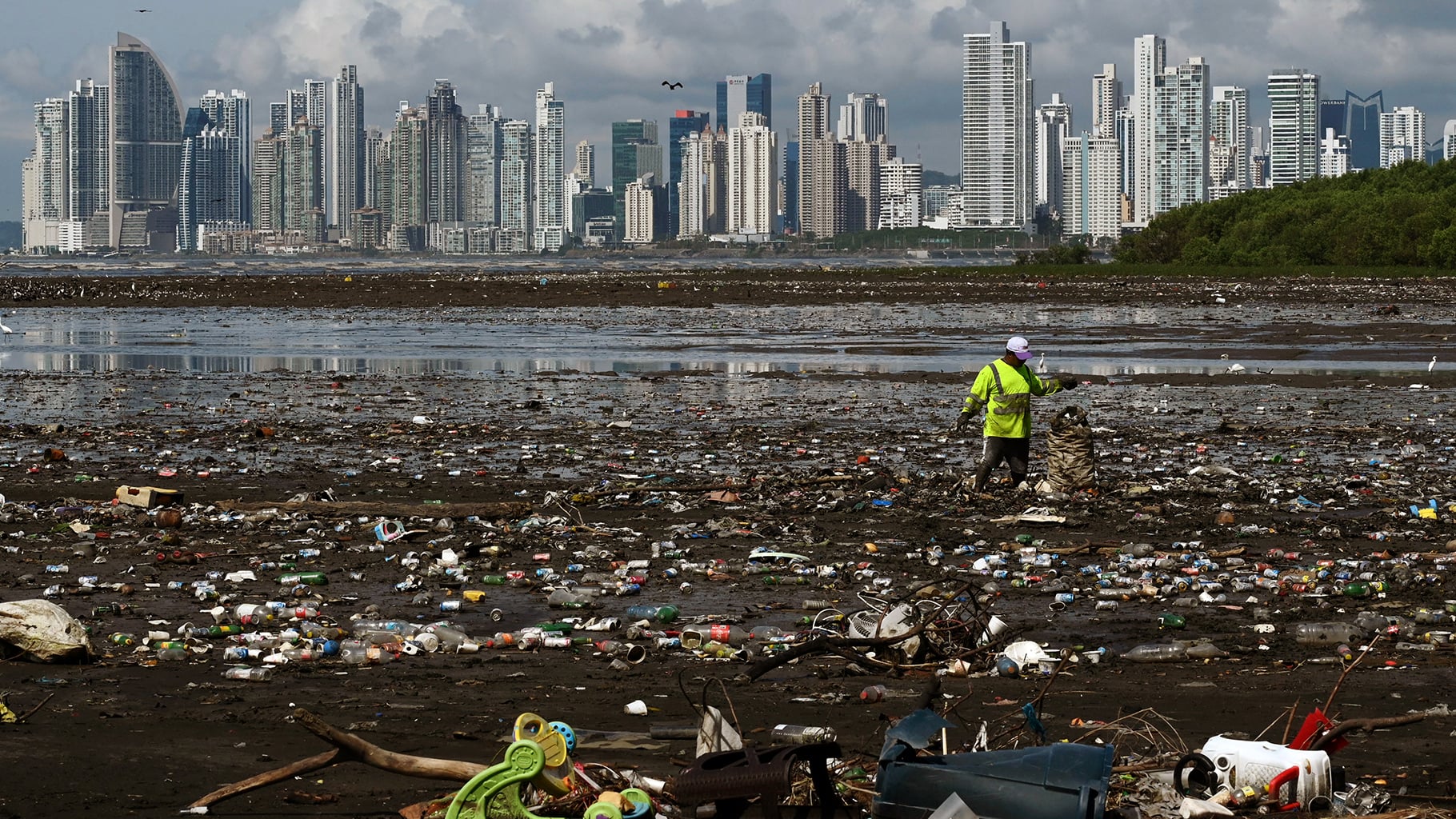
Addressing Plastic Pollution: Strategies, Climate Impact, and Future Risks

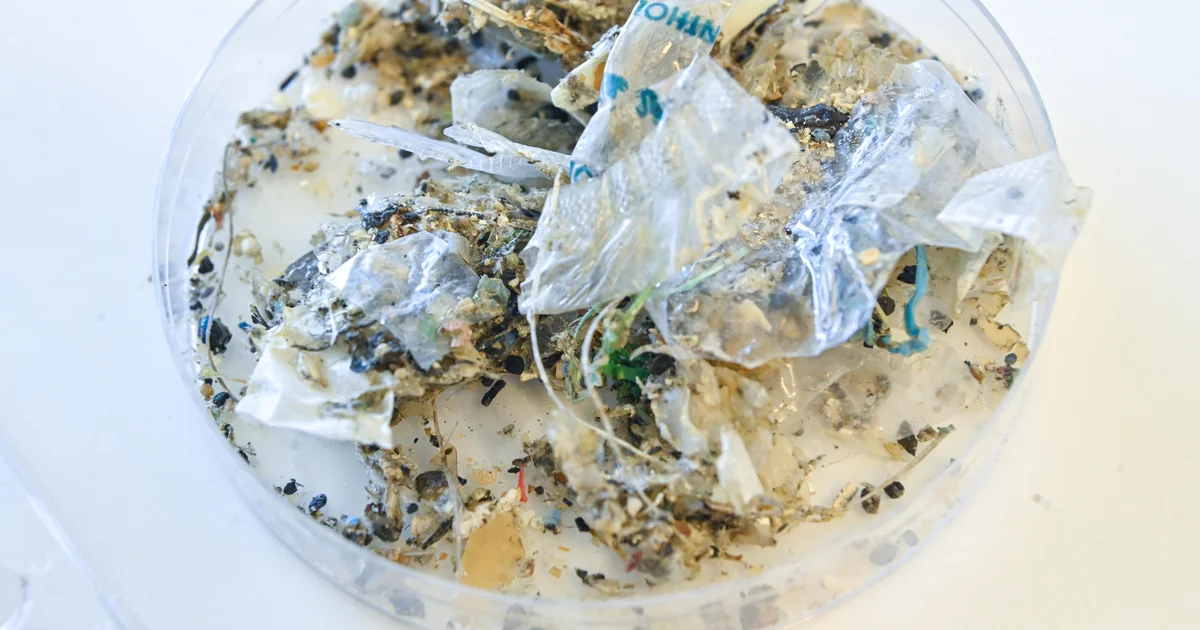
The report updates on plastic pollution, highlighting that without urgent global action, plastic entering the environment will nearly double by 2040, causing severe health, environmental, and climate impacts. It emphasizes the need for transformative policies to reduce plastic production, improve waste management, and shift towards a circular economy to mitigate these risks and create economic opportunities.

health2 months ago

Daylight Saving Time: Impact on Health, Productivity, and Sleep Cycles

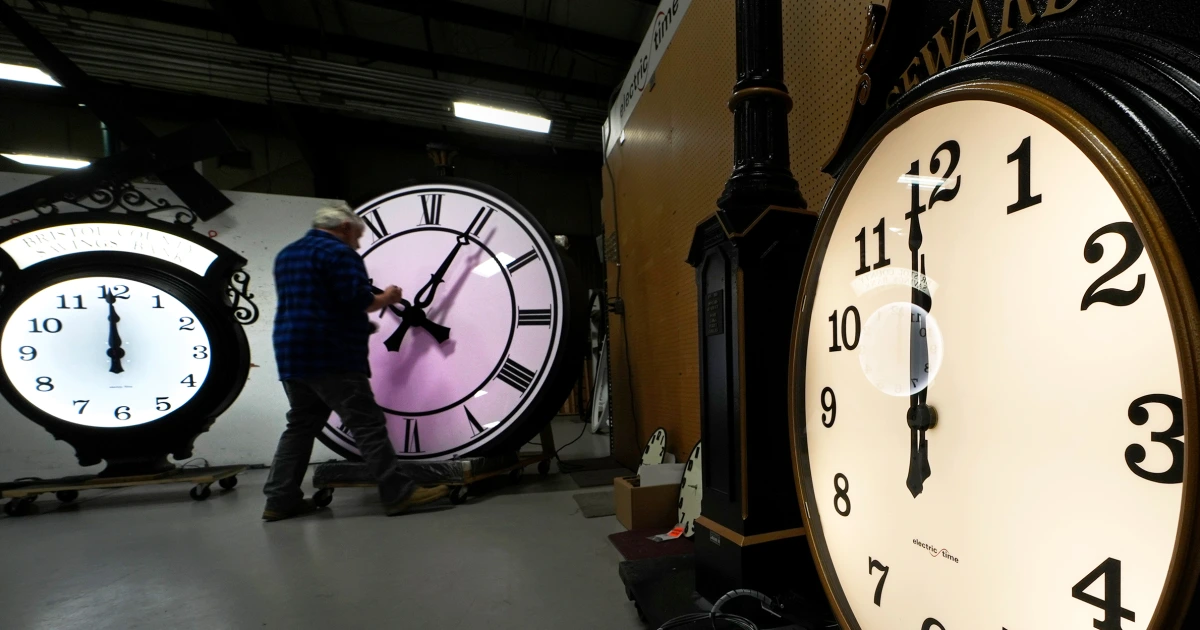
Changing clocks for daylight saving time can negatively affect health, increasing risks of heart attacks, strokes, mood disorders, and traffic accidents, especially when clocks are moved forward in spring, due to disruption of circadian rhythms and sleep patterns. The autumn shift appears less harmful, but still has some risks. Overall, the health benefits of DST are questionable, and some experts suggest eliminating it altogether.

environment4 months ago

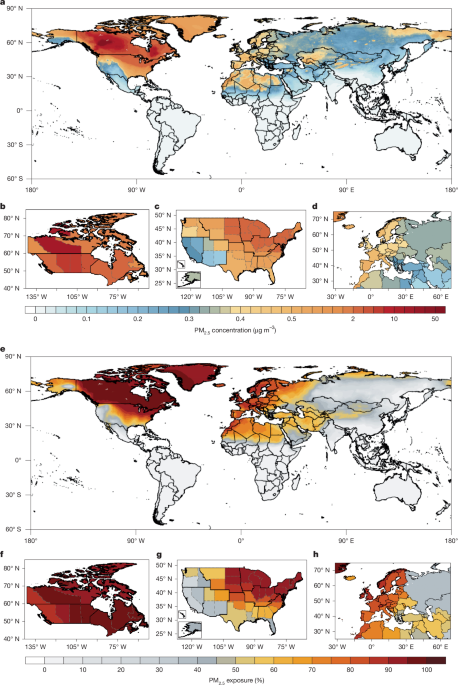
Global Health Impact of 2023 Canadian Wildfires and Smoke

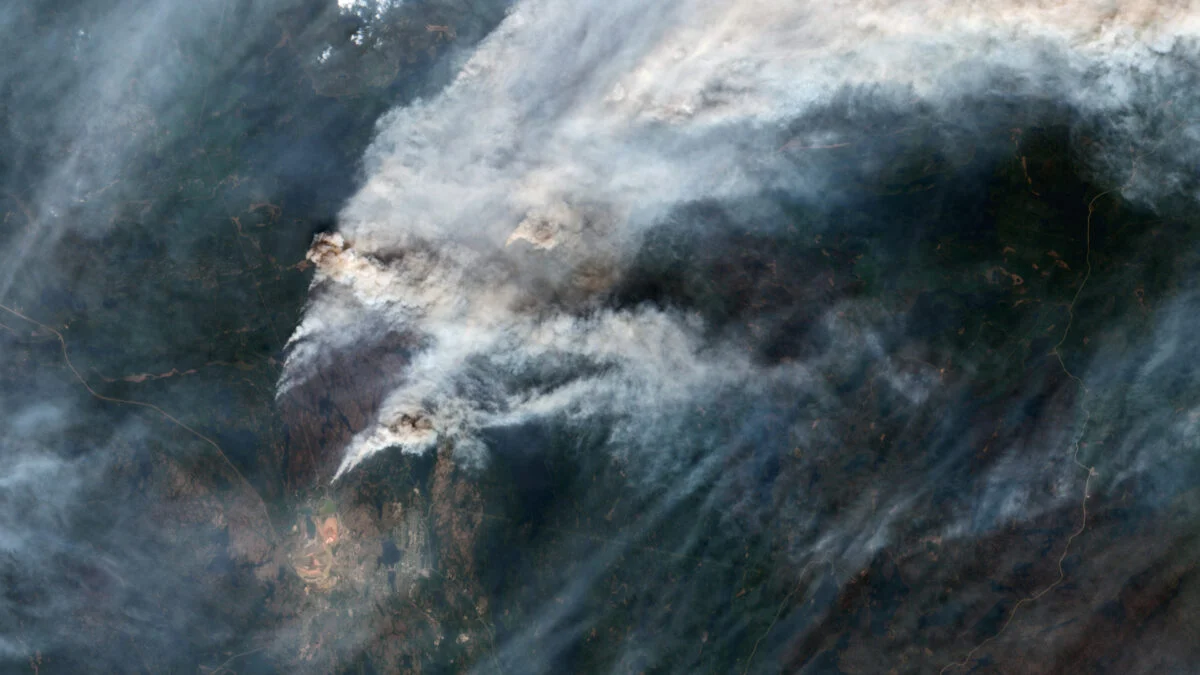
The 2023 Canadian wildfires burned a record amount of forest, significantly increasing PM2.5 pollution globally, affecting air quality and causing an estimated 5,400 acute and 82,100 chronic deaths worldwide, with impacts reaching North America, Europe, and beyond, highlighting the extensive health and environmental consequences of large-scale wildfires.

environment1 year ago

AI's Role in Tackling Air Pollution Costs

A study by researchers from UC Riverside and Caltech highlights the significant air pollution and health impacts associated with AI-related electricity consumption, predicting that by 2030, AI could cause 1,300 additional premature deaths annually in the U.S. due to increased emissions from data centers and diesel generators. The study estimates AI's public-health costs could reach $20 billion, with emissions potentially rivaling those from California's cars. The researchers call for greater transparency from tech companies regarding the air-pollution impacts of their AI operations.

lifestyle1 year ago

Prepare for Daylight Saving Time's End: Tips and Timing

Daylight saving time ends on November 3, with clocks set back an hour, marking the transition to standard time in the U.S. This practice, aimed at extending daylight during summer, has been in place since 1918 but remains controversial. While some states and countries do not observe it, efforts to make daylight saving time permanent, like the Sunshine Protection Act, have stalled in Congress. Health experts express concerns about permanent daylight saving time due to potential misalignment with solar time, which could impact sleep and health.

weather1 year ago

"India's Record Heat Wave: Impacts and Insights for Rochester"

A severe heat wave in India has led to record-breaking temperatures, with parts of Delhi reaching 120 degrees Fahrenheit. Rochester, insulated by its location and cooler northern air, experiences milder heat waves. Extreme heat, caused by stagnant high-pressure systems, poses significant health risks, especially for vulnerable populations. Climate change may exacerbate these conditions, with regions like India potentially seeing higher temperature increases than the global average.

environment1 year ago

"National Regulations Set to Limit 'Forever Chemicals' in Drinking Water, EPA Announces"

The EPA has announced the first national regulation limiting the amount of PFAS, or "forever chemicals," in drinking water, requiring public water utilities to test for six different types of PFAS chemicals to reduce exposure. The new standards aim to reduce PFAS exposure for 100 million people and prevent thousands of deaths and illnesses, with $1 billion available to states and territories for PFAS testing and treatment. While critics argue that the regulation doesn't go far enough, the EPA estimates that 6-10% of public water utility systems may need to act to comply with the regulations, with operators having three years to test for PFAS pollution and an additional two years to install necessary treatment technology.