The article reveals how the spread of highly pathogenic avian influenza (H5N1) among US dairy cattle and poultry, facilitated by industrial farming practices and lack of government oversight, poses significant health risks to animals and humans, highlighting the broader dangers of the consolidated, profit-driven food industry and advocating for systemic reforms.
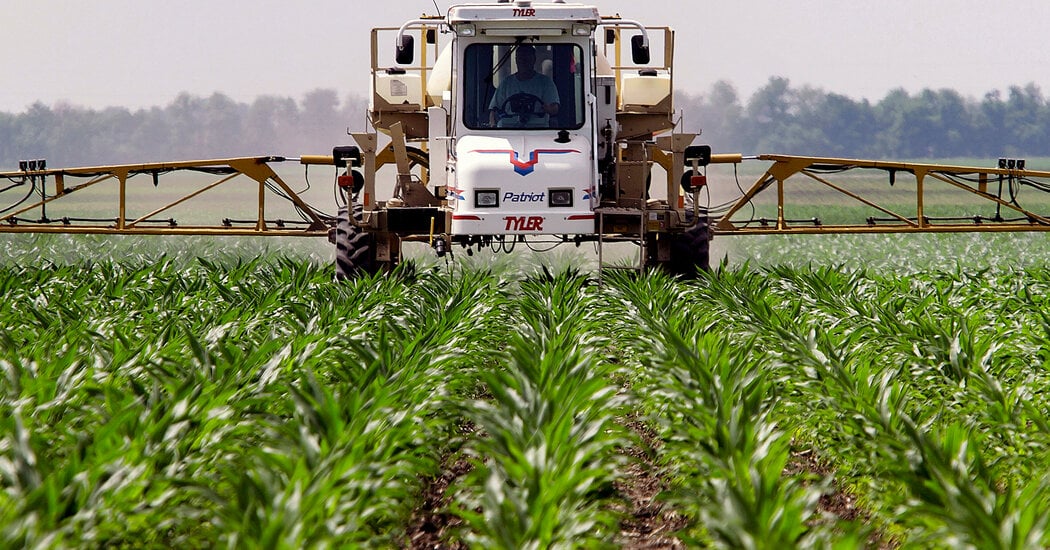
A landmark 2000 study claiming glyphosate in Roundup was safe has been retracted due to ethical concerns and industry influence, renewing fears about the herbicide's carcinogenic potential and prompting calls for regulatory reassessment by the EPA.
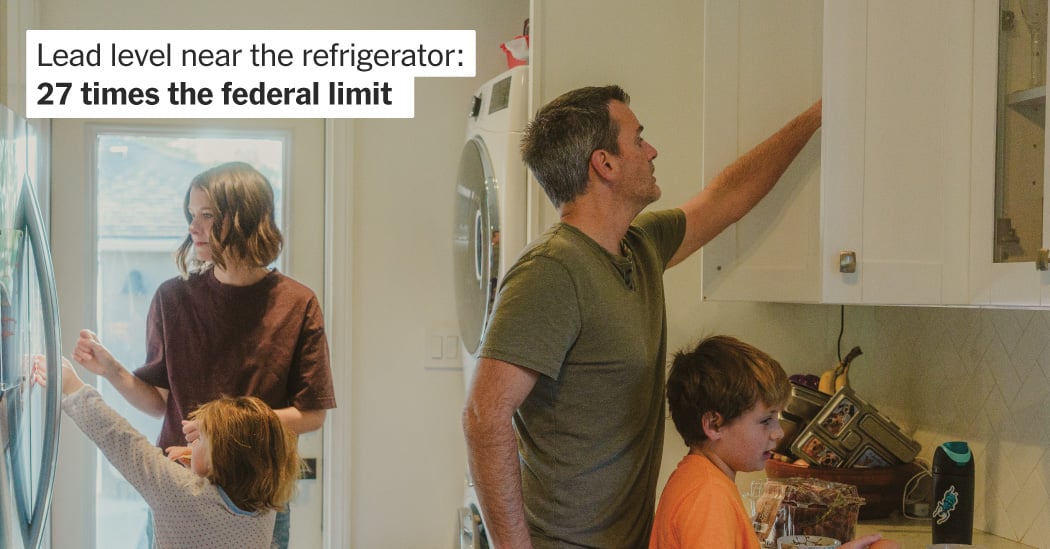
Tests revealed dangerous neurotoxins, including high levels of lead, in the homes of wildfire-affected families like the Van Nesses, despite insurer claims of safety after surface-level cleanups. Experts criticize insurance industry practices for relying on outdated or incomplete science, which may leave homes contaminated and residents at risk of health issues. The family’s experience highlights broader concerns about inadequate remediation standards and the potential health impacts of wildfire smoke toxins.
Finland is expanding a program that rewilds daycare yards to increase children's exposure to natural microbes, which has been shown to improve immune health and reduce disease risk, based on a 2021 study and ongoing nationwide research.
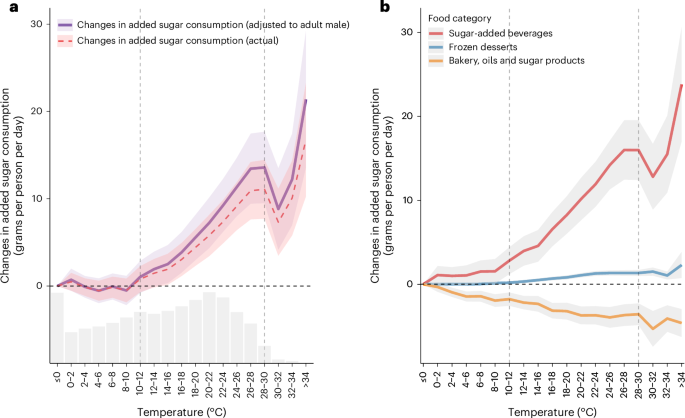
Rising temperatures in the USA disproportionately increase added sugar consumption, especially among disadvantaged groups, driven mainly by sugar-sweetened beverages and frozen desserts, with future climate scenarios projecting further increases that could exacerbate health disparities and related diseases.
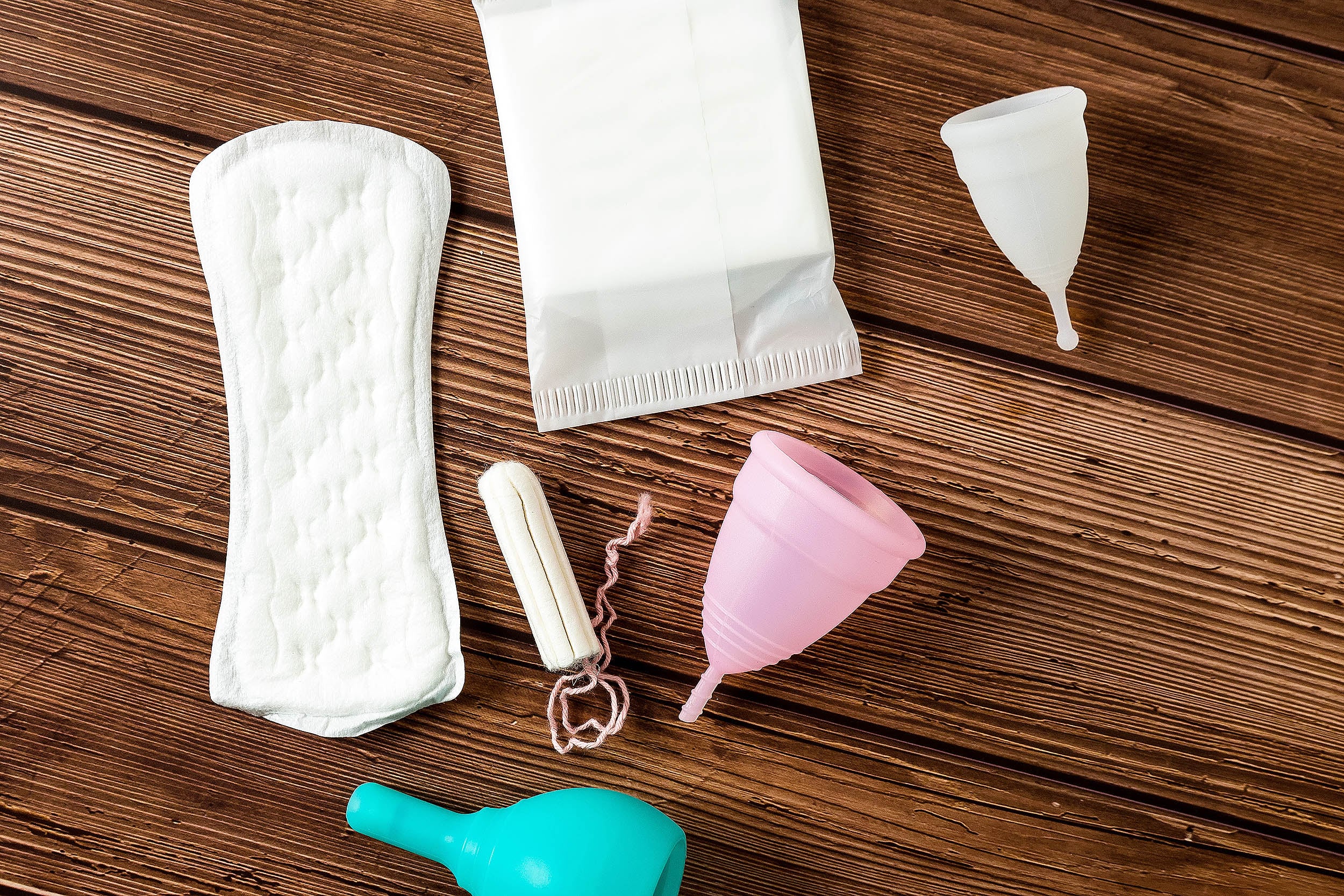
A study reveals that many reusable menstrual products contain toxic PFAS chemicals, which are linked to health risks and environmental contamination, but some products can be manufactured without these chemicals, highlighting the importance of informed consumer choices and better manufacturing practices.
Many U.S. beaches are closed or under advisories due to high levels of fecal bacteria like E. coli and enterococci, which can cause illnesses. Contamination sources include runoff, sewage, and storms, especially during peak summer. Beachgoers are advised to check water conditions before swimming, avoid polluted waters, and be cautious after heavy rains to stay safe.
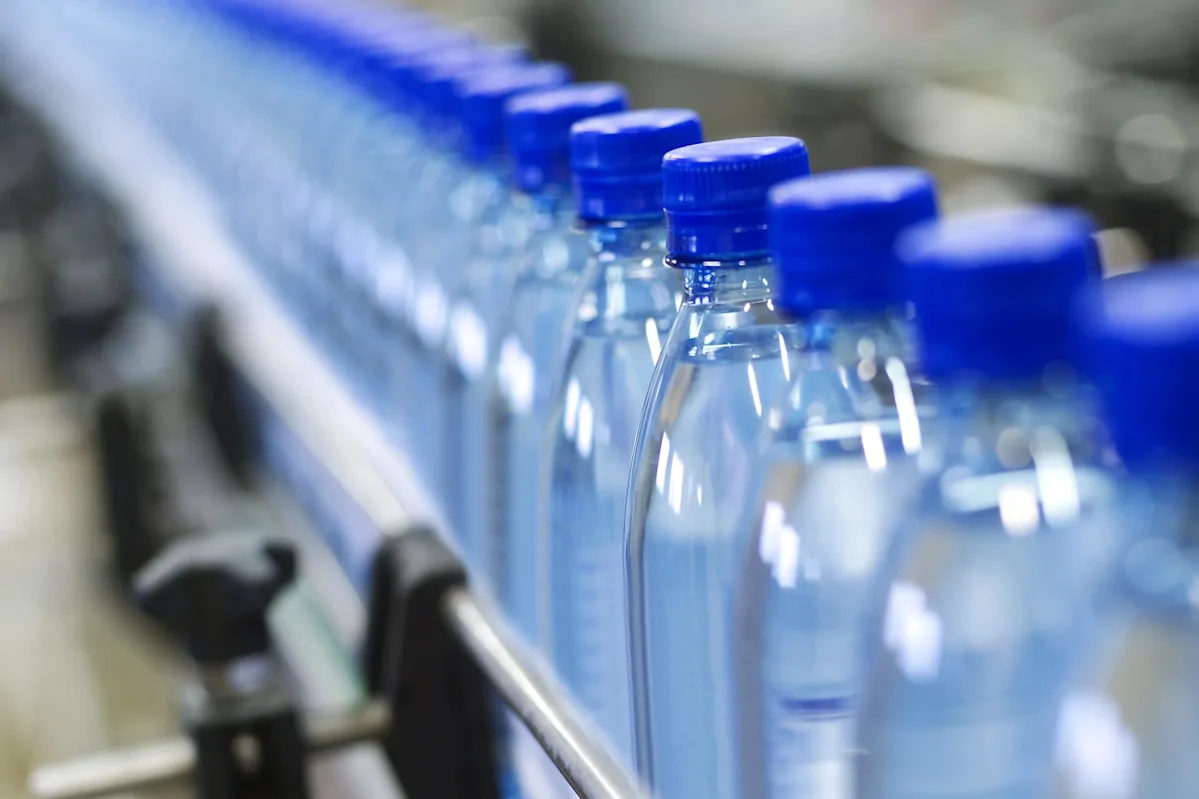
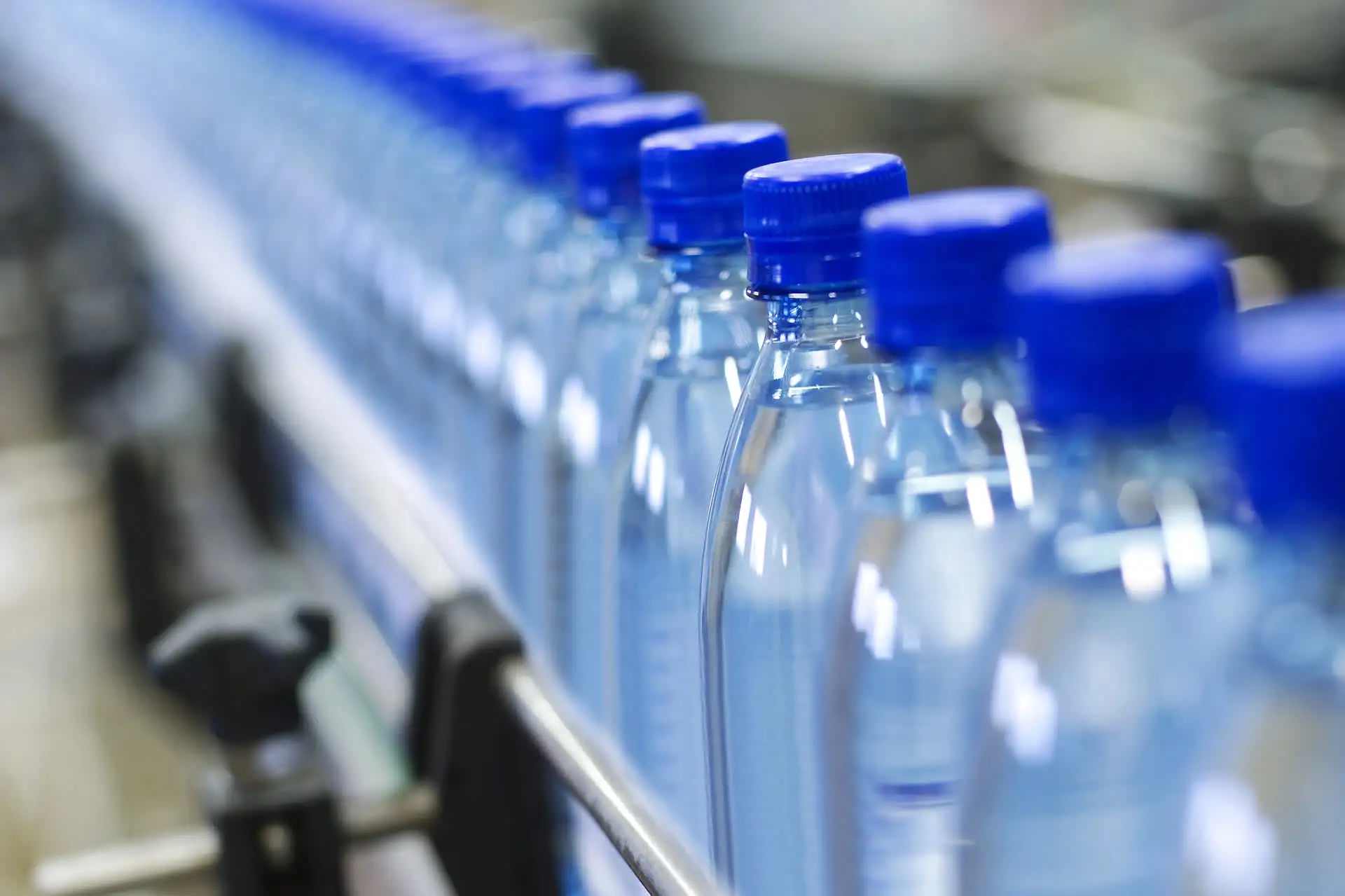
Experts warn East Texans about the health risks of microplastic particles from plastic water bottles, which can break down and release chemicals when exposed to high temperatures in hot cars, especially during a heatwave, potentially leading to health issues such as reproductive problems and cancer.
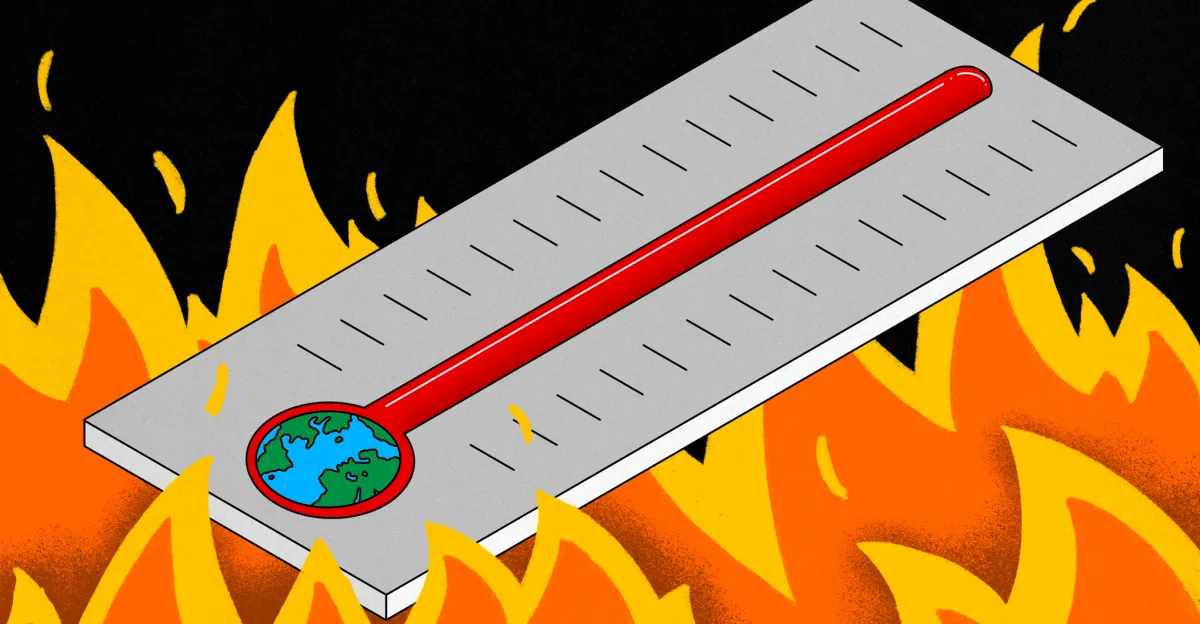
A new report by WHO and WMO warns that rising global temperatures are increasing heat stress risks for workers worldwide, affecting health and productivity, and calls for better protections, policies, and climate action to prevent severe health outcomes and economic impacts.
Experts warn that hot temperatures in East Texas can cause plastic water bottles to break down and release microplastics, which may pose health risks, emphasizing the importance of reducing plastic use during extreme heat.
Researchers warn of an invisible health threat from 'novel entities,' chemicals not found in nature, present in air, food, and water, which pose risks comparable to climate change. These substances, estimated at 100 million introduced by industry, are poorly monitored and can impact human health, especially reproductive health. Current testing methods are inadequate, and exposure has already caused significant health losses. Experts call for increased research, funding, and consumer demand for safer products to mitigate this hidden danger.
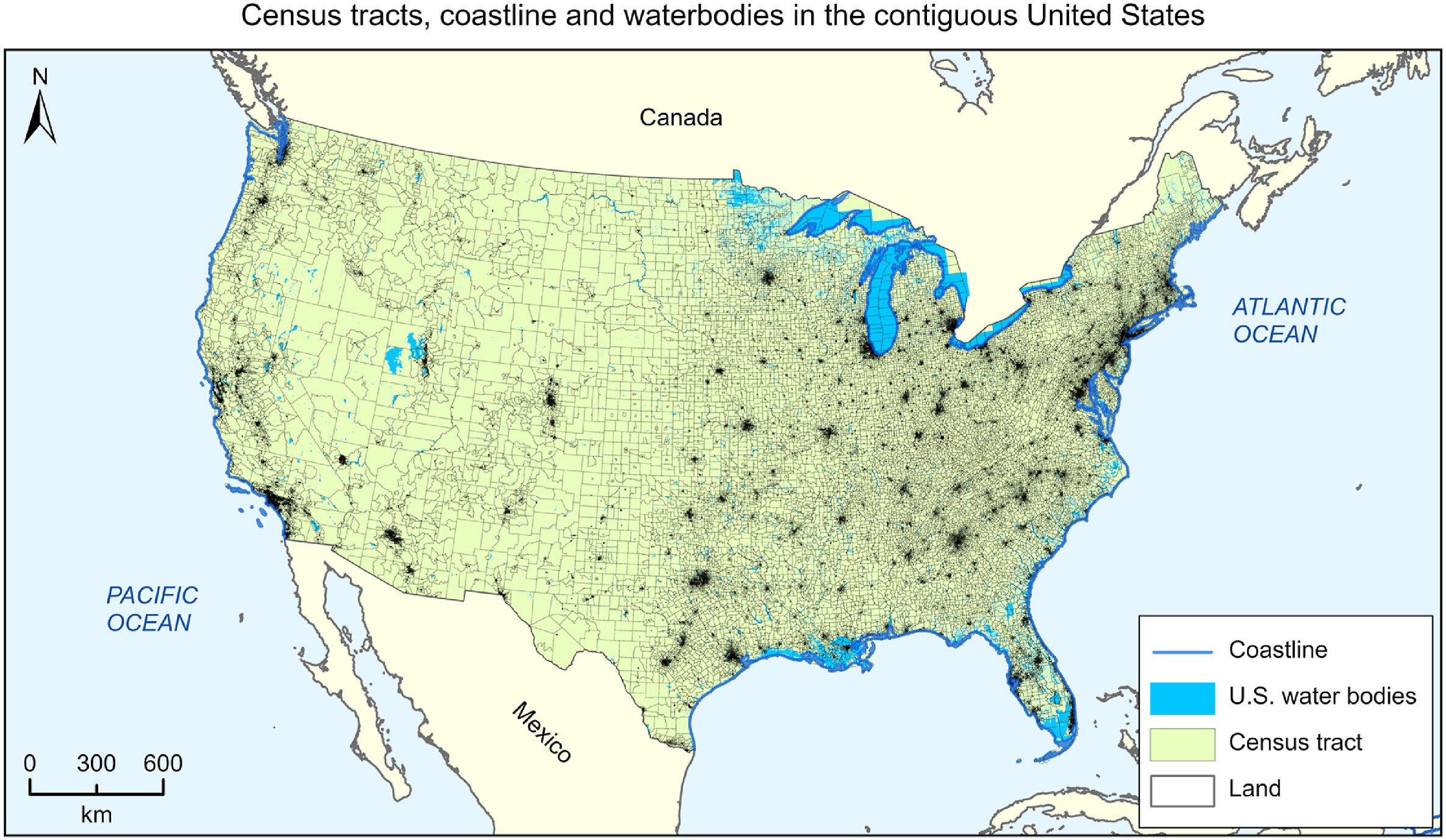
A study by Ohio State University found that living within 30 miles of the ocean is associated with longer life expectancy, likely due to factors like milder climate and better air quality, whereas living near inland water in urban areas may not offer the same benefits and could be linked to shorter lifespans due to pollution and other risks.
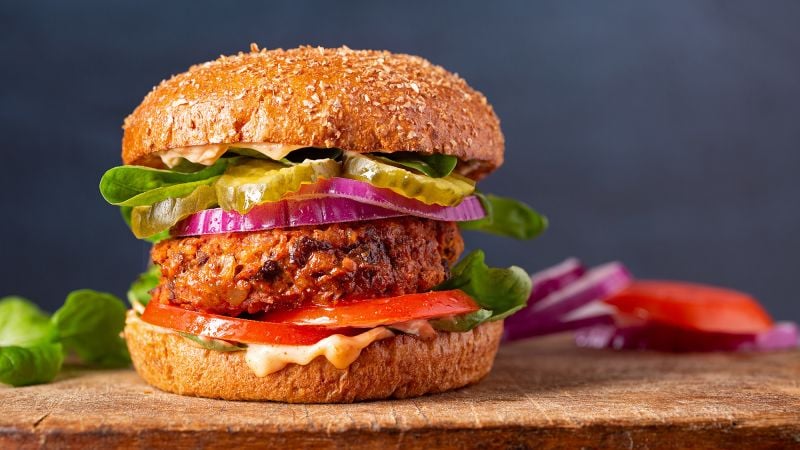
Experts suggest that carefully chosen plant-based meats, despite being ultraprocessed, can be beneficial for health and the planet by reducing greenhouse gases and land use, though concerns about high salt and saturated fat levels remain. Improvements in formulation and labeling are ongoing, and consumers are advised to read nutrition labels and consider cost and health impacts when choosing these alternatives.
A recent study reveals that micro- and nanoplastics shed from food packaging and containers contaminate our food and drinks, with potential health risks due to chemical leaching and plastic particles entering the human body. The research highlights the need for systemic action to reduce plastic pollution and individual efforts to minimize exposure.
Mosquitoes, the deadliest animals on Earth, are expected to thrive in Maine this summer due to wetter and warmer conditions, increasing the risk of transmitting deadly diseases like West Nile Virus and Dengue.