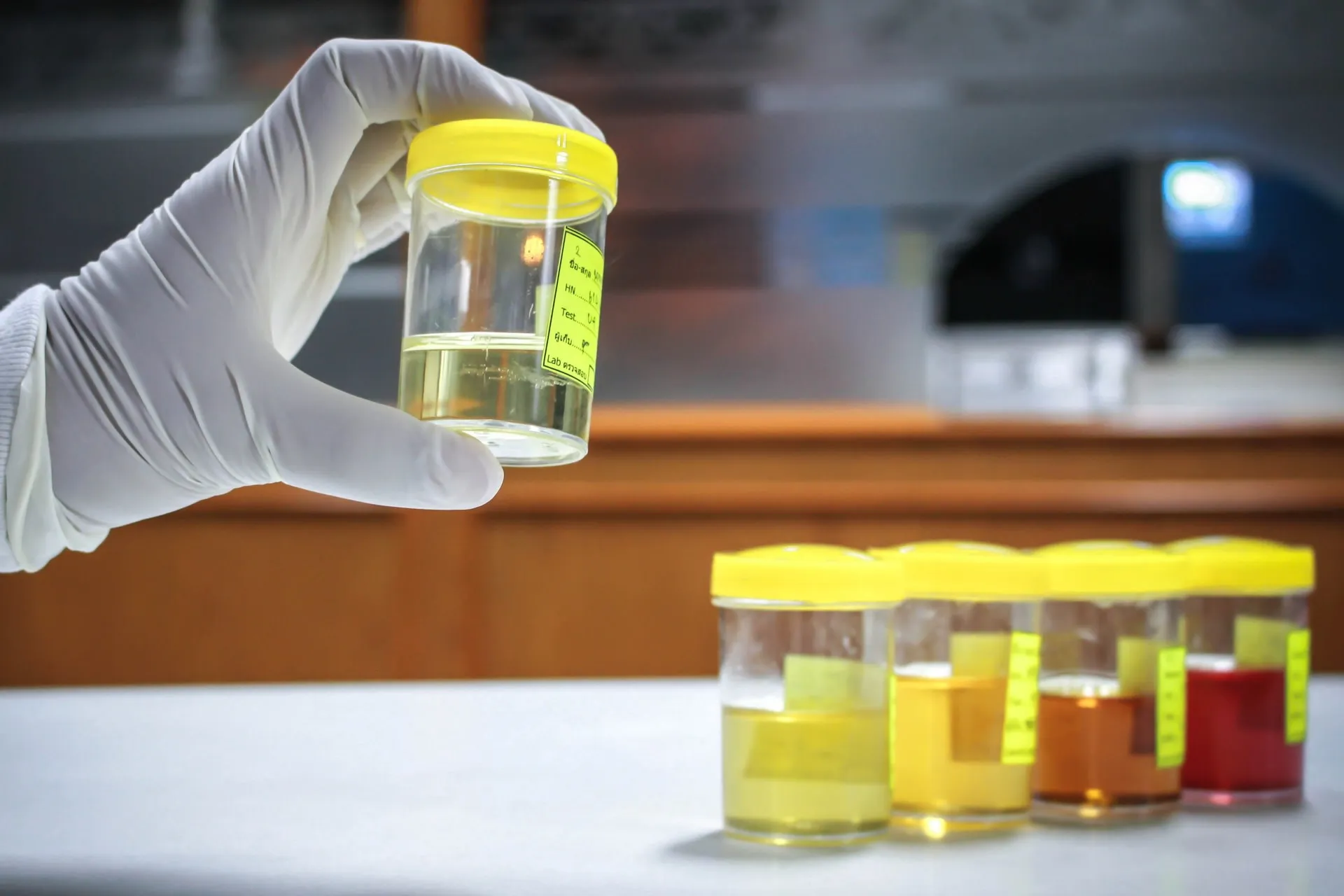
Researchers found tire-derived chemicals, including 6PPD and its toxic byproduct 6PPD-quinone, in the urine of people across South China, raising concerns about human exposure to pollution from tire particles and the need to classify these chemicals as a distinct pollution category due to their potential health risks.
The luxury effect describes how wealthier urban areas tend to have higher biodiversity, including plants, animals, and indoor arthropods, which can positively impact human health by increasing exposure to microbial ecosystems. This pattern, observed in various cities worldwide, highlights social and environmental inequalities and suggests that preserving biodiversity in urban settings could help address health disparities and ecological challenges.
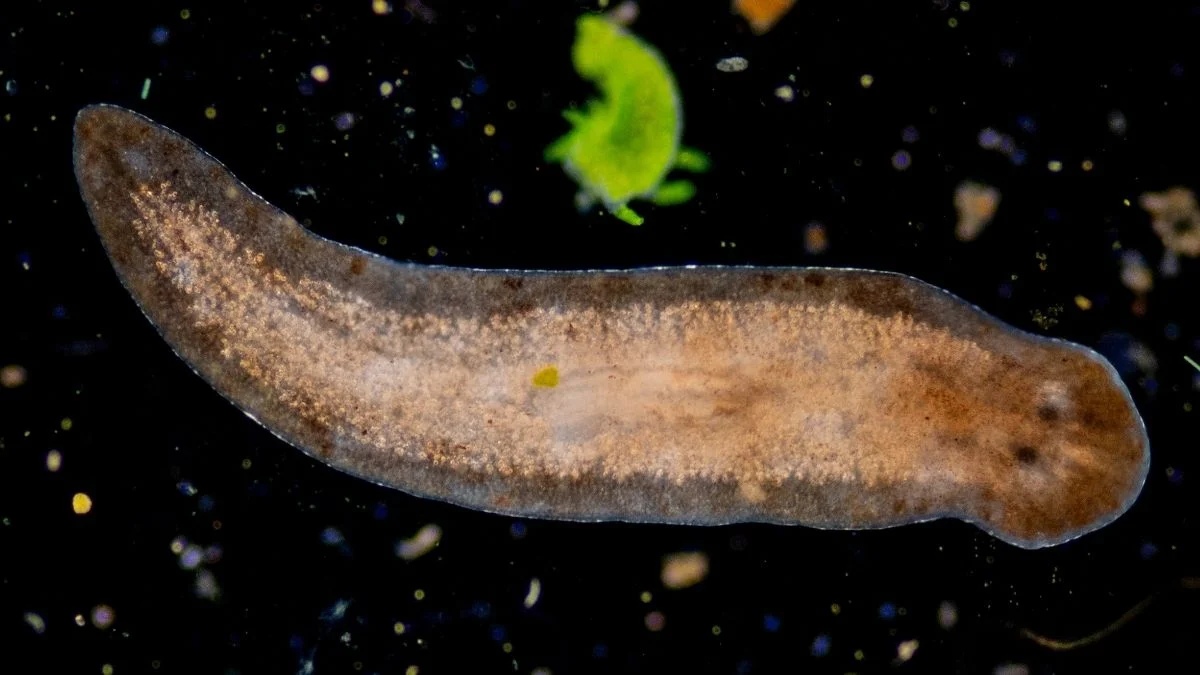
Research on planarian flatworms reveals that their highly abundant and independent stem cells can regenerate entire bodies without relying on traditional niches, offering insights that could advance human regenerative medicine and cancer understanding.
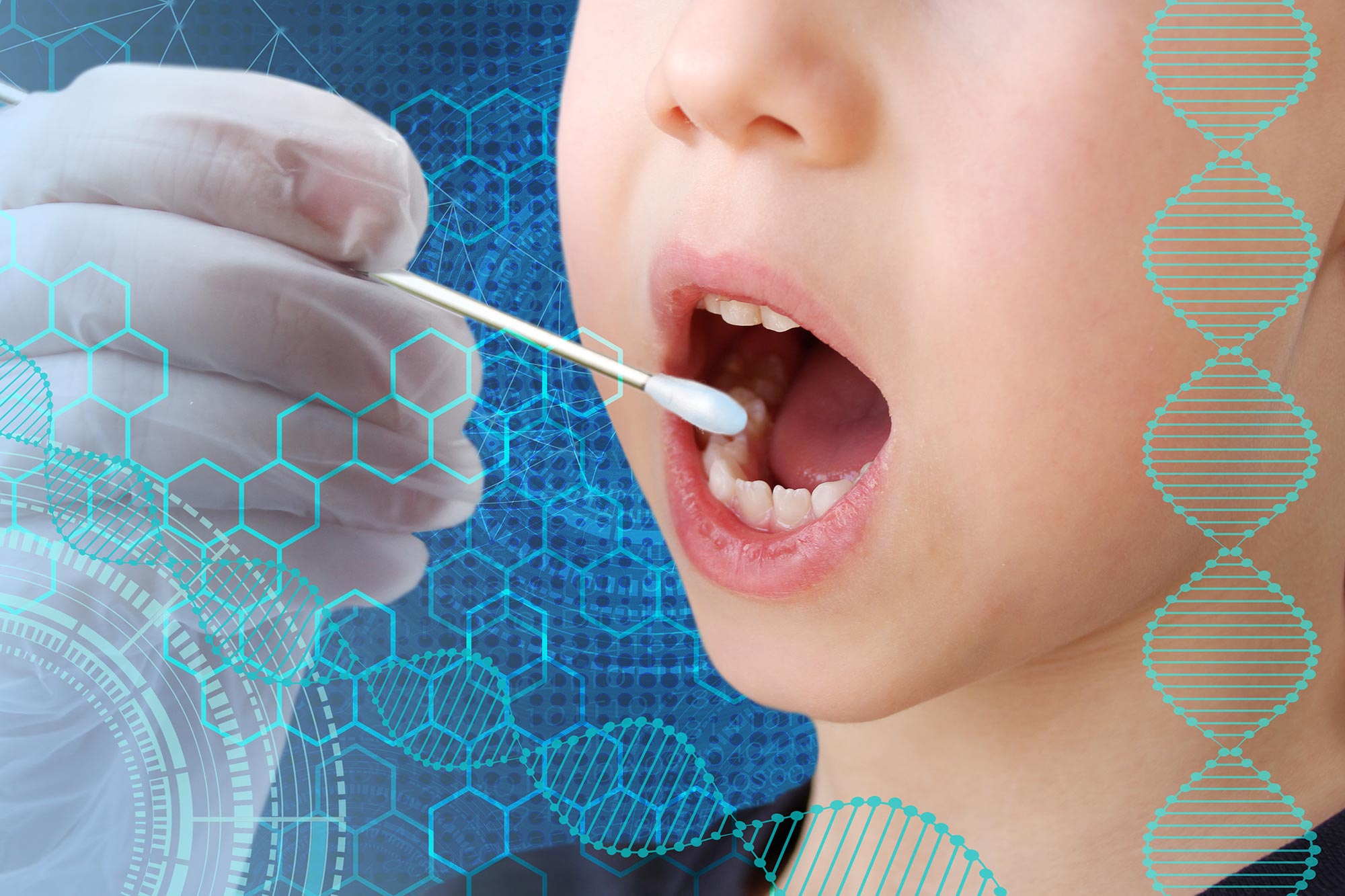
Scientists have discovered large, mysterious DNA segments called 'inocles' in the human mouth's microbiome, which may influence the immune system and could serve as biomarkers for diseases like cancer. These giant extrachromosomal elements were identified using advanced long-read DNA sequencing, revealing new insights into the complex relationship between oral bacteria and human health.
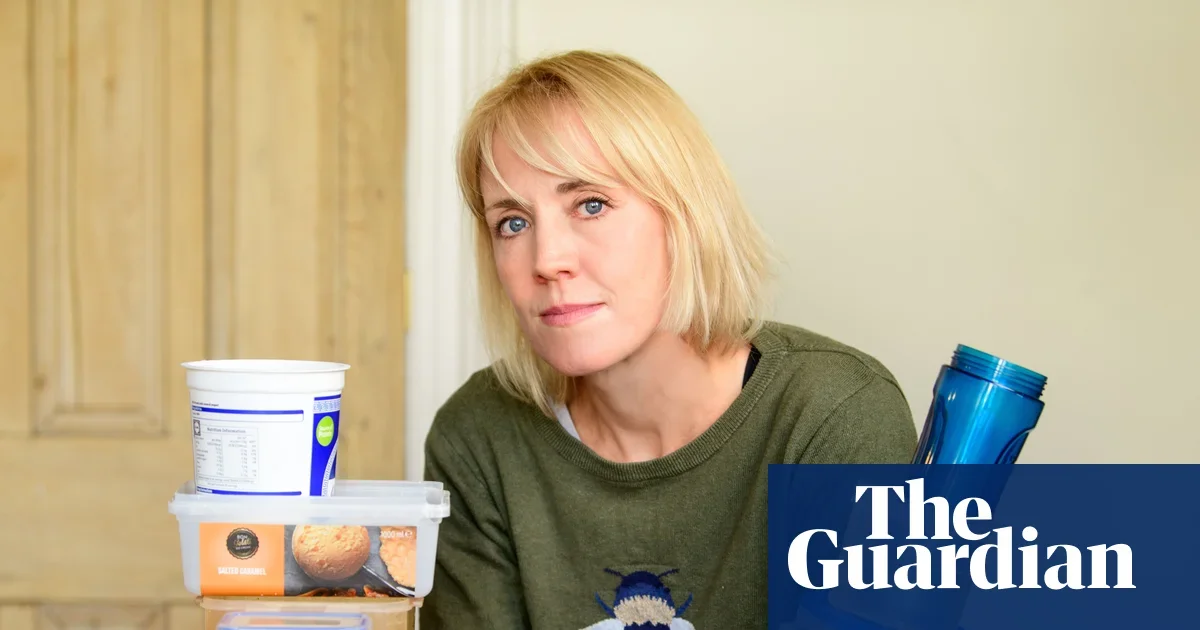
Microplastics are found throughout the human body, including blood, organs, and the brain, raising concerns about their potential health impacts, such as affecting the microbiome and brain function. While research is still in early stages, reducing exposure by avoiding heat with plastics, choosing natural fibers, and being mindful of personal care products is recommended. The long-term effects remain uncertain, but minimizing contact with microplastics is considered a prudent precaution.
The Atlas blue butterfly has the highest number of chromosomes ever recorded in an animal, with 229 pairs, resulting from chromosomes splitting into smaller sections over three million years. This discovery provides insights into evolution, adaptation, and potential implications for human cancer research, as chromosomal rearrangements are also seen in cancer cells.
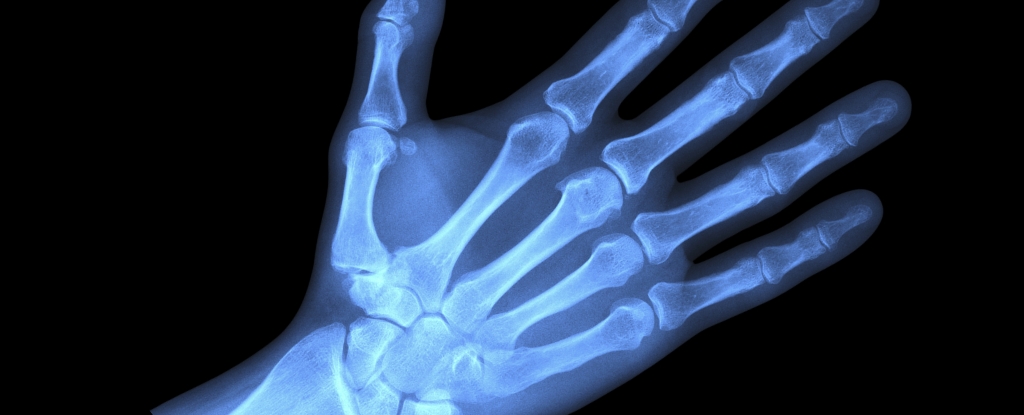
Microplastics have been found deep within human bones, potentially affecting skeletal health by disrupting bone cell function and growth, which may contribute to conditions like osteoporosis. The study highlights the widespread presence of microplastics in our bodies and the need for further research and measures to reduce exposure.
NASA's Artemis 2 mission will serve as a platform for studying the effects of deep space on human health, with astronauts acting as subjects for experiments on sleep, stress, immune response, and radiation, while also testing innovative biomedical technologies like organ-on-a-chip devices, to better understand and prepare for long-duration space travel beyond low Earth orbit.
Researchers in Japan have discovered large extrachromosomal DNA elements called Inocles in the human mouth, present in about 74% of people, which may influence oral health, immunity, and disease risk. These structures help bacteria adapt to the oral environment and could serve as markers for serious diseases like cancer.
NASA's Artemis II mission will serve as both a test flight and a scientific research platform, with astronauts acting as subjects to study the effects of deep space on human health, immune response, and performance, while also exploring the Moon and testing new technologies like organ-on-a-chip and radiation sensors to inform future lunar and Mars missions.
Researchers at the University of Tokyo discovered giant extrachromosomal DNA elements called Inocles in the human mouth, which may influence oral health, immunity, and disease risk, including cancer, by aiding bacterial adaptation in the oral microbiome.
Researchers study goose-beaked whales, the deepest-diving mammals, to understand their cellular and physiological adaptations to low oxygen environments, aiming to develop new treatments for human conditions like stroke and cancer by mimicking these natural mechanisms.
The article highlights the pervasive presence of man-made pollutants, including microplastics and various chemicals, in the environment and human bodies, emphasizing that these contaminants are virtually unavoidable and pose irreversible health risks.
Scientists have identified genes related to hibernation that humans also carry, suggesting potential for medical benefits such as improved metabolic regulation and neuroprotection by targeting these genes, although more research is needed to understand their effects and applications.
Microplastics are increasingly found inside the human body, including bones and organs, raising concerns about their potential health impacts such as inflammation, tissue damage, and links to diseases like dementia and cardiovascular issues. Recent studies and experiments aim to understand how these particles are absorbed, their effects on health, and how to mitigate exposure, but definitive conclusions and safety thresholds are still under investigation.