
health-environment2.385 min read
Children's ER Visits Drop Significantly After Local Facility Closure
5 months ago•Source: yahoo.com

The latest health environment stories, summarized by AI

A new medical study suggests that Chronic Wasting Disease (CWD), a deadly and highly contagious disease affecting deer, may have evolved to affect humans who consume tainted meat, with two hunter deaths in Wyoming possibly linked to the disease. While CWD has only been recently found in the northwest corner of Alabama, local hunters are concerned about its potential impact on the deer population and the hunting industry. More research is needed to definitively establish a link between CWD and human health risks.

SciTechDaily•1 year ago

A new study has found high levels of toxic 'forever chemicals' called PFAs in seafood, posing a potential risk of exposure to these substances for frequent seafood consumers. The chemicals, linked to cancer and other serious illnesses, have accumulated in soil, water, and wildlife, with shrimp and lobster showing the highest concentrations. The findings stress the need for more stringent public health guidelines on seafood consumption, especially for vulnerable populations, and highlight the importance of further research into the risks associated with PFAs in food.

A study by Dartmouth College researchers found dangerously high levels of cancer-causing PFAS in shrimp and lobster purchased in New Hampshire, raising concerns about seafood as a source of toxic "forever chemicals." PFAS, which take thousands of years to break down, are found in various products and have been linked to numerous health issues. The study highlights the need for stricter public health guidelines on safe seafood consumption to limit PFAS exposure.

Swapping red meat for forage fish like herring, sardines, and anchovies could potentially save 750,000 lives annually and reduce the prevalence of diet-related diseases, according to a study. Forage fish are nutritious, environmentally friendly, and abundant, offering a higher concentration of essential nutrients and a lower carbon footprint compared to red meat. The research suggests that adopting this dietary change could have substantial public health benefits, particularly in low- and middle-income countries, where these fish are readily available and heart disease rates are high.

Experts agree that seasonal allergies are worsening due to more people becoming allergic to airborne irritants like pollen and mold, more severe allergy symptoms, and longer allergy seasons, all attributed to climate change. Rising temperatures, increased rainfall, and shifting wind patterns are prolonging pollen seasons and making pollen more potent. Global sales of antihistamines are set to more than double over the next decade as more people seek relief. Allergists are seeing earlier and more severe spring allergies, and the number of different allergens people are sensitive to has doubled over the past 25 years. Immunotherapy may be necessary for those who find allergy medications ineffective.
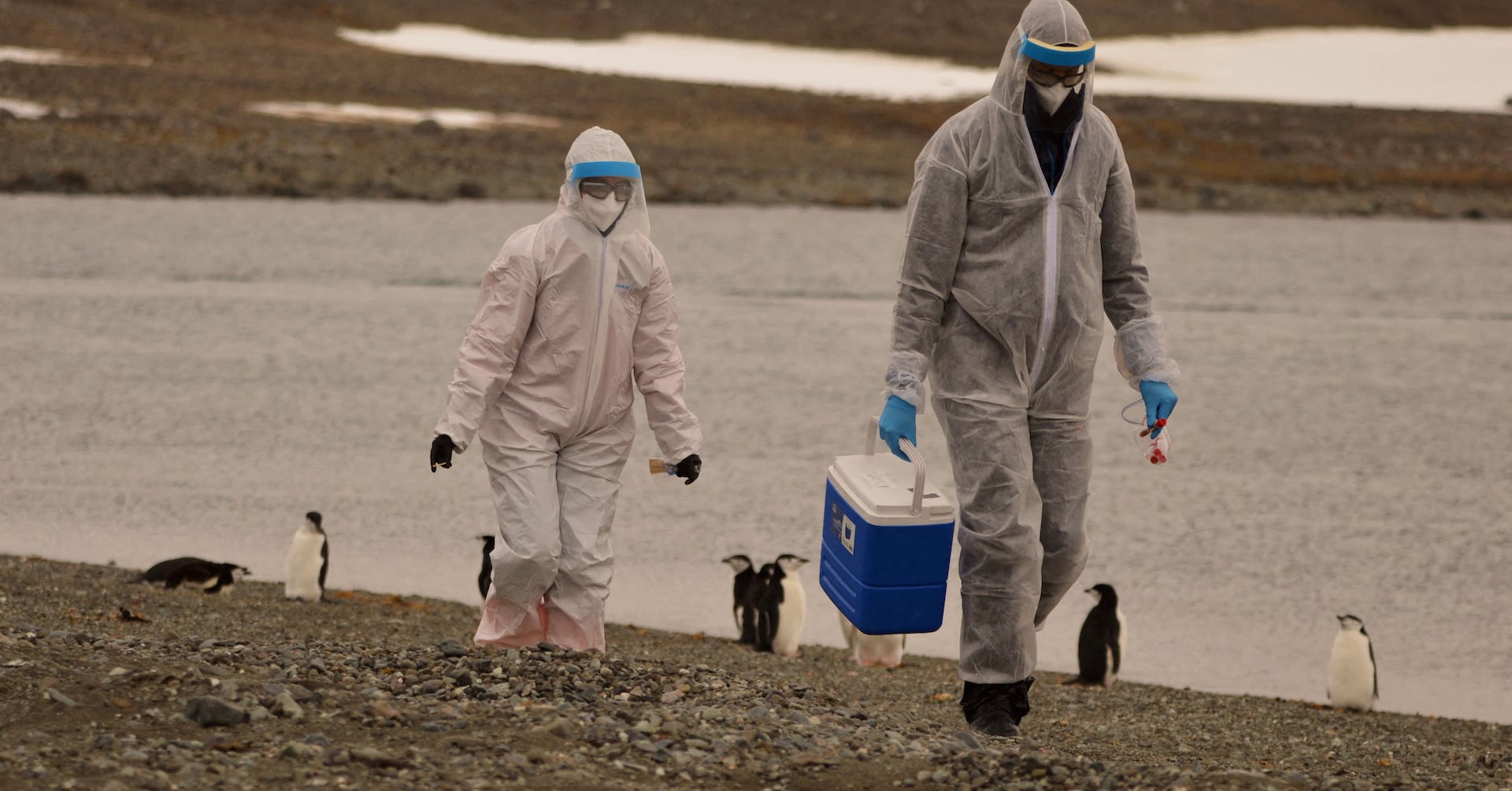
Researchers are investigating the deaths of hundreds, possibly thousands, of Adelie penguins in Antarctica, suspecting the H5N1 bird flu virus as the cause. The virus has spread aggressively in wildlife since arriving in South America in 2022 and has now been confirmed in Antarctica. Concerns are raised about the potential impact on threatened penguin species, particularly emperor penguins, already facing challenges due to climate change. Samples are being sent to labs for further testing, with scientists fearing the potential devastating effects on wildlife in the region.

Experts warn that as temperatures rise, pollen conditions are expected to worsen, leading to longer and more intense allergy seasons, particularly in the southern United States. Virginia Beach, Richmond, and Raleigh have been listed as some of the most challenging cities to manage seasonal pollen allergies, with high levels of pollen reported. Climate change is projected to increase pollen concentrations and extend pollen seasons, causing more people to suffer from allergies and other health effects.

A study has found that the average person ingests about 5 grams of plastic every week, equivalent to the size of a credit card, mainly through food and water. This alarming level of plastic consumption raises concerns about the potential health effects of microplastics in the human body and highlights the urgent need to address plastic pollution in the environment.
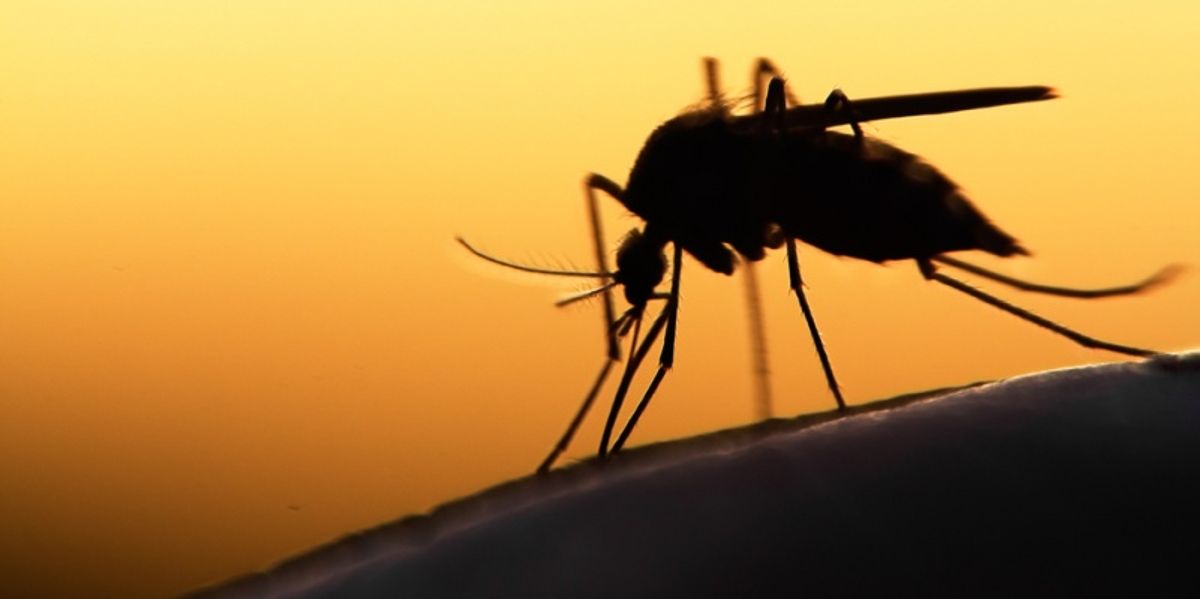
Puerto Rico has declared a public health emergency due to a 140 percent increase in dengue fever cases compared to last year, with 549 cases reported so far. Warmer temperatures and climate change are contributing to the spread of mosquito-borne illnesses globally. Factors such as El Niño, decaying infrastructure, and urban sprawl also exacerbate the situation. The disease, which can be severe and potentially deadly, has affected millions worldwide, with Brazil launching a public vaccination campaign. Governments are implementing various measures to control outbreaks, including public education, insecticide spraying, and deploying new technologies.

Researchers have found that common household chemicals, such as organophosphate flame retardants and quaternary ammonium compounds, can harm brain cells called oligodendrocytes, potentially linking them to neurological diseases like multiple sclerosis and autism. These chemicals are found in a wide range of household items, from furniture to personal-care products, and their impact on brain health necessitates further investigation. The study highlights the need for more scrutiny on the effects of these chemicals and the development of measures to minimize exposure to protect human health.
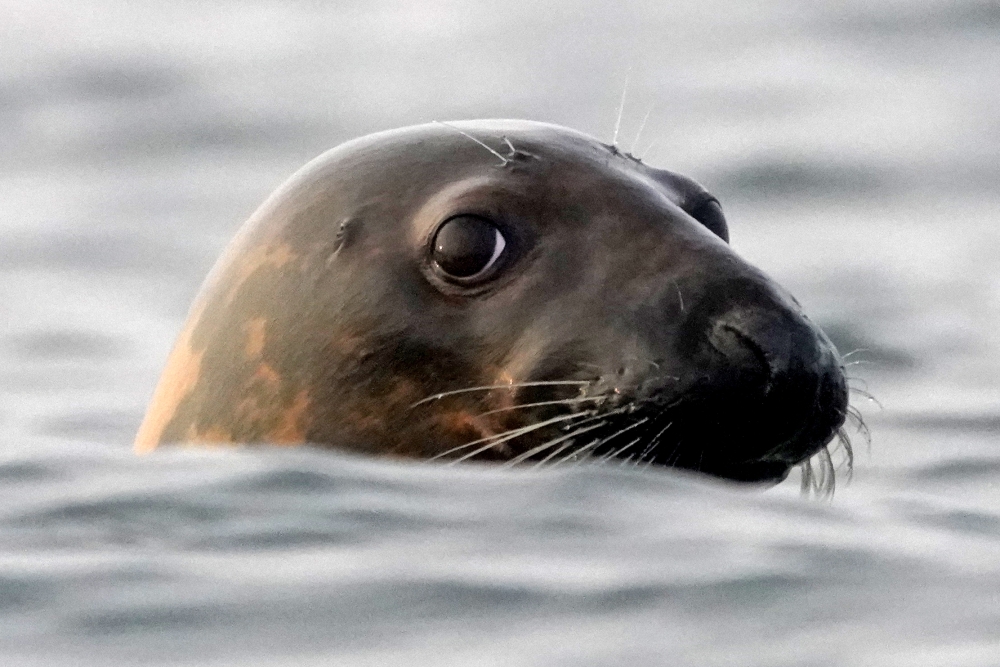
Avian influenza, or bird flu, is causing widespread deaths of seals and sea lions in regions from New England to Chile, with over 20,000 sea lions and thousands of elephant seals affected in South America. The virus, which has also been detected in mainland Antarctica, is believed to have spread to marine mammals through contact with infected seabirds. Scientists are concerned about the potential ecological crisis and the virus's impact on wildlife populations. There are also worries about the virus mutating and spreading to other species, including humans. Some scientists and environmental advocates suggest a possible link between the outbreaks and climate change, while efforts to vaccinate poultry and avoid contact with potentially infected animals are being emphasized.