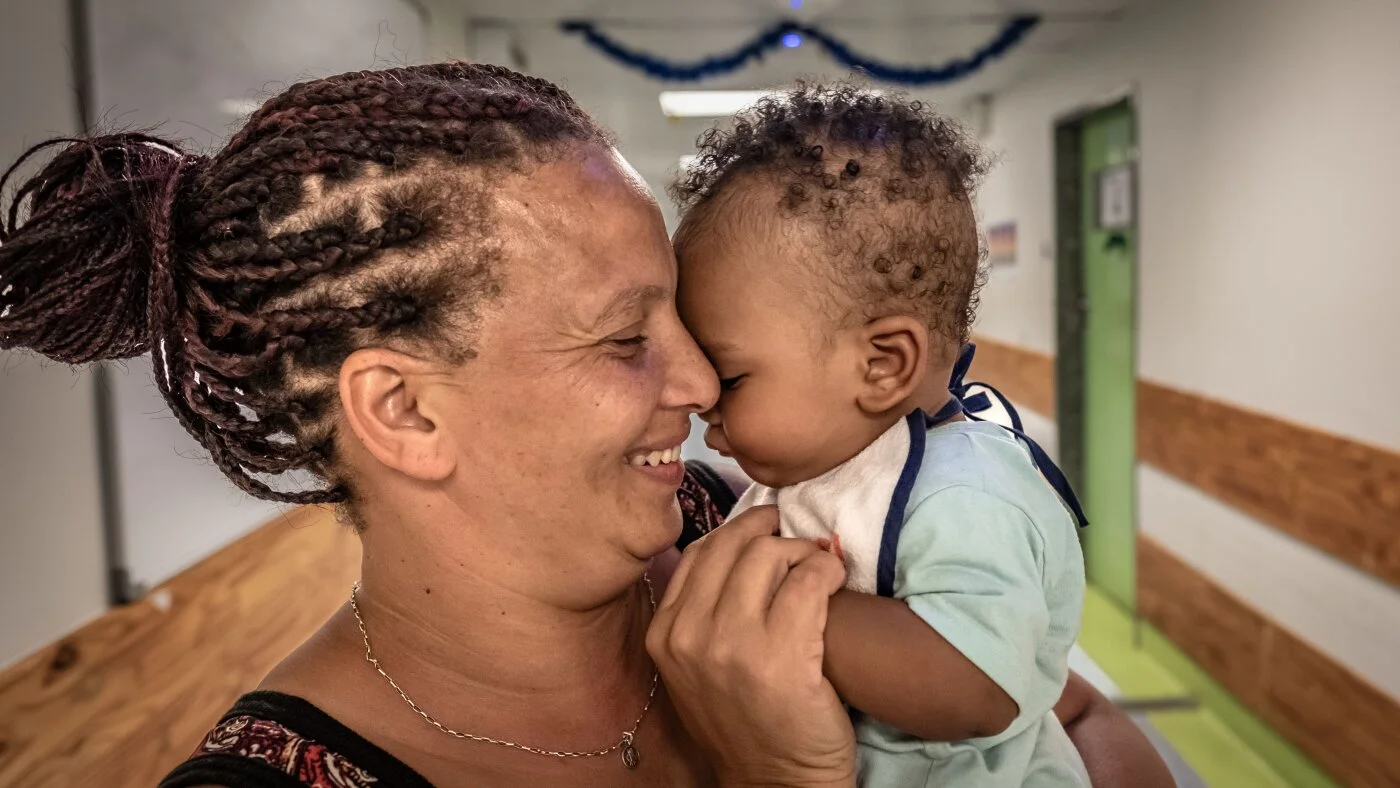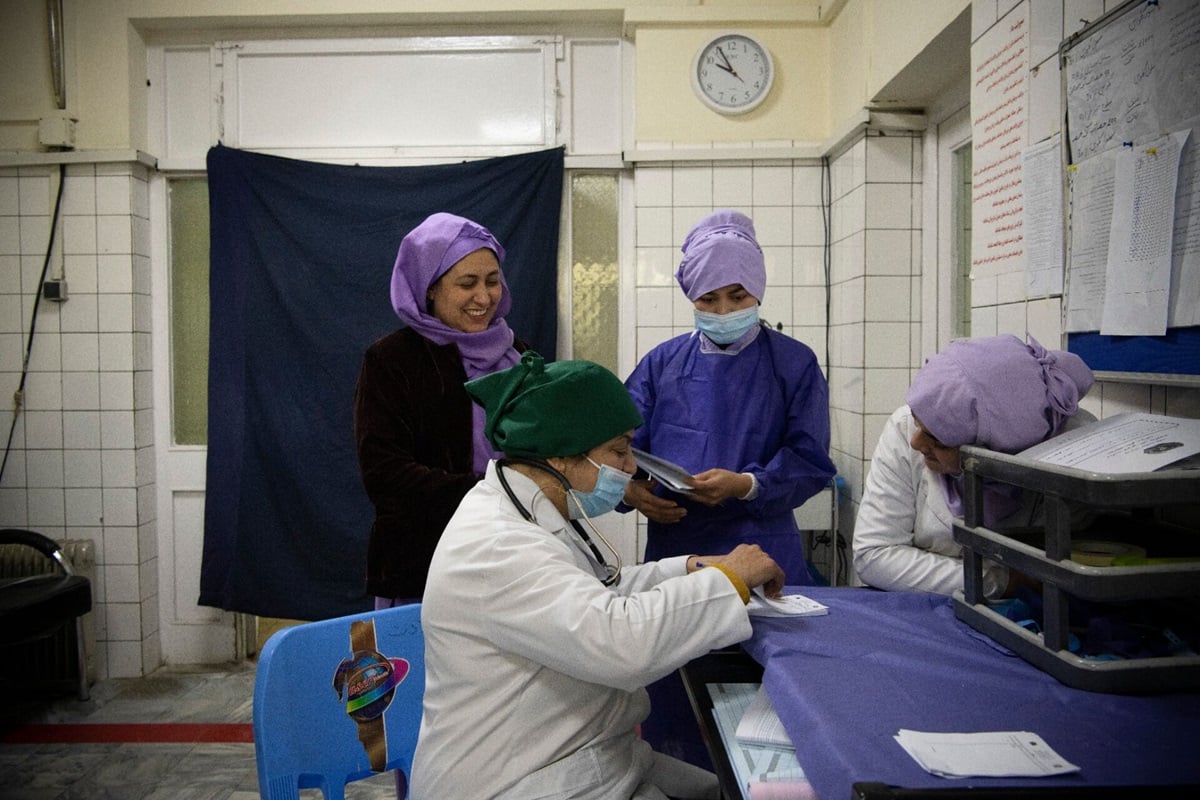
The article highlights the alarming increase in attacks on maternity hospitals and healthcare facilities in conflict zones like Sudan, Ukraine, Gaza, Myanmar, and the DRC, where women and babies are increasingly targeted, with devastating consequences for reproductive health and safety, despite international protections under the Geneva conventions.
The US stillbirth rate decreased by 2% in 2024, reaching its lowest in decades but still remaining high, especially among Black and Native Hawaiian mothers. Significant improvements were seen in some states, but experts emphasize the need for continued efforts to reduce stillbirths, which are often linked to medical, environmental, and socioeconomic factors. The NIH has launched a research consortium to better understand and prevent these deaths.
The article discusses the rising incidence of placenta accreta, a life-threatening condition linked to previous C-sections, highlighting its increased prevalence and the tragic case of Holly Baumstark who died due to complications during childbirth. It emphasizes the growing risks associated with cesarean surgeries and their impact on maternal health.
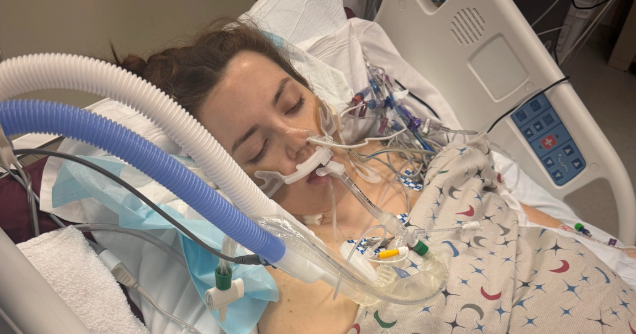
A young mother nearly lost her life due to a stroke caused by undiagnosed preeclampsia, highlighting the importance of recognizing maternal health issues; her journey of recovery and advocacy raises awareness about stroke and maternal health among young women.
A healthy pregnancy turned life-threatening for Jennifer Choate when she experienced a rare amniotic fluid embolism that caused her heart to stop, but she survived after emergency treatment, highlighting the severity and unpredictability of this rare obstetric complication.
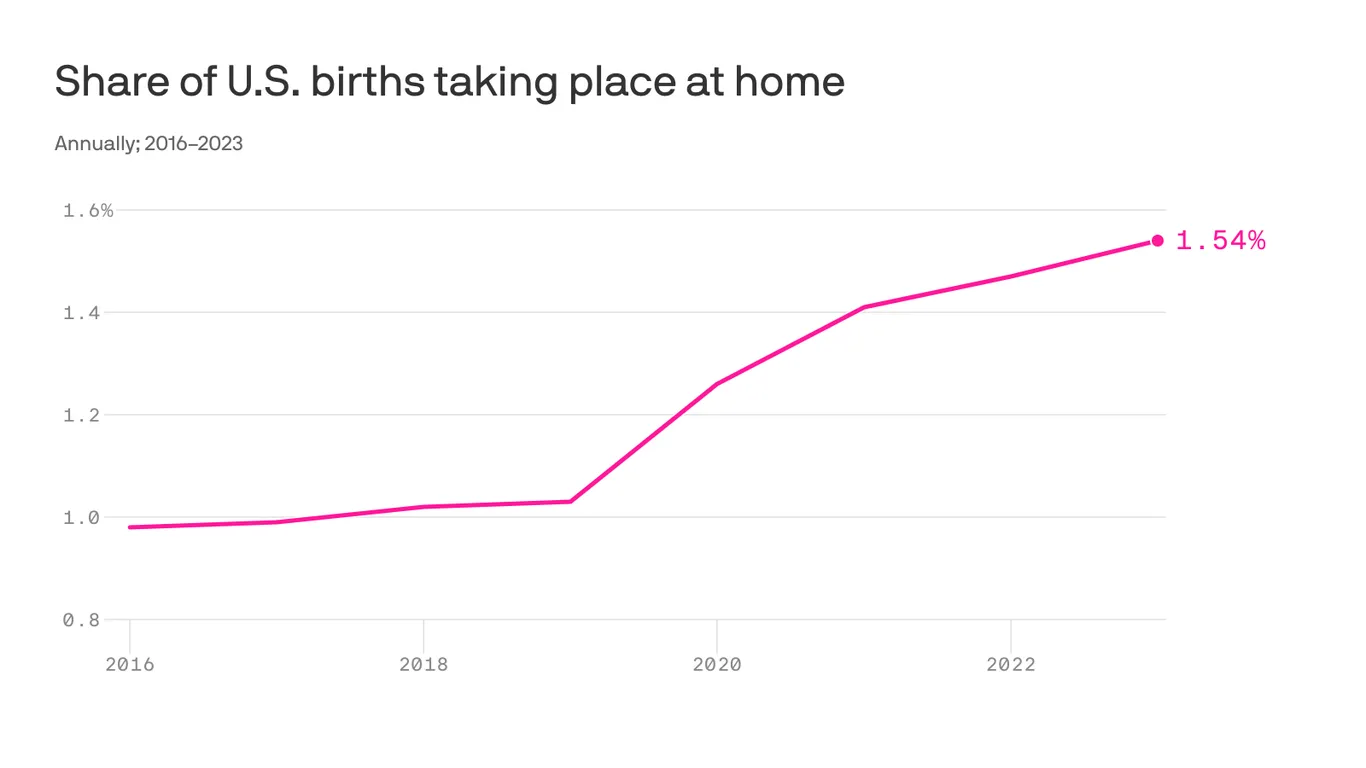
The rise in home births in the U.S. reflects growing distrust in hospitals, especially among Black women due to high maternal mortality rates and historical discrimination, with limited safety data but potential for comparable outcomes in low-risk cases; ongoing hospital closures in underserved areas may further influence this trend.
Global health agencies have released new guidelines emphasizing earlier detection and rapid intervention for postpartum haemorrhage (PPH), a leading cause of maternal death worldwide, including new diagnostic criteria and treatment protocols to save lives and improve outcomes.
Mississippi has declared a public health emergency due to a rise in infant mortality rates, reaching the highest in over a decade, with disparities especially affecting Black infants. The crisis is linked to factors like prematurity, low birth weight, and systemic inequities, compounded by federal funding cuts and Medicaid policy challenges. State officials aim to address these issues through expanded prenatal services and improved care systems, emphasizing that broader social determinants and healthcare access are critical to reducing infant deaths.
The ERASE MM program, which has significantly contributed to reducing maternal mortality through state review committees, is at risk of losing funding as its expiration date approaches and efforts to renew it face political hurdles, potentially impacting ongoing improvements in maternal health outcomes in the U.S.
Katie Chubb has been trying to open a birth center in Augusta, Georgia, to provide a safer, more home-like birth option in a maternal health care desert, but faces obstacles from local hospitals and systemic issues, highlighting the need for alternative birth options especially for Black women who face higher maternal mortality rates.
Lindsay Herriott's experience highlights the importance of recognizing serious postpartum complications like preeclampsia, which was initially dismissed as anxiety, but can have life-threatening consequences and long-term health implications.
A study suggests that insufficient iron intake during pregnancy may increase the risk of intersex conditions and heart defects in babies, highlighting the importance of adequate iron consumption and potential benefits of supplementation for maternal and fetal health.
A 19-year-old Staten Island woman nearly lost her life due to undiagnosed preeclampsia during pregnancy, highlighting the importance of paying attention to symptoms and regular check-ups, as pregnancy-related deaths are rising in the U.S.
The article discusses the importance and safety of COVID vaccination during pregnancy, highlighting that pregnant women are at higher risk of severe illness and complications from COVID, including effects on the placenta and increased risk of blood clots. Despite some recent policy changes removing the vaccine from recommended schedules for pregnant women, scientific evidence supports vaccination to protect both mothers and infants, with ongoing research emphasizing its benefits. The article also notes concerns about reduced surveillance and access issues due to policy shifts.
A large study published in JAMA Internal Medicine found that maternal mental health in the US declined significantly from 2016 to 2023, with fewer mothers rating their health as excellent and more reporting poor mental health, especially among single parents and those with Medicaid or uninsured children.