Tag

Photosynthesis

All articles tagged with #photosynthesis

science1 year ago

Revolutionary Gene Discovery Amplifies Plant Growth and Photosynthesis

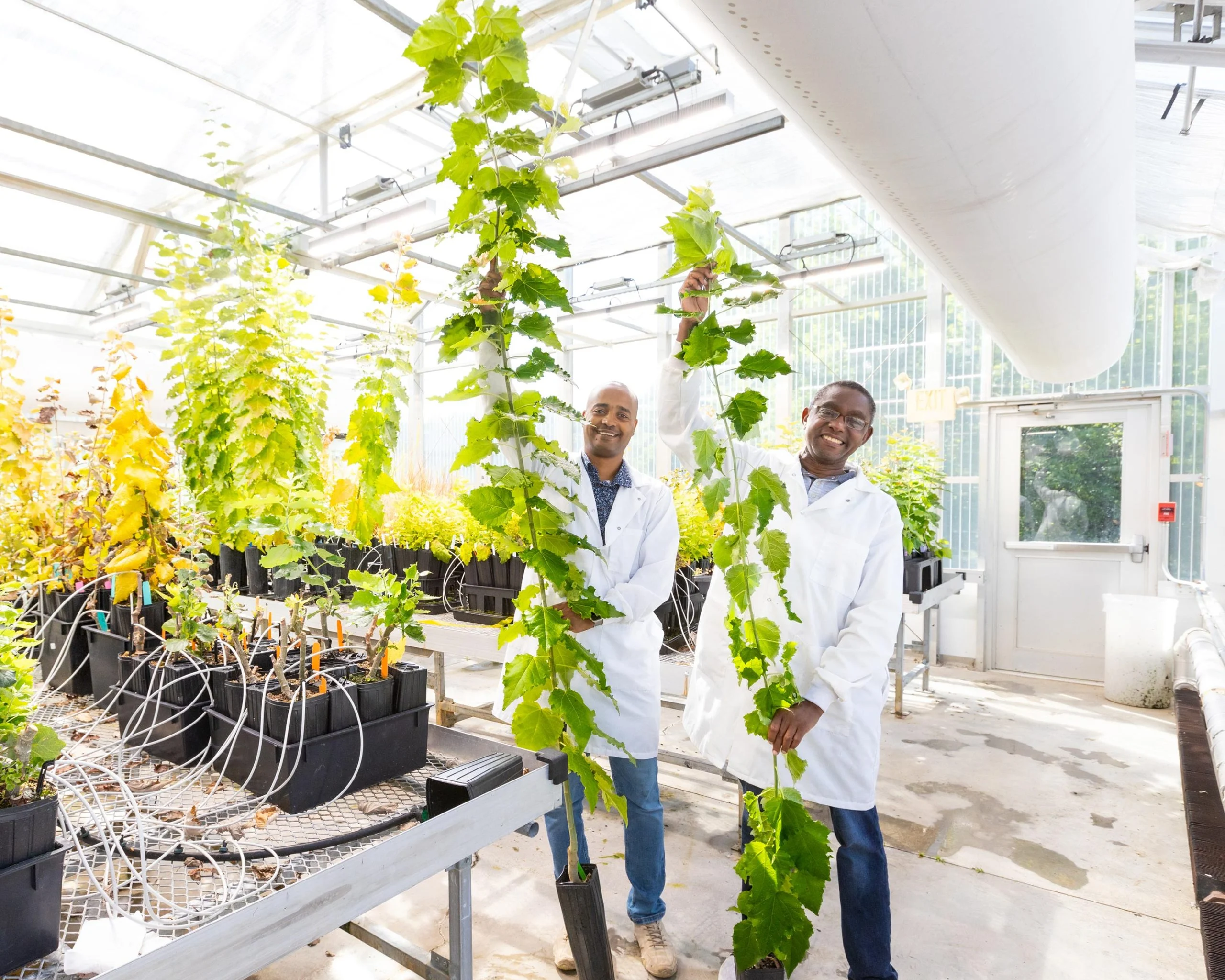
Scientists have discovered a gene called Booster in poplar trees that significantly enhances photosynthesis and growth, increasing tree height by up to 200% in controlled environments and 30% in the field. This gene, which contains DNA from associated organisms and the Rubisco protein, could potentially boost yields in other crops like Arabidopsis, supporting increased agricultural and bioenergy production without additional resources. The discovery, made by researchers from the Department of Energy's Bioenergy Research Centers, could have wide-ranging implications for sustainable bioenergy and food production.

science1 year ago

Heart Cockles' Shell Windows Illuminate Symbiotic Algae

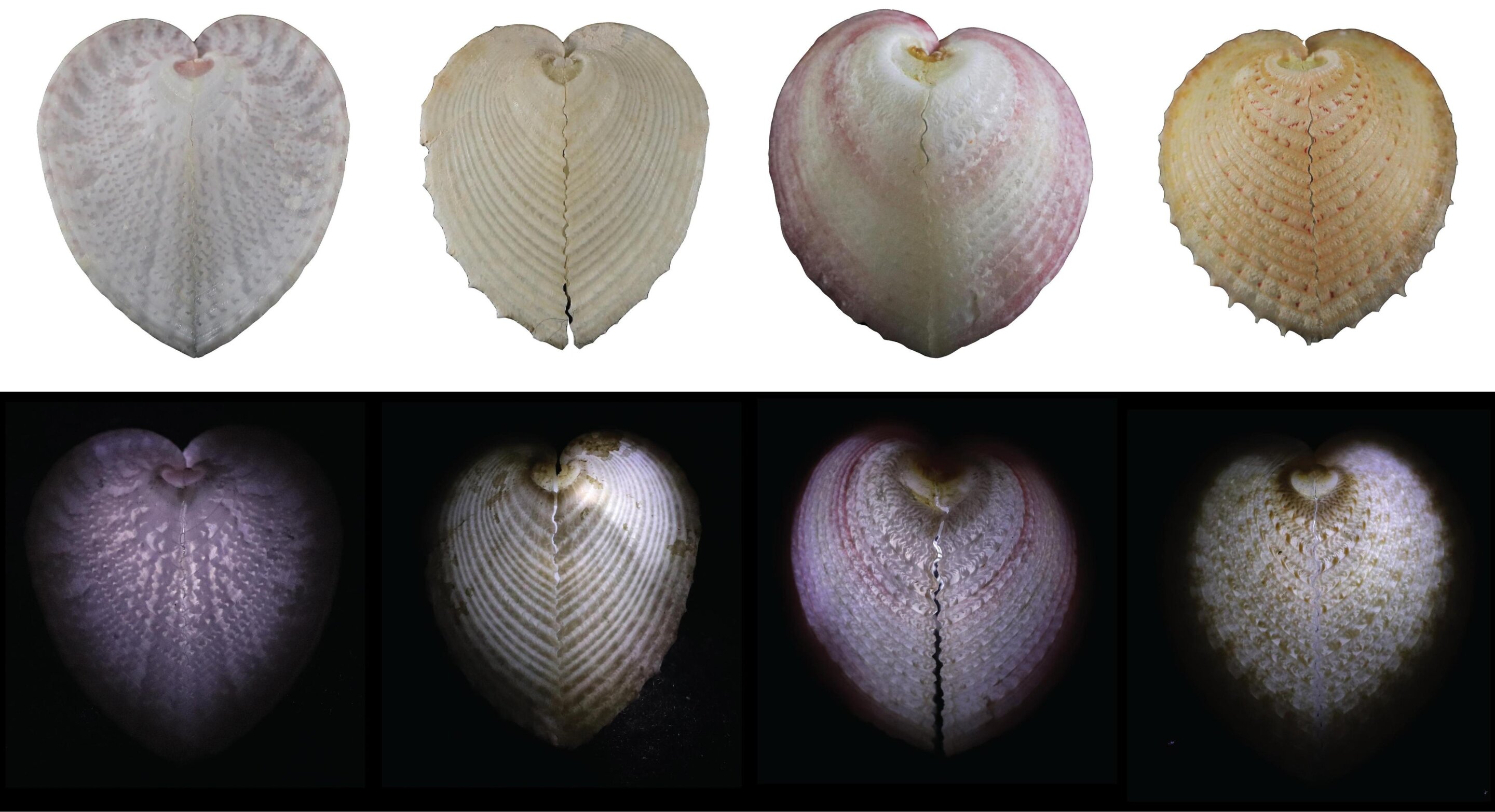
Researchers from the University of Chicago, Stanford, and Duke have discovered that heart cockles, a type of bivalve mollusk, have transparent windows in their shells that allow light to reach symbiotic algae living inside. These windows, made from aragonite, focus light using bundled fiber optic structures, enhancing photosynthesis while blocking harmful UV rays. This natural design could inspire more cost-effective artificial fiber optic cables. The study was published in Nature Communications.

science1 year ago

Enhancing Photosynthesis for Climate-Resilient Super Crops

Scientists have discovered key regulatory changes that could enable the shift from C3 to C4 photosynthesis in plants, potentially enhancing crop yields and resilience in a warming world. This research, published in Nature, highlights the possibility of genetically modifying C3 crops like rice to adopt the more efficient C4 photosynthesis, which could significantly improve agricultural productivity and sustainability. The findings are part of a broader effort to develop crops that can better withstand climate change.

science-and-technology1 year ago

Scientists Engineer Photosynthetic Hamster Cells with Solar Power

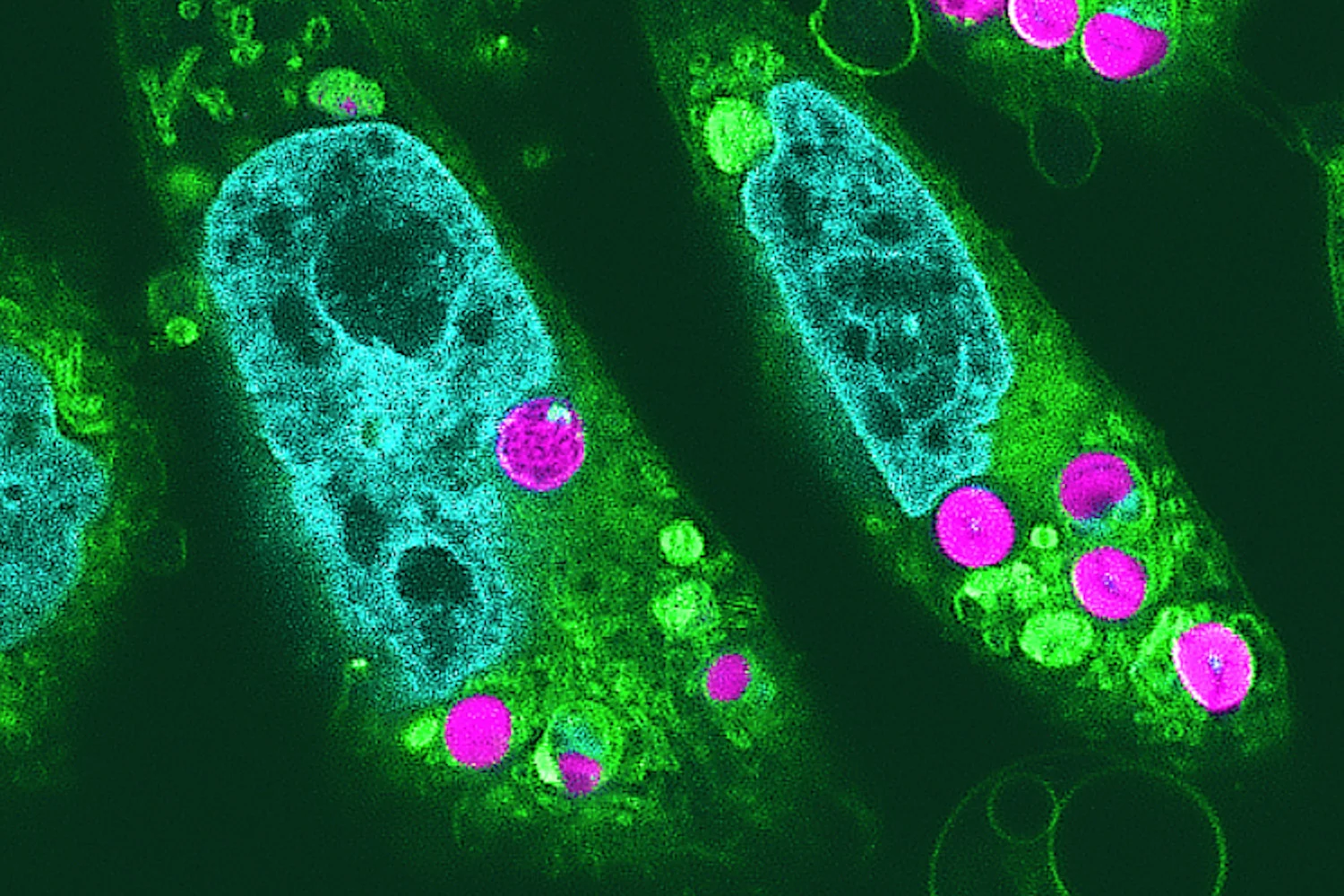
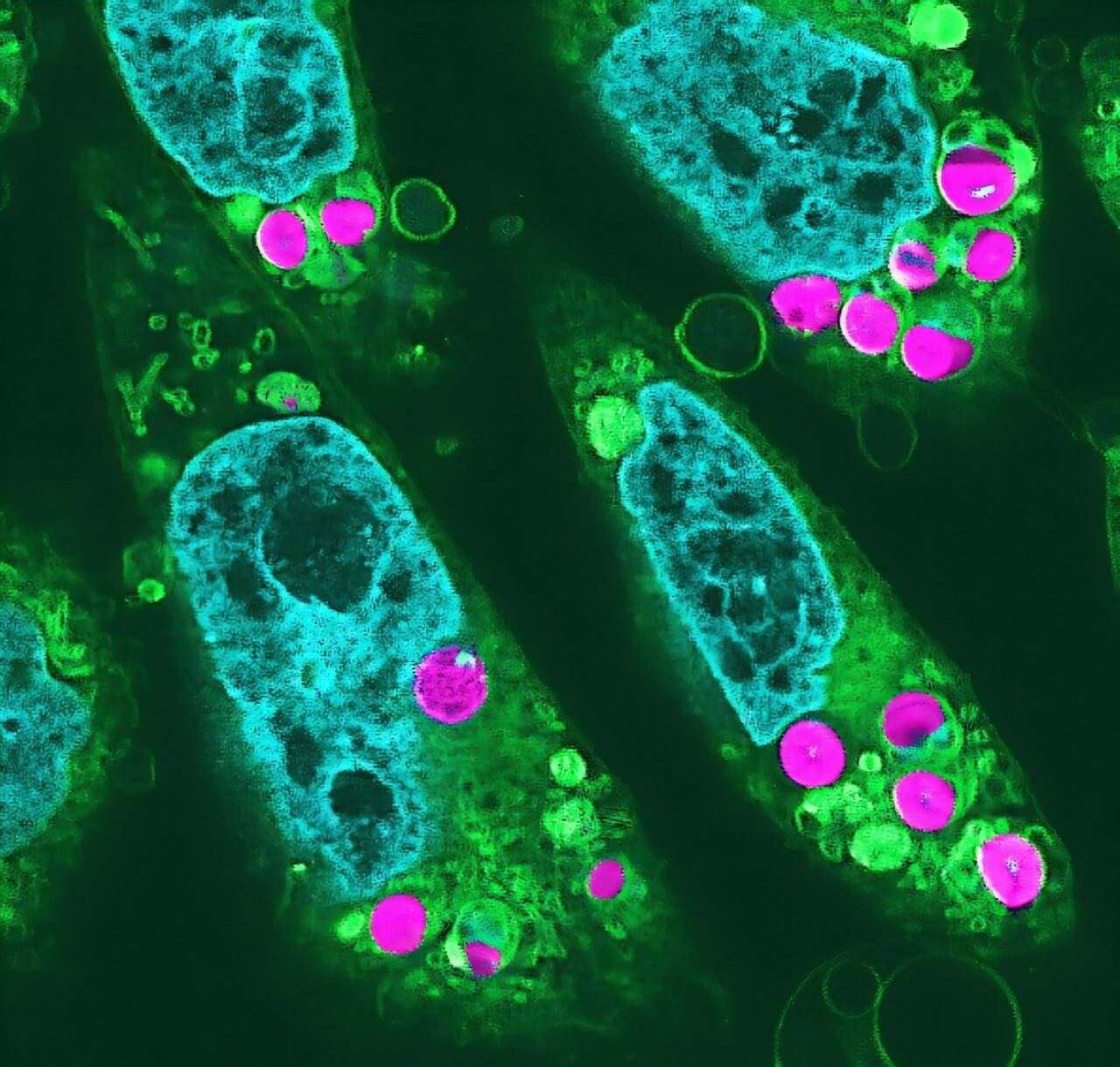
Researchers in Japan have successfully created photosynthetic animal cells by injecting chloroplasts from red algae into hamster cells, enabling them to photosynthesize light. This breakthrough, detailed in the journal Proceedings of the Japan Academy, challenges previous assumptions about the incompatibility of chloroplasts and animal cells. The innovation could have practical applications in artificial tissue engineering, potentially solving oxygenation issues in lab-grown tissues. The study found that these "planimal" cells not only produce oxygen but also have a higher growth rate, suggesting additional benefits from the chloroplasts.

science1 year ago

Scientists Engineer Photosynthetic Animal Cells with Chloroplasts

Japanese researchers have successfully transplanted photosynthetically active chloroplasts from algae into animal cells, specifically Chinese hamster ovary cells, marking the first time photosynthetic electron transport has been confirmed in animal cells. This breakthrough could lead to advancements in tissue engineering, such as creating artificial organs that can grow in low oxygen environments by incorporating chloroplasts to supply oxygen through light exposure. However, further research is needed to maintain chloroplast functionality in animal cells for extended periods.

science1 year ago

Scientists Engineer Photosynthetic Animal Cells for the First Time

Scientists at the University of Tokyo have engineered animal cells capable of photosynthesis, a breakthrough that could revolutionize medical research and lab-grown meat production. By enabling animal cells to ingest chloroplasts, the team overcame a 50-year challenge, allowing these cells to produce oxygen and grow faster. This innovation could improve oxygen delivery in medical applications and enhance tissue growth for artificial meat, marking a significant advancement in biological engineering.

science1 year ago

title

Scientists have successfully induced photosynthesis in animal cells by implanting chloroplasts from red algae into Chinese hamster ovary cells, creating "planimal" cells. This breakthrough, reported in the Proceedings of the Japan Academy, Series B, could pave the way for advancements in medical applications and lab-grown meat production. Although the chloroplasts degrade after a few days, the research suggests potential for developing photosynthetic animal cells, which could contribute to a more carbon-neutral society.

environment1 year ago

"Carbon-Capturing Trees Struggle to Absorb Excess CO2, Emitting Instead"

Trees in warmer, drier climates are struggling to absorb excess CO2 and are instead releasing it back into the atmosphere, a process known as photorespiration. This subverts the belief that trees can help reduce carbon emissions, and as global warming increases, the ability of trees to absorb CO2 is expected to decrease significantly. Researchers found that in hotter climates, trees are releasing up to two times more CO2, and any climate exceeding average daytime temperatures of around 68 degrees Fahrenheit experiences this effect. This discovery raises concerns about the future impact of climate change on the planet's ability to mitigate CO2 levels.

environment1 year ago

"Climate Change Impairs Trees' Ability to Breathe"

Trees in warmer, drier climates are struggling to absorb carbon dioxide, leading to increased release of CO2 through a process called photorespiration, which challenges their role as natural carbon sinks. Research led by Penn State shows that as temperatures rise, trees are less able to draw down CO2 from the atmosphere, potentially reducing their effectiveness in offsetting human carbon emissions. The study suggests that the impact of climate change on trees' ability to sequester carbon needs to be considered in future climate models and highlights the need to understand how plants might adapt to a warming world.

science1 year ago

"Unveiling Ancient Photosynthesis Secrets in Canadian Lake Bacterium"

A Ph.D. student's persistence with a poorly growing bacterial sample from a Canadian lake led to the discovery of a highly unusual bacterium that challenges current scientific knowledge of photosynthesis. The bacterium, found in Lake 227 at the IISD-Experimental Lakes Area, is believed to be a new branch of photosynthetic life and a key piece of the puzzle for resolving how photosynthesis developed on Earth. This unexpected finding could alter perspectives on the origins of photosynthetic life and has opened up new research avenues to understand how photosynthesis transformed the Earth throughout its history.

science1 year ago

"Revealing the Atomic Secrets of Photosynthesis: A Breakthrough by Scientists"

Scientists have uncovered the atomic secrets of photosynthesis, using an advanced microscopy method called cryo-EM to explore the process of chloroplast RNA polymerase transcription. This breakthrough provides insights into plant growth mechanisms and offers potential for improving crop resilience. The study, published in Cell, presents a model and resources for further fundamental discoveries in this field, aiming to aid in the development of more robust crops.

science-and-technology1 year ago

"Revealing the Hidden Machinery of Photosynthesis: Breakthrough 3D Visualization"

Researchers from Hannover and Göttingen have created a high-resolution 3D visualization of the chloroplasts’ copying mechanism, the RNA polymerase PEP, shedding light on the operation and evolutionary history of this vital cellular apparatus crucial for photosynthesis. The 19-subunit PEP complex was visualized at a resolution of 3.5 angstroms, revealing chloroplast-specific features and the unique structure of associated proteins. The study provides insights into the fundamental mechanisms of the photosynthesis machinery’s biogenesis and may have implications for biotechnological applications in the future.