Tag

Carbon Sequestration

All articles tagged with #carbon sequestration

Ancient Earth Warming Halted Plant Growth and Carbon Absorption

Originally Published 1 month ago — by ScienceAlert

Featured image for Ancient Earth Warming Halted Plant Growth and Carbon Absorption
Source: ScienceAlert

Around 56 million years ago, a rapid and intense global warming event caused significant changes in Earth's vegetation, with drought-resistant plants thriving at mid-latitudes and increased biomass in high-latitudes, but overall reducing the planet's capacity to sequester carbon, which prolonged the warming period. Modern warming, occurring ten times faster, may pose even greater challenges for plant adaptation and climate regulation.

Scientists Find Vibrant Ecosystem Near Giant Deep-Sea Creature

Originally Published 2 months ago — by Indian Defence Review

Featured image for Scientists Find Vibrant Ecosystem Near Giant Deep-Sea Creature
Source: Indian Defence Review

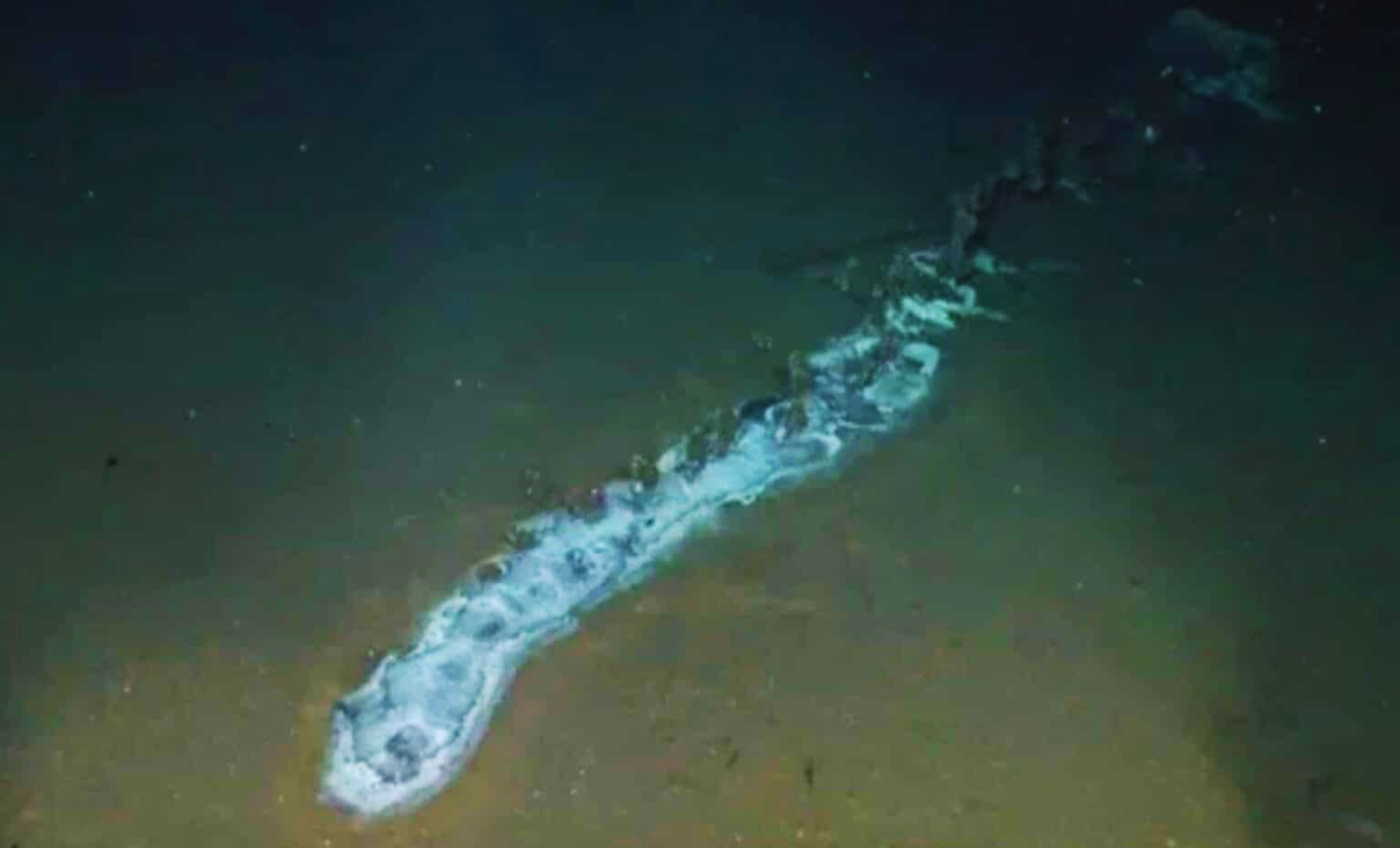
Scientists have discovered a thriving and complex ecosystem around a decaying giant sea creature in the deep ocean, revealing the ecological importance of whale falls in supporting biodiversity, nutrient cycling, and potentially influencing global carbon cycles, thus offering insights into ocean health and resilience.

New Fossil Evidence Reveals Causes of Earth's Most Severe Extinction and Post-Event Climate Crisis

Originally Published 6 months ago — by Phys.org

Featured image for New Fossil Evidence Reveals Causes of Earth's Most Severe Extinction and Post-Event Climate Crisis
Source: Phys.org

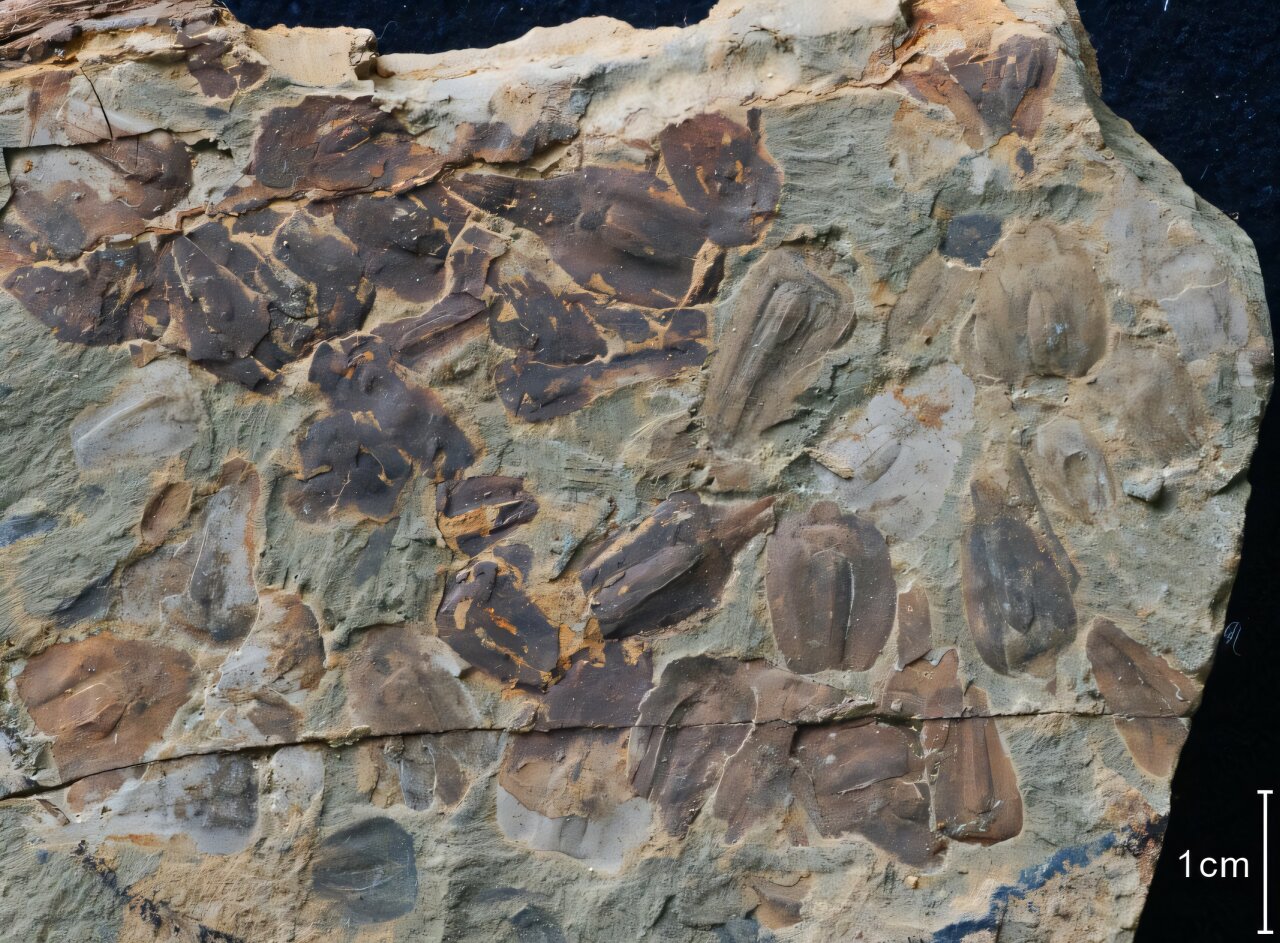
New research on fossils from Earth's most famous extinction event shows that the collapse of tropical forests led to reduced carbon sequestration, causing prolonged global warming and crossing climate tipping points, with implications for understanding past and future climate change.

Scientists Develop Living Material That Absorbs and Stores CO₂

Originally Published 6 months ago — by Indian Defence Review

Featured image for Scientists Develop Living Material That Absorbs and Stores CO₂
Source: Indian Defence Review

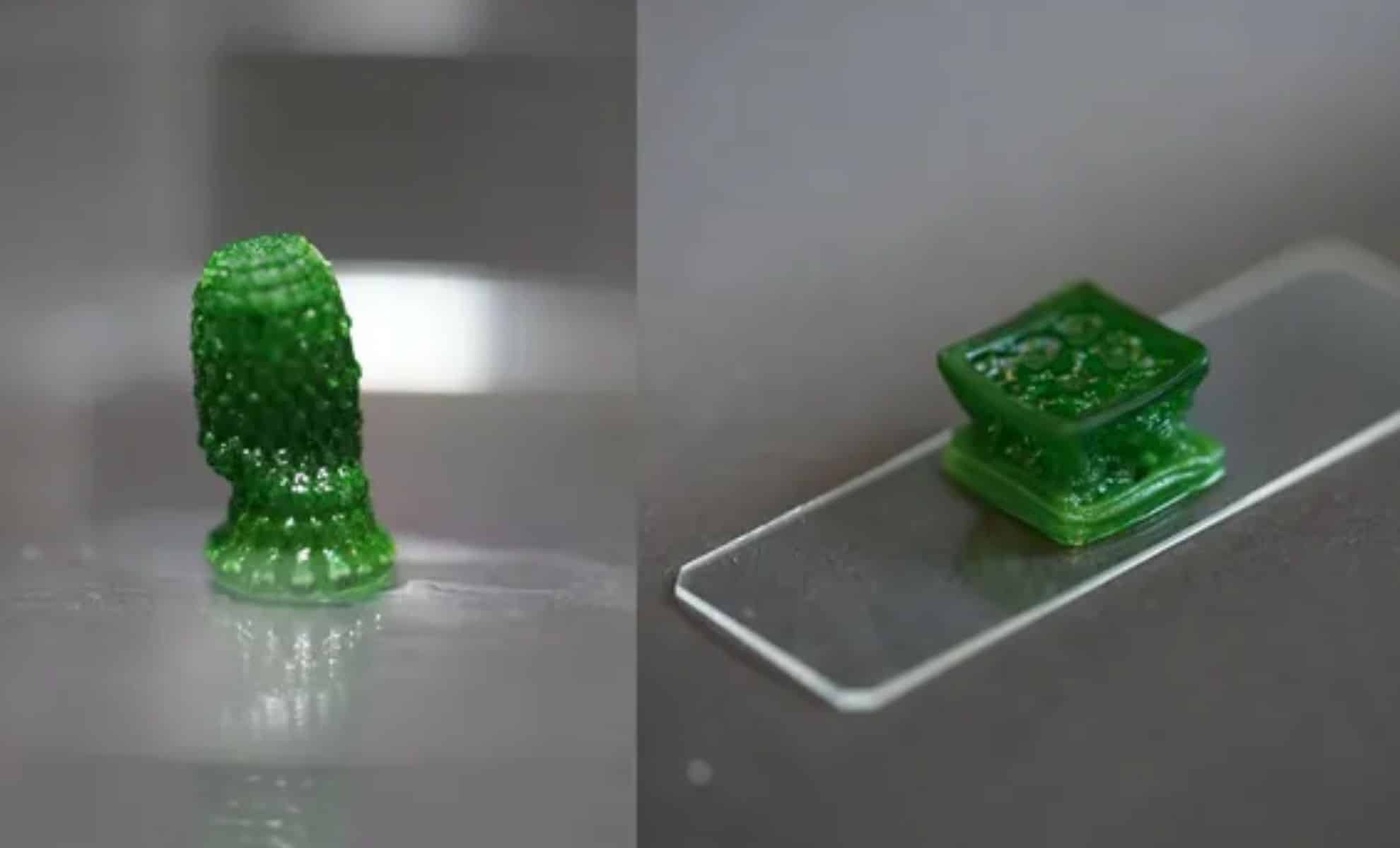
Researchers at ETH Zurich have developed a living, photosynthetic building material embedded with cyanobacteria that can absorb and convert CO2 into stable mineral forms, potentially transforming buildings into carbon sinks and offering a sustainable solution to climate change.

Mysterious Shiny Slick at Sea Reveals Unexpected Truths

Originally Published 7 months ago — by The Daily Galaxy

Featured image for Mysterious Shiny Slick at Sea Reveals Unexpected Truths
Source: The Daily Galaxy

A 2018 satellite observation of unusual slicks in the Baltic Sea was traced to pine pollen dispersal, revealing a natural phenomenon with potential implications for carbon cycling and marine ecology, highlighting the value of satellite data in environmental research.

Harnessing Plankton and Whale Feces to Tackle Oceanic Carbon Emissions

Originally Published 1 year ago — by Good News Network

Featured image for Harnessing Plankton and Whale Feces to Tackle Oceanic Carbon Emissions
Source: Good News Network

Researchers at Dartmouth College have developed a method to enhance the ocean's natural carbon sequestration process by using clay dust to convert carbon into food for zooplankton. This process accelerates the biological pump, as zooplankton consume the clay-carbon flocs and excrete them at lower ocean depths, effectively storing carbon for millennia. The technique, which could capture up to 50% of carbon released by dying phytoplankton, is set to be field-tested off Southern California's coast.

Mars Minerals Suggest Liquid CO₂ May Have Hosted Ancient Life

Originally Published 1 year ago — by Phys.org

Featured image for Mars Minerals Suggest Liquid CO₂ May Have Hosted Ancient Life
Source: Phys.org

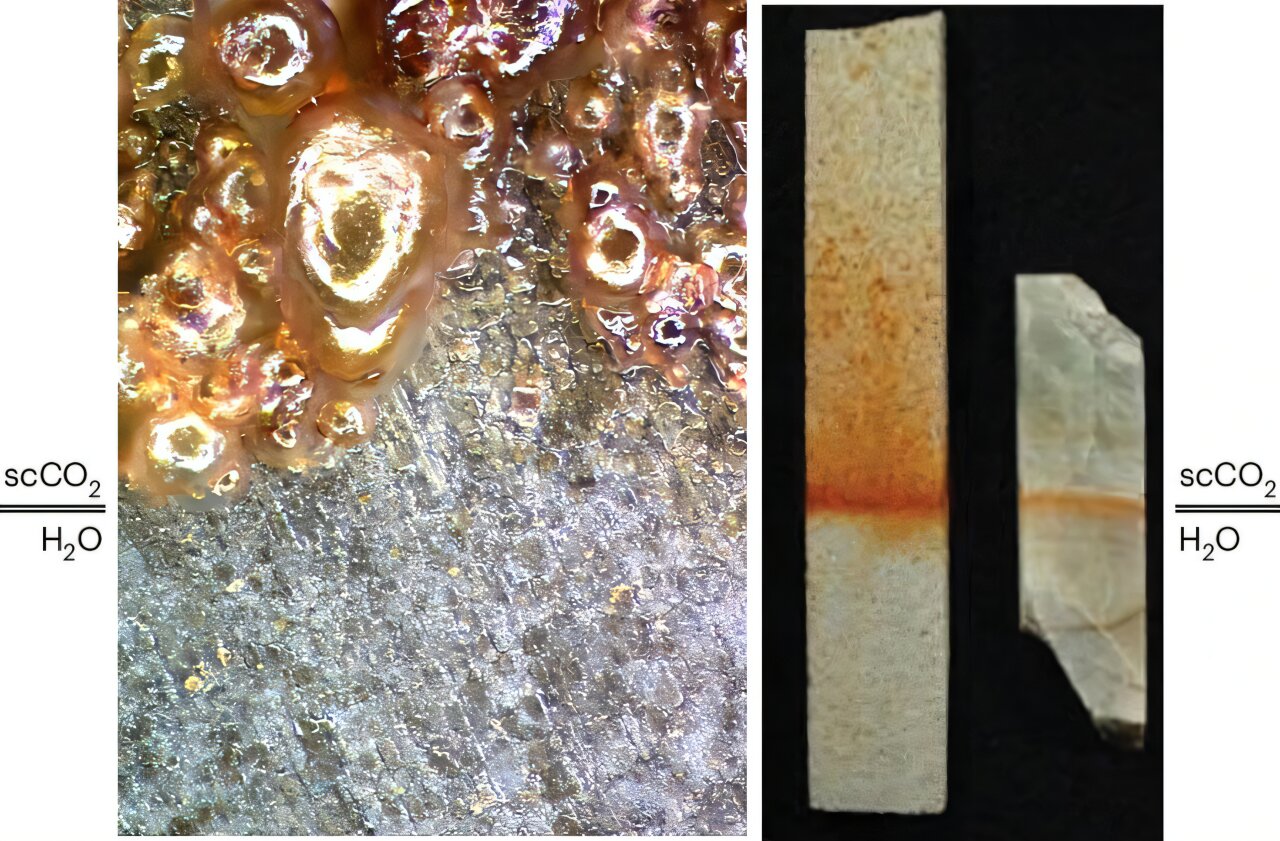
A new study suggests that some minerals on Mars may have formed in liquid carbon dioxide (CO2) rather than water, challenging the prevailing view that water was the primary liquid on ancient Mars. The research, led by Michael Hecht, explores how liquid CO2 could have contributed to the planet's geomorphological and mineralogical features, citing recent carbon sequestration studies that show similar mineral alterations in liquid CO2. The study calls for further research to test these reactions under conditions similar to early Mars.

LSU Webinar to Present CO2 Research on Lake Maurepas

Originally Published 1 year ago — by Greater Baton Rouge Business Report

LSU will host a webinar on July 25 to discuss ongoing research into CO2 storage in Louisiana's geological formations, focusing on Lake Maurepas. The research, led by Frank Tsai, examines the lake's geology and carbon migration patterns to assess the risks and benefits of carbon sequestration. The project is part of a larger initiative by Air Products to inject CO2 beneath the lake as part of a hydrogen manufacturing complex, which has sparked local controversy. Viewers can submit questions to the researchers during the webinar.

"Ocean Floor Topography Crucial to Carbon Storage, Study Finds"

Originally Published 1 year ago — by Phys.org

Featured image for "Ocean Floor Topography Crucial to Carbon Storage, Study Finds"
Source: Phys.org

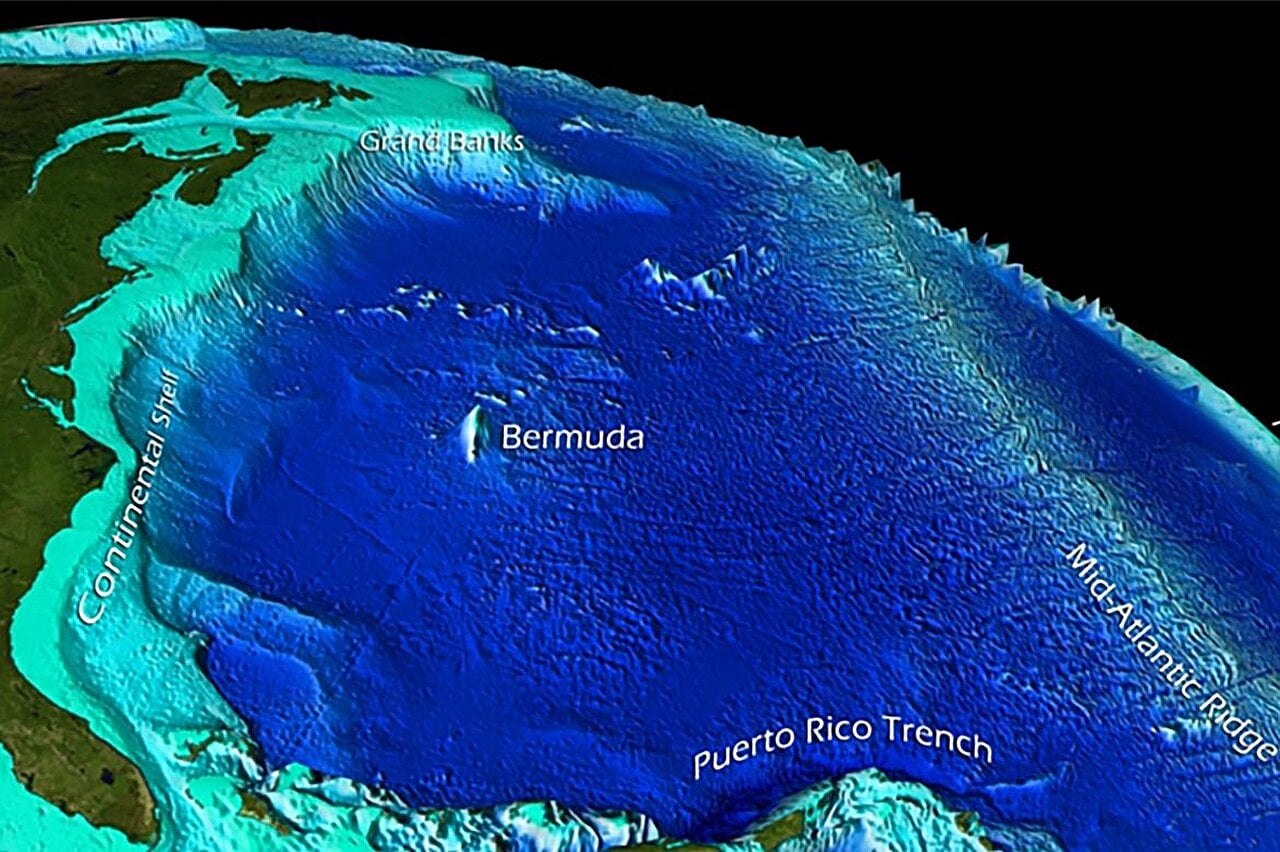
A new study reveals that the shape and depth of the ocean floor significantly influence carbon sequestration, accounting for up to 50% of changes in carbon storage depth over the past 80 million years. This finding highlights the critical role of seafloor topography in the long-term carbon cycle, which has implications for climate change mitigation and the search for habitable planets.

"Tiny Underground Minions: Turning CO2 Into Stone"

Originally Published 1 year ago — by Yahoo Life

Featured image for "Tiny Underground Minions: Turning CO2 Into Stone"
Source: Yahoo Life

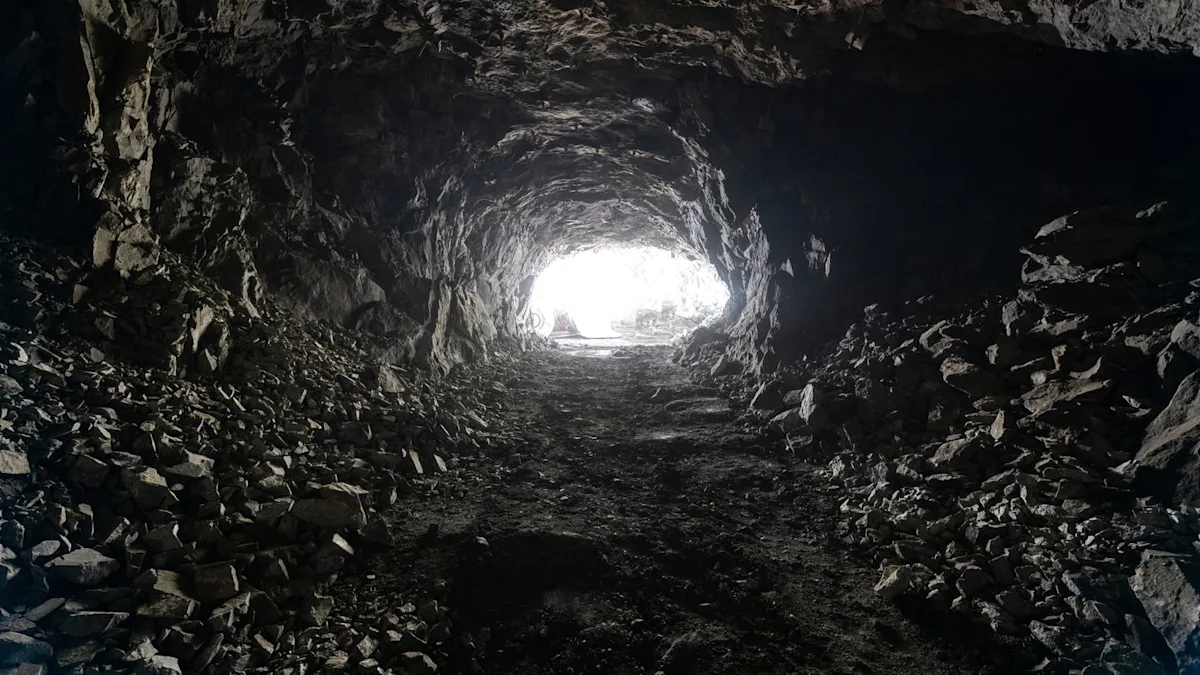
Scientists have discovered a Geobacillus bacteria species capable of accelerating the mineralization of CO2 deep underground, turning a process that typically takes 7 to 10 years into just 10 days. This rapid carbon mineralization could significantly increase the amount of CO2 that can be stored while preventing any gas from escaping, offering a potential solution for carbon sequestration. The bacteria were found 4,100 feet below the surface at the Sanford Underground Research Facility in South Dakota, and their ability to transform CO2 into solid minerals could play a crucial role in achieving a "carbon negative" world and curbing the impact of climate change.

Scientists Identify Anoxic Marine Basins as Prime Sites for Deep-Sea Carbon Sequestration

Originally Published 1 year ago — by Phys.org

Featured image for Scientists Identify Anoxic Marine Basins as Prime Sites for Deep-Sea Carbon Sequestration
Source: Phys.org

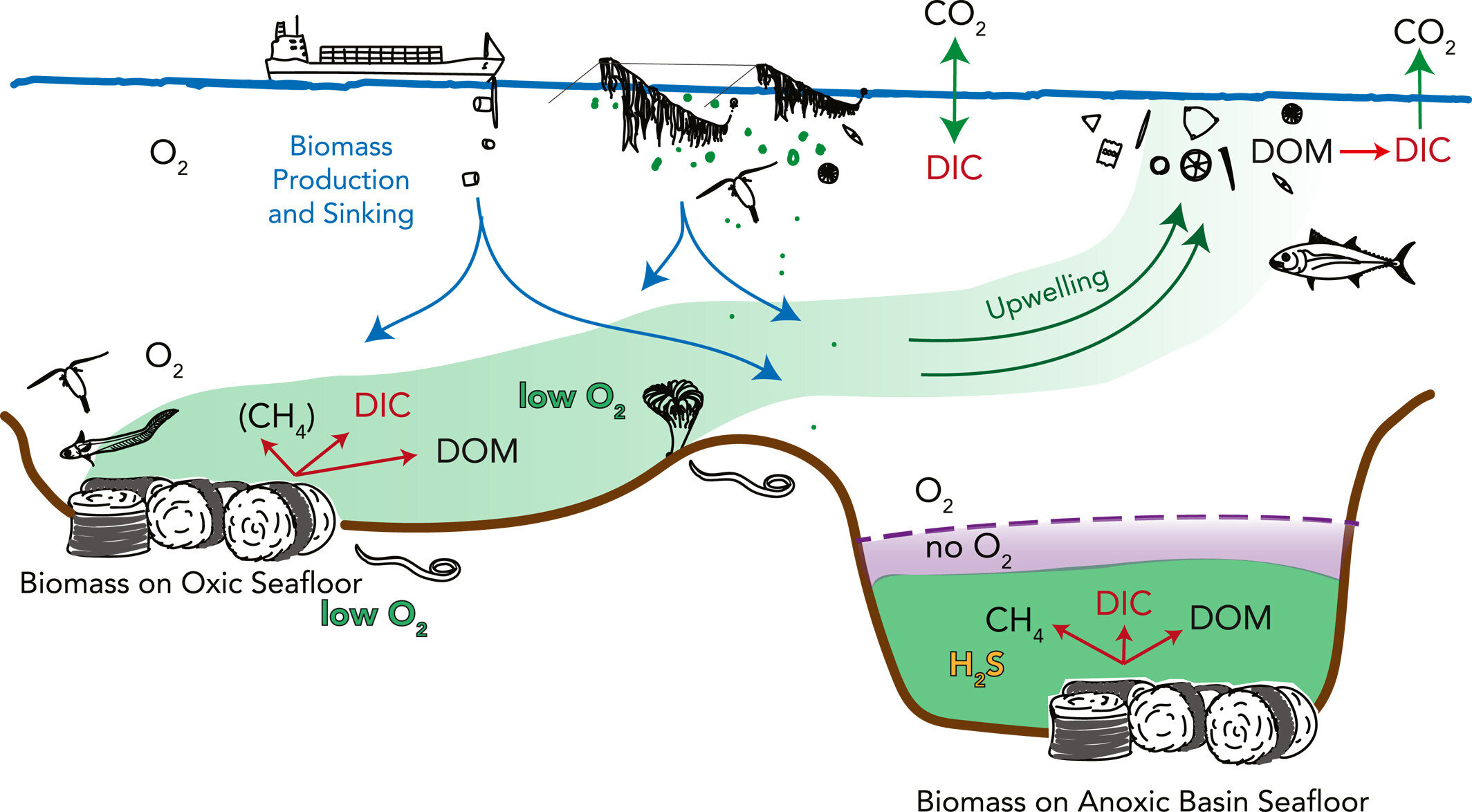
Researchers from UC Santa Barbara propose that anoxic marine basins are promising locations for large-scale carbon sequestration in the deep ocean, potentially aiding in the reduction of atmospheric carbon levels. By sinking plant biomass into these oxygen-deprived zones on the seafloor, the carbon can be stored for extended periods, minimizing the release of CO2 and methane. The study identifies the Black Sea as a particularly suitable site due to its depth and isolation. While the concept has attracted private investment, further research is needed to understand the potential impacts and ensure the effectiveness of this carbon sequestration strategy.

"Uncovering the Carbon Impact of Ocean Trawling"

Originally Published 2 years ago — by WIRED

Featured image for "Uncovering the Carbon Impact of Ocean Trawling"
Source: WIRED

Research shows that bottom trawling, a common fishing method, not only devastates seafloor ecosystems but also releases a significant amount of carbon into the atmosphere, exacerbating global warming. The practice disrupts the natural carbon sequestration process in the ocean, leading to increased CO2 emissions and ocean acidification. The study highlights the urgent need for countries to reevaluate the environmental impact of bottom trawling and consider stricter regulations to mitigate its effects on biodiversity and the climate.

"Rock Dust: A Promising Climate Solution Backed by Tech Giants and Startups"

Originally Published 2 years ago — by The Verge

Featured image for "Rock Dust: A Promising Climate Solution Backed by Tech Giants and Startups"
Source: The Verge

Companies including Stripe, Alphabet, and Shopify are investing over $57 million in a carbon removal initiative called Frontier, which aims to fight climate change by spreading crushed rock over farmland. This process, known as enhanced weathering, utilizes rocks' natural ability to absorb carbon dioxide. However, measuring the amount of CO2 sequestered has proven challenging. Lithos Carbon, an agtech startup, has developed a method to empirically measure carbon capture. By grinding rocks like basalt into gravel or dust and spreading them across land, the surface area increases, allowing for more CO2 absorption. Lithos then measures the chemical composition of the soil to determine the amount of CO2 removed. While there are challenges to overcome, such as potential side effects and accurately measuring carbon capture, enhanced weathering shows promise as a strategy to combat climate change.

Seaweed: The Xprize Winner's Plan to Save the Planet

Originally Published 2 years ago — by Newser

Featured image for Seaweed: The Xprize Winner's Plan to Save the Planet
Source: Newser

The Climate Foundation, a winner of Elon Musk's Xprize, is using seaweed farming as an innovative solution to trap carbon and combat climate change. However, some scientists have concerns about the method. Seaweed farming has environmental benefits and can be used for food, eco-friendly plastic, and reducing methane emissions. The Climate Foundation plans to produce seaweed into a pesticide-free fertilizer, but harvesting the seaweed releases trapped carbon back into the atmosphere. Additionally, artificially inducing upwelling to enhance seaweed growth may have negative consequences. Despite uncertainties, the foundation believes taking action is better than doing nothing to address climate change.

The Secrets of Ancient Amazonian Dark Earth Revealed

Originally Published 2 years ago — by Phys.org

Featured image for The Secrets of Ancient Amazonian Dark Earth Revealed
Source: Phys.org

A study led by researchers at MIT, the University of Florida, and in Brazil has found evidence that ancient Amazonians intentionally created fertile "dark earth" to improve soil fertility and sustain large societies. The dark earth, rich in carbon, was created through intentional practices such as composting and spreading organic waste. The study suggests that modern sustainable agriculture and climate change mitigation efforts can draw inspiration from these ancient practices to sequester carbon in soil.