Tag

Astrobiology

All articles tagged with #astrobiology

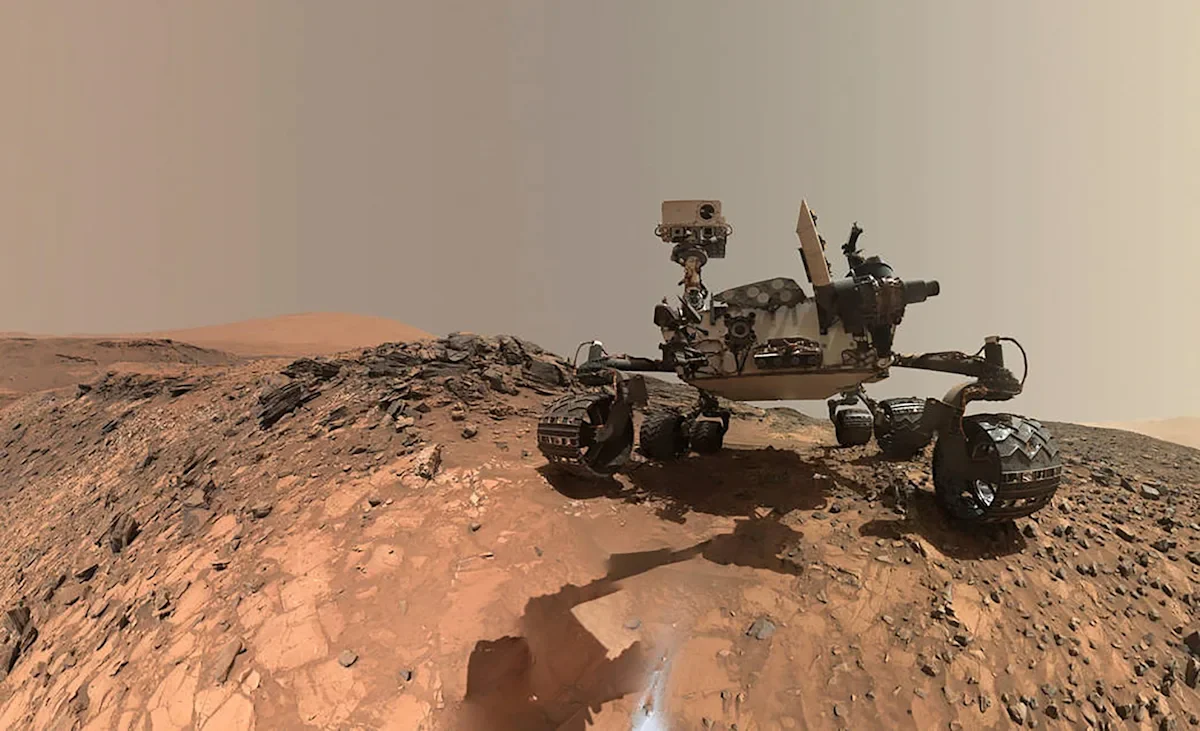
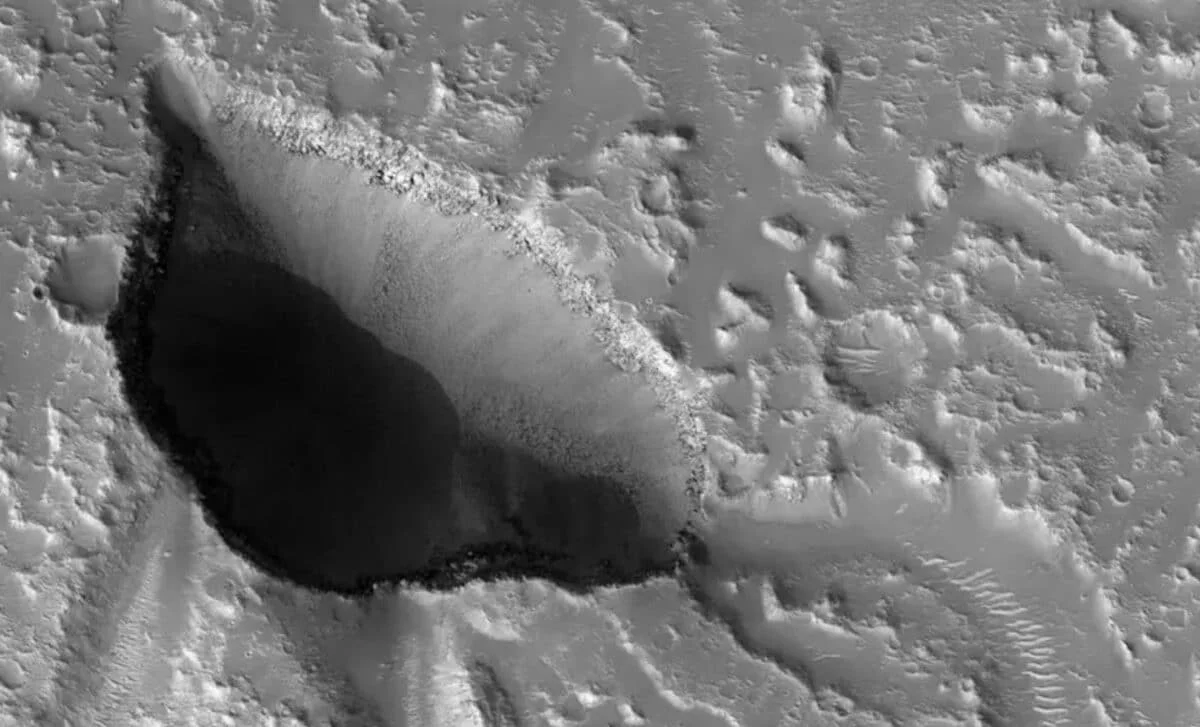
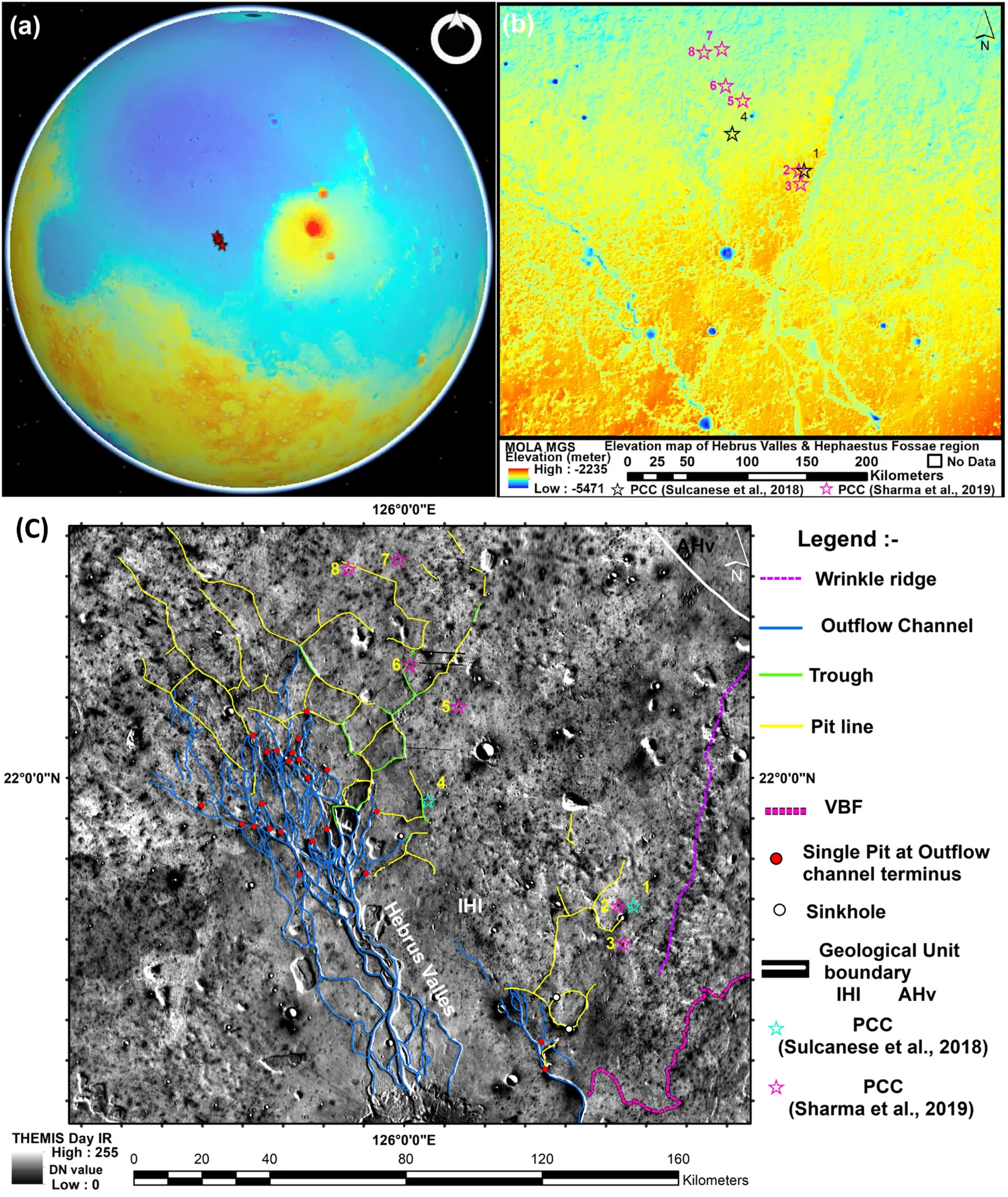
Mars' Hidden Lakes: Evidence of Ancient Water Beneath Thin Ice

Originally Published 2 days ago — by The Daily Galaxy

Featured image for Mars' Hidden Lakes: Evidence of Ancient Water Beneath Thin Ice
Source: The Daily Galaxy

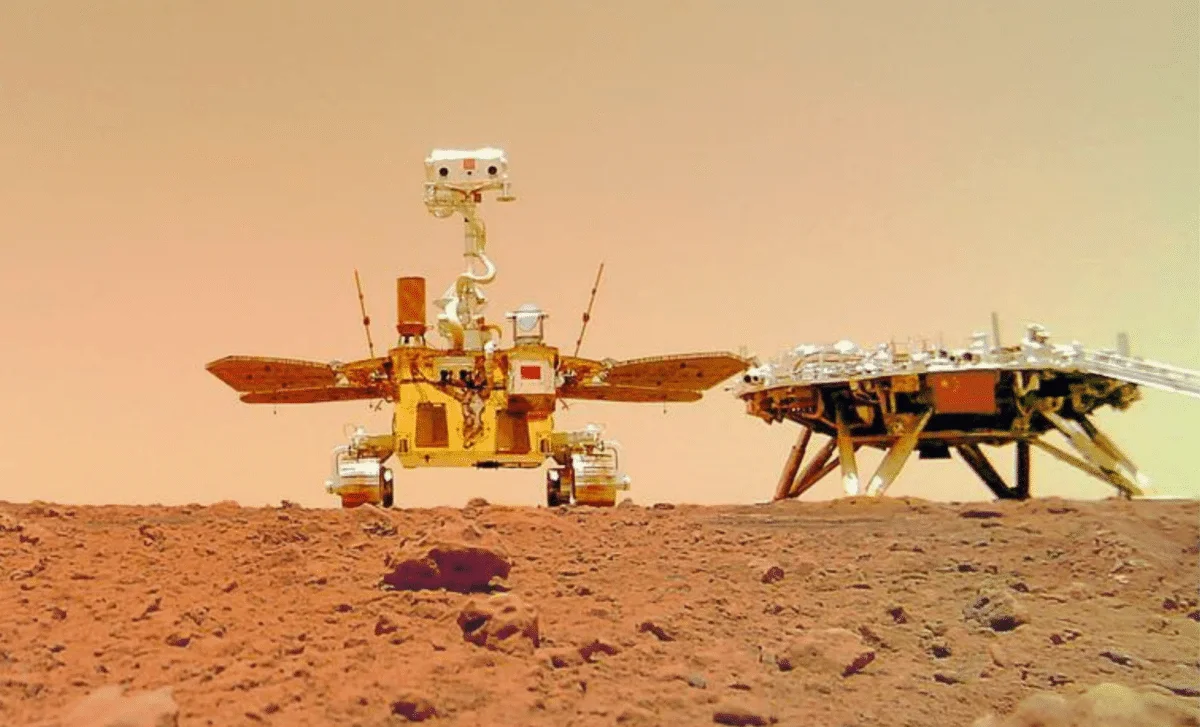
China’s Mars rover Zhurong has discovered evidence that liquid water persisted on Mars much later than previously believed, indicating the planet may have had habitable conditions for hundreds of millions of years longer, which has significant implications for understanding Mars’ climate, geology, and potential to support life.

Space-origin theories gain support in understanding Earth's life beginnings

Originally Published 6 days ago — by Space

Featured image for Space-origin theories gain support in understanding Earth's life beginnings
Source: Space

New experiments support the 'RNA world' hypothesis by demonstrating how RNA could have formed on early Earth, with borates playing a beneficial role in stabilizing RNA components, suggesting a plausible pathway for the origin of life around 4.3 billion years ago, possibly delivered by asteroid impacts.

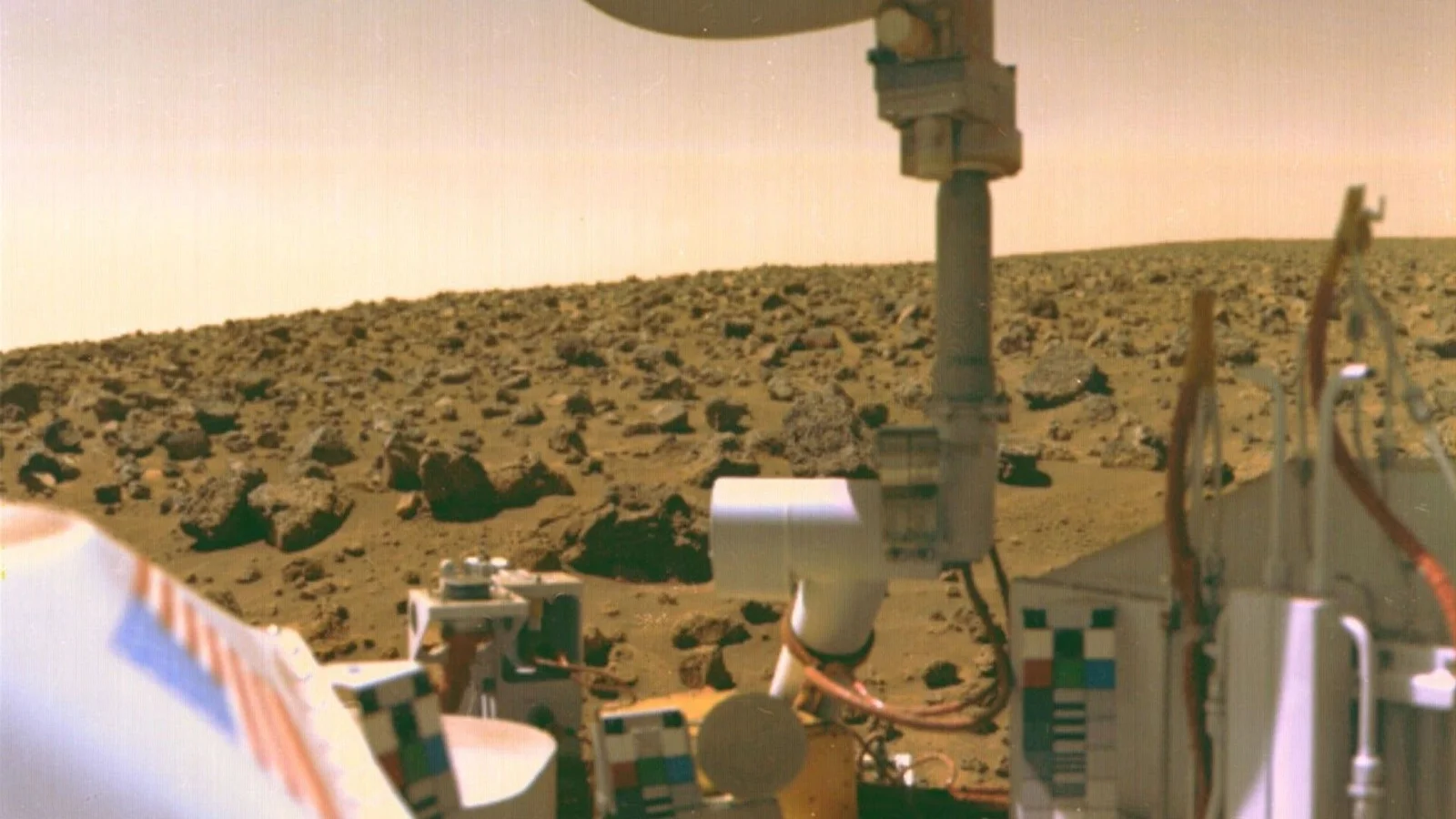
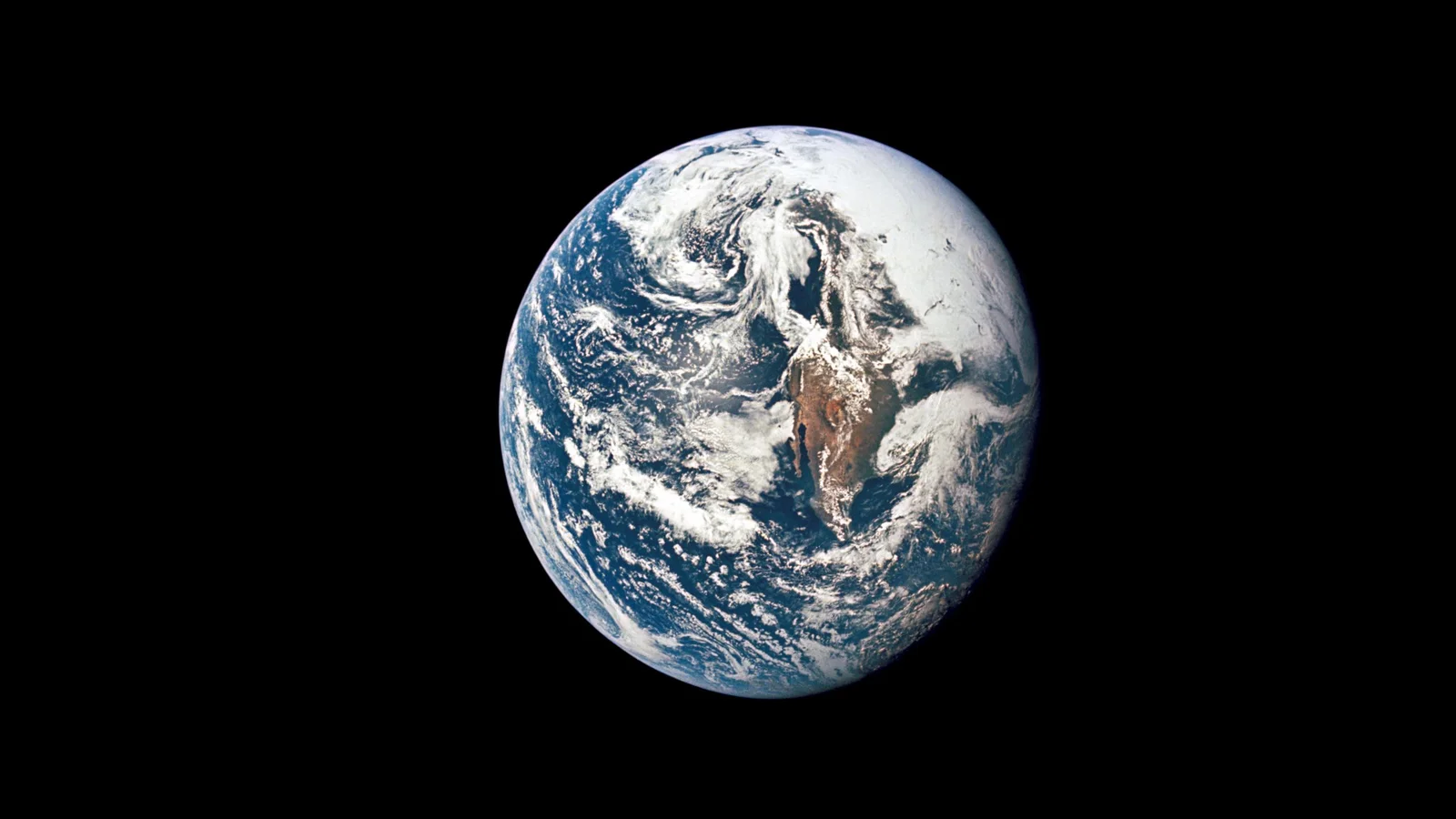
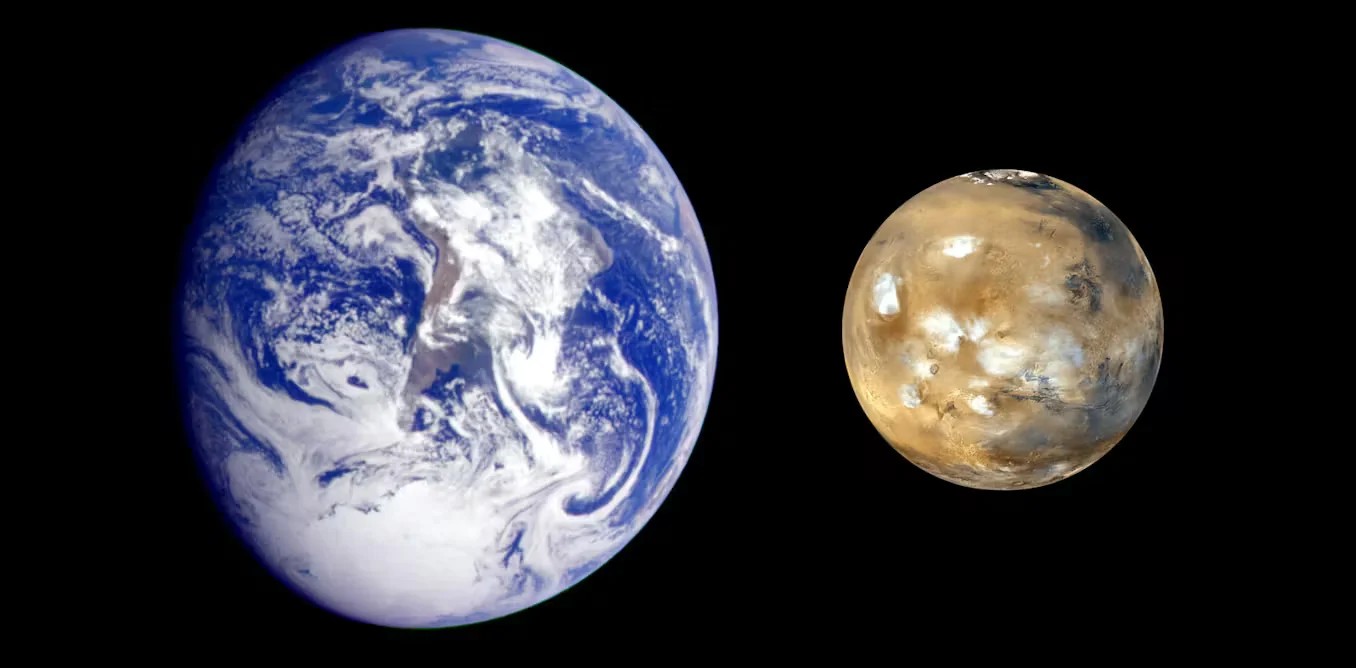
Could Life on Earth Have Originated from Mars?

Originally Published 13 days ago — by The Conversation

Featured image for Could Life on Earth Have Originated from Mars?
Source: The Conversation

The article explores the hypothesis that life on Earth may have originated from microorganisms on Mars, which could have been transported via meteorites. It discusses the timing of planetary formation, early conditions on Mars and Earth, and the challenges of microbial survival during space travel, ultimately questioning whether Earth’s life could have come from Mars or if it originated independently on Earth.

New Insights into Comet 3I/ATLAS and Its Galactic Mysteries

Originally Published 2 months ago — by Avi Loeb – Medium

Featured image for New Insights into Comet 3I/ATLAS and Its Galactic Mysteries
Source: Avi Loeb – Medium

Avi Loeb discusses the scientific mysteries of interstellar object 3I/ATLAS, its complex jet structures, the potential for artificial origin, the increasing population of interstellar visitors, and the importance of curiosity and open-mindedness in scientific progress, highlighting recent discoveries and the need for broader international engagement in space science.

Interstellar Comet 3I/ATLAS Shows Unexpected Brightening and Acceleration

Originally Published 2 months ago — by Avi Loeb – Medium

Featured image for Interstellar Comet 3I/ATLAS Shows Unexpected Brightening and Acceleration
Source: Avi Loeb – Medium

Avi Loeb discusses the non-gravitational acceleration of interstellar object 3I/ATLAS near perihelion, analyzing whether it results from cometary outgassing or could indicate a technological propulsion system, with upcoming observations expected to clarify its nature.

Ancient Meteorite Reveals Human DNA Traces

Originally Published 2 months ago — by Yahoo

Featured image for Ancient Meteorite Reveals Human DNA Traces
Source: Yahoo

Recent findings from NASA and Japan suggest that the building blocks of life, such as amino acids, may have been delivered to Earth via asteroids, supporting the panspermia theory that life or its ingredients could have originated elsewhere in the universe and been transported here, challenging traditional views on the origin of life.

Nearby Super-Earths with Water and Life Potential

Originally Published 2 months ago — by Universe Today

Featured image for Nearby Super-Earths with Water and Life Potential
Source: Universe Today

Scientists have discovered a super-Earth called GJ 251 c, located just 18 light-years away, which resides in its star's habitable zone where liquid water could exist, making it a promising candidate in the search for extraterrestrial life. The discovery was made using advanced radial velocity techniques and state-of-the-art instruments, highlighting the potential for future direct imaging and the possibility of finding life beyond Earth.

Nearby Super-Earth in Habitable Zone Sparks Alien Life Search

Originally Published 2 months ago — by ScienceAlert

Featured image for Nearby Super-Earth in Habitable Zone Sparks Alien Life Search
Source: ScienceAlert

Scientists have discovered a super-Earth exoplanet named GJ 251c only 18 light-years away, located in its star's habitable zone, making it a promising candidate for future studies on extraterrestrial life, although more data is needed to confirm its atmosphere and potential habitability.

Scientists Reconsider Theories on Life's Origins

Originally Published 2 months ago — by Yahoo

Featured image for Scientists Reconsider Theories on Life's Origins
Source: Yahoo

Scientists are revising their understanding of the emergence of genes and amino acids in early life, suggesting that the traditional model may underestimate the role of certain amino acids like tryptophan and the complexity of early genetic codes, which could have implications for searching for life on other planets like Saturn's moon Enceladus.