
Scientists Engineer Photosynthetic Hamster Cells with Solar Power
TL;DR Summary
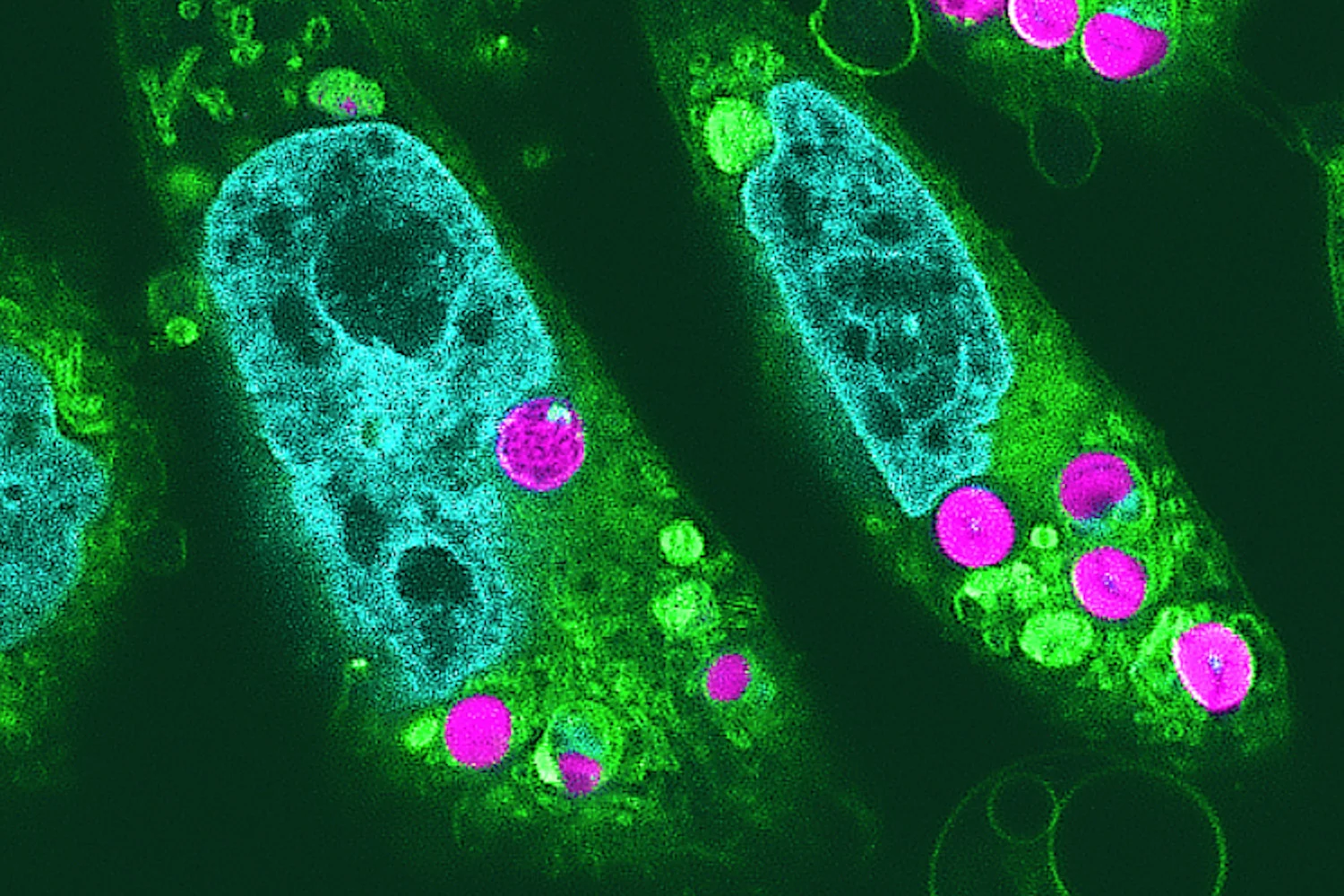
Researchers in Japan have successfully created photosynthetic animal cells by injecting chloroplasts from red algae into hamster cells, enabling them to photosynthesize light. This breakthrough, detailed in the journal Proceedings of the Japan Academy, challenges previous assumptions about the incompatibility of chloroplasts and animal cells. The innovation could have practical applications in artificial tissue engineering, potentially solving oxygenation issues in lab-grown tissues. The study found that these "planimal" cells not only produce oxygen but also have a higher growth rate, suggesting additional benefits from the chloroplasts.
Topics:science#animal-cells#biotechnology#chloroplasts#photosynthesis#science-and-technology#tissue-engineering
- Biologists Just Created Solar-Powered Hamster Cells Gizmodo
- Researchers Give Animal Cells the Ability to Photosynthesize for the First Time WIRED
- Animal cells capable of photosynthesis created for the first time Earth.com
- Are animal cells capable of photosynthesis? This is what experts say The Times of India
- Solar-Powered ‘Planimal’ Cells? Chloroplasts in Hamster Cells Make Food From Light Singularity Hub
Reading Insights
Total Reads
0
Unique Readers
7
Time Saved
2 min
vs 3 min read
Condensed
81%
462 → 86 words
Want the full story? Read the original article
Read on Gizmodo