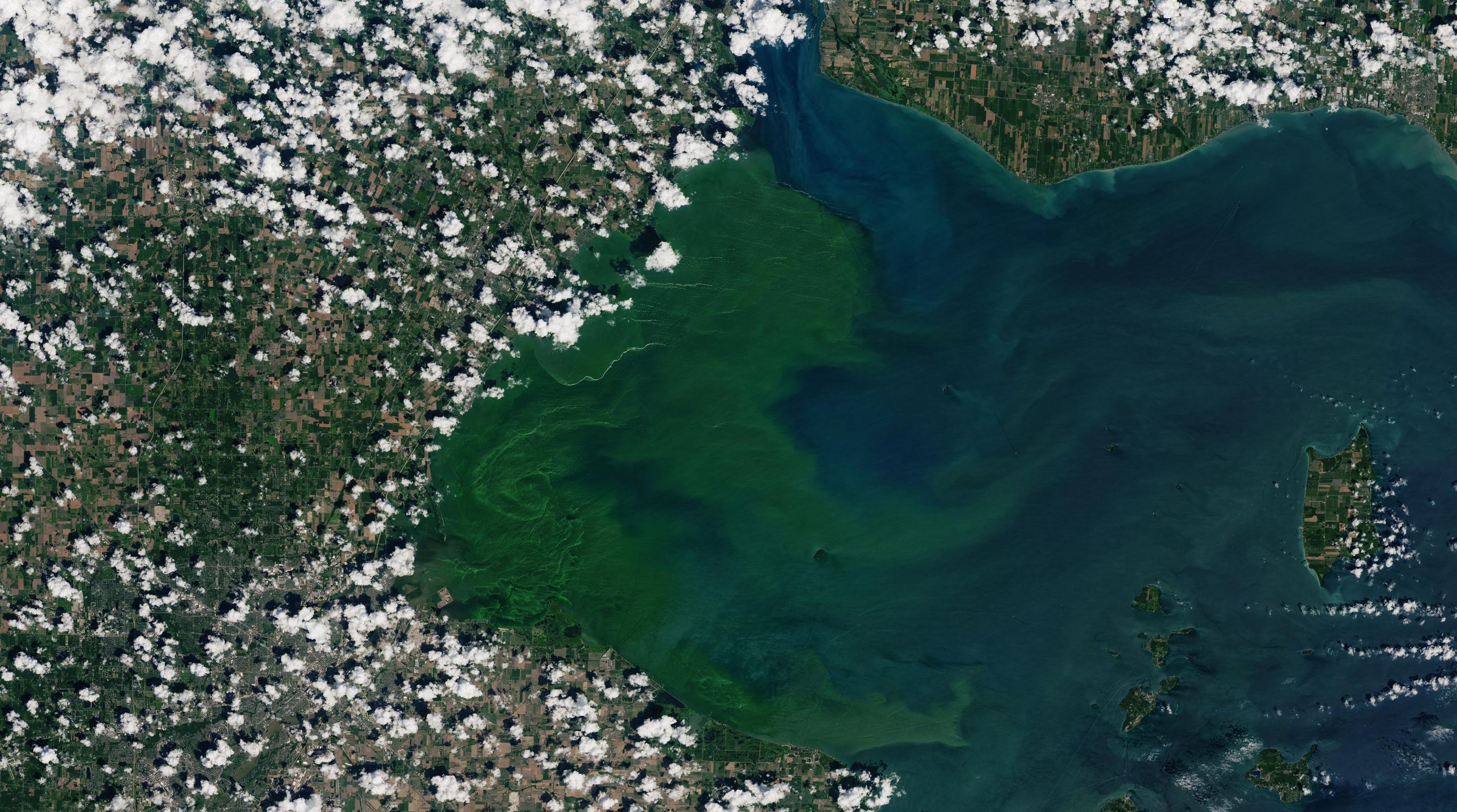
Scientists have identified the cyanobacterium Dolichospermum as the source of saxitoxin in Lake Erie, linking its presence to warming temperatures and highlighting concerns about increasing harmful algal blooms due to climate change.
New research suggests that the delayed rise of oxygen in Earth's atmosphere was controlled by the levels of nickel and urea, which initially limited cyanobacterial growth. As these compounds declined, cyanobacteria proliferated, releasing oxygen and triggering the Great Oxidation Event, a key step in making Earth habitable and providing insights for life beyond Earth.
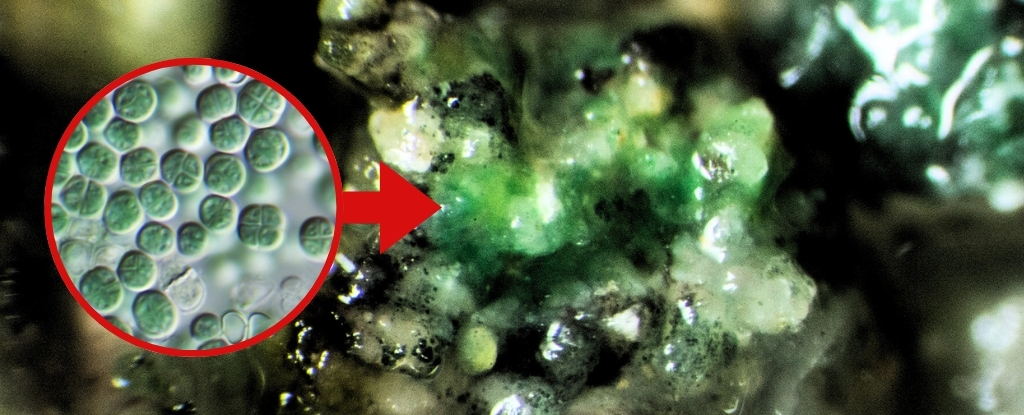
A cyanobacterium called Chroococcidiopsis, capable of surviving extreme space and Earth conditions, including radiation, freezing temperatures, and Martian soil, could be a valuable tool for future space exploration and colonization efforts, especially for producing oxygen and studying extraterrestrial life.
Earth's gradual slowing of its rotation, caused by the Moon's gravitational pull, may have influenced the timing and pattern of Earth's oxygenation, particularly through its effect on microbial oxygen production during events like the Great Oxidation Event, by affecting the duration of daylight and microbial activity.
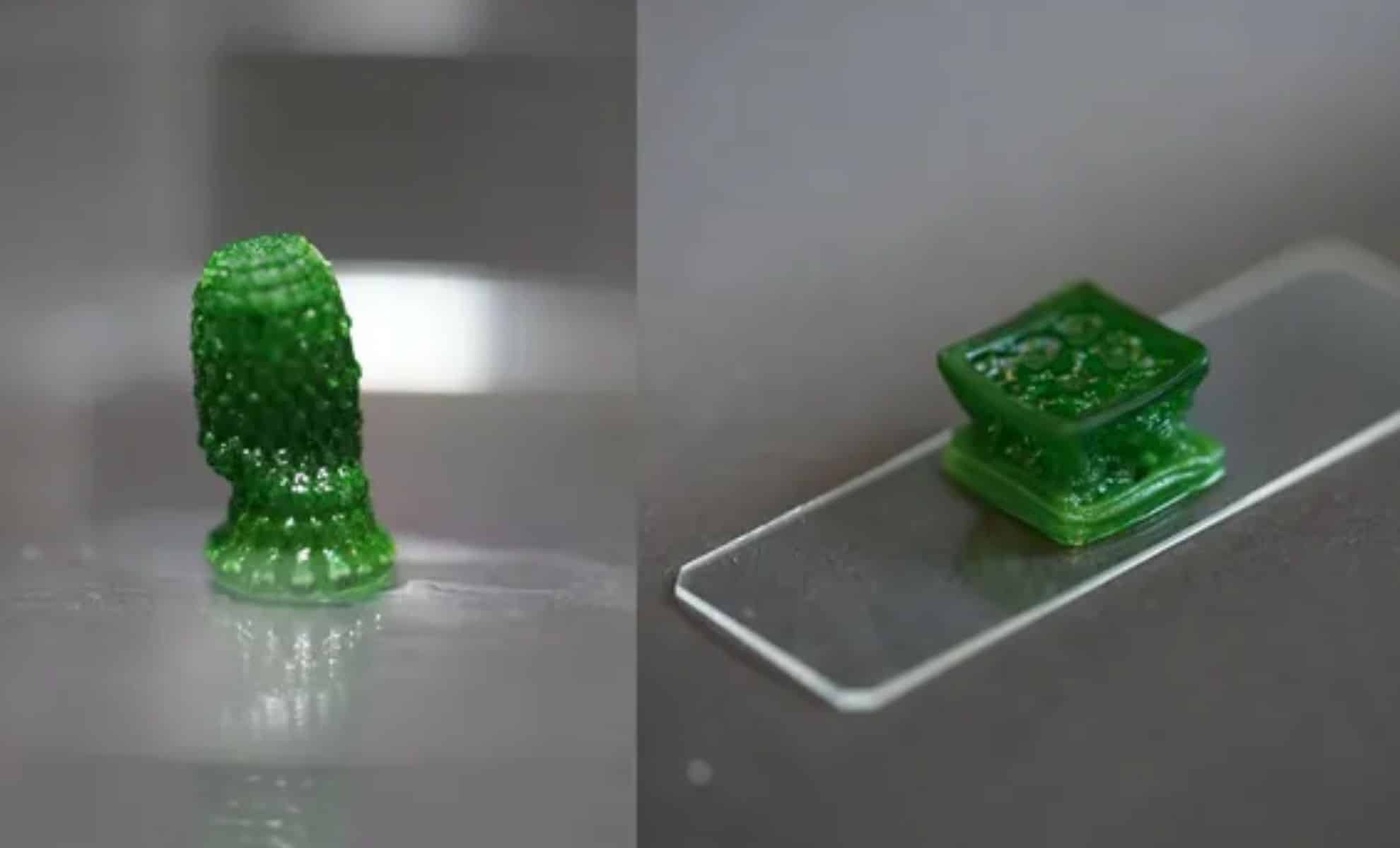
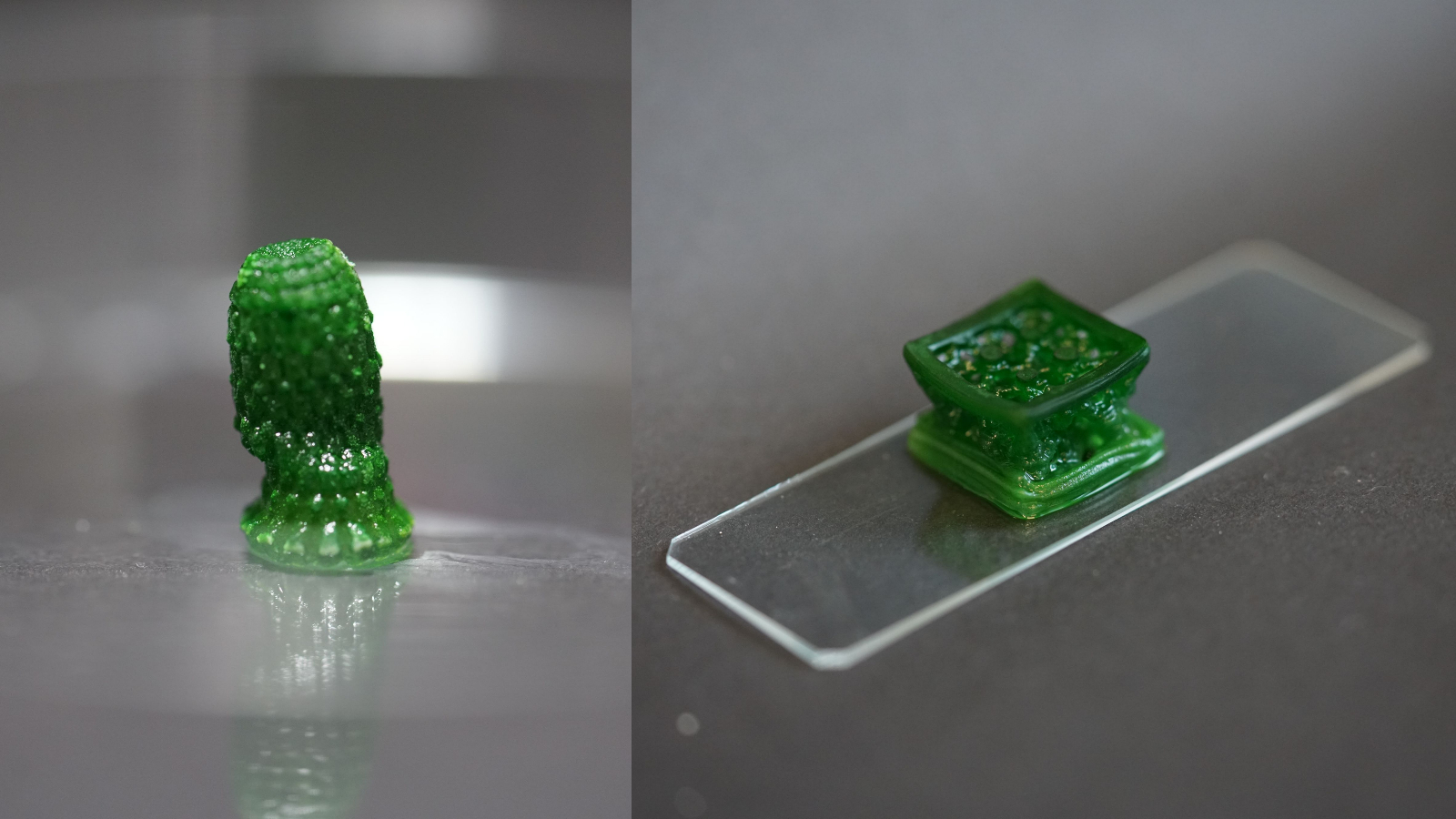
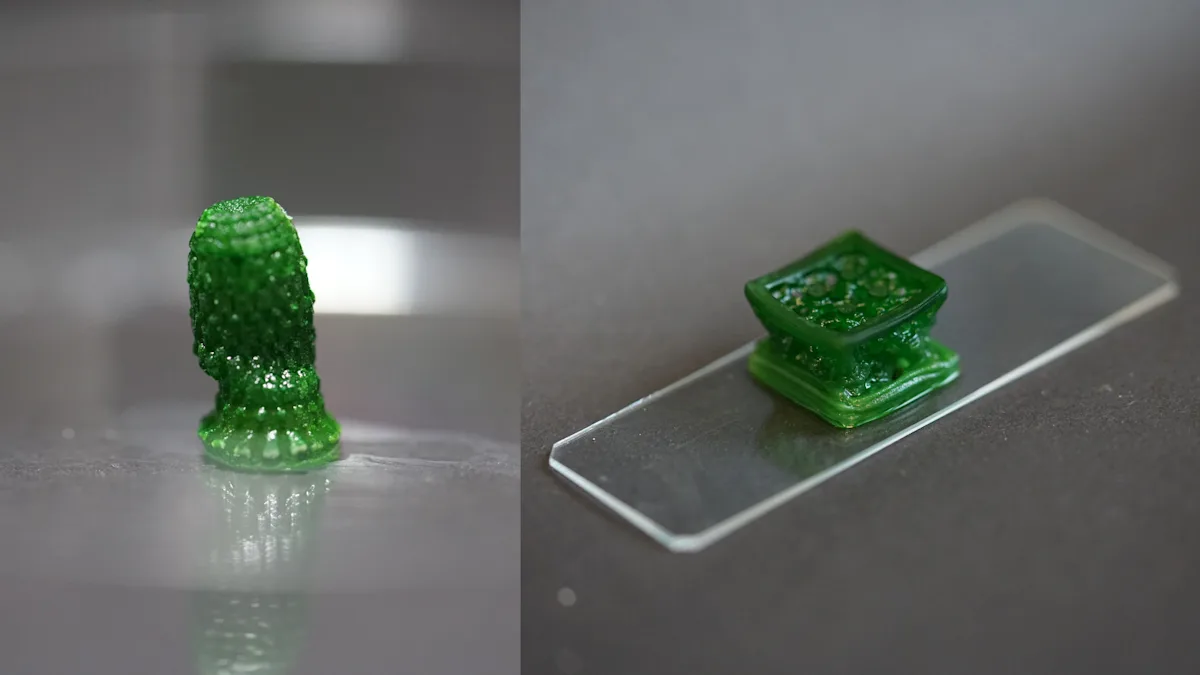
Researchers at ETH Zurich have developed a living, photosynthetic building material embedded with cyanobacteria that can absorb and convert CO2 into stable mineral forms, potentially transforming buildings into carbon sinks and offering a sustainable solution to climate change.
Scientists in Switzerland have developed a photosynthetic, living material containing blue-green algae that can absorb CO2 from the atmosphere and convert it into stable mineral forms, potentially serving as a sustainable building material to combat climate change.
Scientists in Switzerland have developed a 3D-printed, photosynthetic 'living' material containing blue-green algae that can convert CO2 into oxygen, sugars, and solid minerals like limestone, potentially serving as a sustainable building material that helps fight climate change by sequestering carbon directly from the atmosphere.
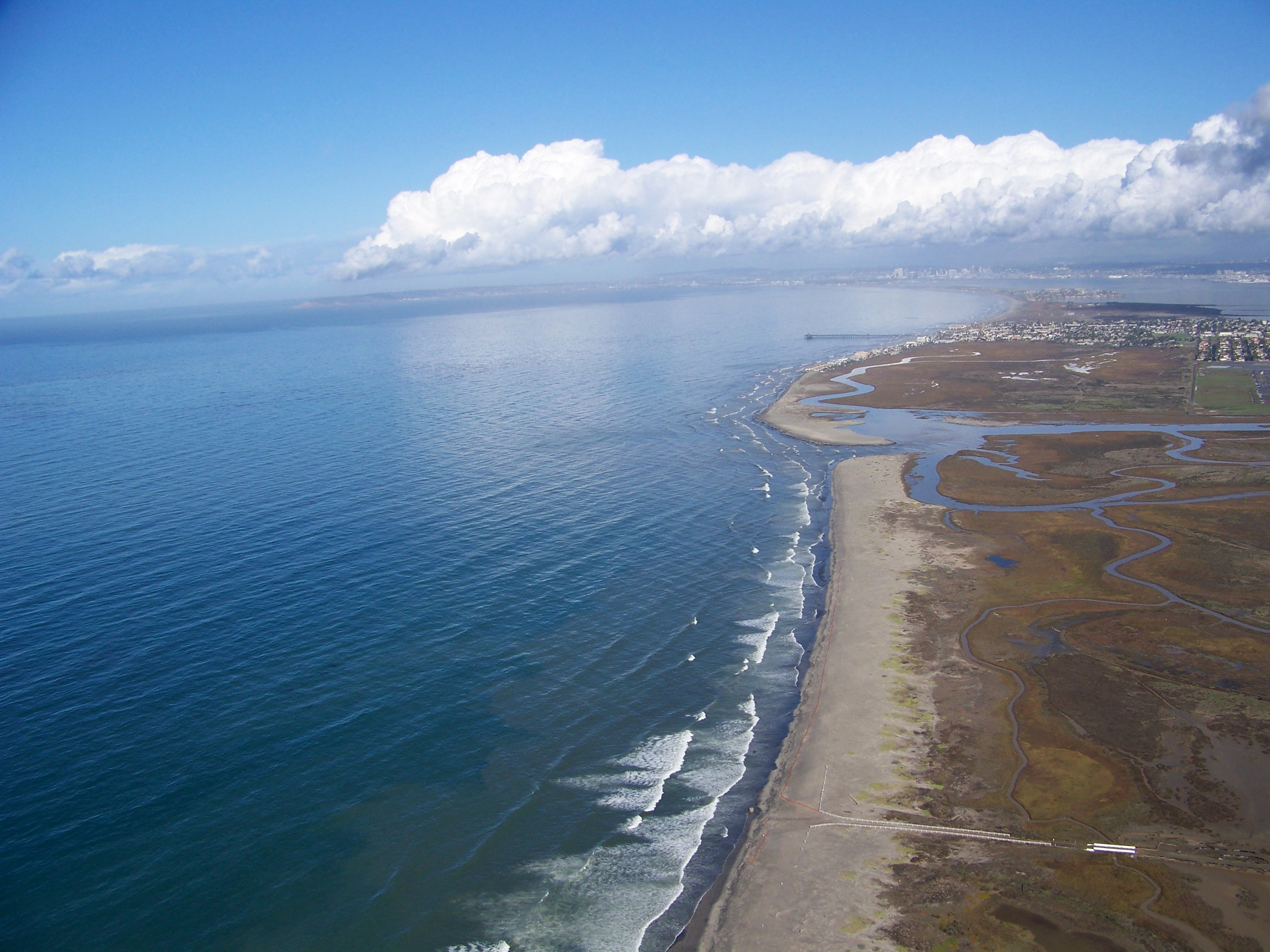
NASA's EMIT sensor on the International Space Station has detected signs of wastewater contamination off the California coast by identifying a pigment associated with cyanobacteria, demonstrating its potential to complement traditional water sampling methods and fill data gaps in pollution monitoring.
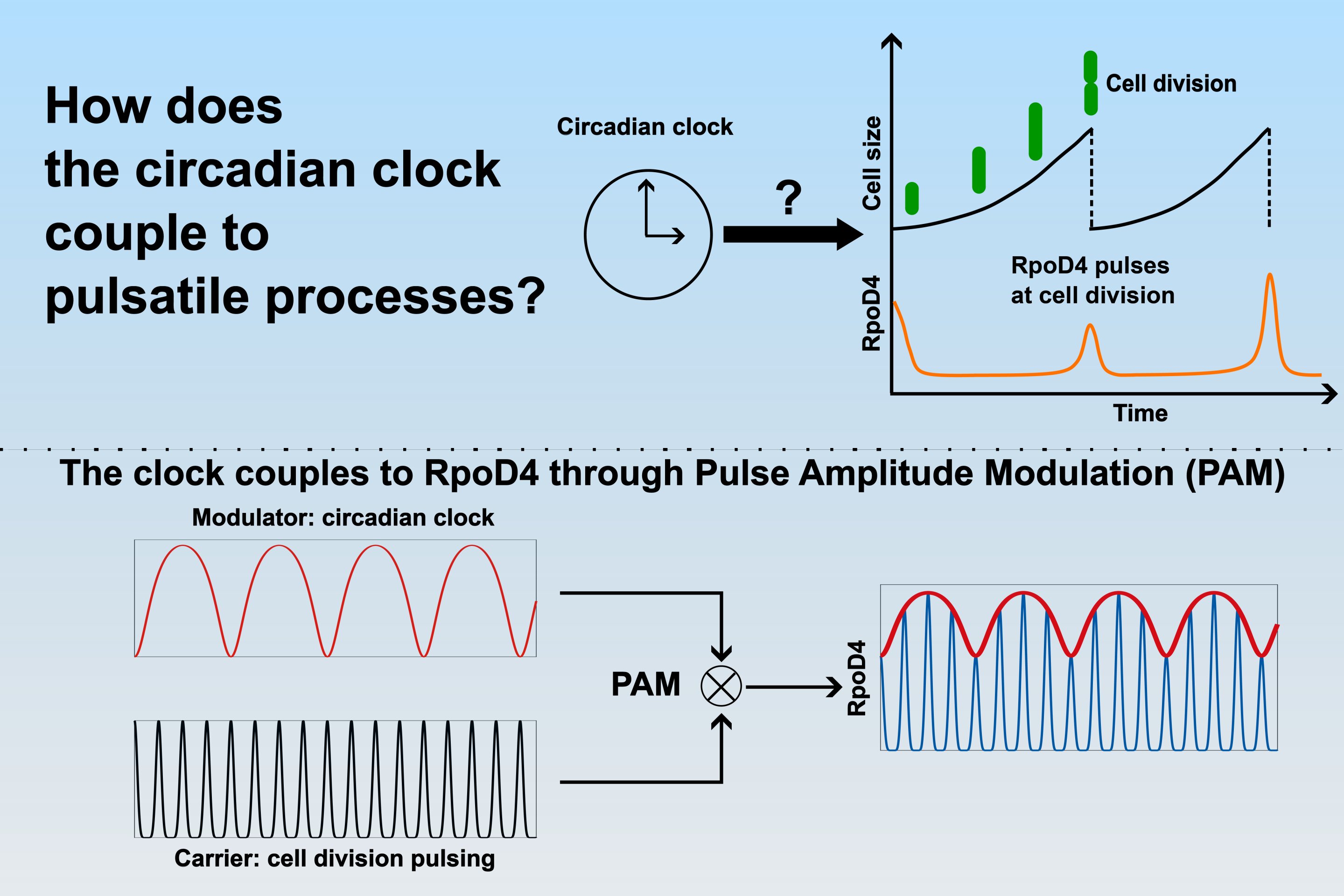
Researchers have discovered that cyanobacteria use a mechanism similar to AM radio to regulate cellular processes, integrating signals from their circadian clock and cell cycle. This process, known as pulse amplitude modulation, allows the bacteria to encode information about both oscillatory signals in the same output. The study, conducted by teams from the Sainsbury Laboratory and the University of Warwick, highlights the potential broader implications of this mechanism in synthetic biology and biotechnology.
Scientists have discovered living stromatolites on Sheybarah Island in Saudi Arabia's Red Sea, marking the first such find in the Middle East. These ancient microbial structures, formed by cyanobacteria, offer insights into Earth's early life and environmental conditions 3.48 billion years ago. The study, published in Geology, highlights the significance of stromatolites in the Great Oxygenation Event and their potential as biosignatures for extraterrestrial life.
Clear Lake in Northern California has experienced a significant algal bloom, turning its waters cloudy and green. The bloom, likely composed of toxic blue-green algae, is exacerbated by human activities such as agricultural runoff and faulty septic systems. This environmental issue threatens the lake's recreational activities and poses health risks.
Dr. Paul Cox, an ethnobotanist, discovered that the amino acid L-serine significantly reduces the neurotoxic effects of BMAA, a toxin linked to high rates of ALS and Alzheimer's-like symptoms in Guam. His findings suggest that L-serine, found in common foods, could be a potential treatment for Alzheimer's, leading to clinical trials to investigate its efficacy.
A striking image captured by NASA's Landsat 8 satellite in July 2018 shows a massive algal bloom in the Gulf of Finland, part of the Baltic Sea. The bloom, consisting mainly of cyanobacteria, formed a 15.5-mile-wide spiral and created a large "dead zone" due to decreased oxygen levels in the water. These blooms have increased in size and frequency due to nutrient run-off from human activities and rising sea temperatures, exacerbating the problem.
Researchers have discovered a new function of the enzyme carboxysomal carbonic anhydrase (CsoSCA) in cyanobacteria, which allows these algae to absorb more carbon dioxide from the air than previously known. This finding could lead to the development of climate-resilient crops that require less nitrogen fertilizer and water, while also capturing more carbon dioxide, potentially cooling the planet and securing food supplies.
Researchers have discovered a fractal-forming enzyme produced by a cyanobacterium, which assembles into a Sierpiński triangle, a pattern not previously observed in molecules. The structure appears to be a rare accident of evolution, with no discernible biological function. It takes only a few mutations for the molecule to alter its shape, and the fractal pattern has emerged and disappeared in different species of cyanobacteria multiple times in the past. The findings suggest that evolutionary transitions in self-assembly may be more common than previously thought, with many unique assemblies evolving over time but not persisting.