Tag

Bacterium

All articles tagged with #bacterium

Israeli Researchers Develop First mRNA Vaccine Against Antibiotic-Resistant Bacteria

Originally Published 6 months ago — by The Jerusalem Post

Featured image for Israeli Researchers Develop First mRNA Vaccine Against Antibiotic-Resistant Bacteria
Source: The Jerusalem Post

Israeli researchers from Tel Aviv University have developed the world's first mRNA-based vaccine against Yersinia pestis, the bacterium causing bubonic plague, demonstrating 100% protection in animal models and highlighting its potential for preventing deadly bacterial infections and bioterrorism threats.

"Unveiling Ancient Photosynthesis Secrets in Canadian Lake Bacterium"

Originally Published 1 year ago — by Phys.org

Featured image for "Unveiling Ancient Photosynthesis Secrets in Canadian Lake Bacterium"
Source: Phys.org

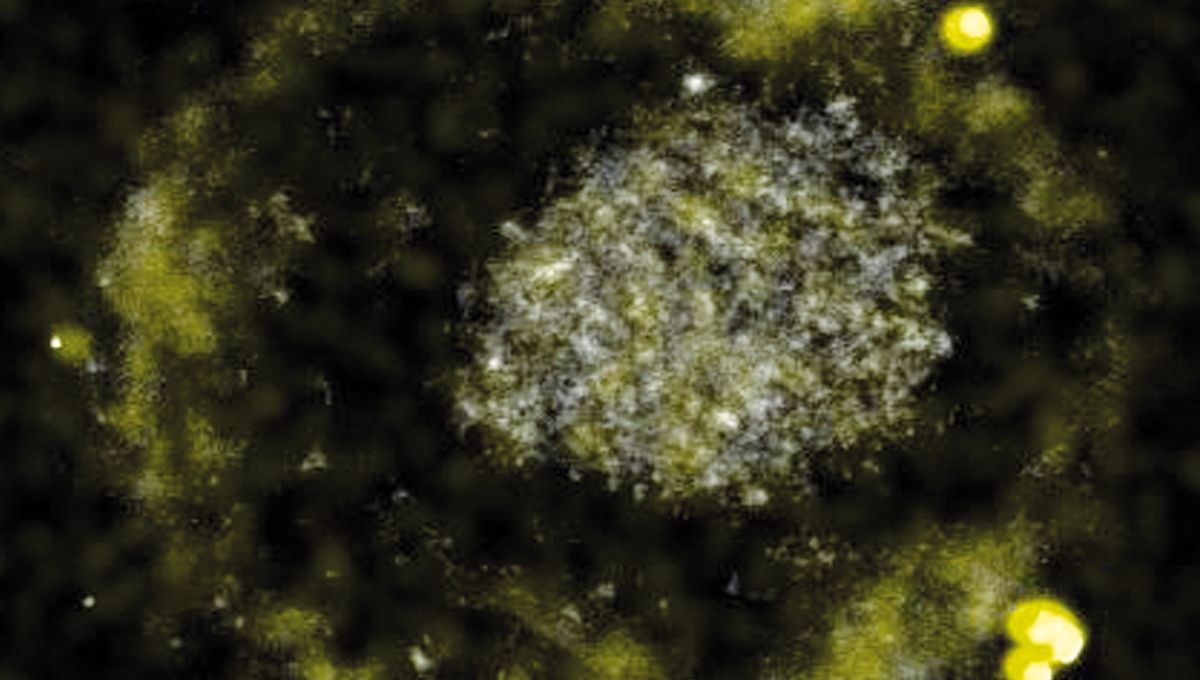
A Ph.D. student's persistence with a poorly growing bacterial sample from a Canadian lake led to the discovery of a highly unusual bacterium that challenges current scientific knowledge of photosynthesis. The bacterium, found in Lake 227 at the IISD-Experimental Lakes Area, is believed to be a new branch of photosynthetic life and a key piece of the puzzle for resolving how photosynthesis developed on Earth. This unexpected finding could alter perspectives on the origins of photosynthetic life and has opened up new research avenues to understand how photosynthesis transformed the Earth throughout its history.

Unraveling the Enigma: Insights into the Mysterious Dog Illness

Originally Published 2 years ago — by Patch

Featured image for Unraveling the Enigma: Insights into the Mysterious Dog Illness
Source: Patch

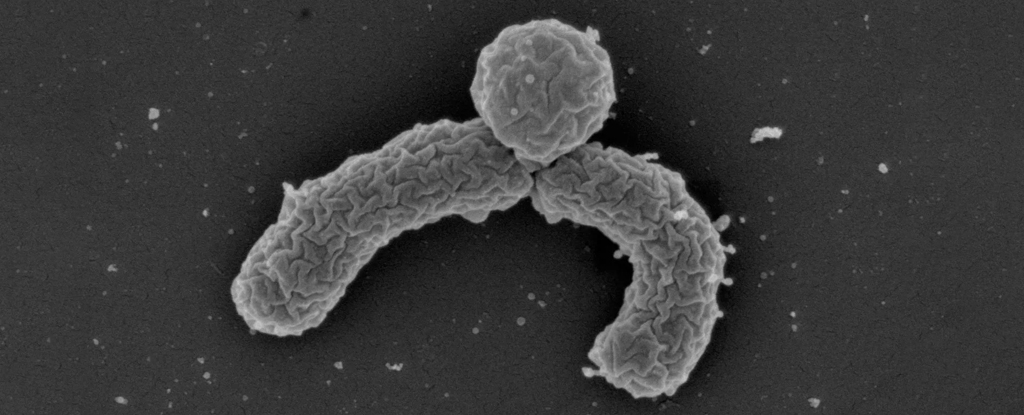
Researchers from the University of New Hampshire may have identified the cause of a mysterious respiratory illness that has affected dogs in California and other states. Using genetic sequencing, they discovered a bacterium that may be "host adapted" and part of the dog microbiome. The illness is resistant to antibiotics and other therapies, making it difficult to treat. Identifying the bacterium could lead to the development of effective treatments. The illness starts with a persistent cough and can progress rapidly to pneumonia and death. Further research is needed to confirm the discovery, but early findings are promising.

The Growing Concern: Unraveling the Mystery of the Dog Respiratory Illness

Originally Published 2 years ago — by National Geographic

Featured image for The Growing Concern: Unraveling the Mystery of the Dog Respiratory Illness
Source: National Geographic

A mysterious respiratory illness is spreading among dogs in more than a dozen states in the US. Researchers have identified a previously undescribed bacterium that may be the cause, but further investigation is needed. The illness, which resembles a canine version of the common cold, lasts longer than typical respiratory conditions and is resistant to most treatments. While most cases are not fatal and the pathogen does not appear to transmit to humans, precautions such as staying updated on local outbreaks and ensuring dogs are vaccinated are recommended.

"Breakthrough Antibiotic Approach Shows Promise in Combating Lyme Bacterium"

Originally Published 2 years ago — by Phys.org

Featured image for "Breakthrough Antibiotic Approach Shows Promise in Combating Lyme Bacterium"
Source: Phys.org

Researchers at Duke Health have developed a promising new antibiotic approach that targets the bacterium responsible for Lyme disease. Using a molecular facilitator called high-temperature protein G (HtpG) and a photosensitive drug, the team successfully annihilated the Lyme bacteria in cell cultures. The approach holds potential for targeting other bacteria, fungi, and viruses. This innovative strategy opens up new possibilities for antibiotic development by exploiting previously unexplored druggable areas within bacteria to deliver cellular toxins.

Scientists Uncover Powerful Compound that Outsmarts Antibiotic Resistance

Originally Published 2 years ago — by ScienceAlert

Featured image for Scientists Uncover Powerful Compound that Outsmarts Antibiotic Resistance
Source: ScienceAlert

Scientists have discovered a potent substance called clovibactin, isolated from a strain of bacterium found in sandy soil, which may help evade antibiotic resistance. Clovibactin binds to a simple and immutable target in bacteria, making it difficult for them to develop resistance. While it will take about a decade to develop into a usable drug, researchers are optimistic about its potential. This discovery expands our understanding of antibiotics and offers hope in the fight against antimicrobial resistance, which is a growing global concern.

Emerging Disease: Bacterium-Carrying Chiggers Found in North Carolina

Originally Published 2 years ago — by WUNC

Featured image for Emerging Disease: Bacterium-Carrying Chiggers Found in North Carolina
Source: WUNC

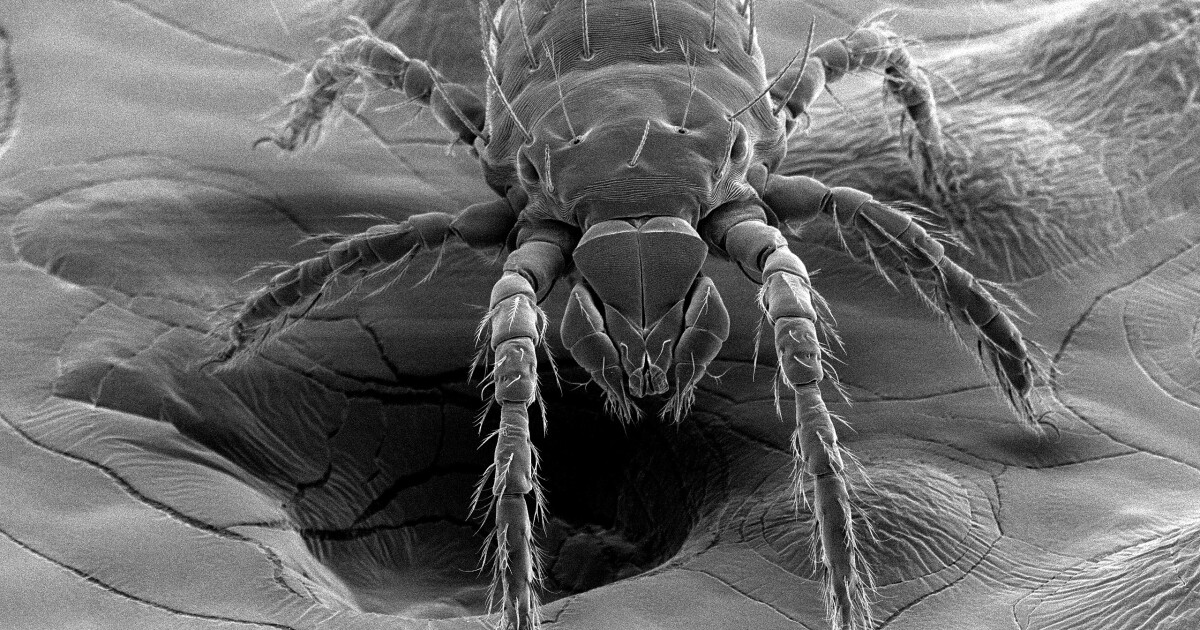
Researchers at North Carolina State University and UNC Greensboro have discovered a bacterium that causes scrub typhus, a disease not previously seen in the United States, in chiggers found in North Carolina. While scrub typhus has not yet been detected in animals or humans in the state, the disease can be fatal if left untreated. The origin and prevalence of the bacterium in North Carolina are still unknown, and further research is needed to determine if the infected chiggers will cause disease. Researchers are resampling chiggers in recreational park sites to gather more information.

Revolutionizing Hydrogen Fuel Production with Bio-inspired Nano Approach.

Originally Published 2 years ago — by Chemistry World

Featured image for Revolutionizing Hydrogen Fuel Production with Bio-inspired Nano Approach.
Source: Chemistry World

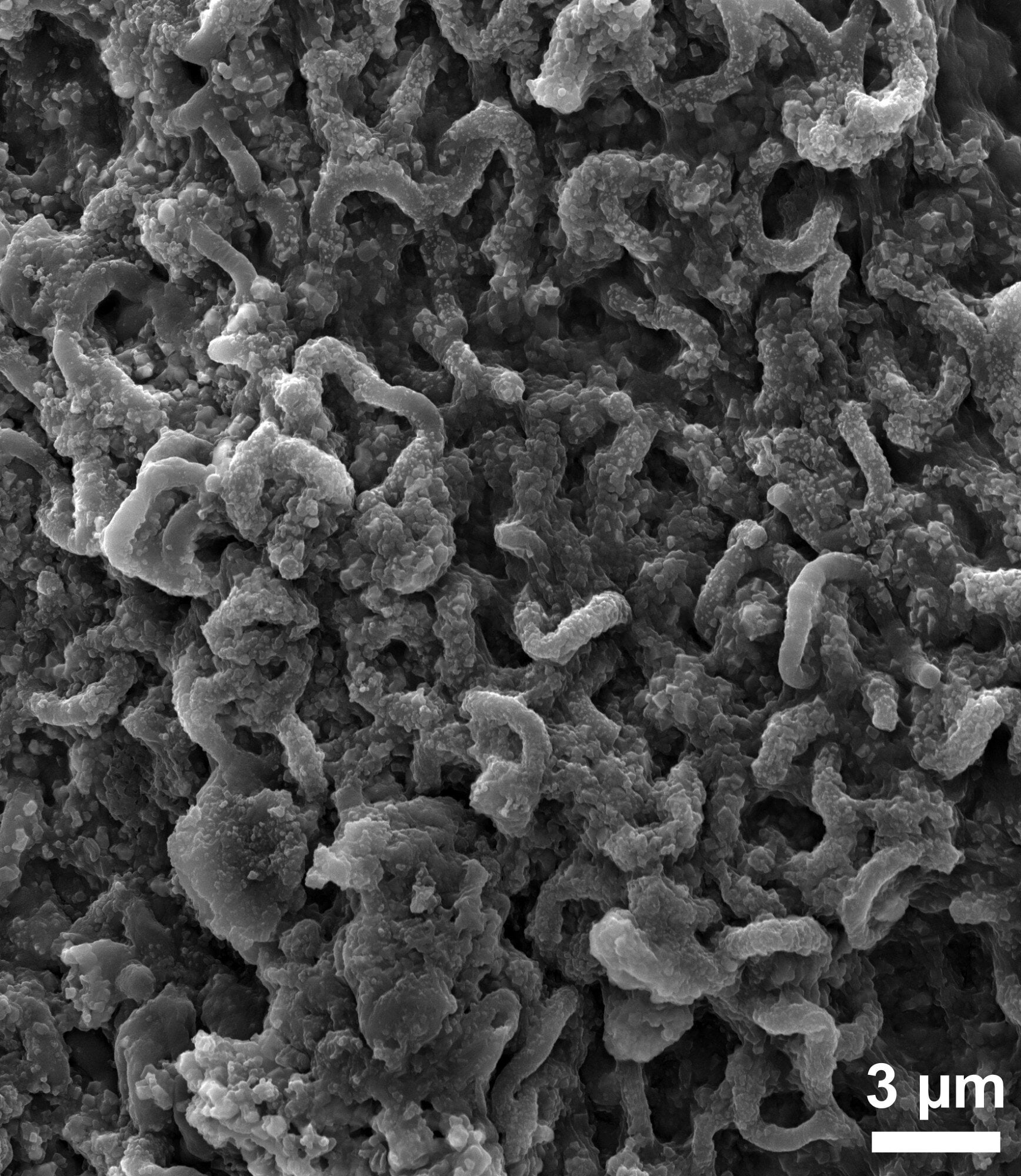
Researchers at the University of Rochester have developed a new hybrid bio-nano system that combines finely-tuned photocatalytic semiconducting nanoparticles to make hydrogen with a bacterium which, while it does not photosynthesise or make hydrogen itself, it provides the necessary electrons to the nanomaterial to synthesise hydrogen. The system could offer a promising new route for producing sustainable solar-driven hydrogen fuel.

Tiny Bacterium Turns Heavy Metal into Gold

Originally Published 2 years ago — by IFLScience

Featured image for Tiny Bacterium Turns Heavy Metal into Gold
Source: IFLScience

Cupriavidus metallidurans, a bacterium found in soil rich in toxic elements, can absorb compounds rich in toxic metals and extract gold from them, producing tiny gold nuggets. The bacterium has evolved to need copper to survive and can activate a special enzyme, called CupA, which can pump out all the excess copper and keep the bacterium healthy. When gold is present, the CupA is made inactive and a different enzyme, CopA, is made active, which transforms the copper and gold compounds into forms that are difficult to absorb, resulting in harmless gold nuggets only a few nanometres in size.