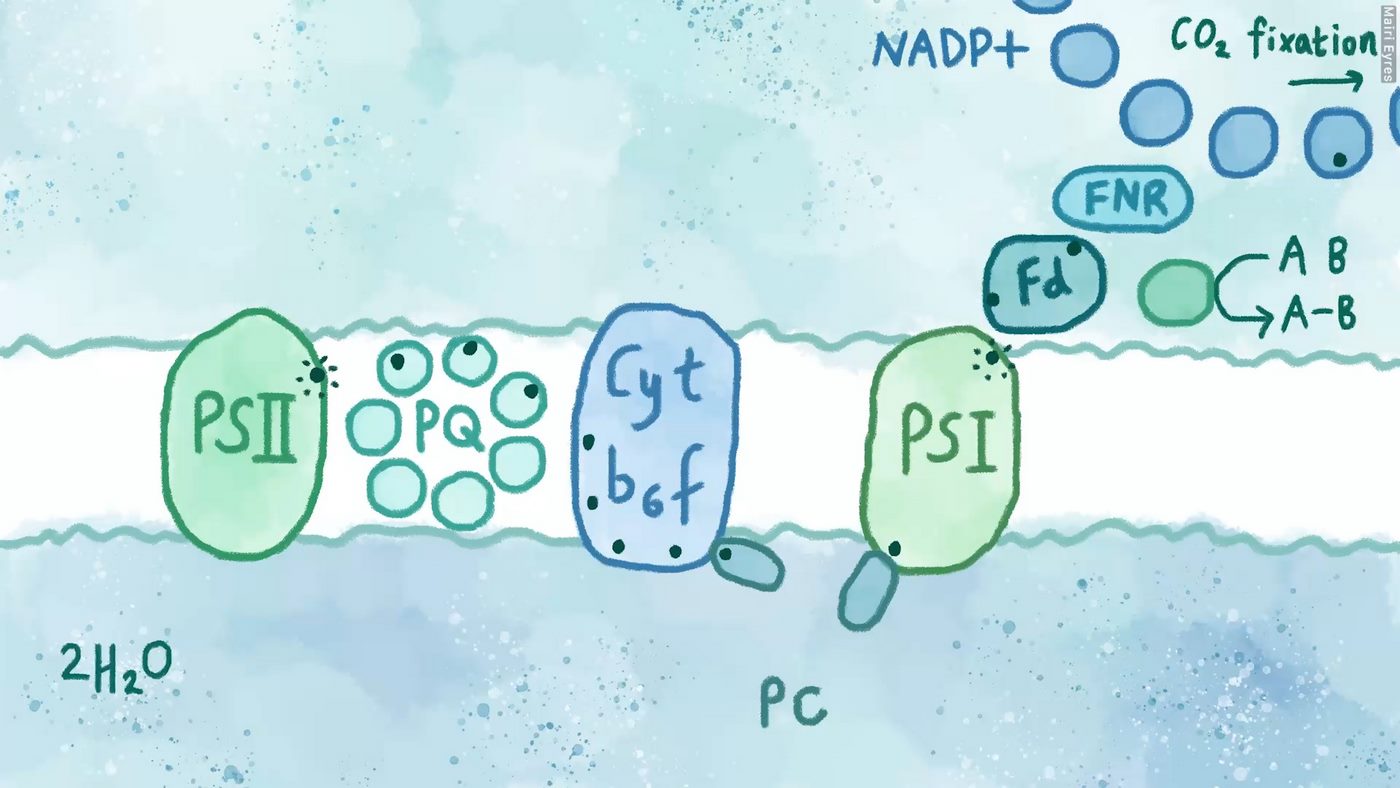
Scientists from IISc and Caltech have uncovered why electrons in Photosystem II transfer only through the D1 branch, revealing that higher energy barriers in the D2 branch prevent electron flow, a discovery that could inform the development of artificial photosynthetic systems.
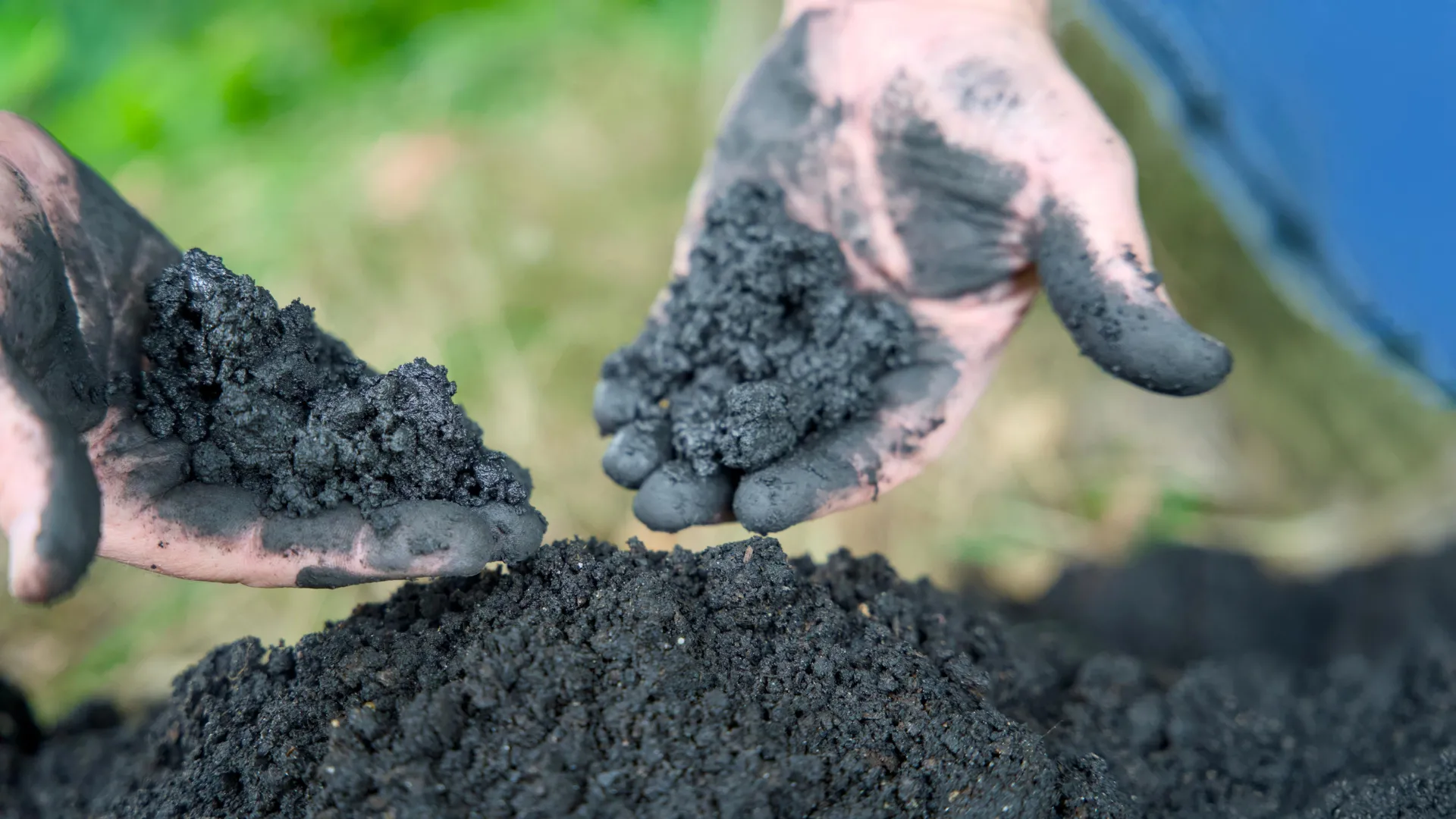
Research by Dr. Gao's team reveals that biochar can actively degrade organic pollutants through direct electron transfer, making it a more powerful and sustainable tool for water treatment than previously thought, potentially reducing chemical use and costs in wastewater management.
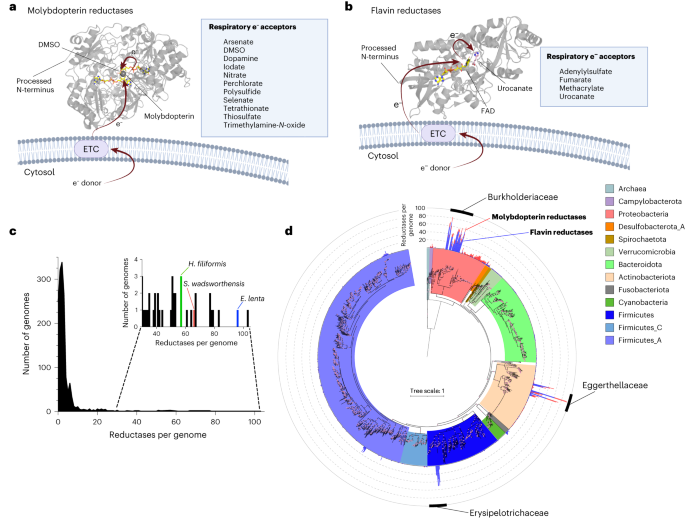
Recent research has highlighted the complex interactions between dietary and host-derived metabolites and the diverse gut bacteria that utilize them for anaerobic respiration. These studies reveal the intricate ways in which gut microbes, including both commensal and pathogenic bacteria, adapt to the oxygen-limited environment of the gastrointestinal tract by employing various electron acceptors for energy production. Understanding these metabolic pathways is crucial for comprehending the role of the gut microbiota in health and disease, and could lead to novel therapeutic strategies targeting the microbial metabolism within the human gut.
Researchers have discovered a new way to extract energy from the initial stages of photosynthesis, which could lead to generating clean fuel and renewable energy solutions. Using ultrafast spectroscopic techniques, the team found that electron extraction from the molecular structures responsible for photosynthesis occurs at earlier stages than previously assumed. This “rewiring” of photosynthesis could lead to better management of excess energy and the development of new, more efficient methods for harnessing its potential.
Scientists studying photosynthesis have stumbled upon a new electron transfer pathway that could help improve the efficiency of renewable energy technologies. The discovery was made while trying to extract electrons from a known process in the early stages of photosynthesis. The researchers found that the protein scaffold where the initial chemical reactions of photosynthesis take place is leaky, enabling some electrons to escape. This leakiness could help plants protect themselves from damage from bright or rapidly changing light. The new understanding of photosynthesis could create new and more efficient ways of harnessing the process’s power to generate biofuels.