MIT scientists have enhanced the efficiency of rubisco, a key enzyme in photosynthesis, by up to 25% using continuous directed evolution, which could lead to faster-growing crops and improved plant efficiency, benefiting food production and climate efforts.
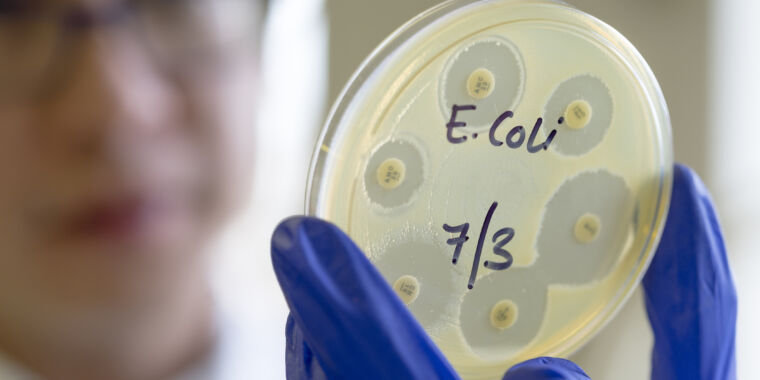
Researchers at Cambridge have developed a synthetic DNA replication system in E. coli that allows for rapid and risk-free generation of genetic mutations, accelerating evolution of specific genes. This system, inspired by nature, uses an error-prone DNA replication enzyme to spur rapid evolution while leaving the organism's essential genes unaffected. The researchers successfully demonstrated the system's ability to evolve new functions, such as antibiotic resistance and increased fluorescence in a gene encoding green fluorescent protein. This approach could have significant implications for developing enzymes and proteins with applications in research, medicine, and industry.
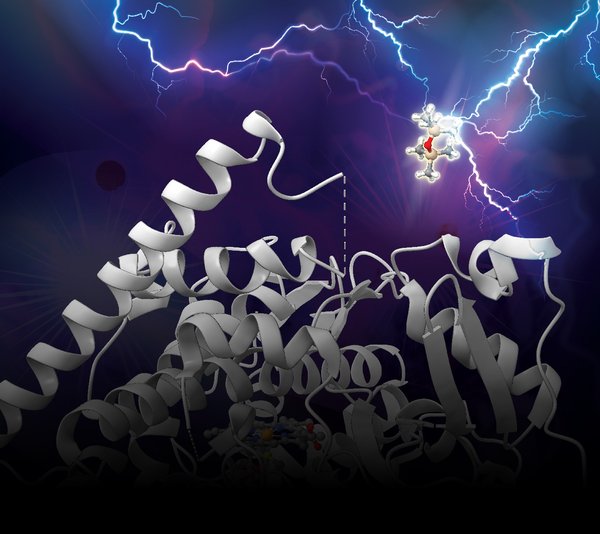
Scientists have successfully engineered an enzyme capable of breaking man-made silicon-carbon bonds found in widely used siloxane chemicals, marking a significant step towards making these chemicals biodegradable. The breakthrough, achieved through directed evolution, could lead to the development of natural organisms or improved enzymes that can degrade siloxanes, which are present in various household and industrial products. The research, published in the journal Science, offers promising implications for environmental and health safety, as siloxanes are known to persist in the environment and pose potential risks.