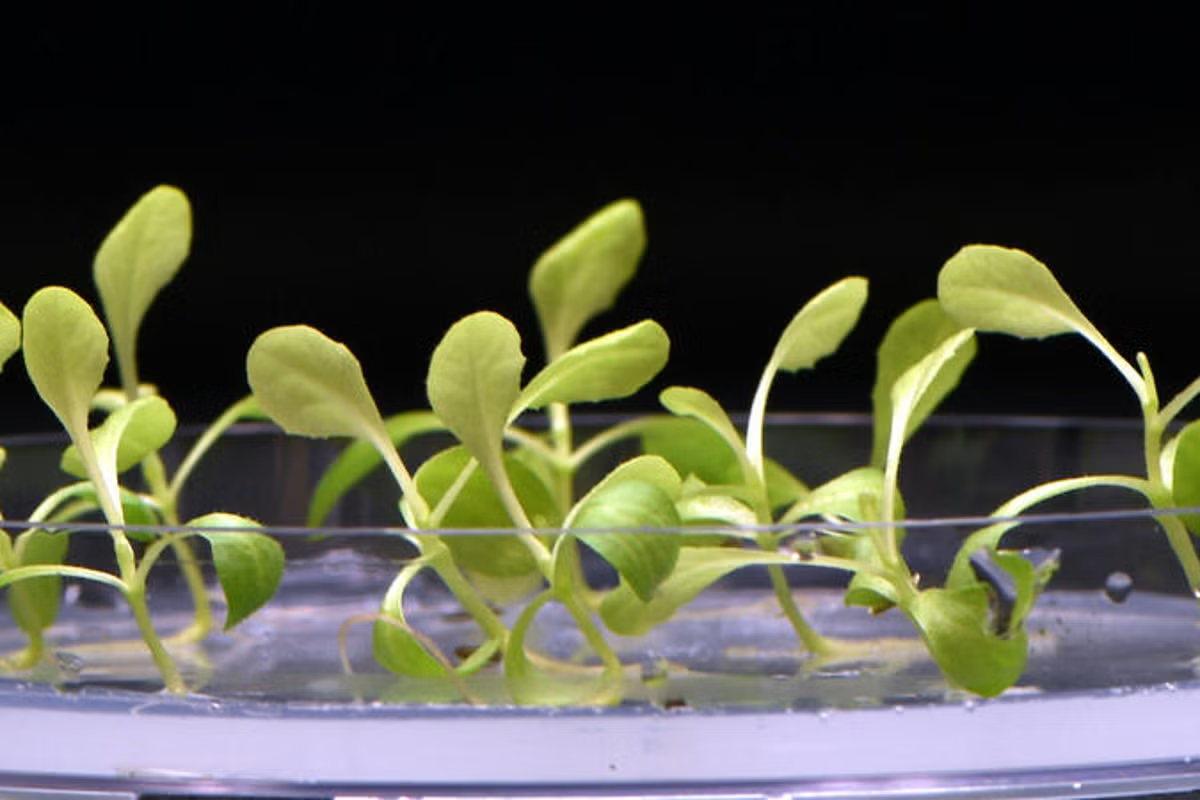
Scientists at the University of Basel have developed a molecule capable of storing multiple charges from sunlight under natural conditions, marking a significant step toward artificial photosynthesis, which could produce storable, carbon-neutral fuels for sectors difficult to electrify, such as shipping and aviation.
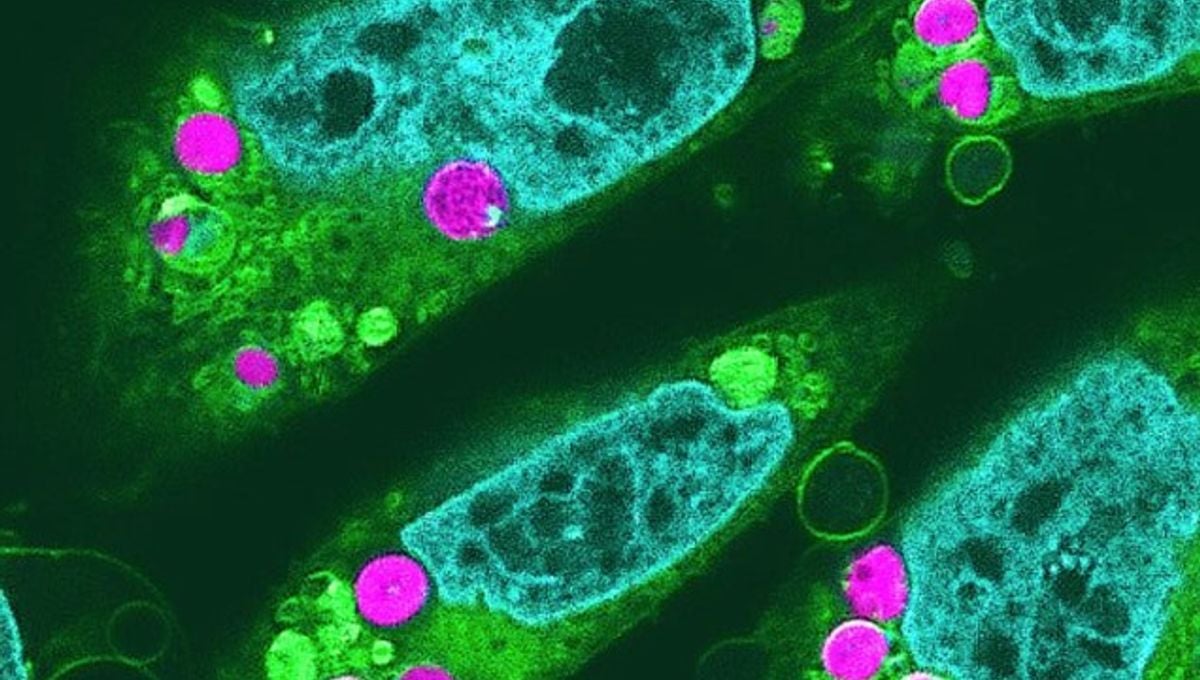
Scientists have successfully induced photosynthesis in animal cells by implanting chloroplasts from red algae into Chinese hamster ovary cells, creating "planimal" cells. This breakthrough, reported in the Proceedings of the Japan Academy, Series B, could pave the way for advancements in medical applications and lab-grown meat production. Although the chloroplasts degrade after a few days, the research suggests potential for developing photosynthetic animal cells, which could contribute to a more carbon-neutral society.
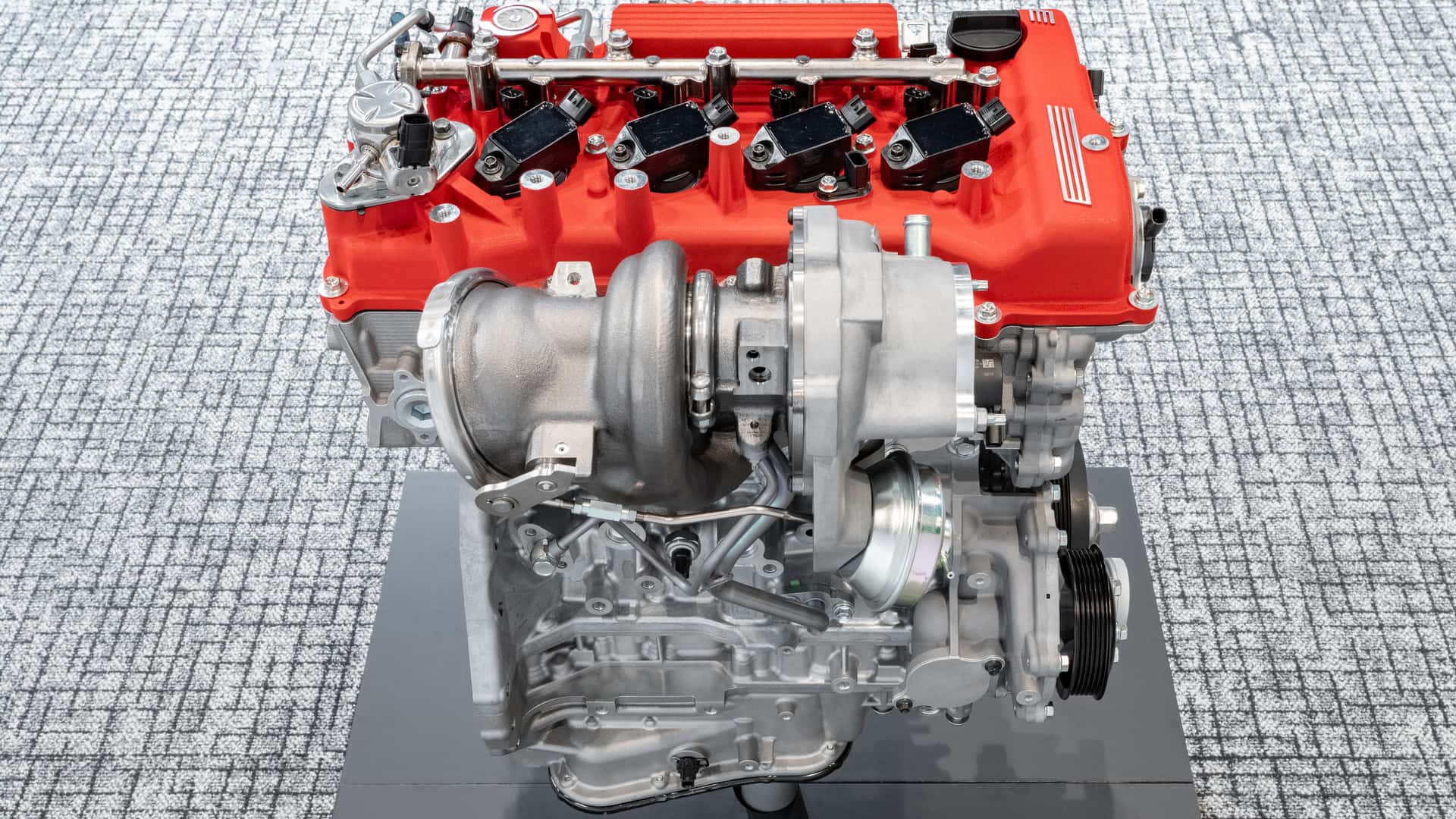
Toyota, Subaru, and Mazda have announced new low or no-carbon combustion engines that can use alternative fuels, posing a significant challenge to pure-play electric vehicle makers like Tesla, Rivian, and Nio. These new engines, which can be used in hybrid vehicles, address several issues currently hindering EV adoption, such as cost, range anxiety, and charging infrastructure. This development could shift the competitive landscape in the automotive industry, favoring companies with diversified approaches to low-carbon transportation.
Toyota has unveiled a new family of smaller, more efficient inline-four engines that can run on both fossil fuels and carbon-neutral alternatives. These engines, developed in collaboration with Mazda and Subaru, promise significant improvements in power and efficiency and are optimized for hybrid and plug-in hybrid applications. Toyota aims to debut these engines in electrified cars by the end of 2026 and is also working on establishing a carbon-neutral fuel supply chain.
Hyundai announces that hydrogen will play a prominent role in its efforts to go carbon neutral by 2050, with plans to use hydrogen in passenger cars, trucks, buses, trams, and more. The company aims to offtake 3 million tons of hydrogen per year by 2035 and is also focusing on software-defined vehicles, including AI integration and a "Software-Defined Everything" strategy.
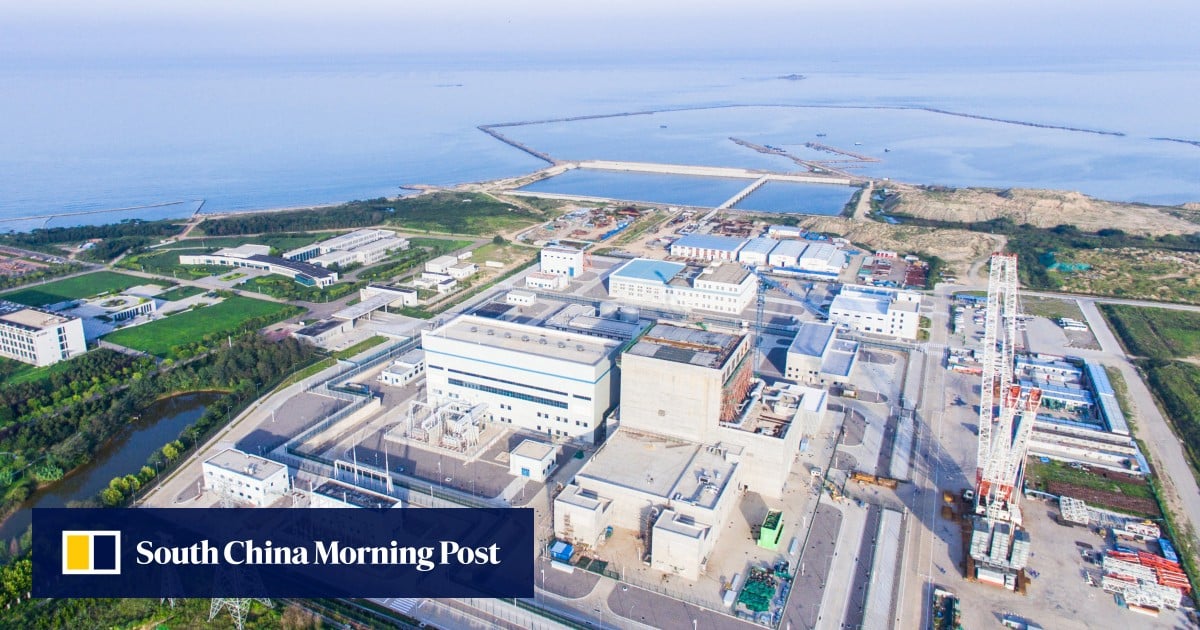
China's Shidaowan nuclear power plant, the world's first fourth-generation reactor, has begun commercial operations. The high temperature gas-cooled reactor (HTGR) uses helium gas instead of water for cooling, making it a promising option for inland nuclear plants. The reactor aims to be safer, more sustainable, and efficient, with the ability to produce heat, power, and hydrogen. Fourth-generation reactors are designed to limit environmental impact, nuclear waste, risk of meltdown, and opportunities for nuclear proliferation. China has been increasing its nuclear capacity, but nuclear power still only accounts for 5% of the country's energy generation.
Apple has unveiled its first carbon neutral products with the release of the new Apple Watch lineup, marking a significant step towards its Apple 2030 goal of making every product carbon neutral. The company has achieved emissions reductions of over 75% for each carbon neutral Apple Watch through innovations in design and clean energy. Apple has also made other environmental efforts, such as ending the use of leather, introducing fiber-based packaging, and expanding the use of recycled materials in its products.
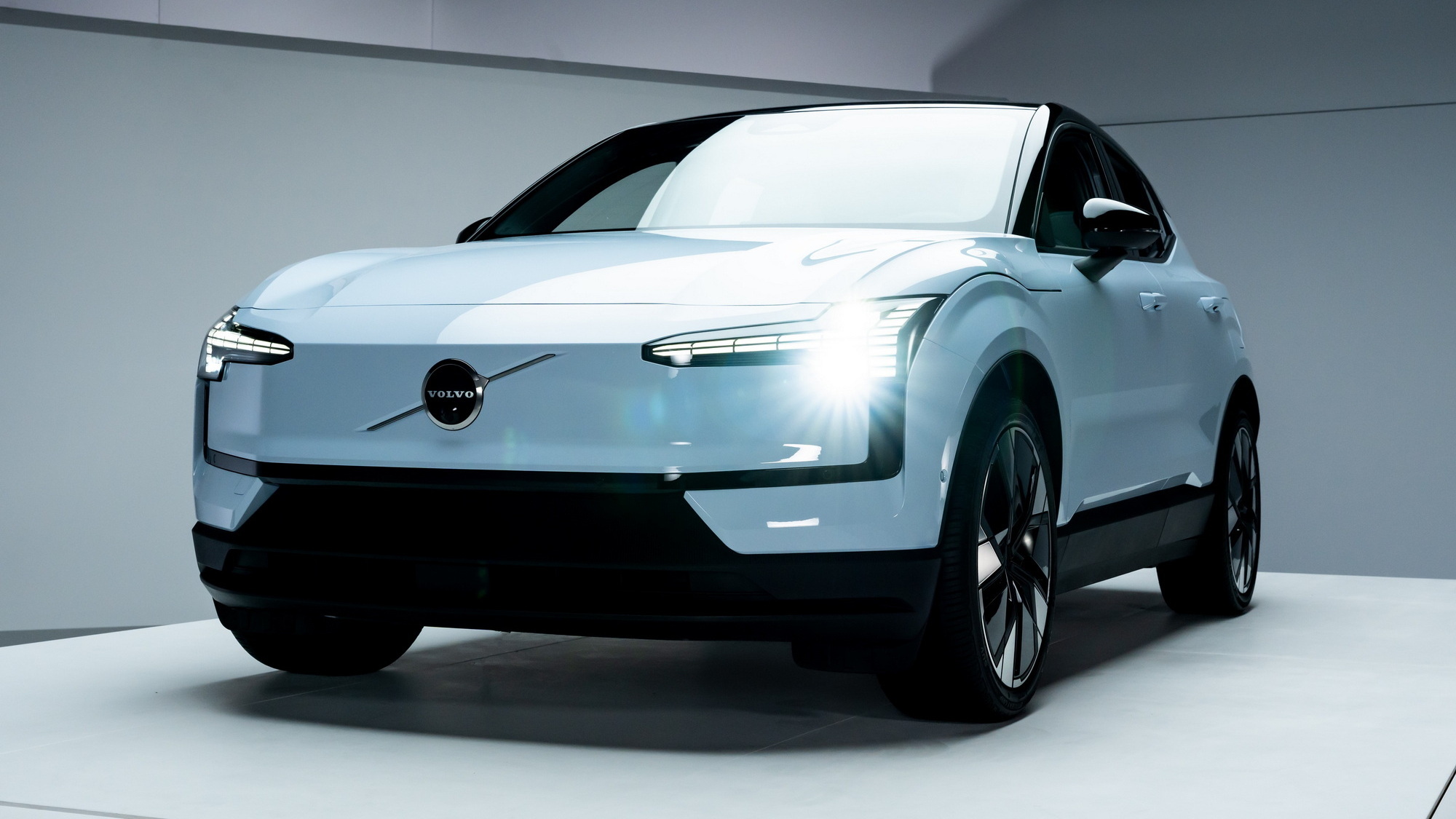
Volvo has pledged to sell only full-electric vehicles after 2030, without any exceptions. The company's chief commercial officer, Bjorn Annwall, said that Volvo would not sell a single car that is not full-electric after 2030, regardless of market. While this could potentially cost the company in markets that aren't ready for EVs, Volvo's CEO, Jim Rowan, said that the company would "gain a lot more than we sacrifice." Market projections suggest that EVs will only make up 27% of the US market's sales by 2030.
The EU has delayed a vote on the bloc's renewable energy targets as member states continue to argue about the role of nuclear power in the clean energy targets. The Renewable Energy Directive is a key part of the European Green Deal, the agreement paving the way for the EU to become a carbon-neutral bloc by 2050. The provisional deal needs to be endorsed by the EU member states and the European Parliament to become a binding law.
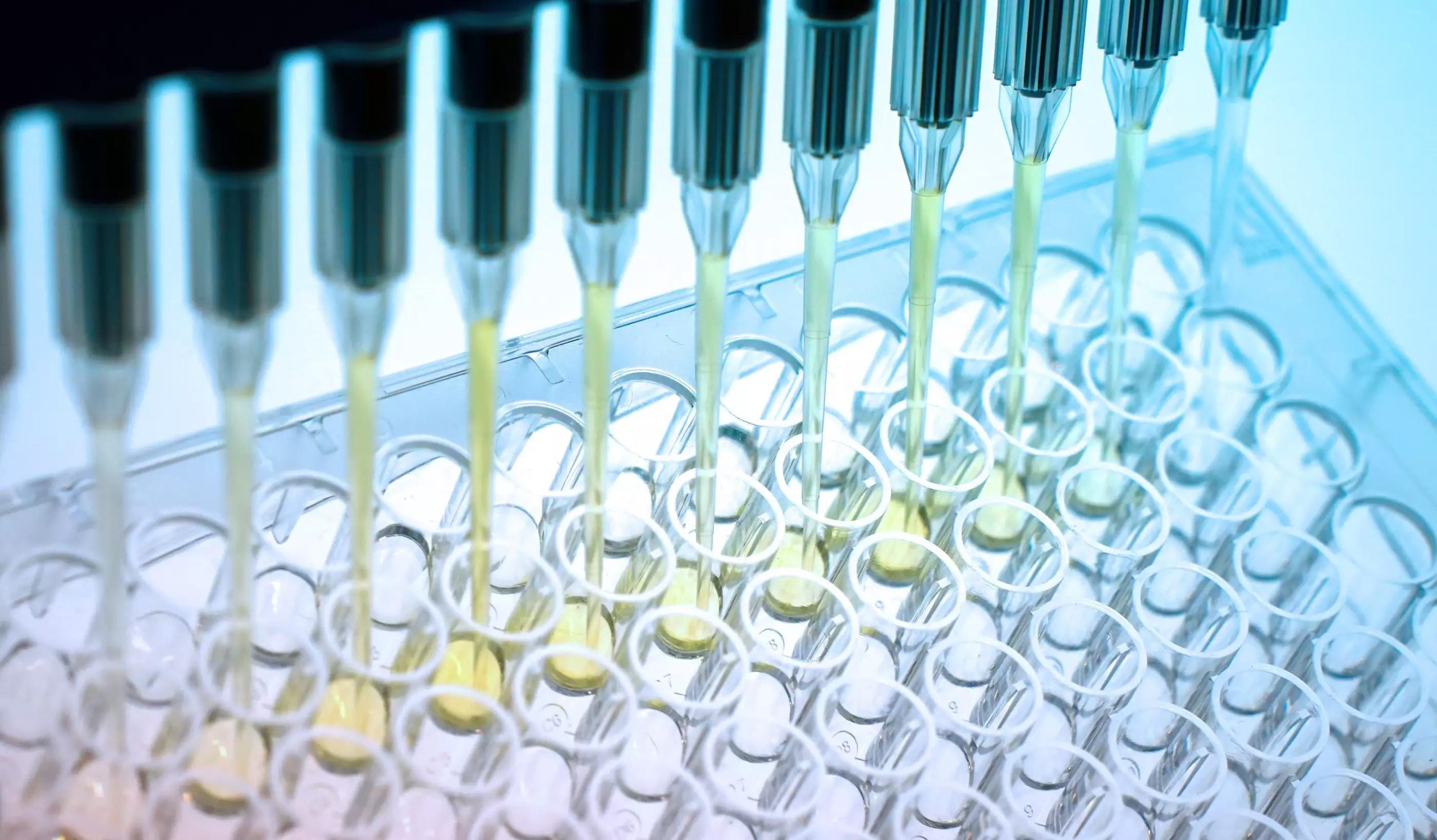
Scientists at the Max Planck Institute have developed a synthetic metabolic pathway that converts carbon dioxide into formaldehyde via formic acid, offering a carbon-neutral method for producing valuable materials. The researchers optimized enzymes using high-throughput methods to achieve a fourfold improvement in production. The long-term goal is an "all-in-one platform" from carbon dioxide via an electrobiochemical process to products like insulin or biodiesel.
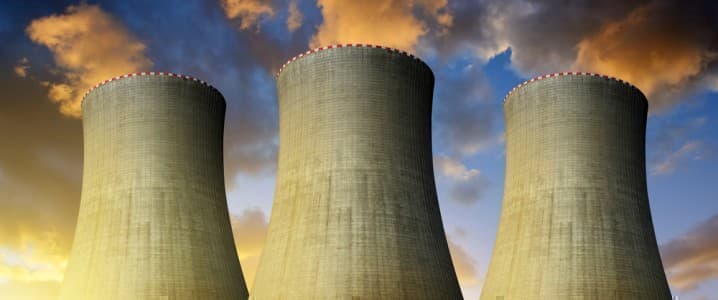
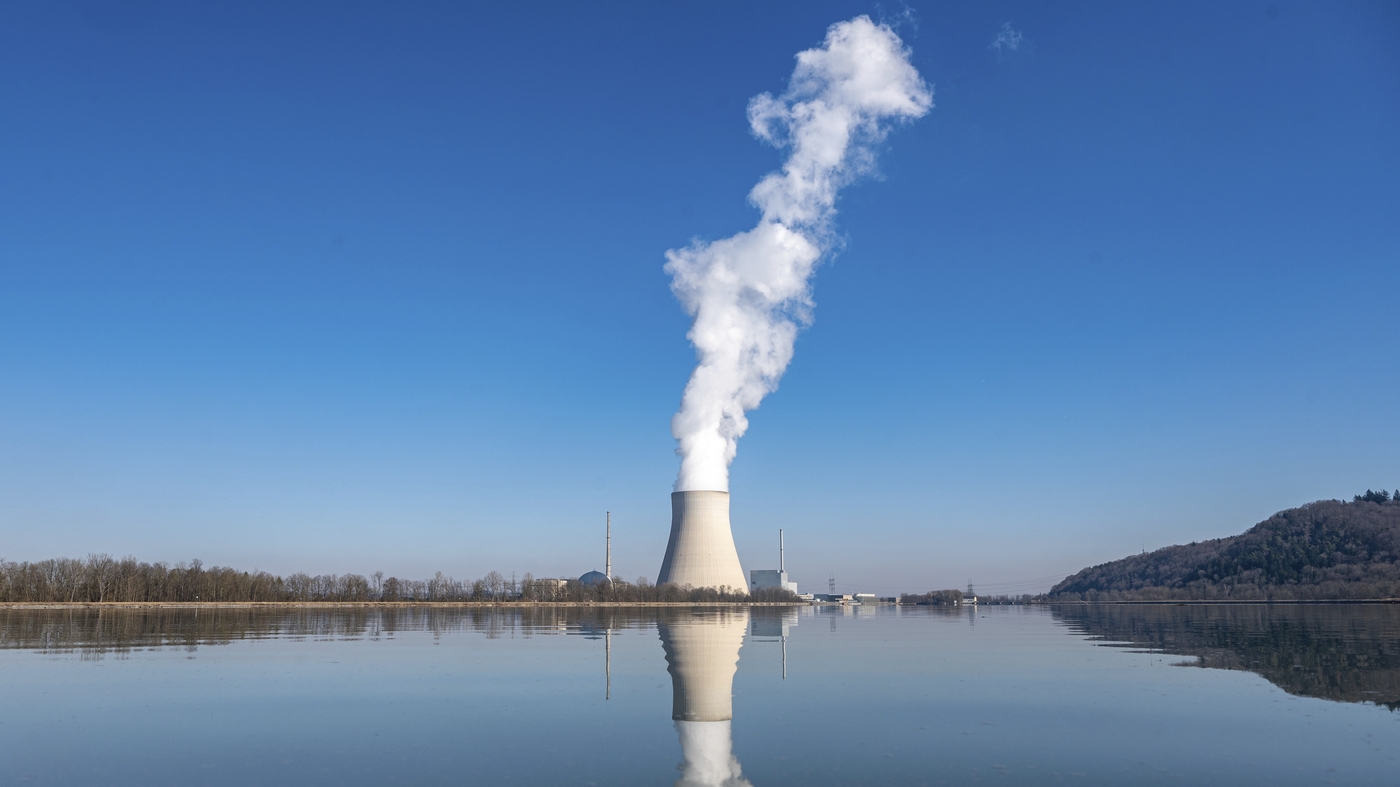
Germany has begun shutting down its last three nuclear power plants as part of its transition towards renewable energy. The shutdown was agreed to more than a decade ago and has been closely watched abroad. While defenders of atomic energy argue that fossil fuels should be phased out first, public pressure in Germany, stoked by nuclear disasters at Three Mile Island, Chernobyl, and Fukushima, put pressure on successive German governments to end the use of nuclear technology. Germany aims to be carbon neutral by 2045.
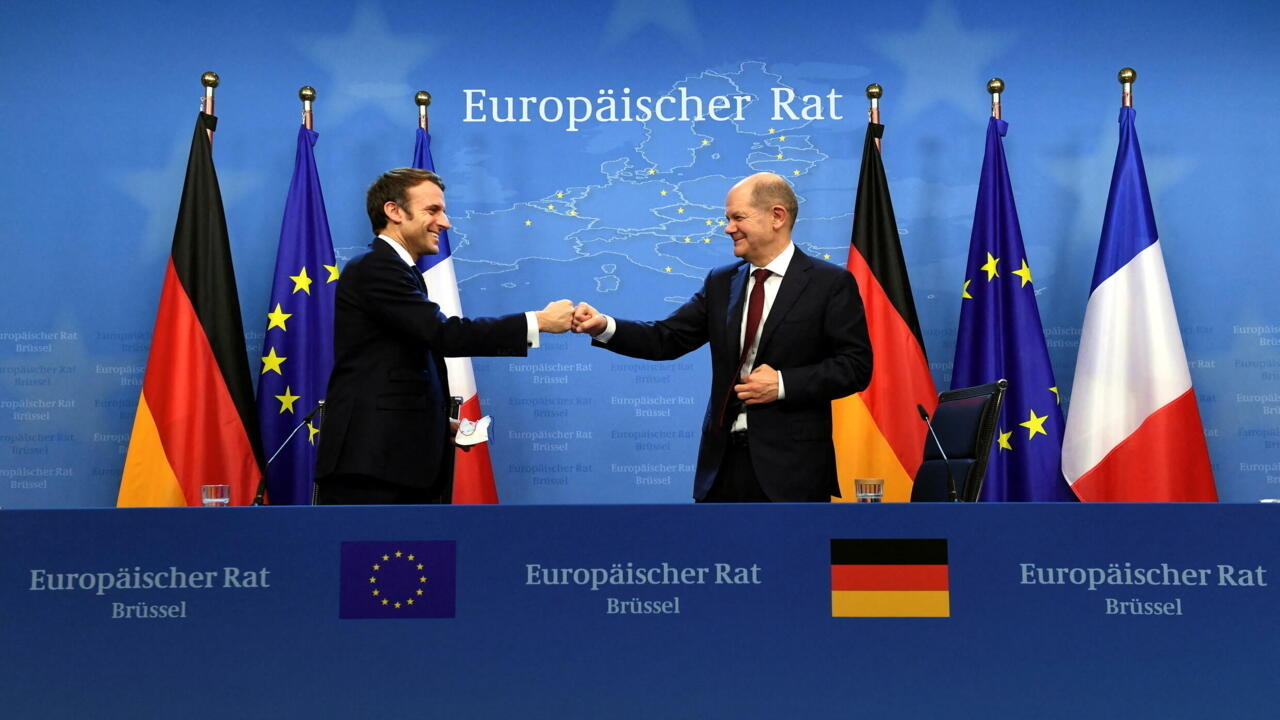
Tensions between France and Germany over nuclear energy and combustion engines threaten to disrupt the EU summit. Germany blocked a landmark deal to prohibit new sales of fossil fuel cars from 2035, demanding assurances that the law would allow sales of new cars with combustion engines that run on synthetic fuels. France, on the other hand, insisted on giving nuclear energy a starring role in European plans to produce more green technology in Europe. The split hangs over the summit as the leaders meet to discuss EU support for Ukraine and how to boost economic competitiveness in the face of threats from US and Chinese subsidies.
The European Commission has reportedly added an amendment to its 2035 combustion vehicle ban that allows for the sale of internal combustion engine (ICE) vehicles after the expiry, as long as they run entirely on climate-neutral e-fuels. This move is the latest chapter in a saga to ban ICE vehicles in the EU that has recently been stifled by countries insisting on the additional e-fuel exceptions, led by automotive juggernaut, Germany.