Tag

Organic Molecules

All articles tagged with #organic molecules

Innovative Electrochemical Technique Produces Hydrogen Fuel While Reducing Energy Costs

Originally Published 16 days ago — by Live Science

Featured image for Innovative Electrochemical Technique Produces Hydrogen Fuel While Reducing Energy Costs
Source: Live Science

Scientists have developed a new, more efficient method of splitting water to produce hydrogen by adding an organic molecule and a modified catalyst, reducing energy costs by up to 40% and doubling hydrogen output, potentially advancing scalable and greener hydrogen production.

Organic Molecules and Life's Building Blocks Found in Deep Space

Originally Published 2 months ago — by Earth.com

Featured image for Organic Molecules and Life's Building Blocks Found in Deep Space
Source: Earth.com

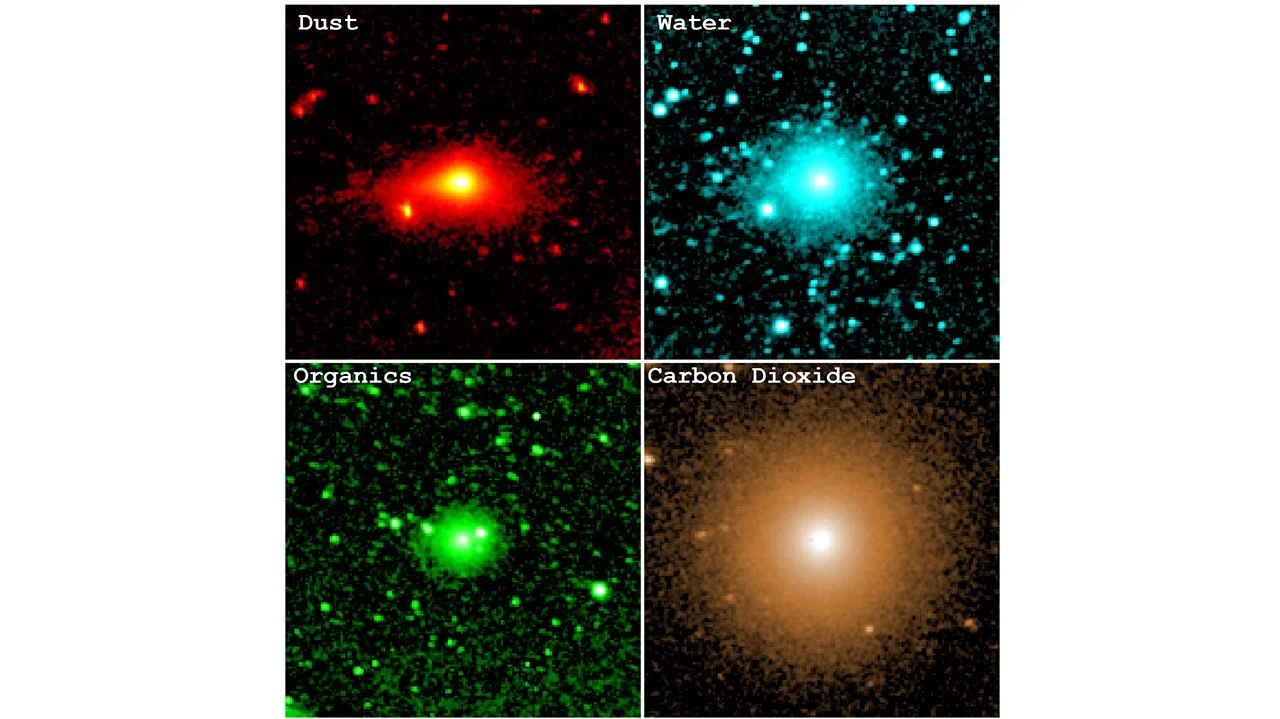
Astronomers have found widespread organic molecules in space, including in comets, asteroids, and interstellar dust, suggesting that the ingredients for life were present in the early solar system and could have been delivered to Earth, influencing the emergence of life. This discovery highlights the deep space origins of life's building blocks but does not prove life began there.

Scientists Discover Life's Building Blocks Frozen in Distant Galaxy

Originally Published 2 months ago — by ScienceAlert

Featured image for Scientists Discover Life's Building Blocks Frozen in Distant Galaxy
Source: ScienceAlert

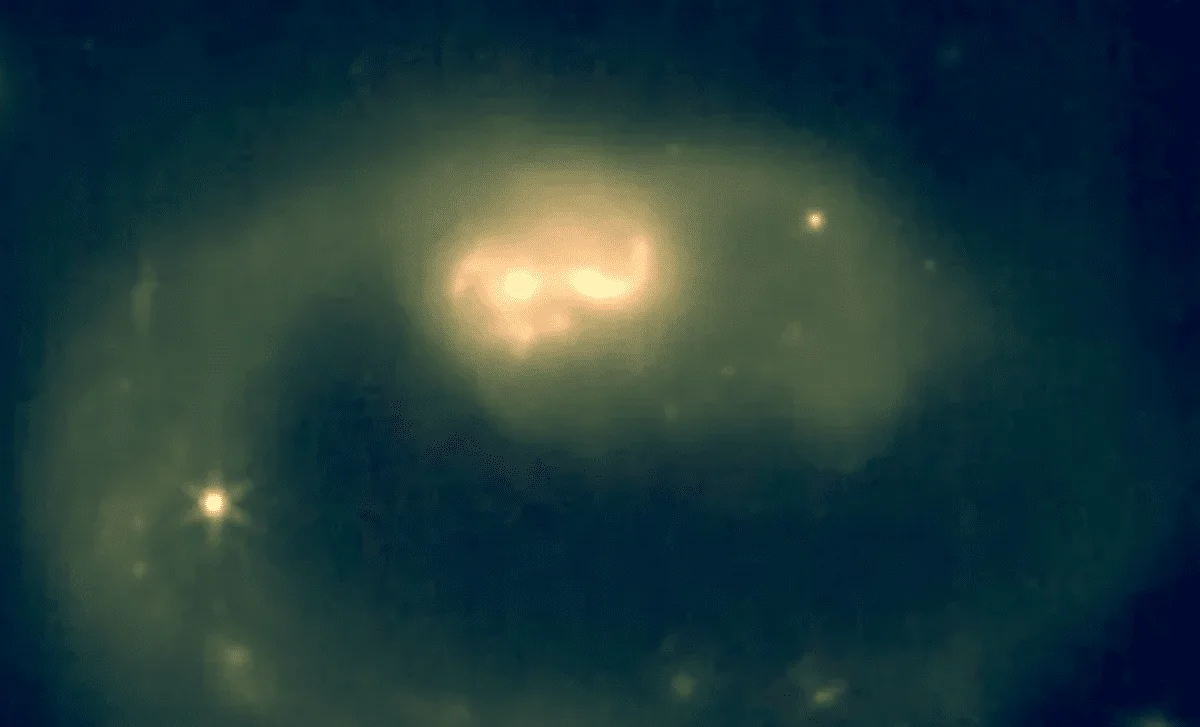
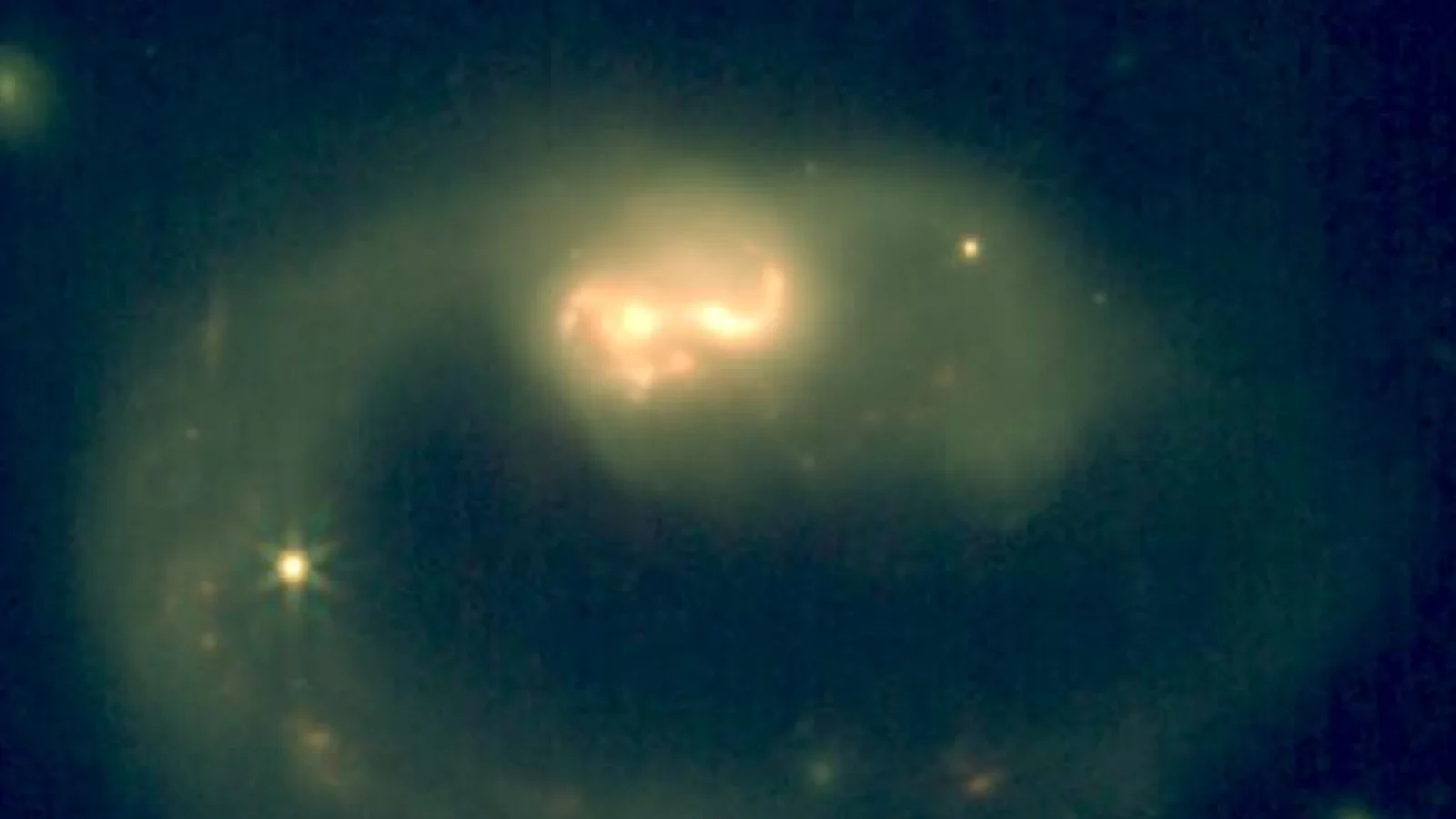
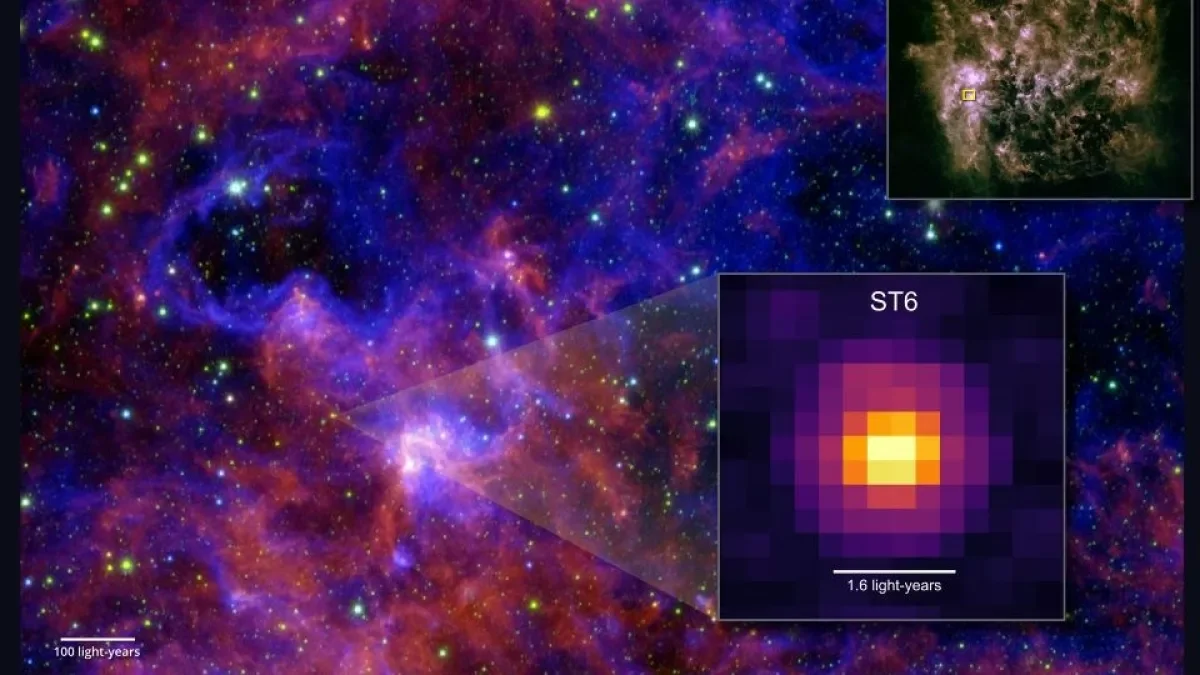
Astronomers have for the first time detected complex organic molecules, including ethanol, acetaldehyde, methyl formate, and acetic acid, in ice beyond the Milky Way, specifically in the Large Magellanic Cloud, suggesting that the ingredients for life are widespread across the universe.

JWST Uncovers Organic Building Blocks in Distant Galaxy

Originally Published 2 months ago — by Euronews.com

Featured image for JWST Uncovers Organic Building Blocks in Distant Galaxy
Source: Euronews.com

Researchers using the James Webb Space Telescope have detected complex organic molecules, considered the 'seeds of life,' in icy environments beyond our galaxy, specifically in the Large Magellanic Cloud, indicating that such molecules can form in harsh, low-metallicity conditions similar to early universe galaxies, which may have implications for the origins of life elsewhere in the universe.

JWST and Astronomers Uncover Building Blocks of Life in Distant Galaxies

Originally Published 2 months ago — by BBC Sky at Night Magazine

Featured image for JWST and Astronomers Uncover Building Blocks of Life in Distant Galaxies
Source: BBC Sky at Night Magazine

Astronomers using the James Webb Space Telescope have detected complex organic molecules, including some found on Earth, frozen in ice around a young star in the neighboring galaxy, the Large Magellanic Cloud, marking the first such discovery outside the Milky Way and providing new insights into the potential for life beyond our galaxy.

Enceladus: Saturn's Icy Moon Reveals Signs of Habitability and Potential Life

Originally Published 3 months ago — by Futurism

Featured image for Enceladus: Saturn's Icy Moon Reveals Signs of Habitability and Potential Life
Source: Futurism

Astronomers have found complex organic molecules in Saturn's moon Enceladus, suggesting it may be a promising candidate in the search for extraterrestrial life, based on data from the Cassini spacecraft indicating chemical reactions in its underground ocean. While not confirming life, these findings increase the moon's habitability potential, prompting interest in future missions.

New Evidence Reinforces Enceladus's Potential for Supporting Life

Originally Published 3 months ago — by Reuters

Featured image for New Evidence Reinforces Enceladus's Potential for Supporting Life
Source: Reuters

Recent analysis of data from NASA's Cassini spacecraft provides stronger evidence that Saturn's moon Enceladus has a subsurface ocean containing complex organic molecules, making it a promising candidate in the search for extraterrestrial life, although no direct signs of life have been found yet.

Enceladus's Ocean Shows Strong Signs of Habitability and Organic Chemistry

Originally Published 3 months ago — by CBS News

Featured image for Enceladus's Ocean Shows Strong Signs of Habitability and Organic Chemistry
Source: CBS News

Scientists have found evidence of complex organic molecules in the hidden ocean beneath Saturn's moon Enceladus, suggesting it has the right conditions to support life, although it remains unconfirmed if life exists there. The discovery was made through analysis of ice particles collected by the Cassini spacecraft, highlighting the moon's potential habitability and the importance of future missions to explore its environment.

Enceladus's Ocean Rich in Organic Molecules Suggests Potential for Life

Originally Published 3 months ago — by Space

Featured image for Enceladus's Ocean Rich in Organic Molecules Suggests Potential for Life
Source: Space

Scientists analyzing data from NASA's Cassini spacecraft have found complex organic molecules in the plumes of Saturn's moon Enceladus, suggesting the presence of a potentially habitable environment in its subsurface ocean, although further direct sampling is needed to confirm this.

Organic compounds found in Enceladus's ocean boost potential for life

Originally Published 3 months ago — by European Space Agency

Featured image for Organic compounds found in Enceladus's ocean boost potential for life
Source: European Space Agency

Scientists analyzing data from the Cassini spacecraft have discovered complex organic molecules in the fresh ice grains ejected from Saturn's moon Enceladus, indicating active chemical reactions in its subsurface ocean that could support life, prompting plans for a dedicated ESA mission to explore the moon further.

New Evidence Suggests Potential for Life in Saturn's Moon Enceladus

Originally Published 3 months ago — by ScienceAlert

Featured image for New Evidence Suggests Potential for Life in Saturn's Moon Enceladus
Source: ScienceAlert

New analysis of data from NASA's Cassini probe has revealed complex organic molecules in the plumes of Saturn's moon Enceladus, suggesting the presence of a habitable environment similar to Earth's deep-ocean hydrothermal systems, and raising the possibility of life-supporting conditions beneath its icy surface.