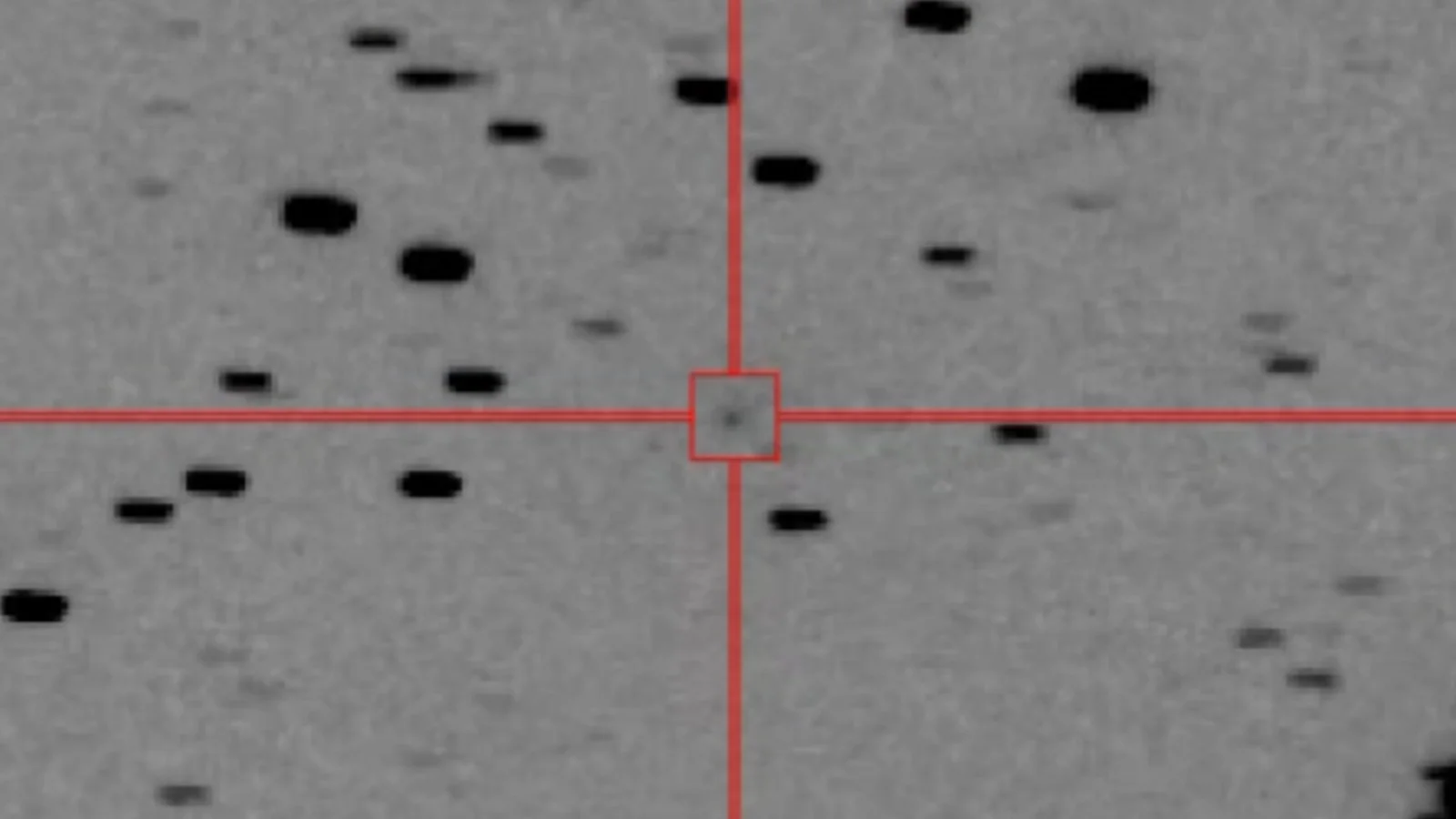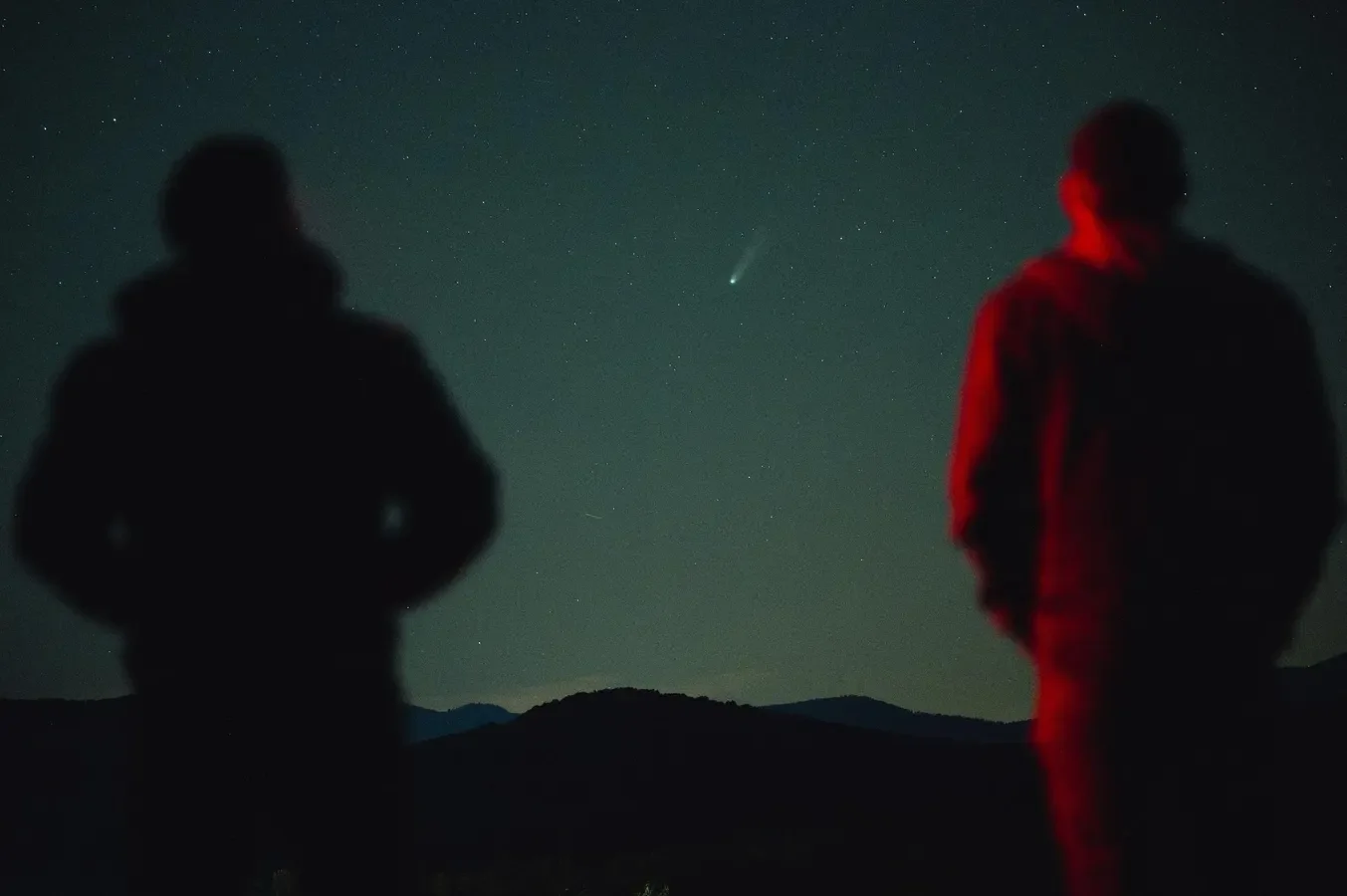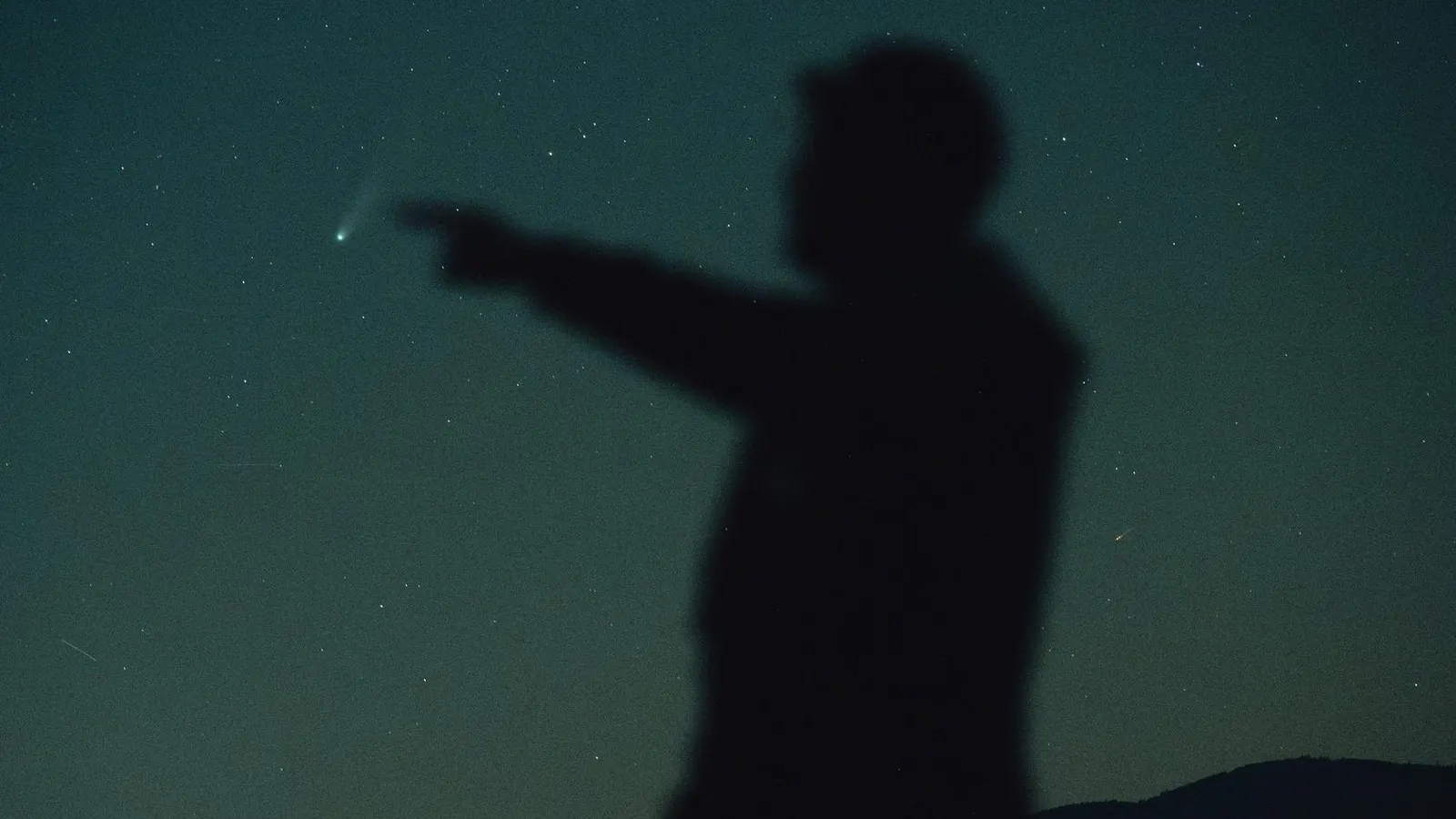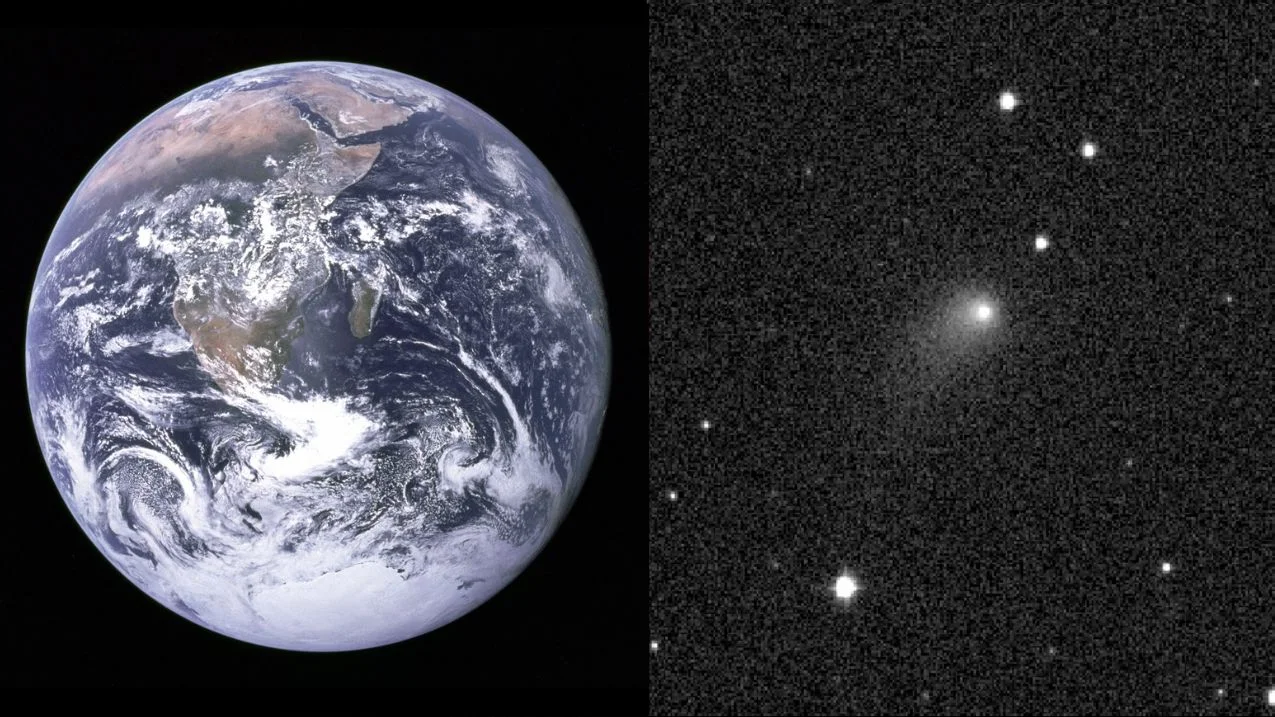
The article discusses the interstellar object 3I/ATLAS, its abundance in the galaxy, and the potential for future detection and study of interstellar visitors through advanced telescopes and missions, suggesting such objects are common and not unique.
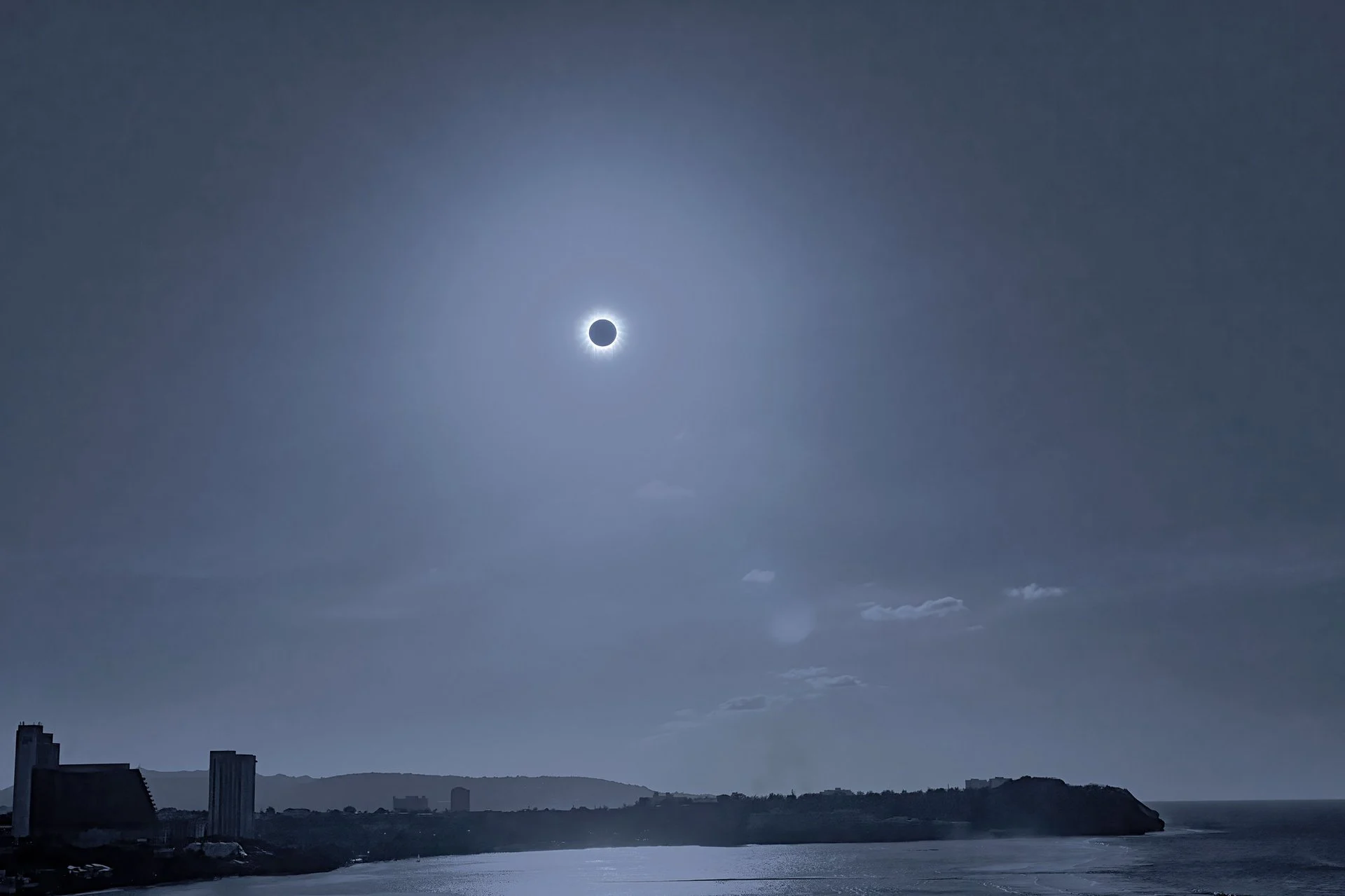
2026 will feature major astronomical events including a total solar eclipse, lunar eclipses, planetary occultations, meteor showers, and notable planetary conjunctions, making it an exciting year for skywatchers.
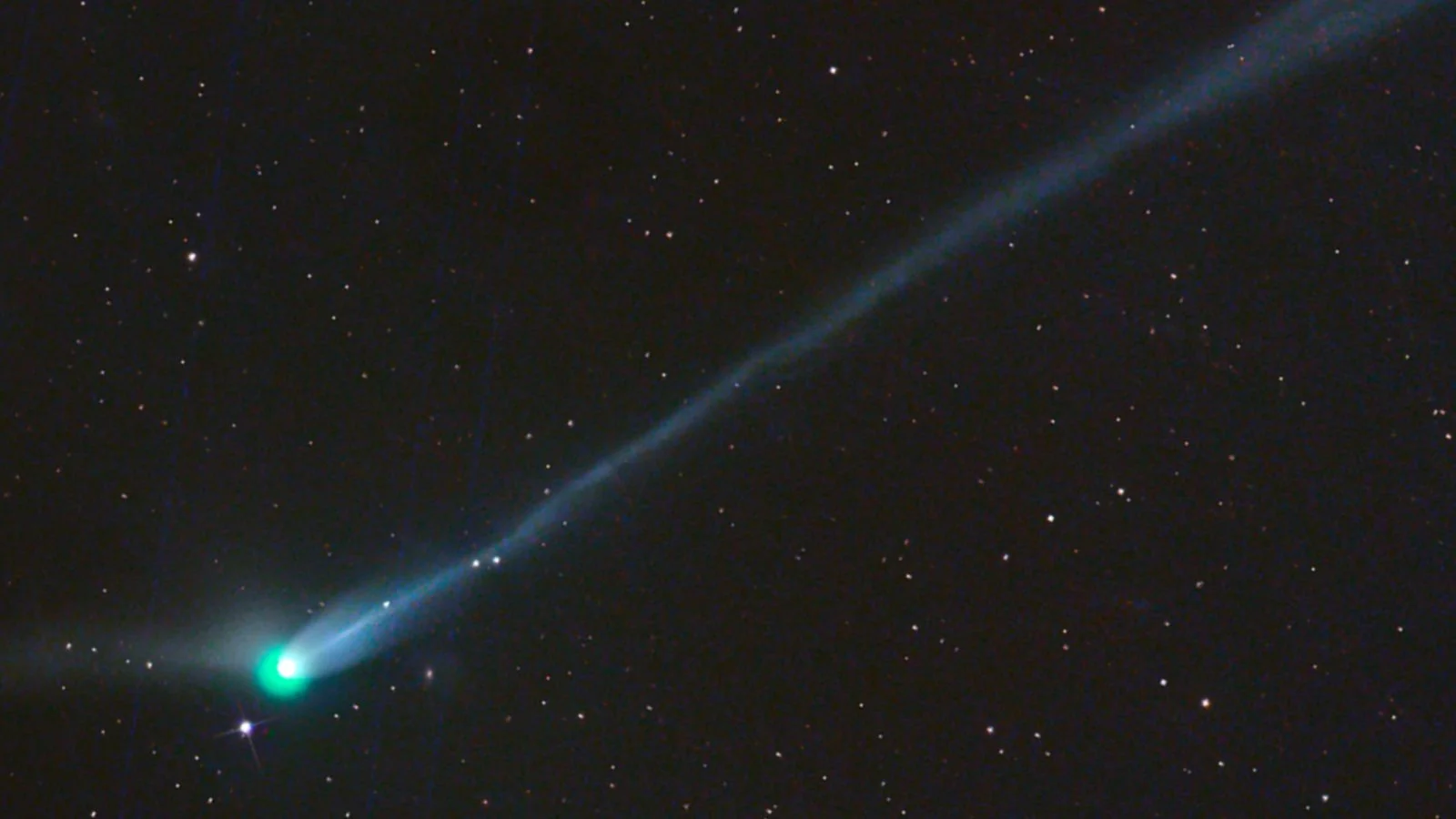
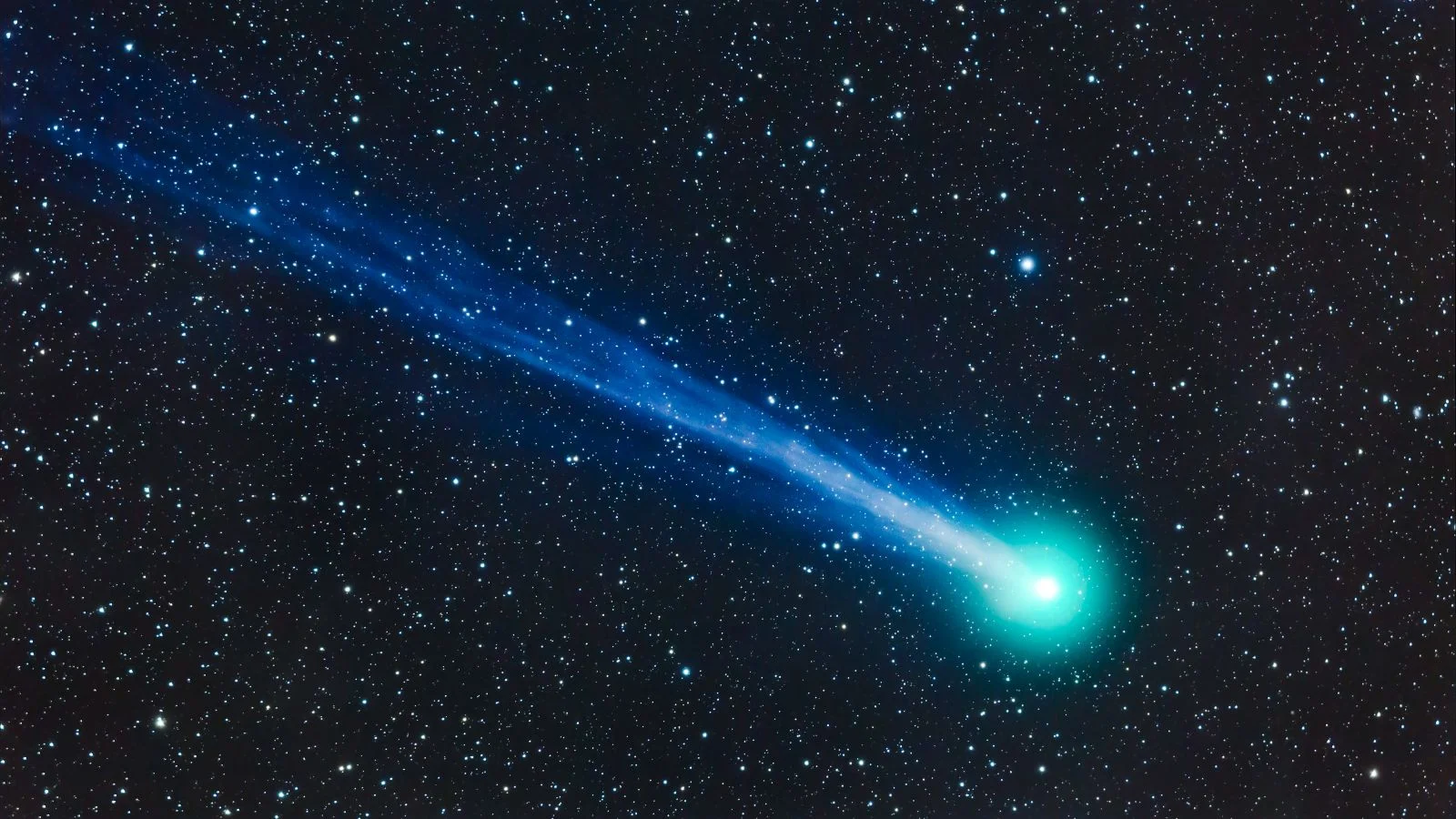
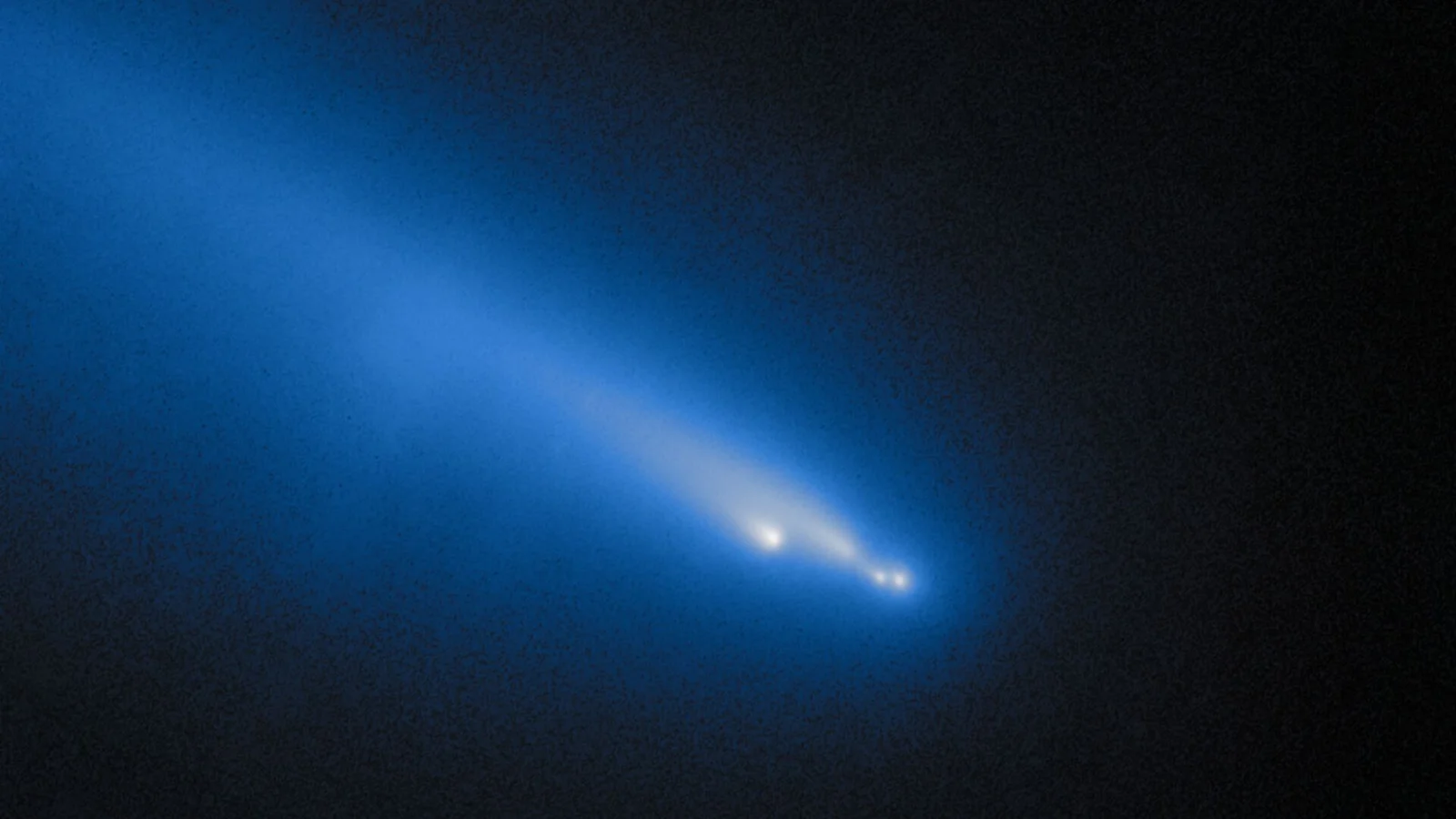
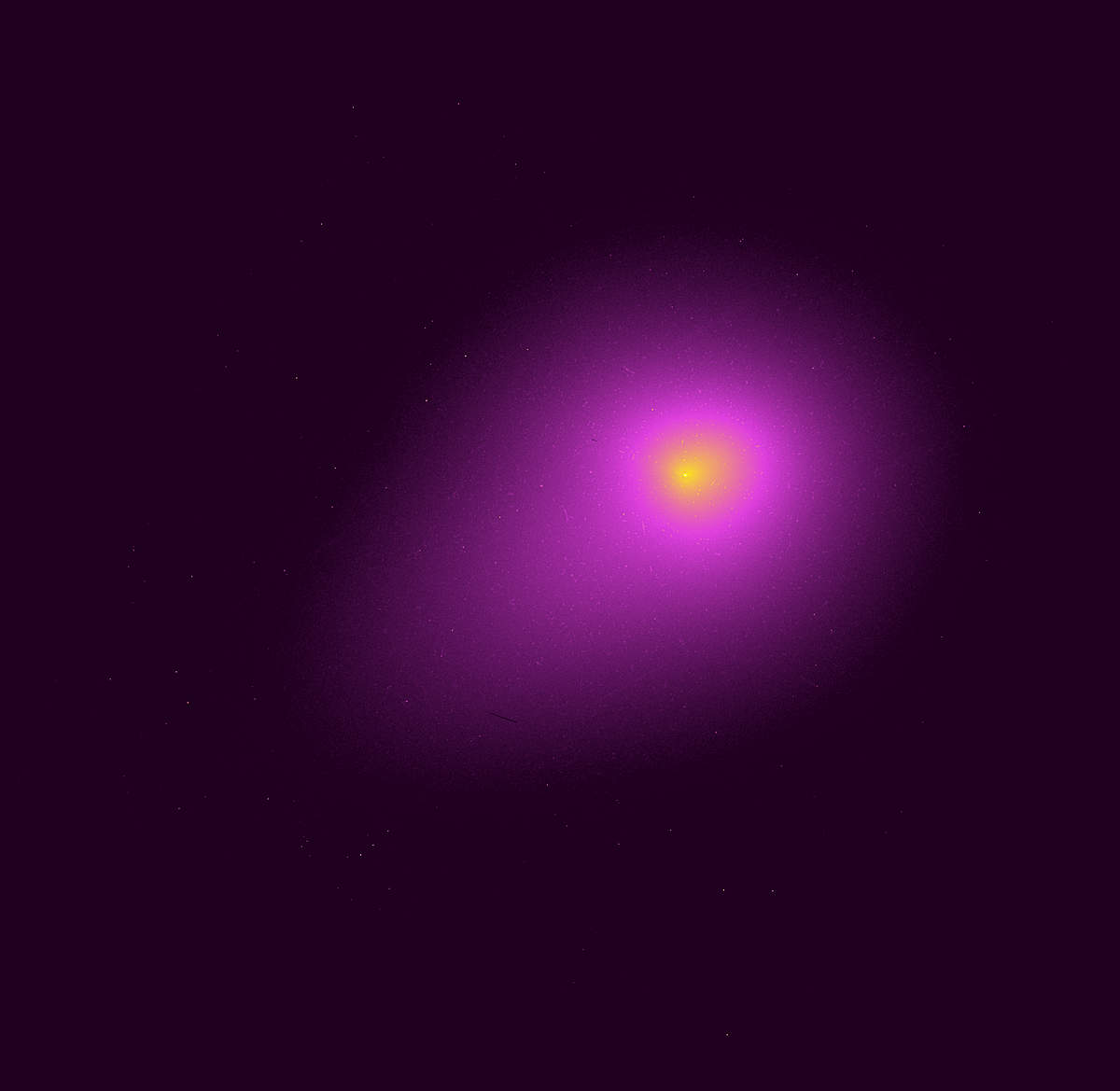
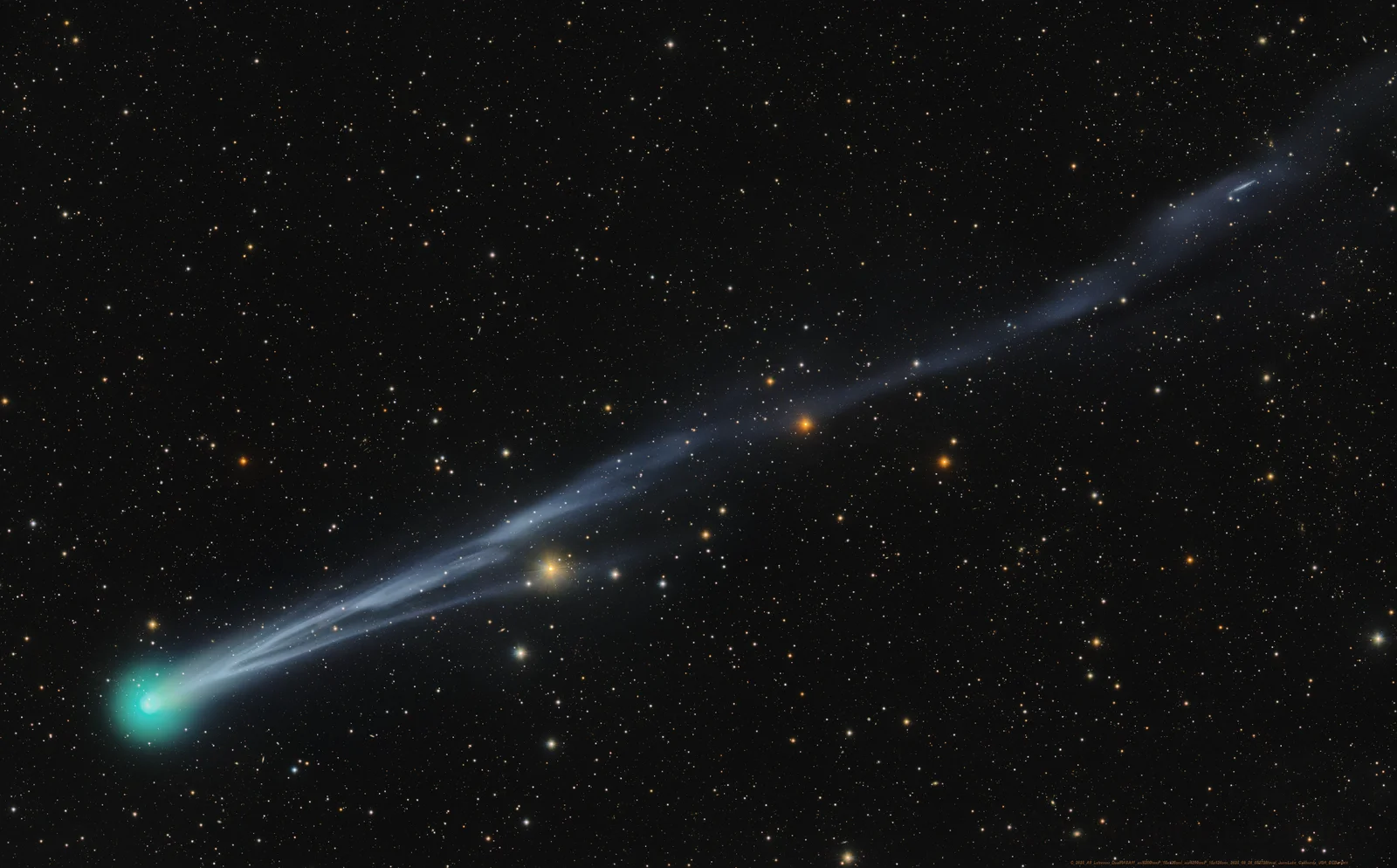
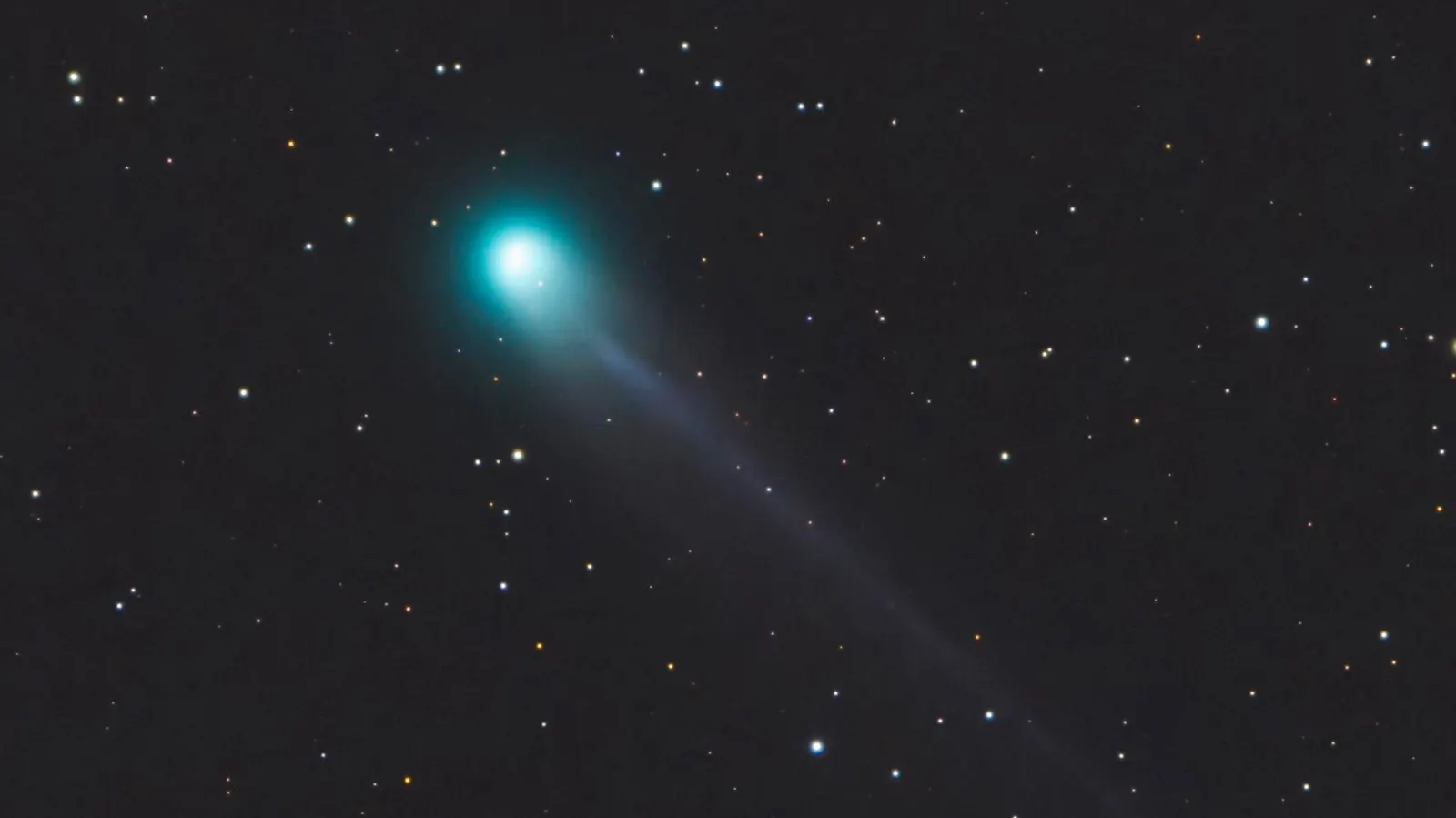
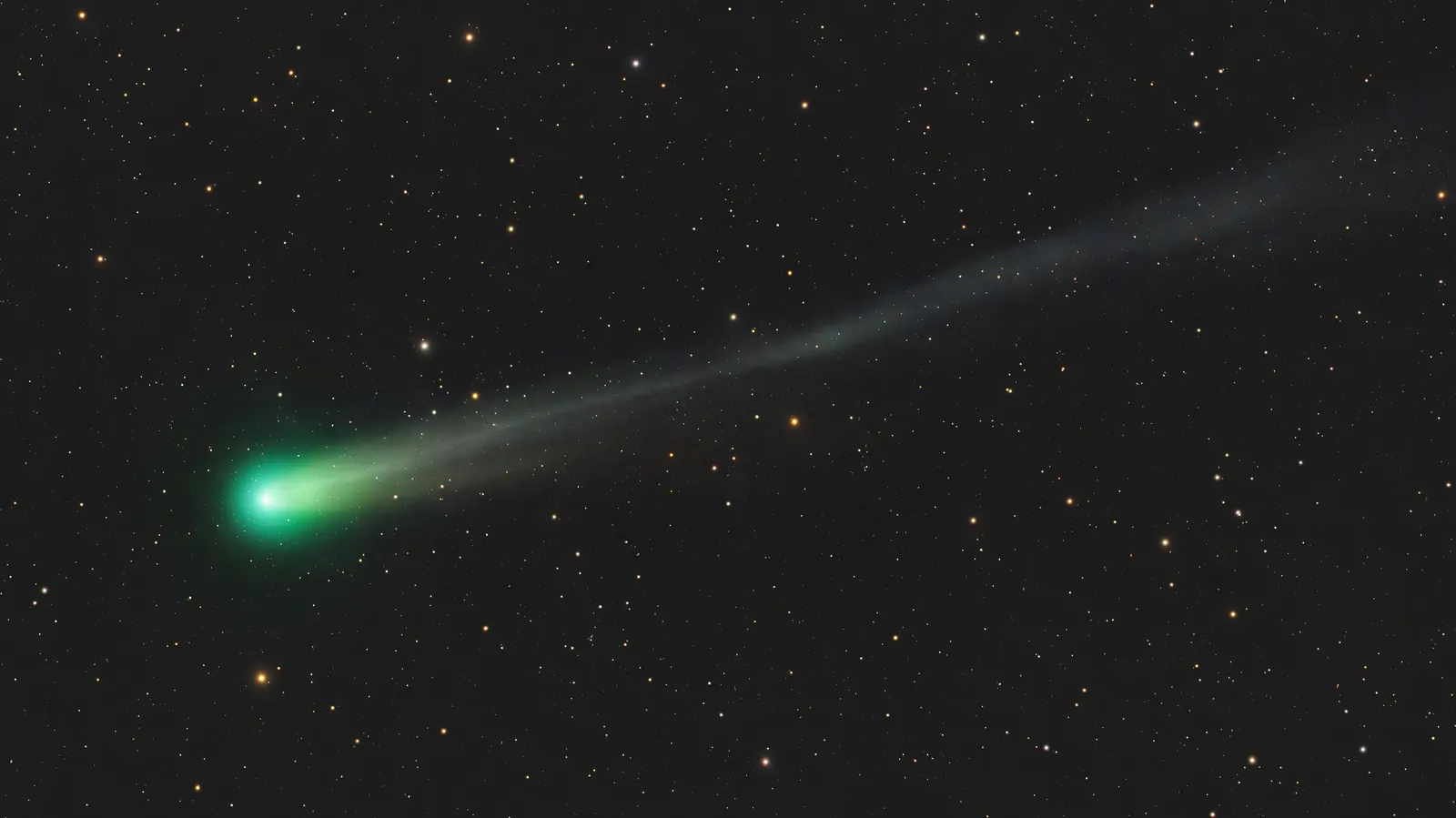
2025 was notable for the appearance of three significant comets, including the interstellar 3I/ATLAS, which was the third interstellar object observed in our solar system, along with Comet Lemmon and Comet SWAN, each providing spectacular sights and scientific insights, despite some breaking apart or fading after their close approaches to the sun.
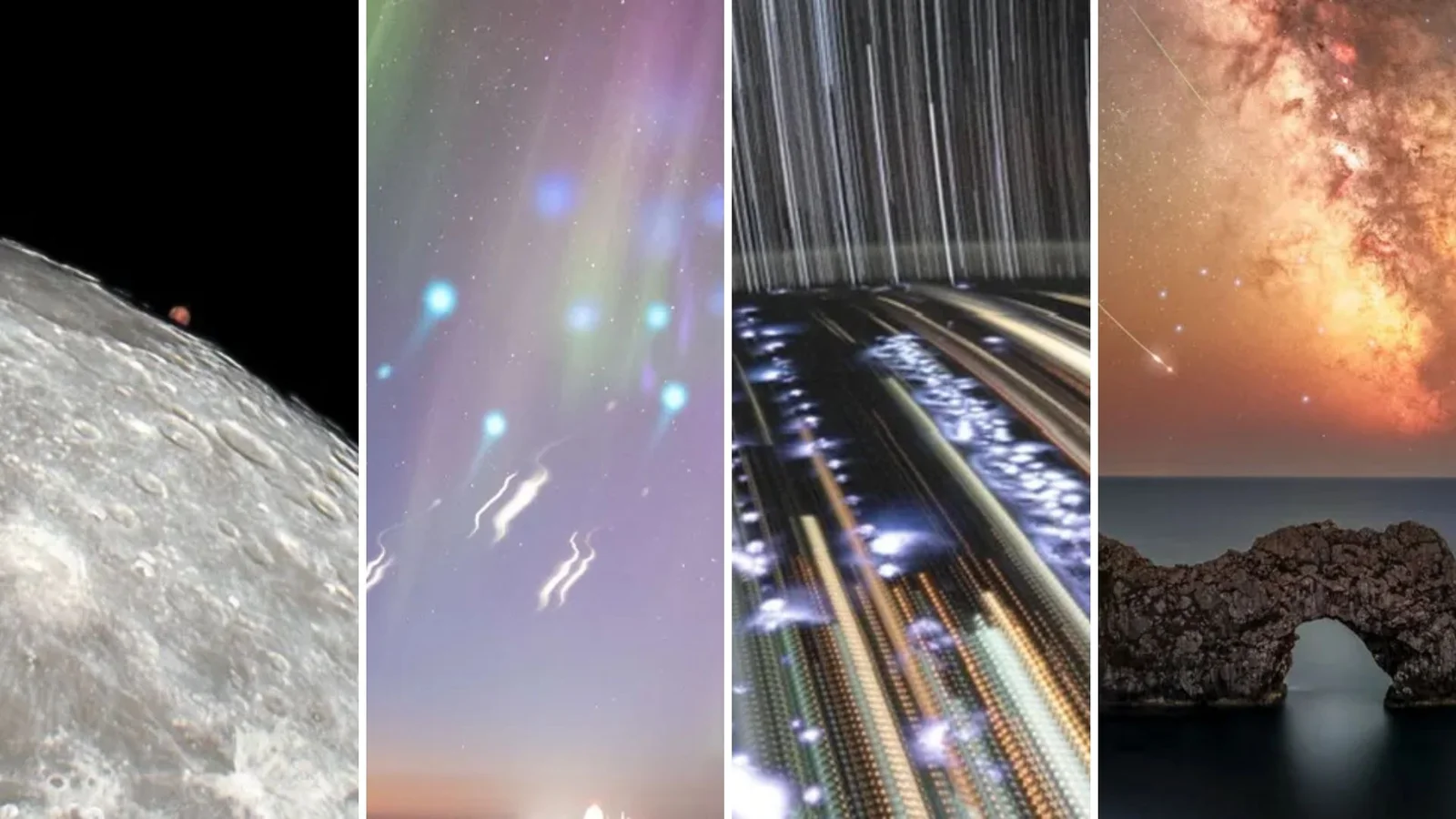
2025 was a spectacular year for skywatchers, featuring notable events such as a rare occultation of Mars by the Wolf Moon, the appearance of a 'great comet' (C/2024 G3 Atlas), the successful landing of Firefly's Blue Ghost on the moon, stunning auroras and vapor tracers, and the discovery of an interstellar comet (3I/ATLAS). These events, along with lunar eclipses and meteor showers, provided breathtaking celestial displays throughout the year.
This article provides a guide for observing Comet Lemmon and Comet SWAN on October 29, 2025, highlighting the best viewing times and locations, and noting that the moonlight will make viewing more challenging. It also offers tips on how to find these comets using binoculars and star charts, emphasizing their positions in the sky relative to well-known stars.
Astronomers have found widespread organic molecules in space, including in comets, asteroids, and interstellar dust, suggesting that the ingredients for life were present in the early solar system and could have been delivered to Earth, influencing the emergence of life. This discovery highlights the deep space origins of life's building blocks but does not prove life began there.
On October 27, 2025, skywatchers have a final chance to see Comet Lemmon and Comet SWAN in binoculars about 90 minutes after sunset, with Lemmon visible in the northwest and SWAN in the south, before the moon's brightness makes viewing more difficult.
This week in science, three comets were visible in the sky, a mysterious glow at the Milky Way's center may be linked to dark matter collisions, time appears to speed up with age due to neural changes, and scientists discuss the possibility of bringing Neanderthals back to life.
This weekend is the last chance to see Comet Lemmon and Comet SWAN before they fade in the brightening moonlight, with optimal viewing on Saturday night about 90 minutes after sunset using binoculars or a telescope, in the northwest and southwest sky respectively.
The green comets Lemmon and SWAN are visible in the northern hemisphere's evening sky on October 24, with the best viewing conditions occurring about 90 minutes after sunset before moonlight dims the view. Lemmon is in Boötes near Arcturus, and SWAN is in Sagittarius near the Summer Triangle, offering a rare opportunity to see these long-period comets before they recede from Earth.
Comets Lemmon and SWAN R2 are currently visible in the night sky, with their last peak viewing weekend occurring from October 24-26, coinciding with a slim crescent moon, offering a rare and spectacular celestial display before they fade from view.
Two rare comets, Lemmon and SWAN, are visible tonight and through October 2025, offering a rare celestial viewing opportunity with tips on how to spot them in the night sky, especially in clear weather conditions.
The Orionids meteor shower will peak on October 21, offering up to 20 meteors per hour during the dark moonless skies, with two comets visible in the night sky around sunset, providing a spectacular celestial display this week.
Comet Lemmon and Comet SWAN are at their brightest and most visible in the night sky on October 21, offering a rare opportunity to see them with binoculars before they fade or become harder to observe due to moonlight. Lemmon is visible in the northwest after sunset and before sunrise, while SWAN appears in the southwest after sunset, both best viewed in dark, pollution-free areas.
Two comets, Lemmon and SWAN, will make their closest approach to Earth on October 20, and a live stream hosted by the Virtual Telescope Project will allow viewers to watch the event, which offers a rare double-comet sighting with both comets visible in the night sky around the same time.