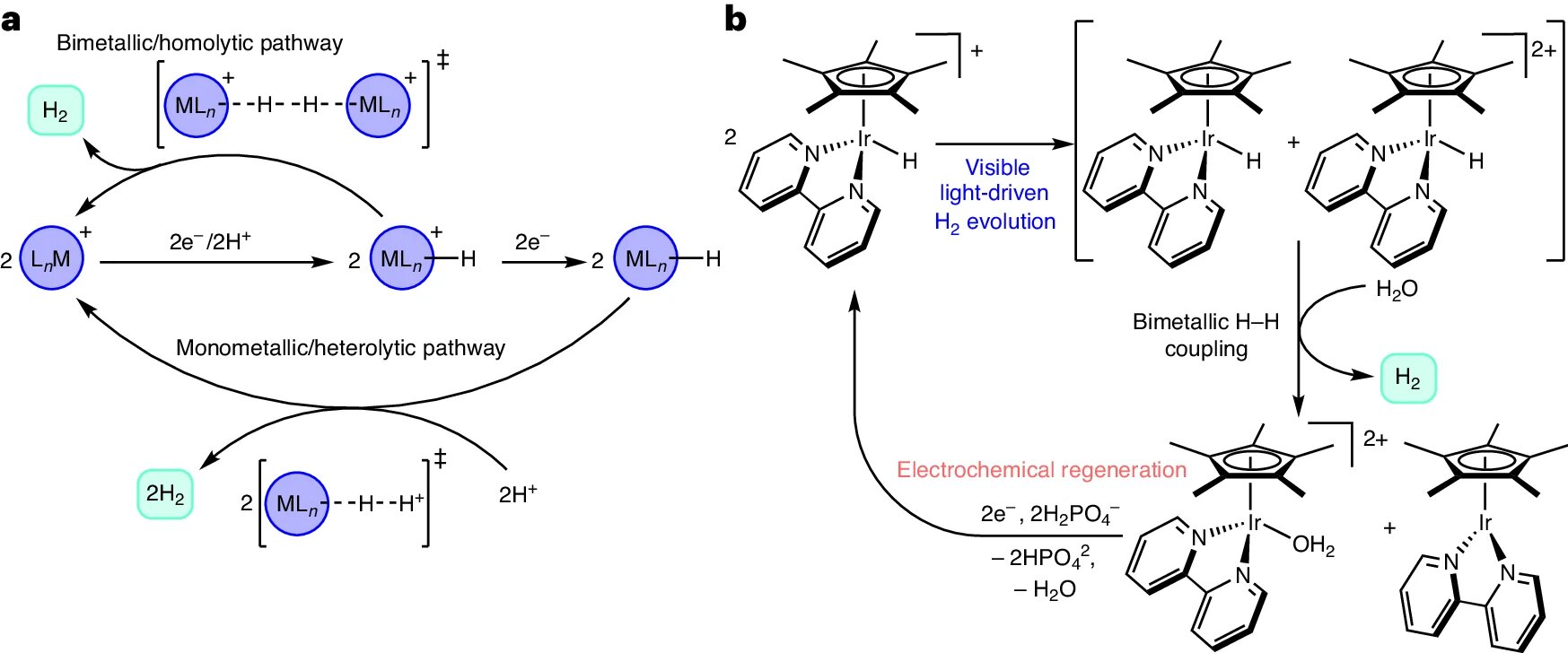
Researchers have developed a simple, cost-effective liquid system using common materials to store solar energy as electrons and later convert it into hydrogen gas in darkness, potentially revolutionizing renewable energy transport and storage without the need for electrical infrastructure.
Scientists have developed a new, more efficient method of splitting water to produce hydrogen by adding an organic molecule and a modified catalyst, reducing energy costs by up to 40% and doubling hydrogen output, potentially advancing scalable and greener hydrogen production.
Scientists drilled into mantle rocks beneath the Atlantic at Atlantis Massif, discovering altered rocks that act as natural reactors by producing hydrogen through seawater reactions, providing insights into Earth's interior, deep-ocean chemistry, and potential origins of life, as well as guiding future hydrogen exploration.
Scientists have discovered vast underground reserves of natural hydrogen that could provide up to 170,000 years of clean energy, offering a promising alternative to fossil fuels and potentially revolutionizing the global energy landscape, despite technical challenges in extraction and utilization.
Researchers have discovered vast underground reserves of natural hydrogen that could potentially power the planet for 170,000 years, offering a promising, environmentally friendly alternative to current hydrogen production methods, though challenges in extraction remain.
Scientists have discovered massive natural hydrogen-producing structures deep beneath the Pacific Ocean at the Kunlun site, which could generate over $5 billion worth of hydrogen annually and provide insights into Earth's primordial energy systems and unique deep-sea ecosystems.
A new study shows that earthquakes and rock fractures release hydrogen and oxidants that can sustain microbial life deep beneath Earth's surface, and similar processes might exist on other planets like Mars and Europa, expanding the potential habitats for life beyond Earth.
MIT researchers have developed a sustainable and low-cost method to produce clean hydrogen fuel from recycled soda cans and seawater, significantly reducing carbon emissions compared to traditional methods, and demonstrating practical applications from small reactors to marine propulsion.
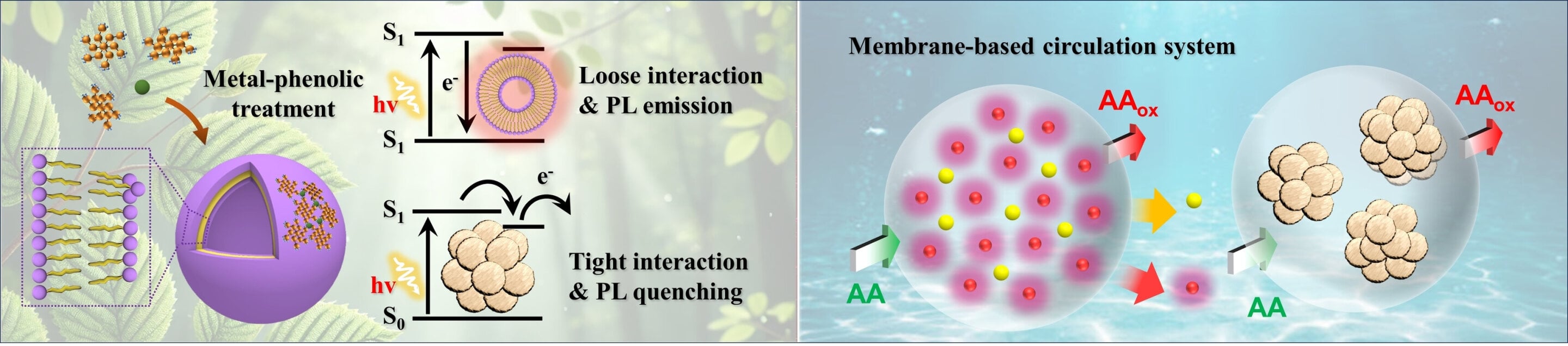
Researchers have developed a new solar hydrogen production technology by creating a supramolecular fluorophore nanocomposite that mimics natural photosynthesis. This system uses tannic acid-based metal-polyphenol polymers to enhance the stability and efficiency of photocatalytic reactions, achieving a hydrogen production rate 5.6 times higher than previous methods. The technology combines modified rhodamine dyes with bacteria to convert sunlight and ascorbic acid into hydrogen, offering a sustainable energy solution.
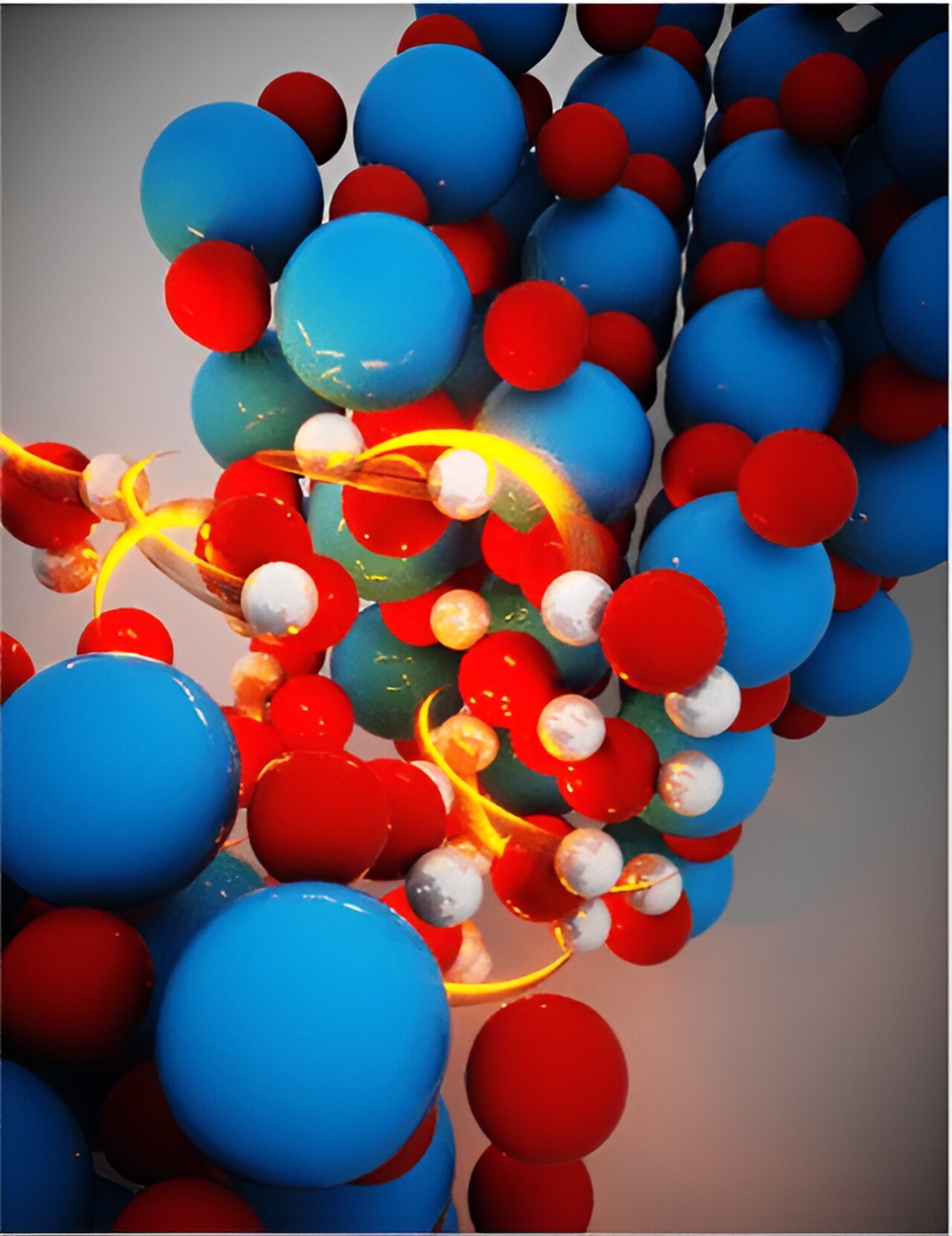
Researchers at Lawrence Livermore National Laboratory have discovered that nano-confinement can significantly enhance hydrogen production efficiency by altering water reactivity and proton transfer mechanisms. Using advanced molecular dynamics simulations, they found that confining water in nanopores smaller than 0.5 nanometers reduces activation energy for proton transport, suggesting new strategies for improving electrocatalyst performance and durability.
Researchers from the University Alliance Ruhr in Germany have developed a catalyst that allows the simultaneous production of hydrogen and fertilizer precursor nitrite from ammonia, combining two previously separate chemical processes. This innovative approach, which uses gas diffusion electrodes and overcomes significant thermodynamic challenges, could potentially double hydrogen yield and make ammonia a more efficient energy carrier for transport. However, the method is still in the experimental stage and far from industrial application.
Scientists at the University of Nottingham have developed a method to repurpose metal waste into an efficient catalyst for hydrogen production, aiming to address the challenges of fossil fuel reliance and expensive precious metals like platinum in the process.
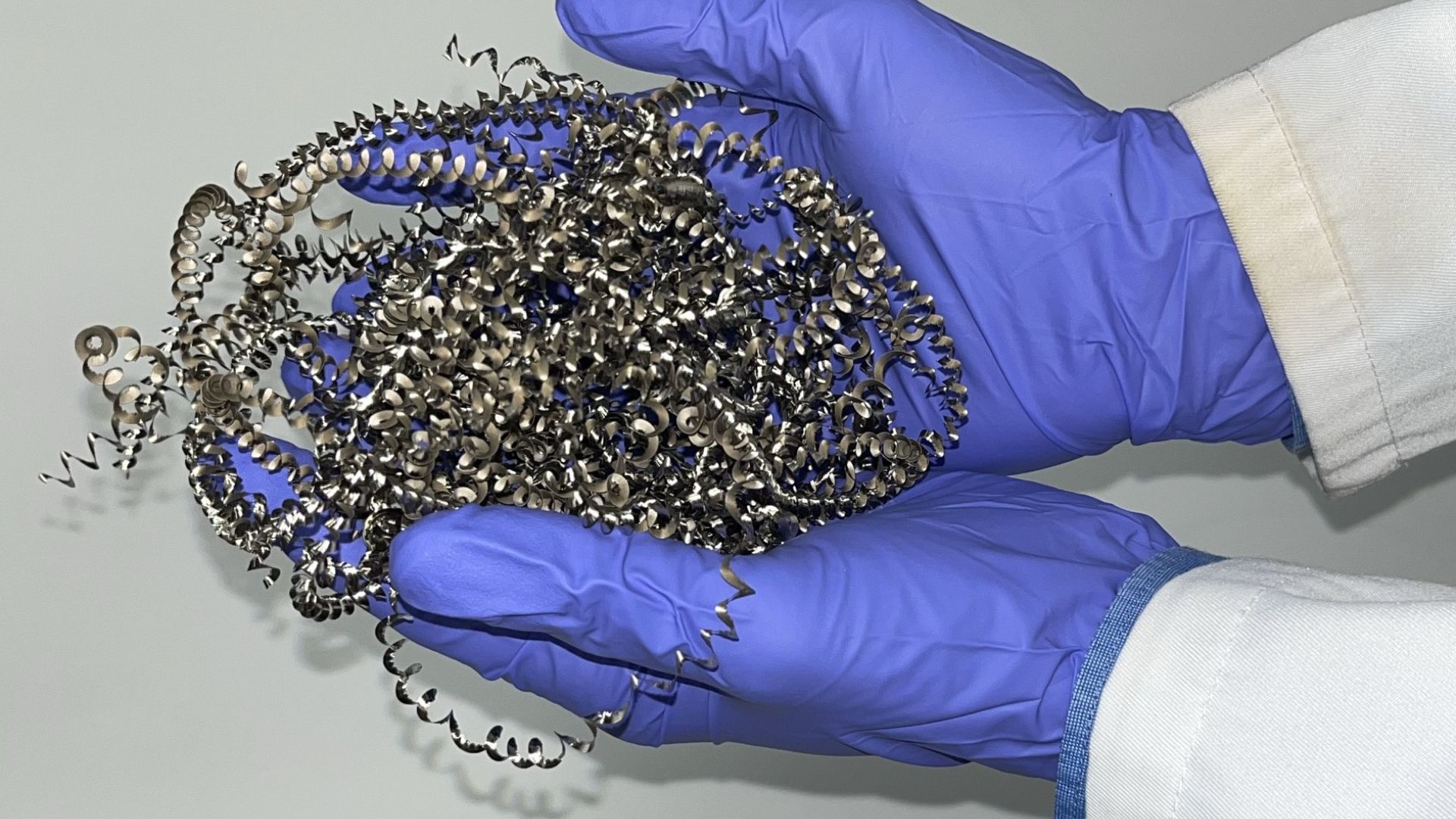
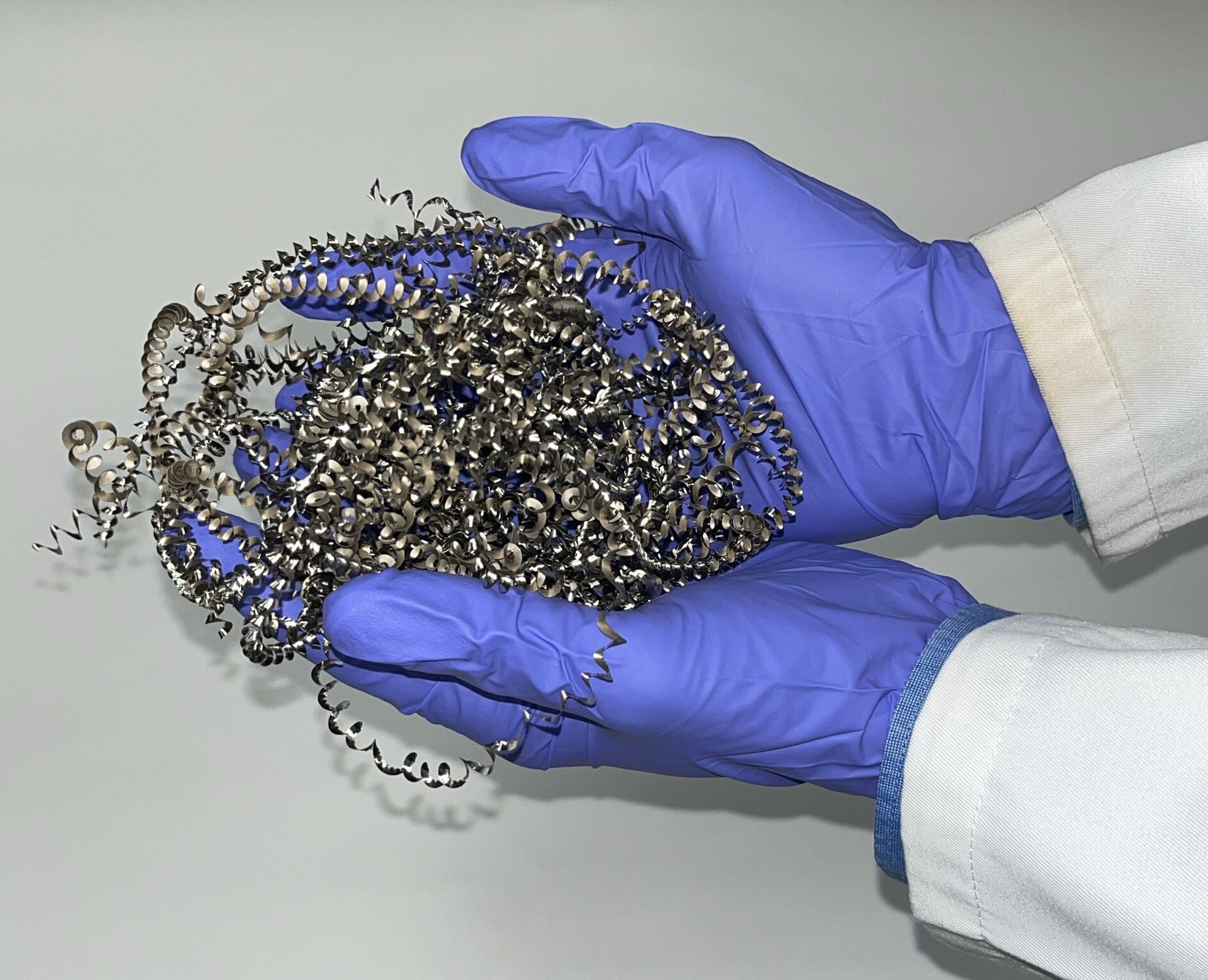
Researchers at the University of Nottingham have discovered a way to repurpose metal waste, specifically swarf from the metal machining industry, into a highly efficient catalyst for producing hydrogen from water. By utilizing the nanoscale textures on the surface of swarf, the team was able to anchor platinum or cobalt atoms, creating an effective electrocatalyst for water splitting. This breakthrough could lead to more sustainable hydrogen production, addressing the challenge of limited and expensive precious metals typically used in the process.
Researchers at the University of North Carolina at Chapel Hill have developed a method to use sunlight and electricity to split water into hydrogen and oxygen, potentially providing a clean energy source. The study, published in Nature Chemistry, explores a system that induces catalysts to self-assemble into globules, improving their ability to absorb light and produce hydrogen. This research could lead to the development of efficient and sustainable energy technologies, addressing the intermittent nature of solar power generation.
Despite underperforming the market, one Wall Street analyst believes Plug Power stock has a 16% upside, setting a price target of $4 based on the company's hydrogen production announcement. However, caution is advised as the company reported a steep loss in its recent financial results, and its inability to generate profit and organic cash flow remains a concern. The Motley Fool Stock Advisor team did not include Plug Power in their list of top stocks to buy, emphasizing the need for careful consideration before investing.