
JWST uncovers potential life's chemical ingredients in a dusty galaxy
TL;DR Summary
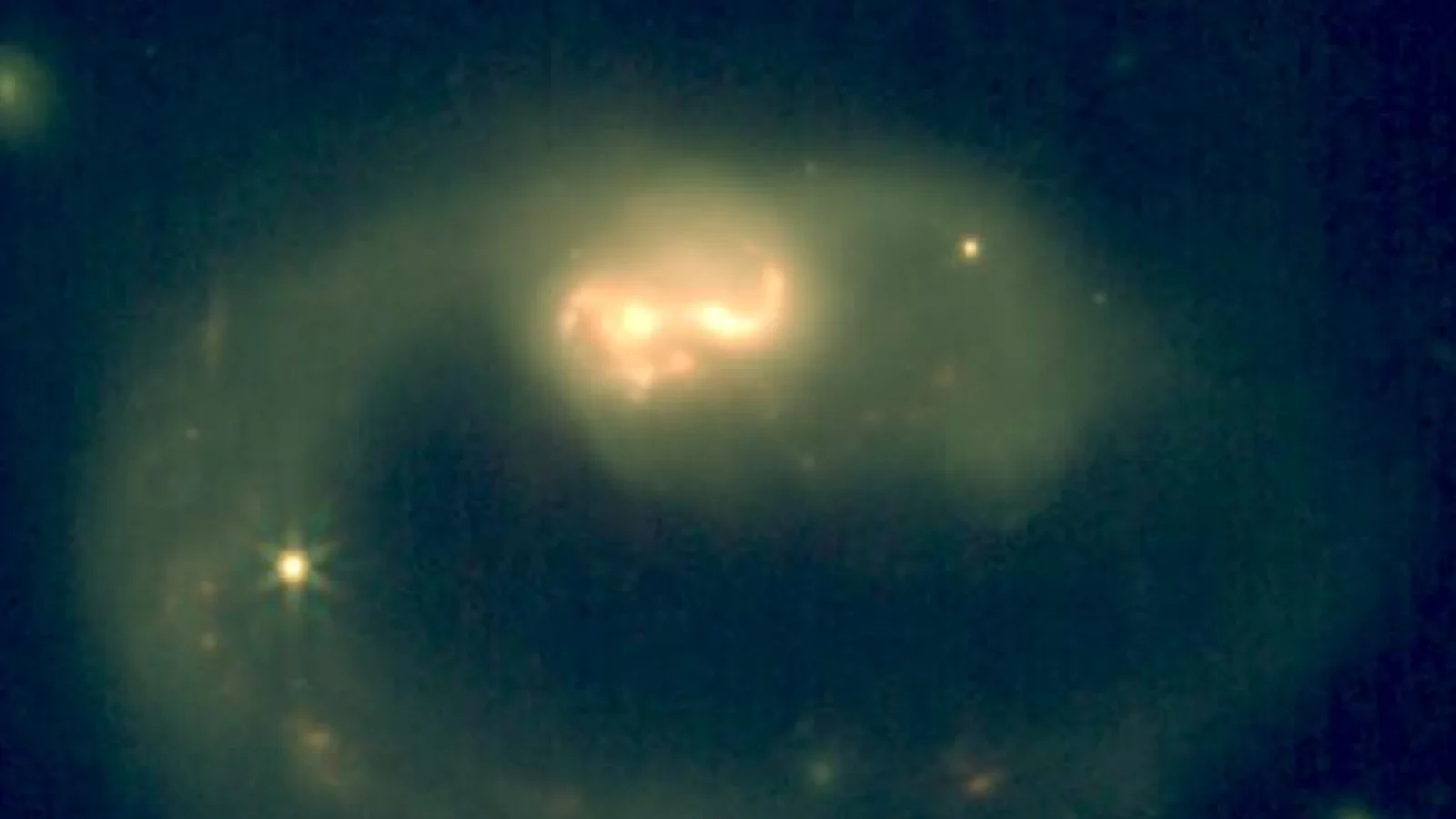
Using the James Webb Space Telescope to study the dusty heart of ultra-luminous galaxy IRAS 07251-0248, scientists detected a rich chemistry of small organic molecules (like benzene, methane, acetylene, diacetylene, triacetylene, and methyl radicals) and carbon-based dust with water ice. The abundances exceed current models, implying a persistent carbon source and possible cosmic-ray processing that releases these organics, which could act as precursors to more complex biomolecules and life, offering a window into space-based prebiotic chemistry and the galaxy’s role in forming life's building blocks.
Topics:science#astronomy#building-blocks-of-life#iras-07251-0248#james-webb-space-telescope#organic-molecules#prebiotic-chemistry
- James Webb Space Telescope finds precursors to 'building blocks of life' in nearby galaxy Space
- JWST uncovers rich organic chemistry in a nearby ultra-luminous infrared galaxy Phys.org
- Abundant Hydrocarbons In A Buried Galactic Nucleus With Signs Of Carbonaceous Grain And Polycyclic Aromatic Hydrocarbon Processing astrobiology.com
- JWST reveals hydrocarbon-rich material in a buried galactic nucleus Nature
- James Webb Space Telescope reveals an exceptional richness of organic molecules in one of the most infrared luminous galaxies in the local Universe EurekAlert!
Reading Insights
Total Reads
0
Unique Readers
3
Time Saved
49 min
vs 50 min read
Condensed
99%
9,975 → 85 words
Want the full story? Read the original article
Read on Space