Tag

Icy Moons

All articles tagged with #icy moons

science27 days ago

Scientists Discover Arachnid-Like Creatures on Jupiter's Moon

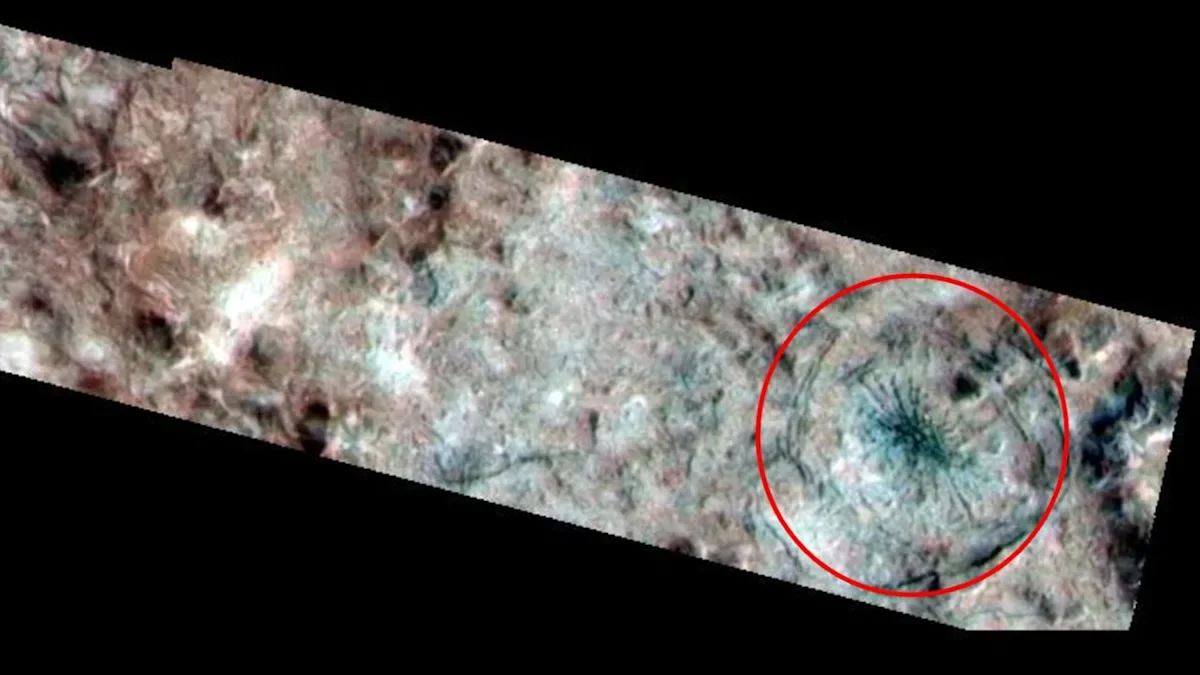
Scientists have proposed that the mysterious spider-like feature on Europa's surface, initially discovered by NASA's Galileo spacecraft, may have formed through processes similar to Earth's lake stars, possibly caused by an asteroid impact that allowed salty water to seep through Europa's ice, providing insights into subsurface conditions and potential habitats for extraterrestrial life.

space-exploration1 year ago

ESA's JUICE Mission: Key Highlights and Historic Flyby

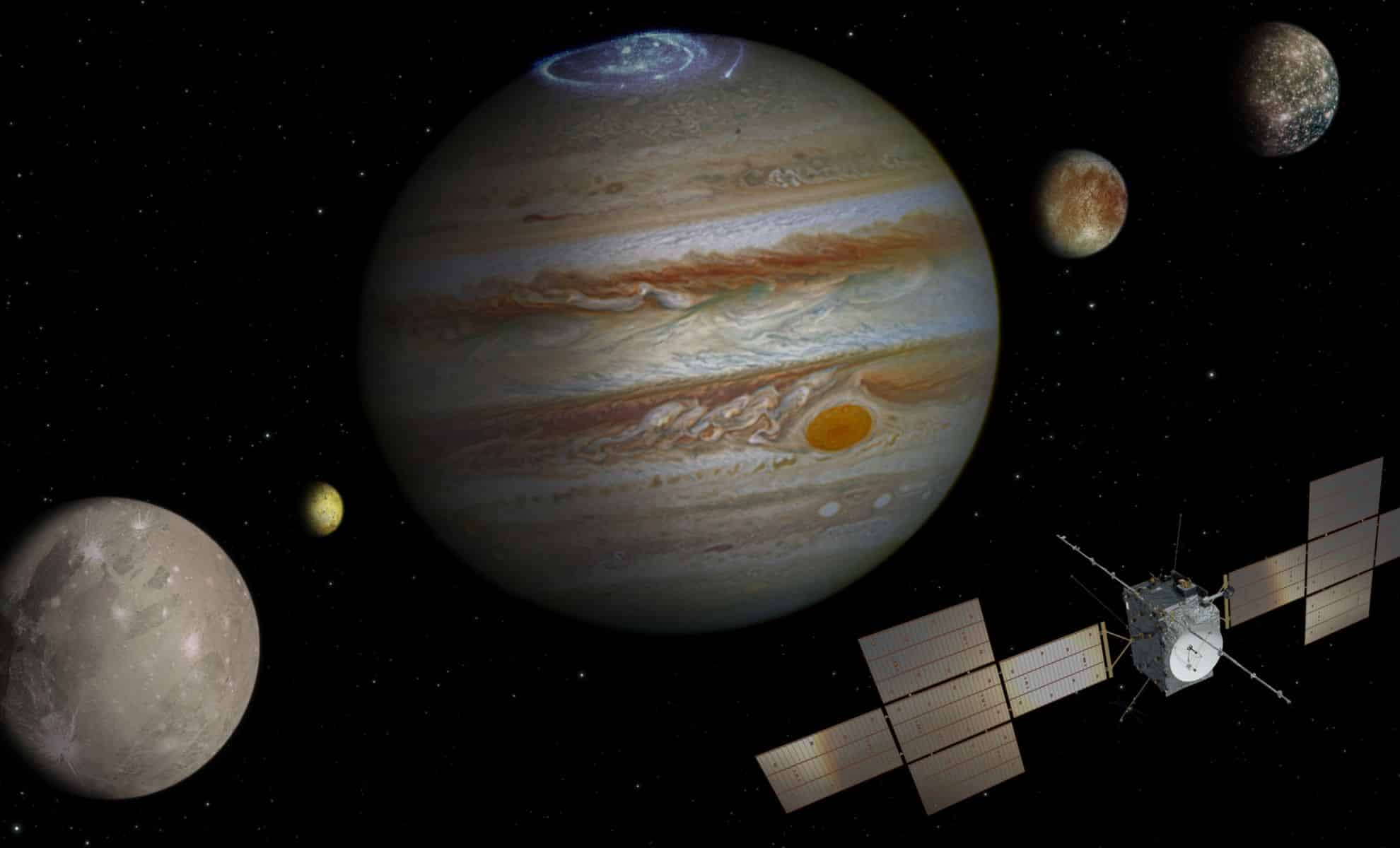
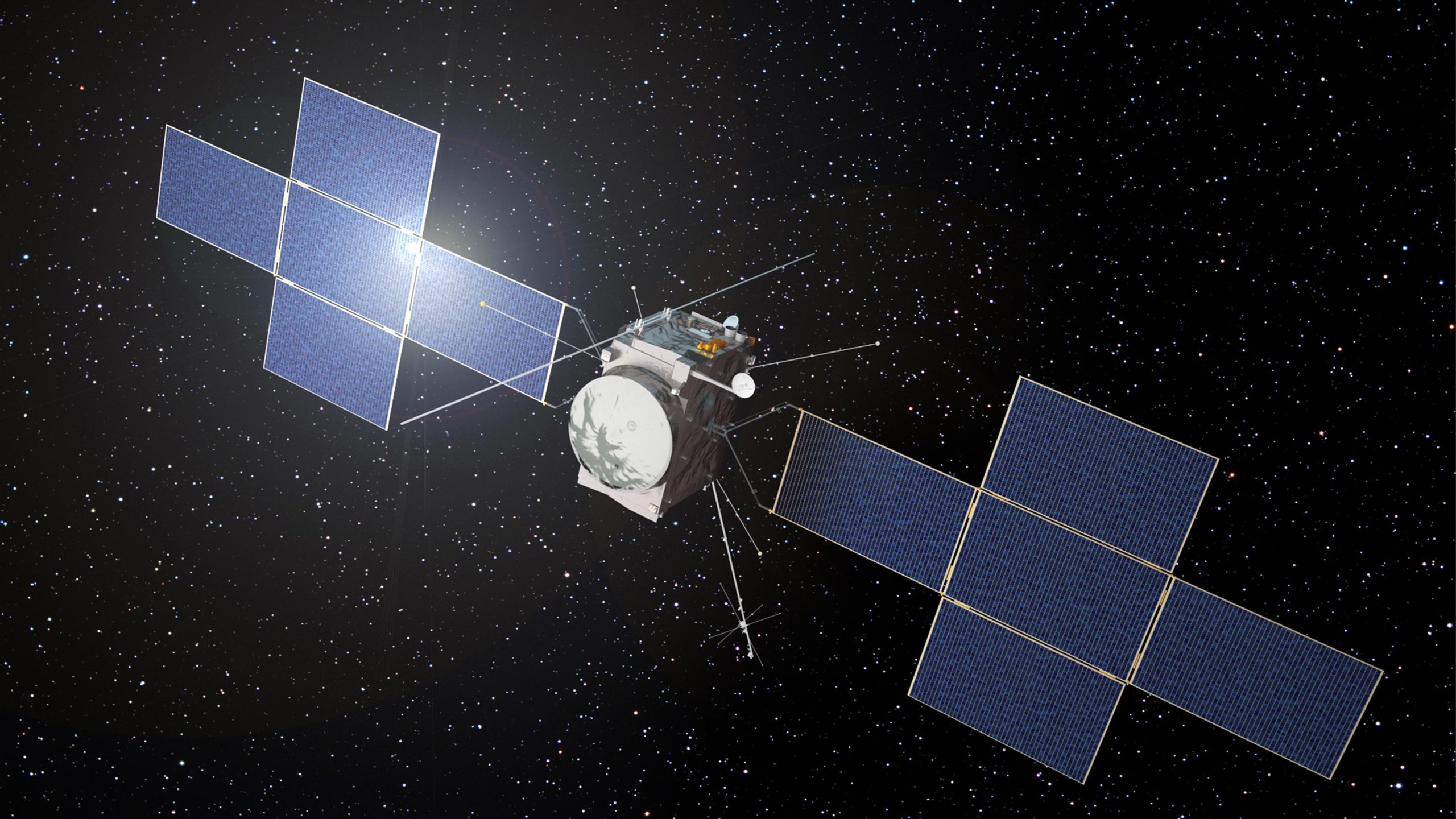
The European Space Agency's JUICE mission, launched on April 14, 2023, aims to explore Jupiter and its icy moons, including Europa, Ganymede, and Callisto, to study their composition, geology, and potential habitability. The mission involves complex navigation, including a critical lunar-Earth flyby in August 2024, to propel the spacecraft towards Jupiter. Equipped with advanced instruments, JUICE will investigate subsurface oceans, surface compositions, and Jupiter's atmosphere and magnetosphere, contributing to our understanding of the Jovian system and the search for extraterrestrial life.

space-science1 year ago

"Detecting Extraterrestrial Life with a Single Ice Grain"

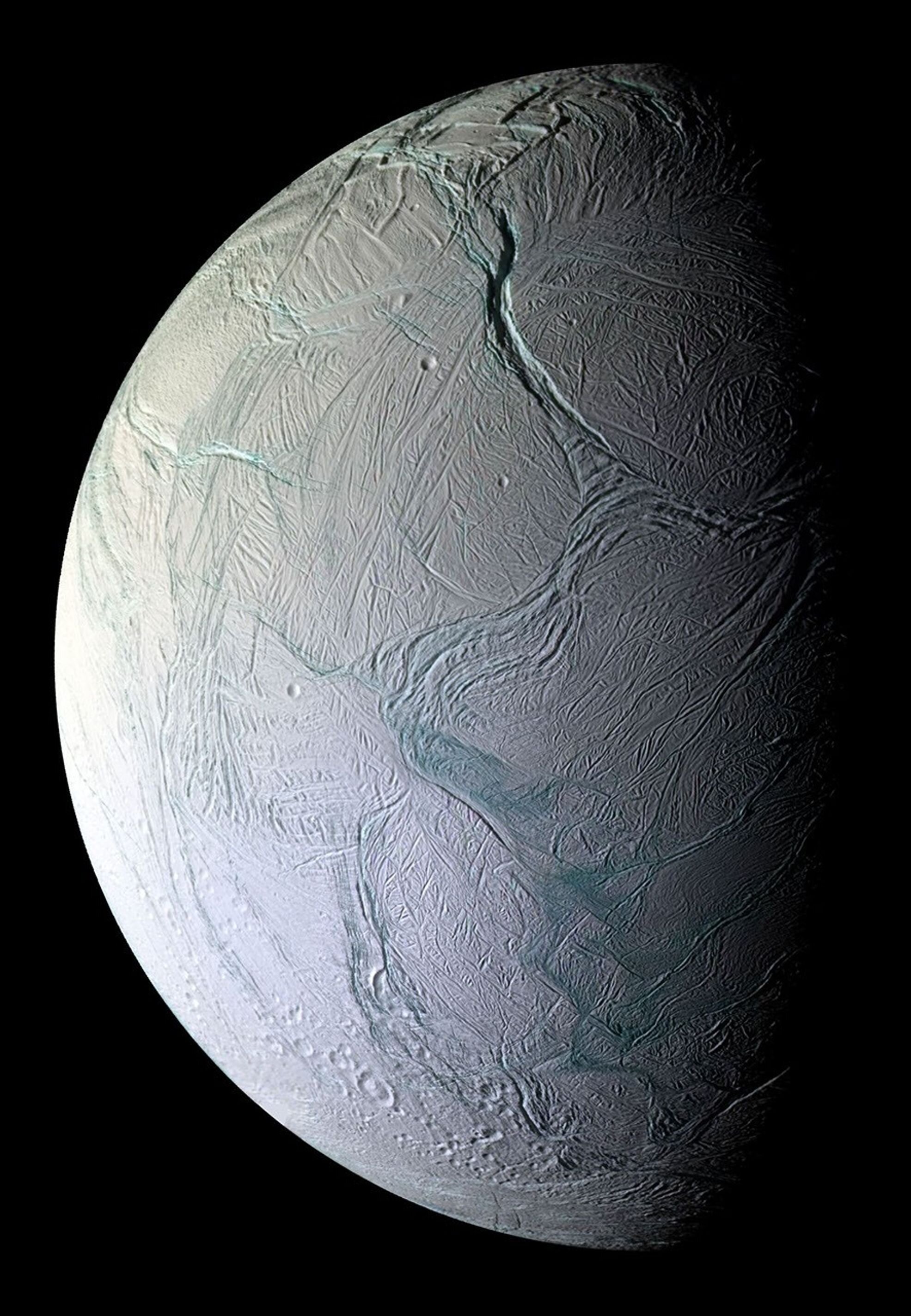
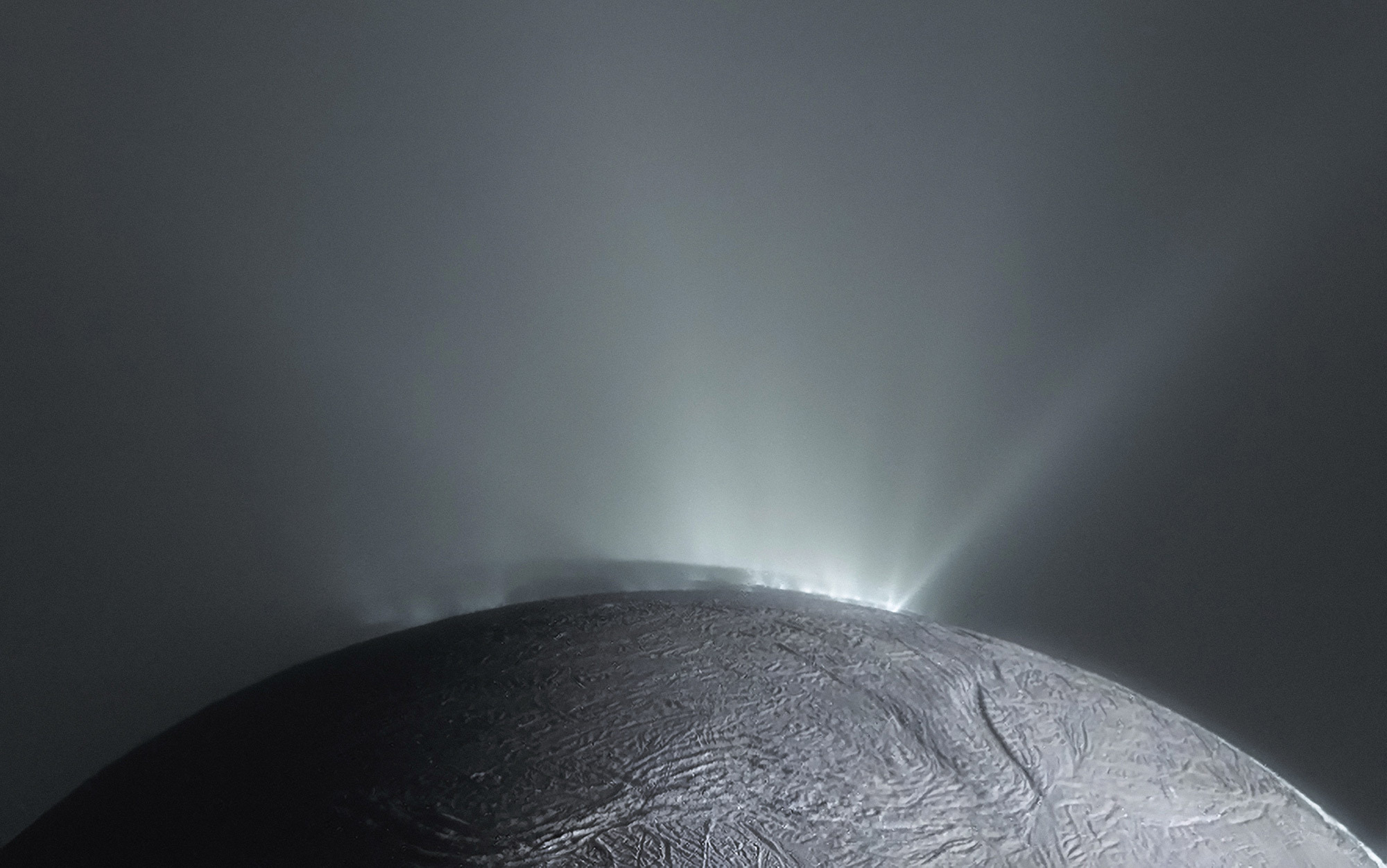
Scientists have found that a single grain of material from icy moons like Europa and Enceladus could contain signs of life, boosting hopes for upcoming space missions. Using a simulated setup, they detected cellular material from a bacterium in ice grains, suggesting that upcoming spacecraft instruments could detect similar lifeforms. Missions like NASA's Europa Clipper and ESA's JUICE mission are on the horizon, equipped to potentially detect signs of life in the icy plumes of these moons. These findings are making the prospect of finding life on icy moons even more exciting.

space-science1 year ago

"Hidden Ocean: Saturn's 'Death Star' Moon Reveals Subsurface Secrets"

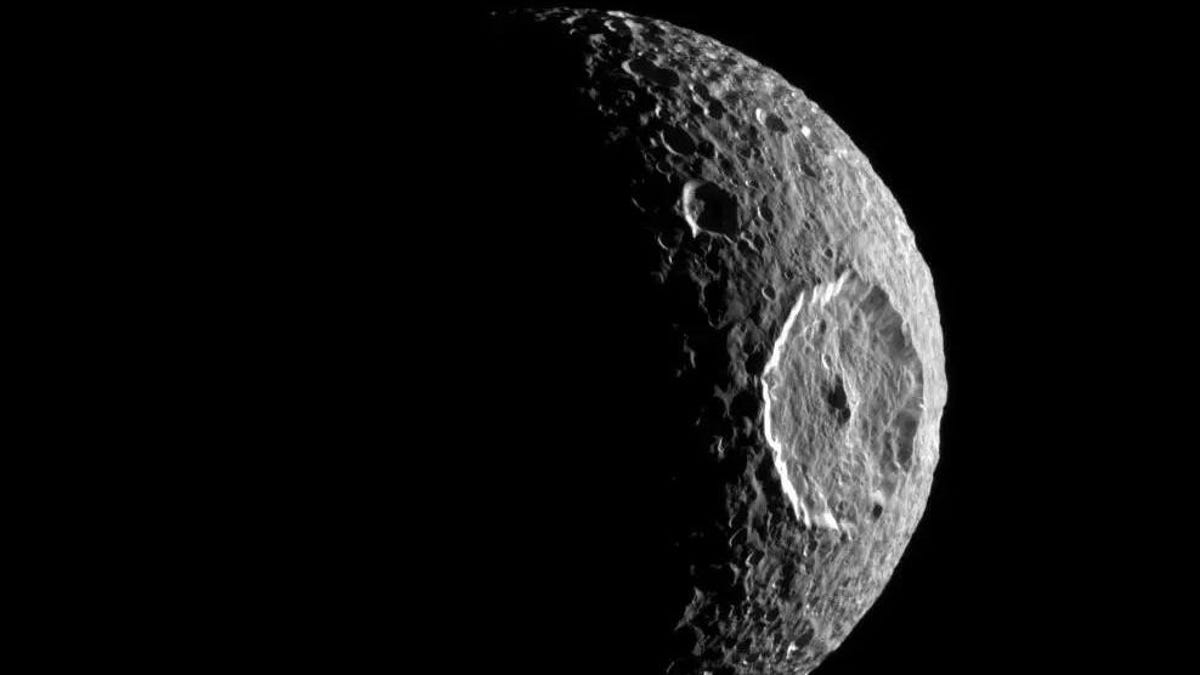
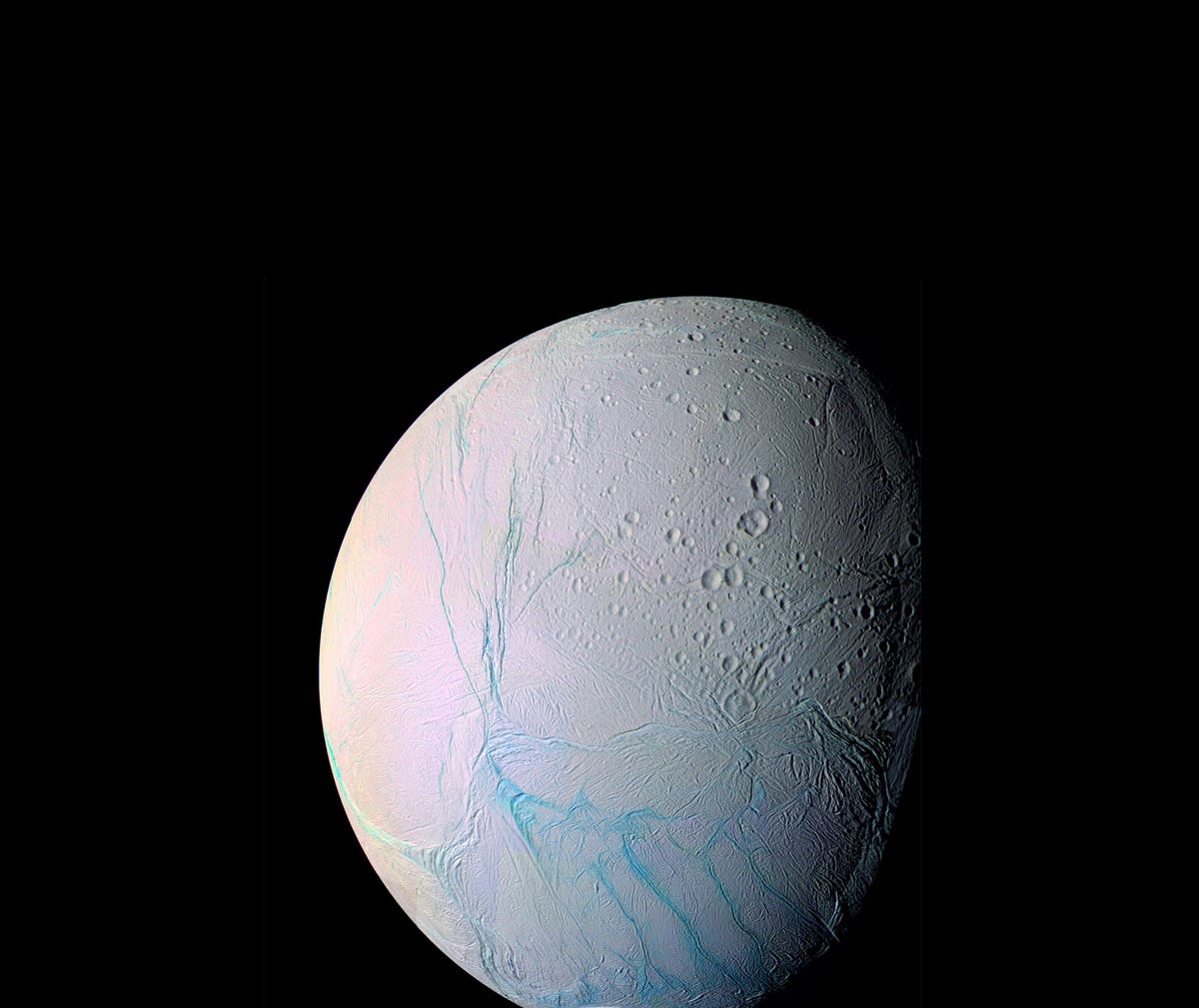
Saturn's moon Mimas, known for its resemblance to the Death Star, has been found to harbor a hidden ocean beneath its heavily cratered surface, as revealed by data from the Cassini space probe. The ocean, estimated to be 5 to 15 million years old, makes Mimas a prime candidate for studying the origin of life in the solar system. This discovery adds Mimas to the list of icy ocean worlds in the solar system, alongside Enceladus and Europa, and raises the possibility of habitability beyond Earth.

science2 years ago

"Exploring Panspermia: Life Beneath the Ice Crust of Alien Worlds"

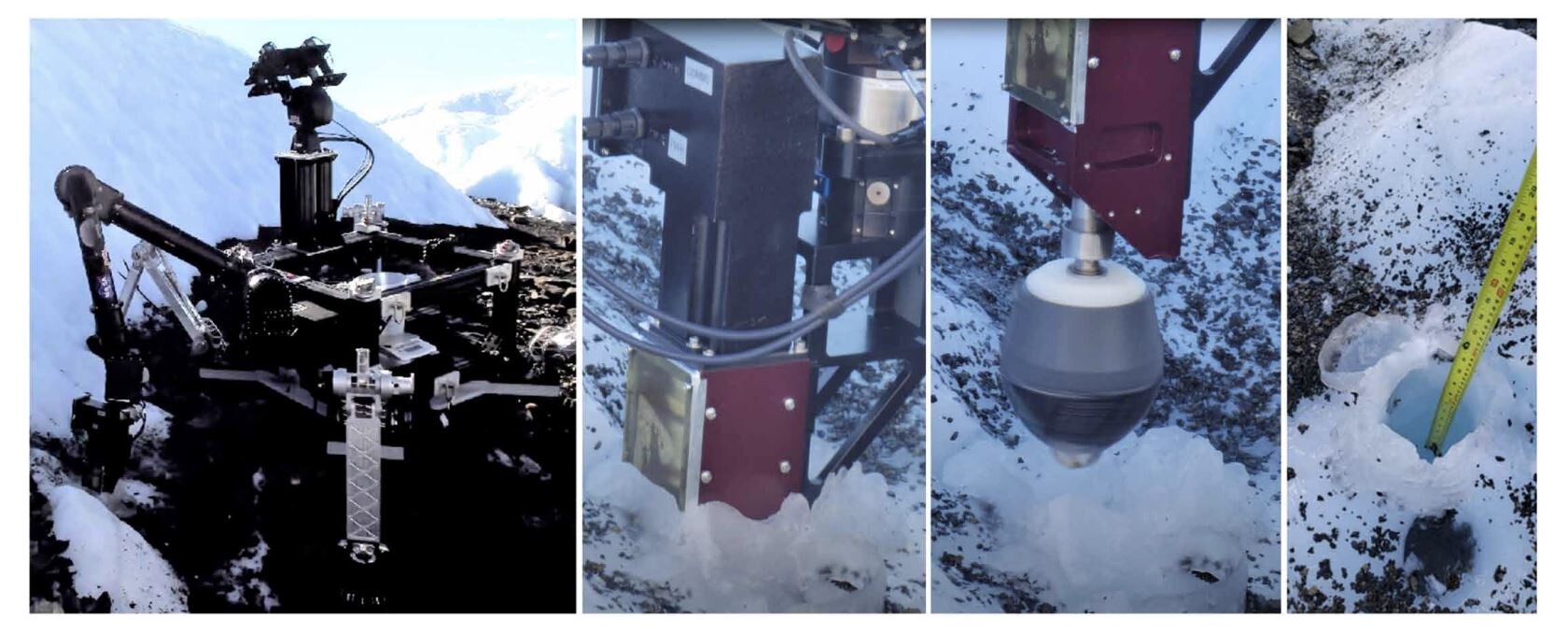
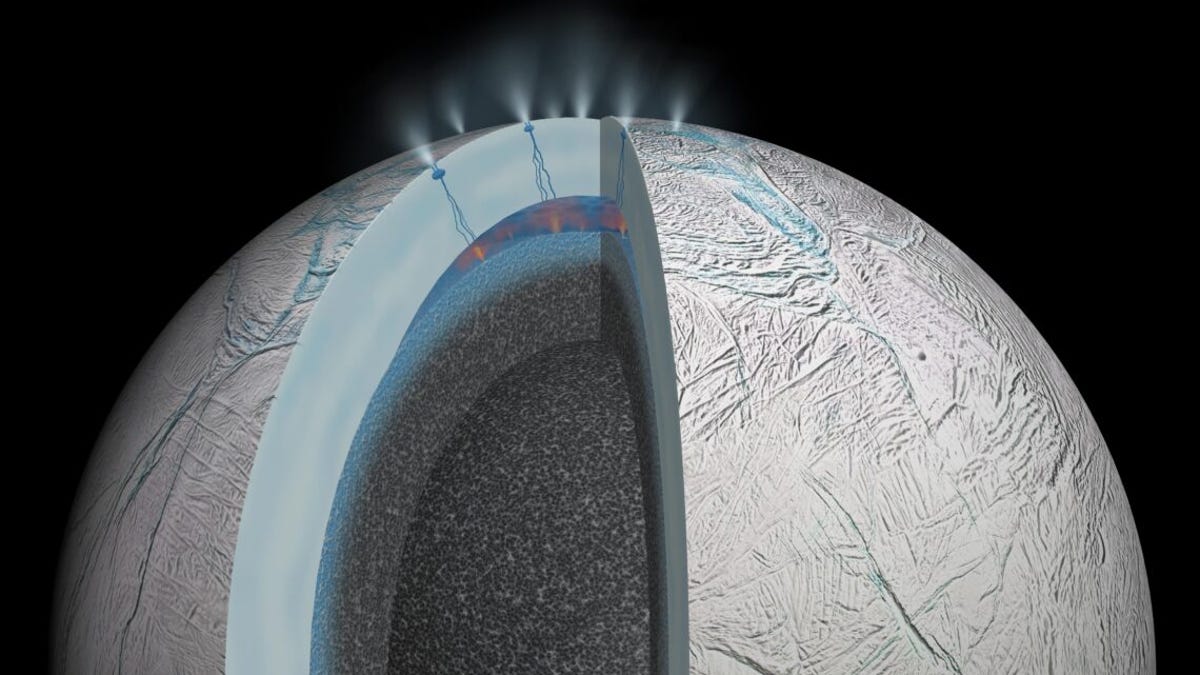
The theory of panspermia, which suggests that life on Earth may have originated from an extraterrestrial source, has gained renewed interest with recent discoveries of icy moons in our solar system. These moons, such as Enceladus and Europa, have subsurface oceans that could potentially harbor life. Missions like JUICE and Europa Clipper are being planned to explore these moons and search for signs of life. Additionally, the concept of cryobots, robotic probes capable of penetrating the icy crust of these moons, is being developed to further investigate their hidden oceans. The discovery of life on these icy moons would provide evidence for the natural spread of life through space and could revolutionize our understanding of the origin of life in the universe.

space-exploration2 years ago

"Revolutionary Nano Submarine to Probe Icy Moons of the Solar System"

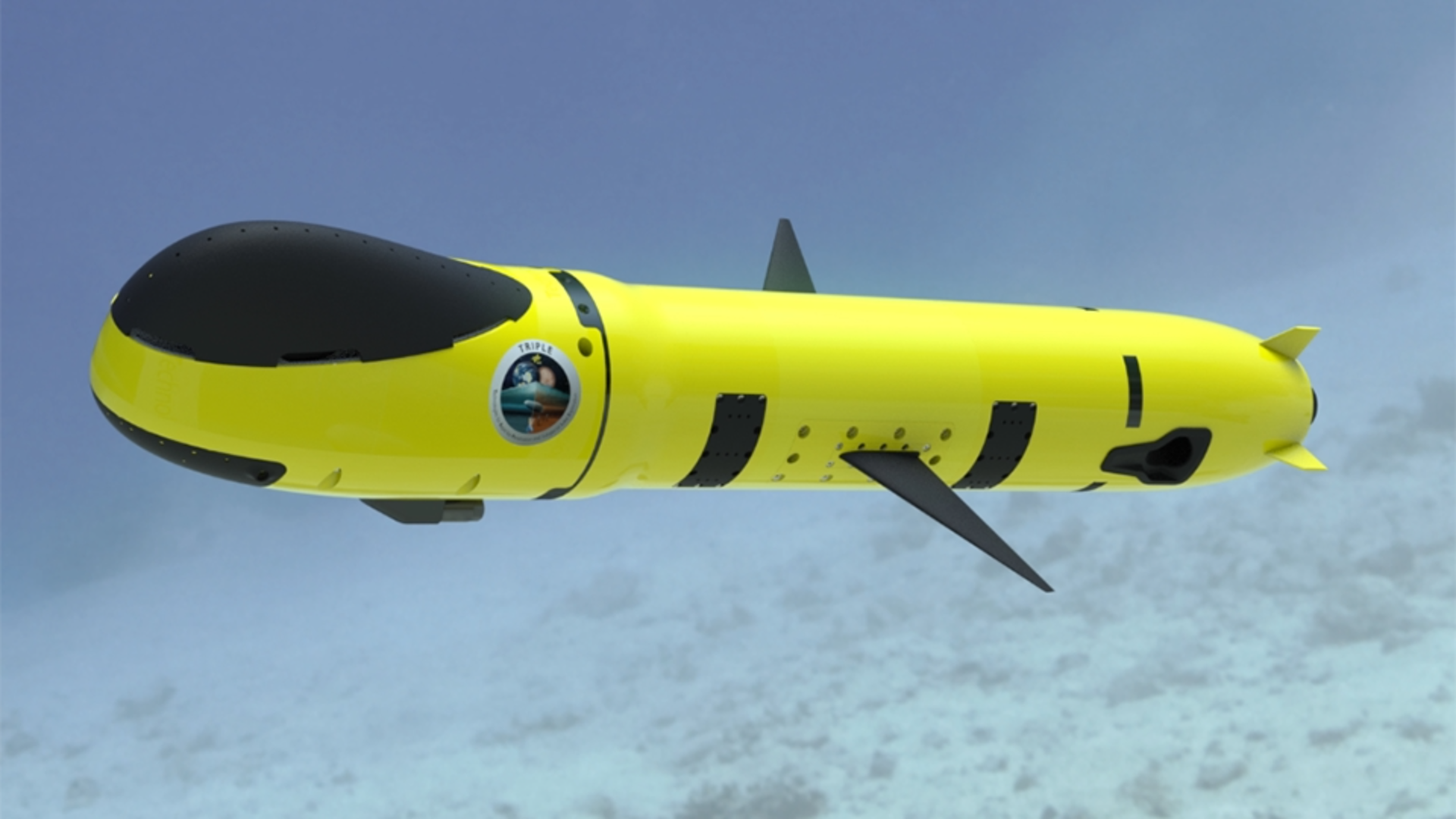
A nano submarine is being developed to explore the icy moons of Saturn and Jupiter, such as Enceladus and Europa, which are believed to have oceans of water beneath their icy surfaces. By studying Earth's coldest regions, like Antarctica, scientists hope to gain insights into the environmental conditions on these celestial bodies and potentially discover signs of life.

space-science2 years ago

Extraterrestrial Bacterial Spores: Thriving on Jupiter and Saturn's Icy Moons

Bacterial spores, known for their resilience, may thrive in the frigid subsurface conditions of the icy moons of Jupiter and Saturn, according to recent research by NASA's Jet Propulsion Lab. These spores, which can remain dormant for extended periods, have the ability to reactivate and replicate under favorable conditions. The study found that the spores were more viable at cryogenic temperatures, suggesting that they may persist in the extreme cold environments of these moons. While the likelihood of viable microorganisms on the surface of these moons is low due to radiation exposure, Saturn's moon Enceladus, with its low radiation levels and protective icy grains, may offer the best chance for bacterial spores to survive.

space2 years ago

ESA's Juice Probe Fully Deployed and Ready to Explore Jupiter's Moons in 2031

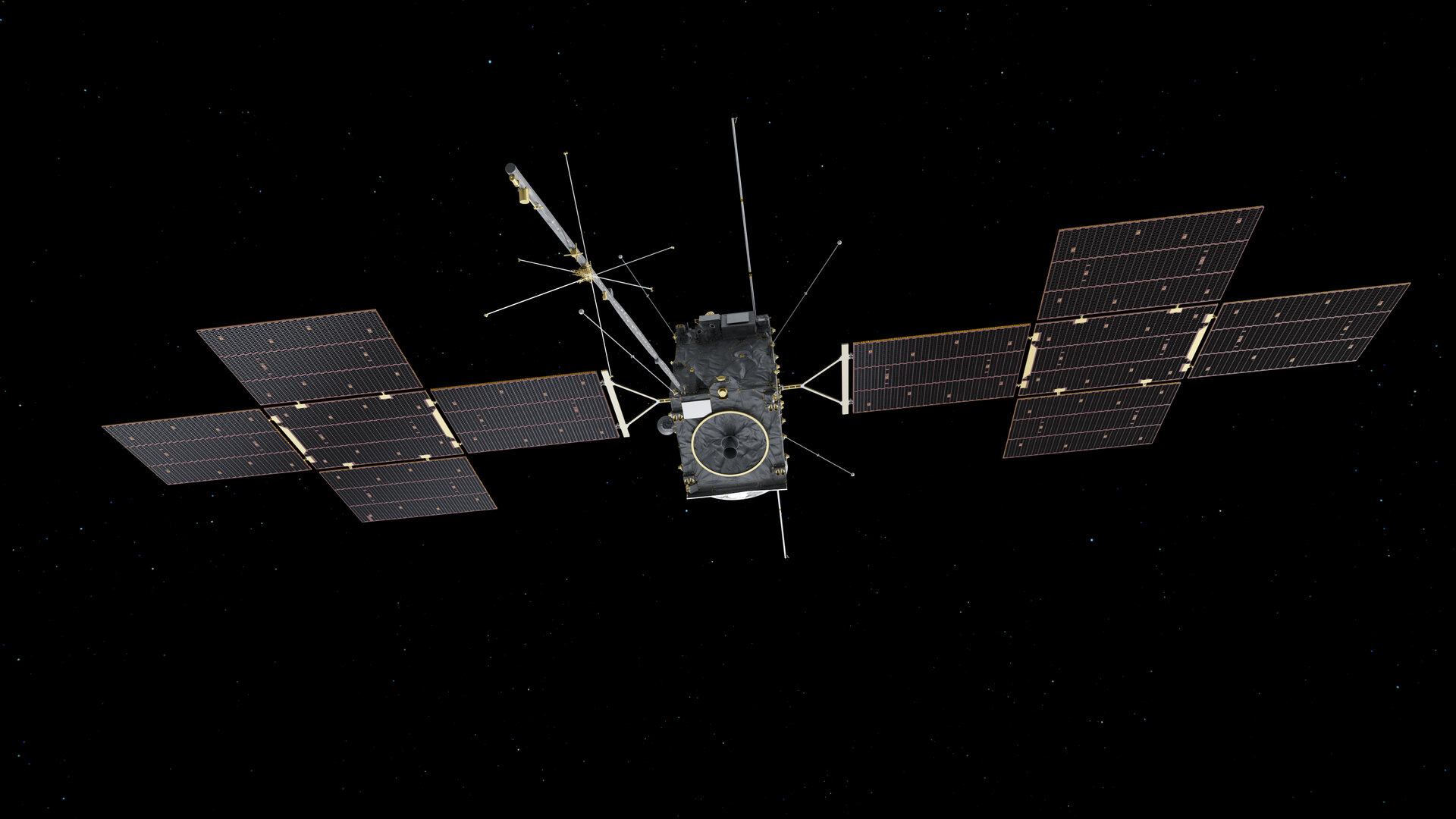
The European Space Agency's Jupiter Icy Moons Explorer (Juice) spacecraft has completed the unfurling of its solar panel arrays and various booms, probes, and antennae while en route to Jupiter. Juice will explore Jupiter while conducting 35 flybys of Europa, Ganymede, and Callisto, which are each hypothesized to contain bodies of liquid water beneath their icy crusts. The spacecraft will also conduct further examinations of the entire Jupiter system, as scientists hypothesize this could help paint a clearer picture of gas giant exoplanets.

space2 years ago

JUICE Probe Successfully Deploys Stuck Antenna on Journey to Jupiter

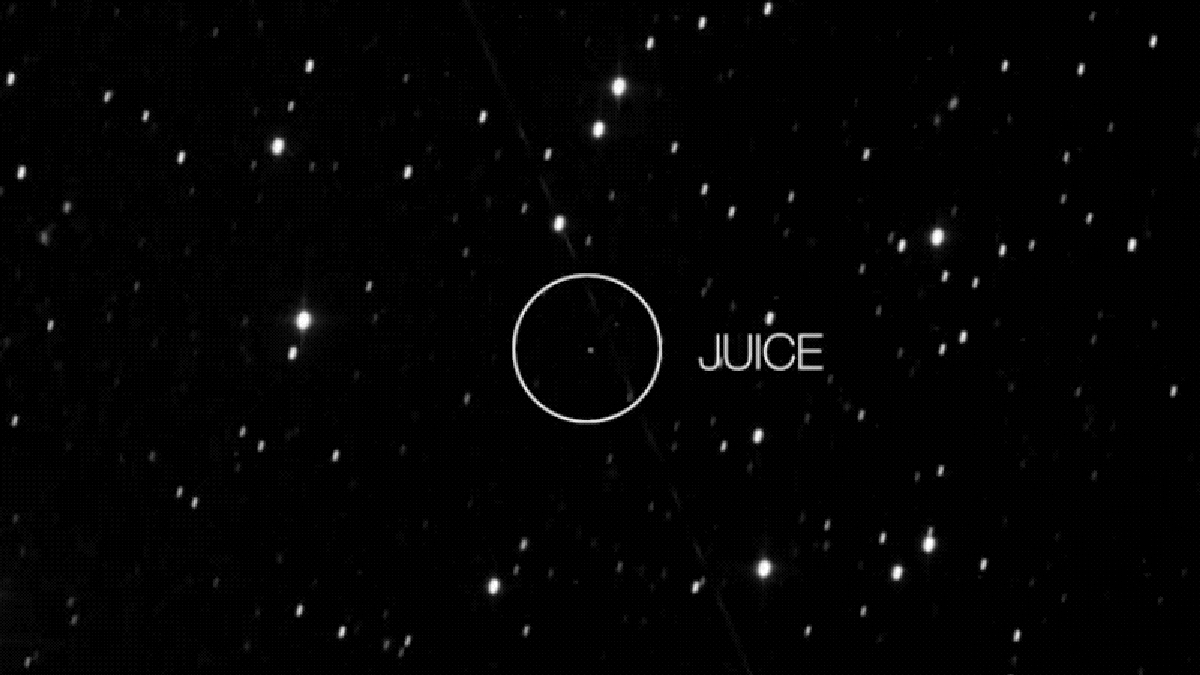
The Jupiter Icy moons Explorer (JUICE) probe, launched on April 14, has captured its first images of Earth and is on a 12-year mission to study three of Jupiter's icy moons: Europa, Ganymede, and Callisto. The probe will use the gravity of the Earth-Moon system to propel it on its trajectory through the inner solar system, targeting September 2026 for an Earth flyby, followed by another one in November 2029. JUICE is estimated to reach Jupiter in 2031 and will investigate these large moons for signs that they could host life.

space2 years ago

Juice Spacecraft's RIME Antenna Successfully Deployed

The Juice spacecraft's RIME antenna, designed to study Jupiter's icy moons, has been successfully deployed after overcoming a stuck pin issue with the help of a mechanical device called a 'non-explosive actuator'. The 16-meter-long boom had been stuck for over three weeks, but the flight control team at ESA's mission control center in Darmstadt finally managed to jolt it into life on May 12. Once ESA's Jupiter Icy Moons Explorer (Juice) arrives at Jupiter, it will use RIME to study the surface and subsurface structure of Jupiter's icy moons down to a depth of 9 km.

space2 years ago

JUICE probe encounters antenna deployment issue en route to Jupiter.

The European Space Agency's Jupiter Icy Moons Explorer (JUICE) is having trouble deploying its 16-meter-long radar antenna, which is crucial for scanning beneath the icy crusts of Jupiter's moons. The RIME instrument is a radar sounder that can reveal details about subsurface geology and geophysics. The spacecraft teams are working to free the antenna, and they plan to shake the aircraft or rotate it into sunlight to warm up the mount. JUICE is on an eight-year-long cruise mode and will perform 35 flyby approaches to Europa, Ganymede, and Callisto.