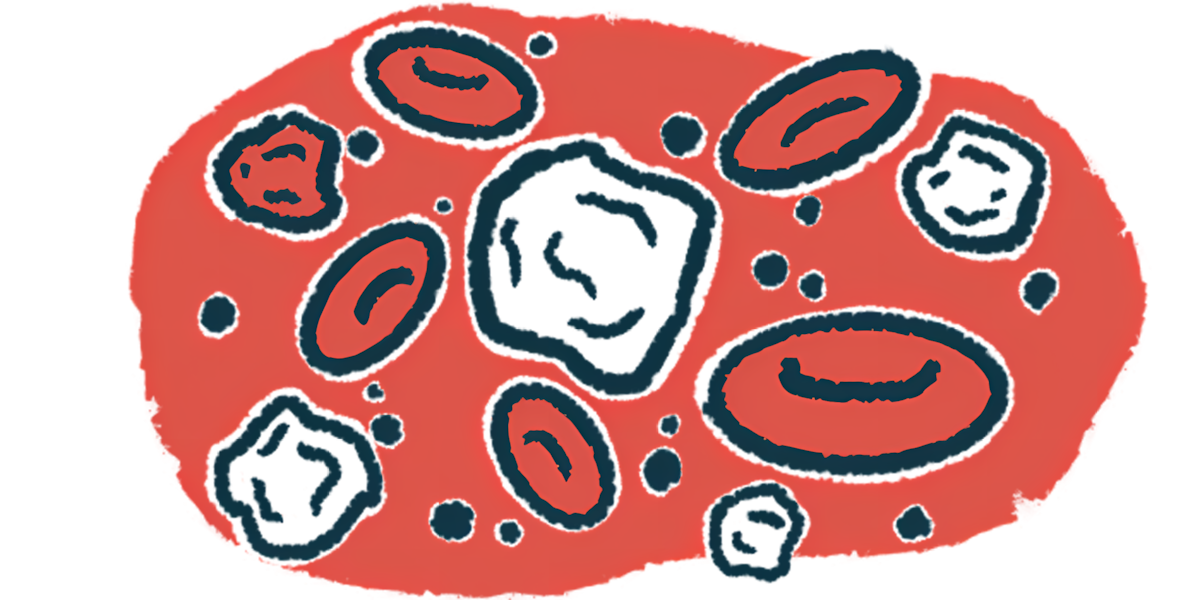
A study shows that Ocrevus rapidly depletes B-cells in MS patients and causes gradual changes in T-cells, including increased regulatory T-cells after six months, which may contribute to its long-term effectiveness.
A real-world study suggests that Ocrevus may stabilize disability progression in people with severe walking impairments due to multiple sclerosis, a patient group excluded from the therapy's initial clinical trials. However, about half of the patients discontinued treatment primarily due to side effects and a lack of perceived benefits. The study found that 66.1% of patients experienced no disability progression after about three years on Ocrevus, with 29% reporting subjective disease stabilization. The researchers concluded that Ocrevus may be a useful therapeutic strategy for up to a third of highly disabled MS patients, but more research is needed to identify those who would most benefit from its use.
A study analyzing real-world data has found that most disability worsening experienced by multiple sclerosis (MS) patients treated with Ocrevus (ocrelizumab) is not associated with relapse activity. The analysis included data from 97 patients and showed that 23.7% experienced confirmed worsening in disability, with 20 cases attributed to progression independent of relapse activity (PIRA). These findings align with clinical trials, suggesting that Ocrevus is effective in reducing disability progression in relapsing MS patients. Factors associated with PIRA risk included shorter disease duration and fewer prior MS treatments. However, the study's reliance on real-world data is a limitation.
Fluctuations in the severity of multiple sclerosis (MS) symptoms experienced by patients on Ocrevus (ocrelizumab) are likely due to the natural variability of MS symptoms rather than any direct biological effect of the medication, according to a study. Patients commonly report a 'wearing off' effect between infusions, but the study suggests that these experiences are attributed to natural fluctuations in MS symptoms rather than the timing of Ocrevus infusions. The study casts doubt on the existence of 'wearing off' as a consistent physiological phenomenon and emphasizes the need for further research to understand the fluctuations in symptom severity in MS patients.
Ocrevus (ocrelizumab) is the most effective antibody-based therapy for primary progressive multiple sclerosis (PPMS), according to a review study. The medication reduces disability progression, decreases the risk of needing a wheelchair, and improves upper extremity impairment. However, Ocrevus is associated with an increased risk of infection. The other antibody therapies assessed in the study, including rituximab, Tysabri, and Lemtrada, showed conflicting outcomes and were not as effective in treating PPMS. Further research is needed to fully understand the risks and benefits of these treatments for progressive forms of multiple sclerosis.
Foralumab shows early positive results for SPMS, Ocrevus may work better than certain oral treatments, Kesimpta also beat pills, and combining cardio and aerobic exercise can help MS patients.
Recent studies suggest that stem cell therapy may be most effective when given early in the disease course of multiple sclerosis (MS). Ocrevus has been found to limit brain volume loss in people with relapsing MS, while fenebrutinib has shown promise in reducing brain lesions in a Phase 2 clinical trial. Another experimental oral therapy, vidofludimus calcium, may reduce inflammation and protect neurons, potentially preventing neurodegeneration and disability accumulation for people with all forms of MS.
A study funded by Genentech found that early treatment with Ocrevus is better than later treatment for MS patients. Engineering and nursing students at the University of Detroit Mercy created new assistive devices for people with MS and other physical conditions. Virtual reality therapy may improve balance and reduce fear of falling for MS patients. Briumvi has been prescribed to over 400 MS patients since its approval last year and will receive a permanent J-code for billing and reimbursement purposes.
Sativex, an oral cannabinoid spray, has received good patient reviews for easing MS spasticity. The world's first "mega-trial," Octopus, is recruiting participants in the UK to test several experimental MS therapies against a shared control group at the same time. Prior treatments for MS could impact the success of Ocrevus therapy. Quitting smoking or switching to snuff may help slow MS progression, but snuff is associated with many health problems.
A study shows that Ocrevus lowers the risk of MS progression, while Merck and ModeX Therapeutics are collaborating to develop a vaccine to protect against the Epstein-Barr virus (EBV), which is believed to be a significant risk factor for developing MS. Treat It, the UK's first online medical cannabis clinic, is aimed at chronic pain management for MS patients. The MS International Federation is asking the World Health Organization (WHO) to add rituximab, Mavenclad, and glatiramer acetate to its list of essential medicines.
Higher blood levels of Ocrevus, a medication used to treat multiple sclerosis (MS), is associated with a significantly lower risk of confirmed disability progression during treatment in people with relapsing and progressive forms of MS, according to an analysis of data from three Phase 3 clinical trials. The lower disability progression rates reported in people with higher Ocrevus exposure were independent of reductions in relapse rates or MRI activity, suggesting the medication worked to prevent progression independent of relapse activity. Higher Ocrevus exposure also was not linked to more side effects.