Tag

Real World Study

All articles tagged with #real world study

Real-World Effectiveness of Obesity Injections May Be Lower Than Clinical Trials

Originally Published 7 months ago — by Medscape

Featured image for Real-World Effectiveness of Obesity Injections May Be Lower Than Clinical Trials
Source: Medscape

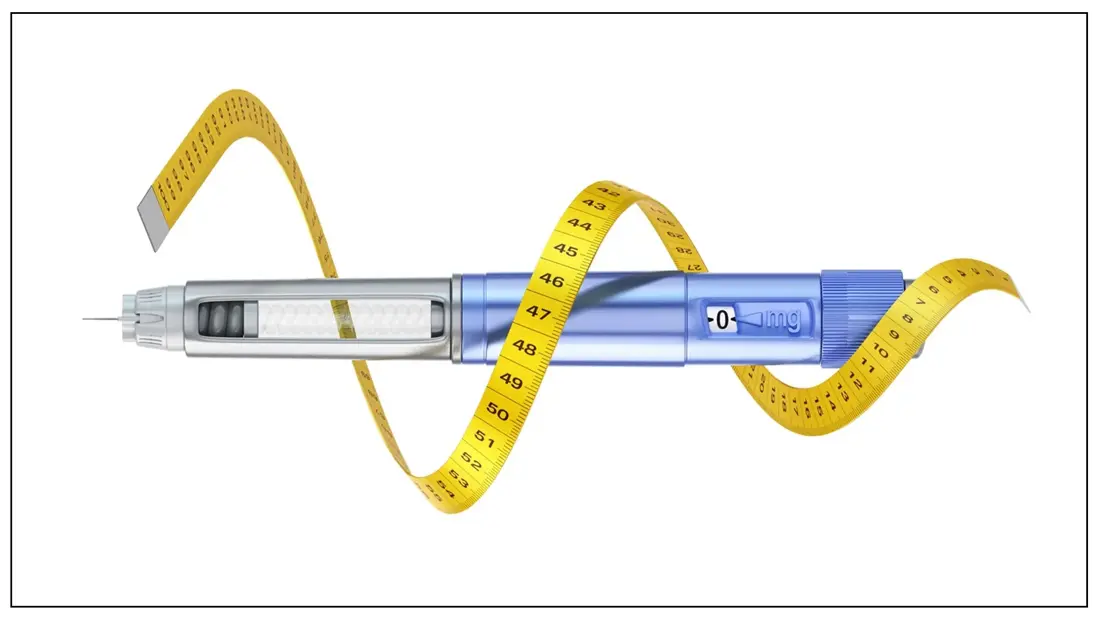
Real-world use of semaglutide and tirzepatide results in less weight loss than clinical trials, mainly due to early discontinuation and lower doses, but still shows benefits in glycemic control and diabetes prevention, highlighting the importance of persistence and optimal dosing.
Real-World Effectiveness of Weight-Loss Drugs Falls Short of Clinical Trial Results

Originally Published 7 months ago — by Cleveland Clinic Newsroom

Featured image for Real-World Effectiveness of Weight-Loss Drugs Falls Short of Clinical Trial Results
Source: Cleveland Clinic Newsroom

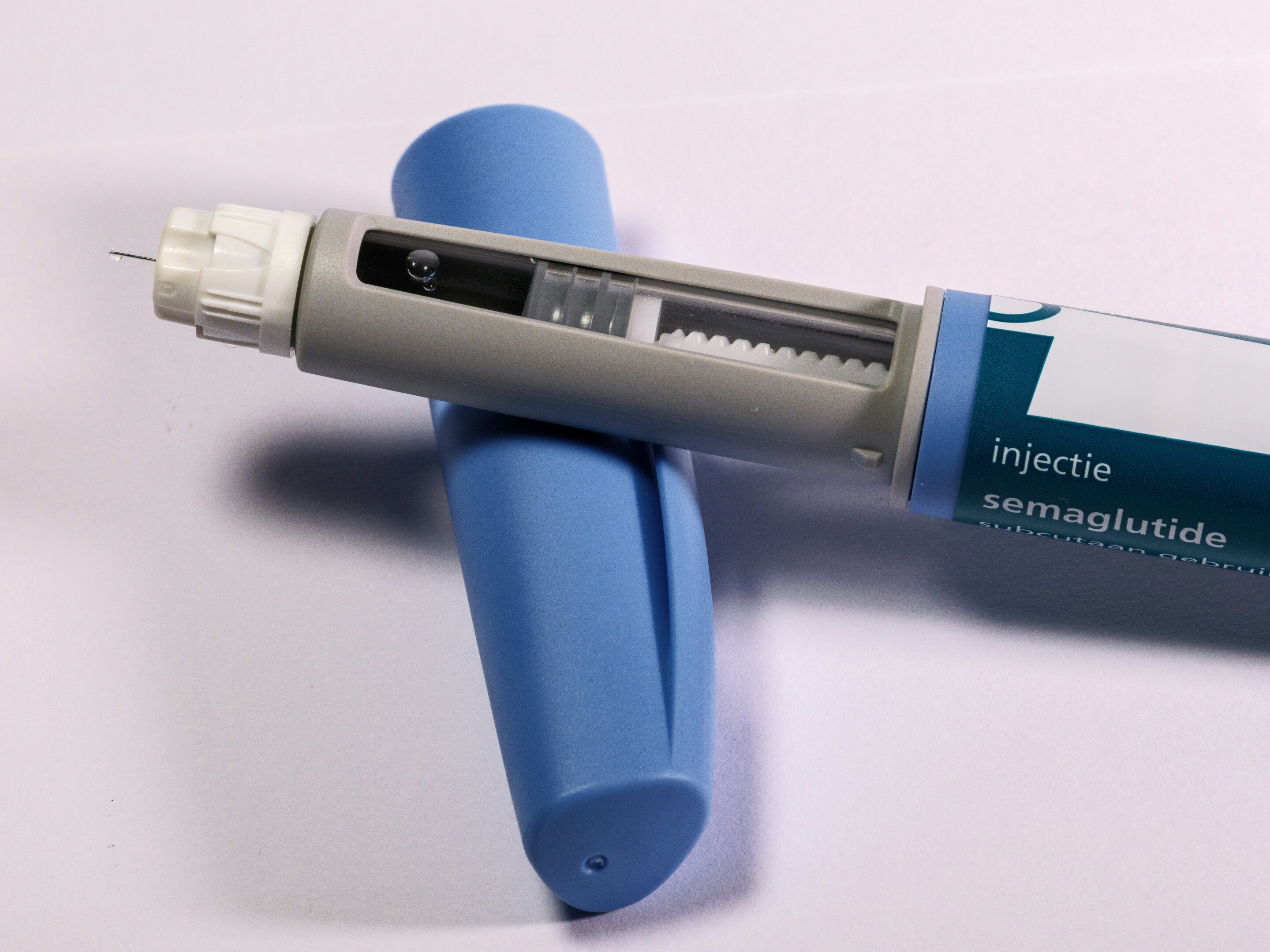
A Cleveland Clinic study found that in real-world settings, injectable obesity medications semaglutide and tirzepatide lead to smaller weight loss compared to clinical trials, mainly due to treatment discontinuation and lower dosages, with discontinuation also negatively impacting blood sugar control in prediabetic patients.

Real-World Effectiveness of Injectable Obesity Medications Shows Less Weight Loss

Originally Published 7 months ago — by Medical Xpress

Featured image for Real-World Effectiveness of Injectable Obesity Medications Shows Less Weight Loss
Source: Medical Xpress

A Cleveland Clinic study found that injectable obesity medications semaglutide and tirzepatide lead to smaller weight loss in real-world settings due to treatment discontinuation and lower dosages, with continued treatment and higher doses associated with greater weight loss and better blood sugar control, especially in patients with pre-diabetes.

"Real World Benefits of Ocrevus for Severely Disabled MS Patients"

Originally Published 2 years ago — by Multiple Sclerosis News Today

Featured image for "Real World Benefits of Ocrevus for Severely Disabled MS Patients"
Source: Multiple Sclerosis News Today

A real-world study suggests that Ocrevus may stabilize disability progression in people with severe walking impairments due to multiple sclerosis, a patient group excluded from the therapy's initial clinical trials. However, about half of the patients discontinued treatment primarily due to side effects and a lack of perceived benefits. The study found that 66.1% of patients experienced no disability progression after about three years on Ocrevus, with 29% reporting subjective disease stabilization. The researchers concluded that Ocrevus may be a useful therapeutic strategy for up to a third of highly disabled MS patients, but more research is needed to identify those who would most benefit from its use.

Breakthrough Study Confirms Effectiveness of HIV Prevention Drug PrEP

Originally Published 2 years ago — by ScienceAlert

Featured image for Breakthrough Study Confirms Effectiveness of HIV Prevention Drug PrEP
Source: ScienceAlert

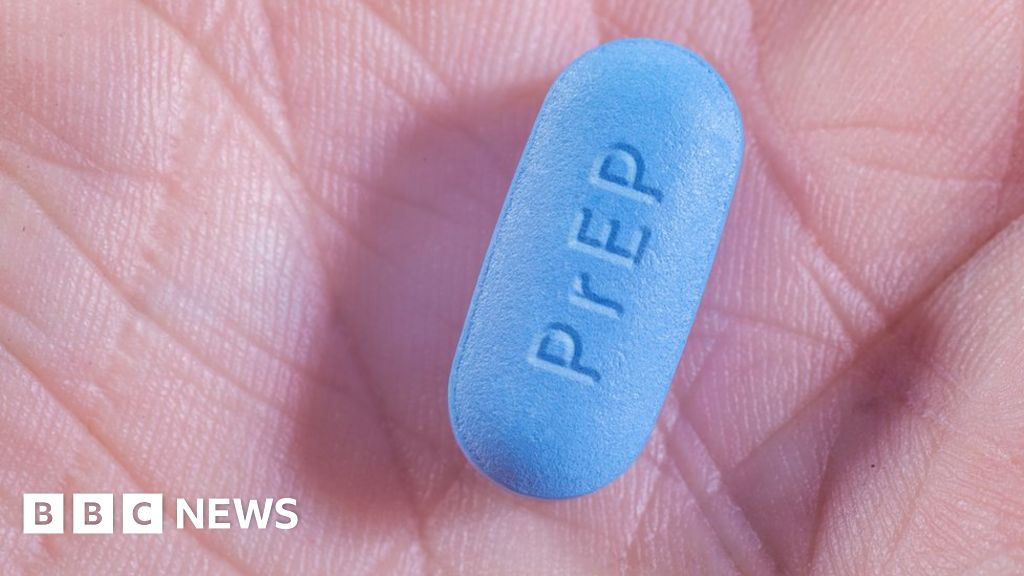
A landmark real-world study conducted in England involving over 24,000 participants at sexual health clinics has found that HIV pre-exposure prophylaxis (PrEP) reduces the risk of HIV infection by 86 percent. The study, funded by the NHS and spanning three years, confirms the effectiveness of PrEP in everyday healthcare settings. The treatment, which combines two existing medicines, was found to be highly effective when taken consistently. The results contribute to the declining rates of new HIV diagnoses globally. However, the study also highlights the need for further efforts to optimize PrEP delivery and increase awareness among underrepresented population groups.

"Study Confirms PrEP as Highly Effective HIV Prevention Drug"

Originally Published 2 years ago — by BBC.com

Featured image for "Study Confirms PrEP as Highly Effective HIV Prevention Drug"
Source: BBC.com

A study of 24,000 people in England has confirmed that PrEP (pre-exposure prophylaxis), a drug that prevents HIV infection, is highly effective as a real-world preventative treatment. The study, conducted at sexual health clinics across England, found that PrEP reduced the chances of getting HIV by 86%. The results have been described as "reassuring" and highlight the need for easier access to the drug, particularly among women and minority groups. The UK Health Security Agency (UKHSA) believes that increasing the uptake of PrEP will help achieve the government's goal of zero HIV transmissions by 2030.

Comparing Mounjaro and Ozempic: Which is the Superior Weight Loss Drug?

Originally Published 2 years ago — by CNBC

Featured image for Comparing Mounjaro and Ozempic: Which is the Superior Weight Loss Drug?
Source: CNBC

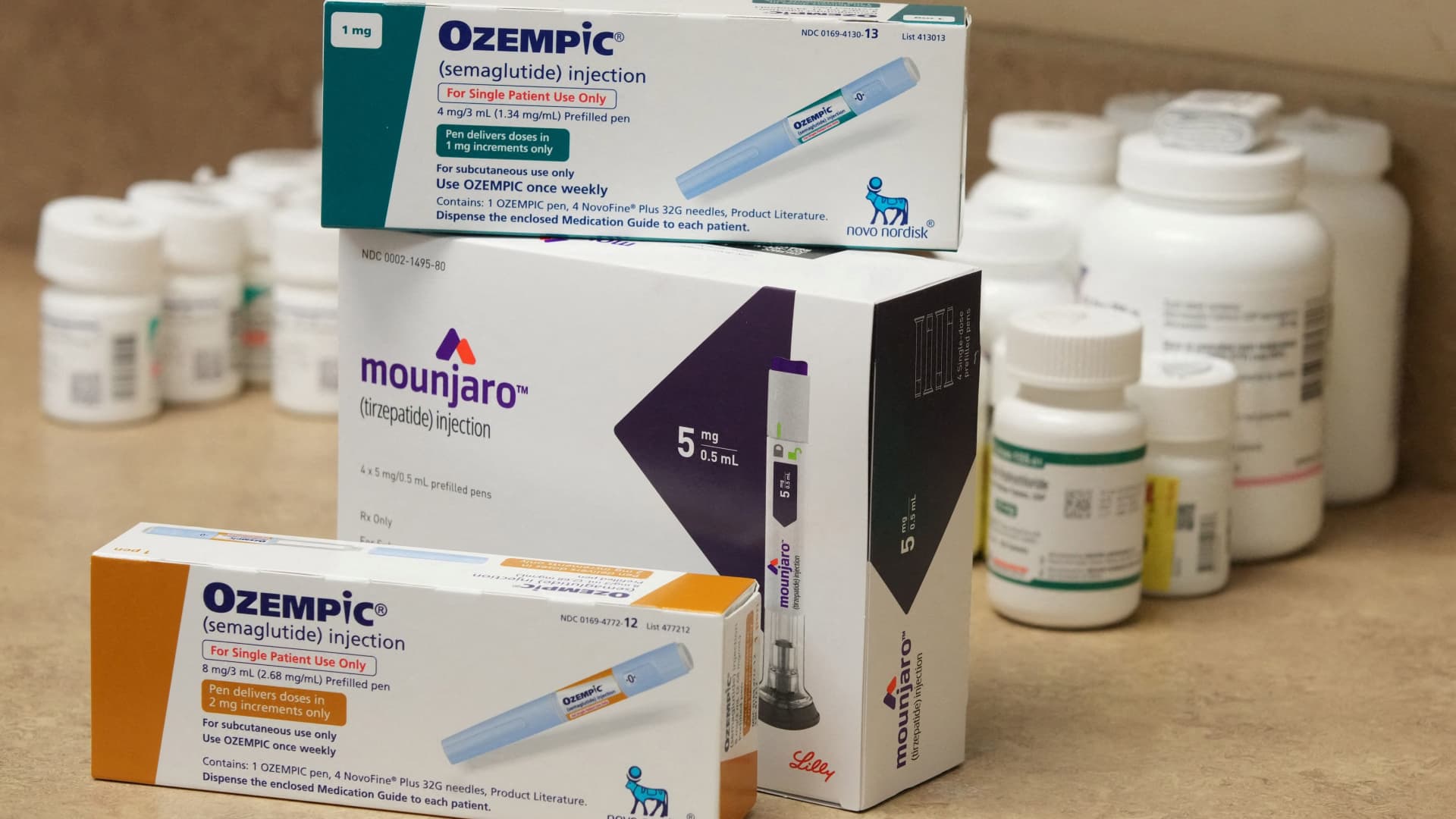
A real-world study conducted by Truveta Research has found that the diabetes drug Mounjaro is more effective for weight loss than the popular treatment Ozempic in overweight or obese adults. Patients taking Mounjaro were significantly more likely to lose 5%, 10%, and 15% of their body weight compared to those on Ozempic. The study confirms Mounjaro's edge over Ozempic in a real-world setting, although head-to-head clinical trials in this population are not yet available. Both drugs are only approved for the treatment of Type 2 diabetes but are commonly used off-label for weight loss.

Newer Arthritis Meds and JAK Inhibitors: Promising Treatment for Rheumatoid Arthritis

Originally Published 2 years ago — by Medical Xpress

Featured image for Newer Arthritis Meds and JAK Inhibitors: Promising Treatment for Rheumatoid Arthritis
Source: Medical Xpress

A new study confirms the effectiveness of newer oral medications called JAK inhibitors for rheumatoid arthritis (RA). The study found that most patients with RA who were treated with JAK inhibitors experienced symptom relief or even remission. The findings suggest that JAK inhibitors are effective in real-world settings, even for patients who have not responded well to standard treatments. While JAK inhibitors have been associated with some increased risks, such as heart attack and stroke, the overall risks appear to be low and similar to other RA medications. Long-term effectiveness and safety of JAK inhibitors still need further investigation.