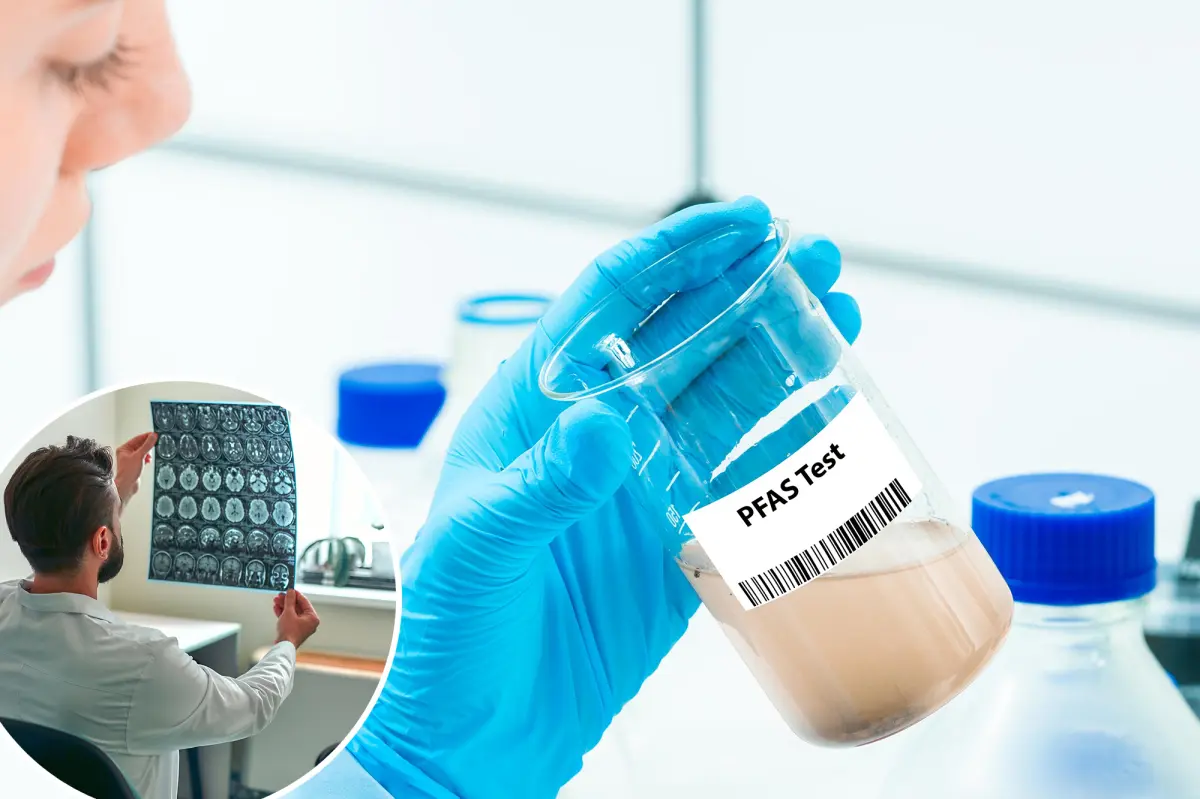
New research links exposure to 'forever chemicals' like PFOS and PCBs to an increased risk of developing multiple sclerosis, highlighting the long-term health risks of these persistent environmental toxins and the importance of reducing exposure.
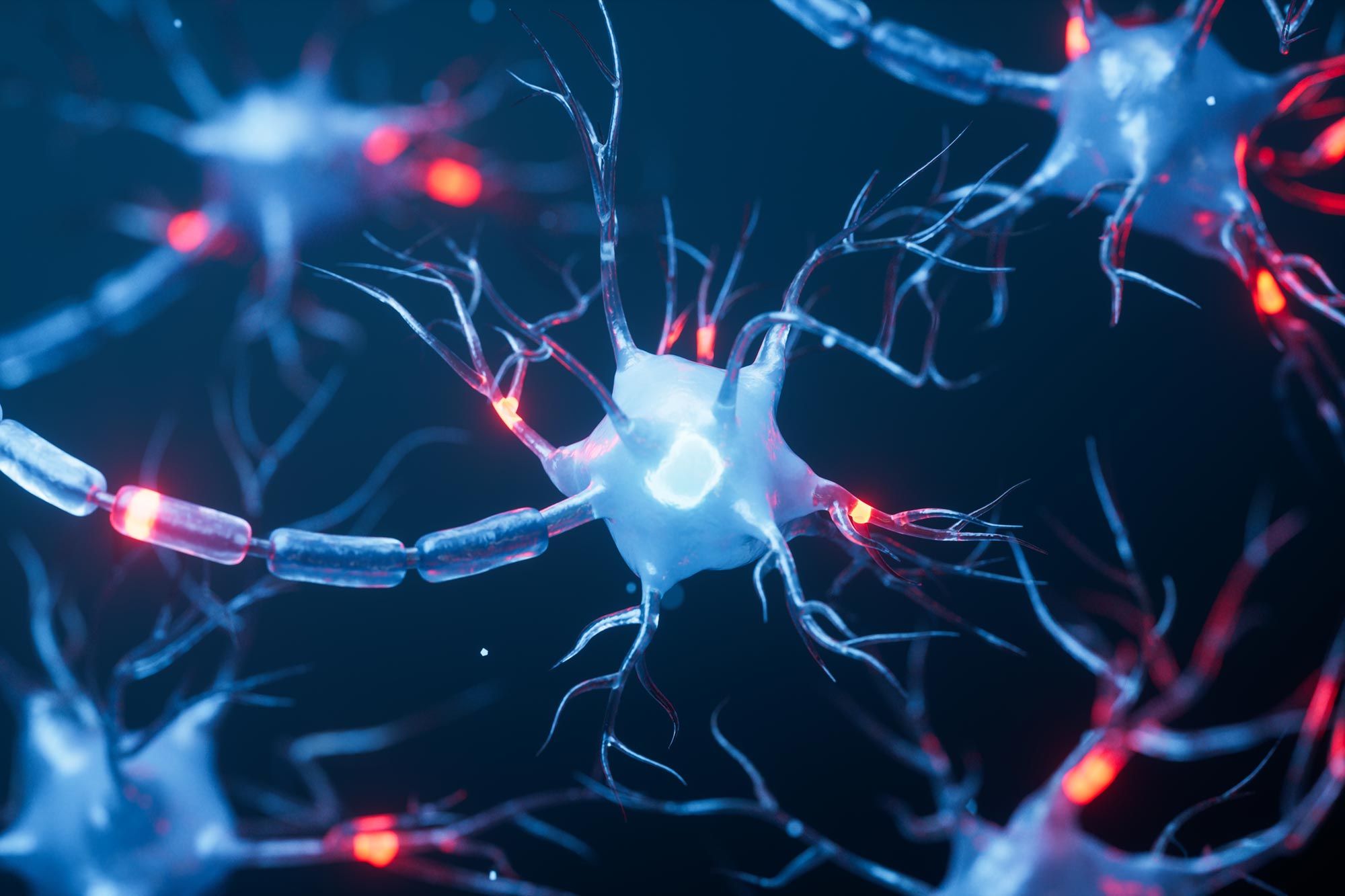
Scientists discovered that losing a small, critical segment of myelin disrupts brain communication by impairing the transmission of signals between the cortex and thalamus, which can lead to cognitive issues similar to those seen in Multiple Sclerosis. The study highlights the importance of myelin in maintaining the structure of neural information transfer and suggests potential avenues for future recovery strategies.
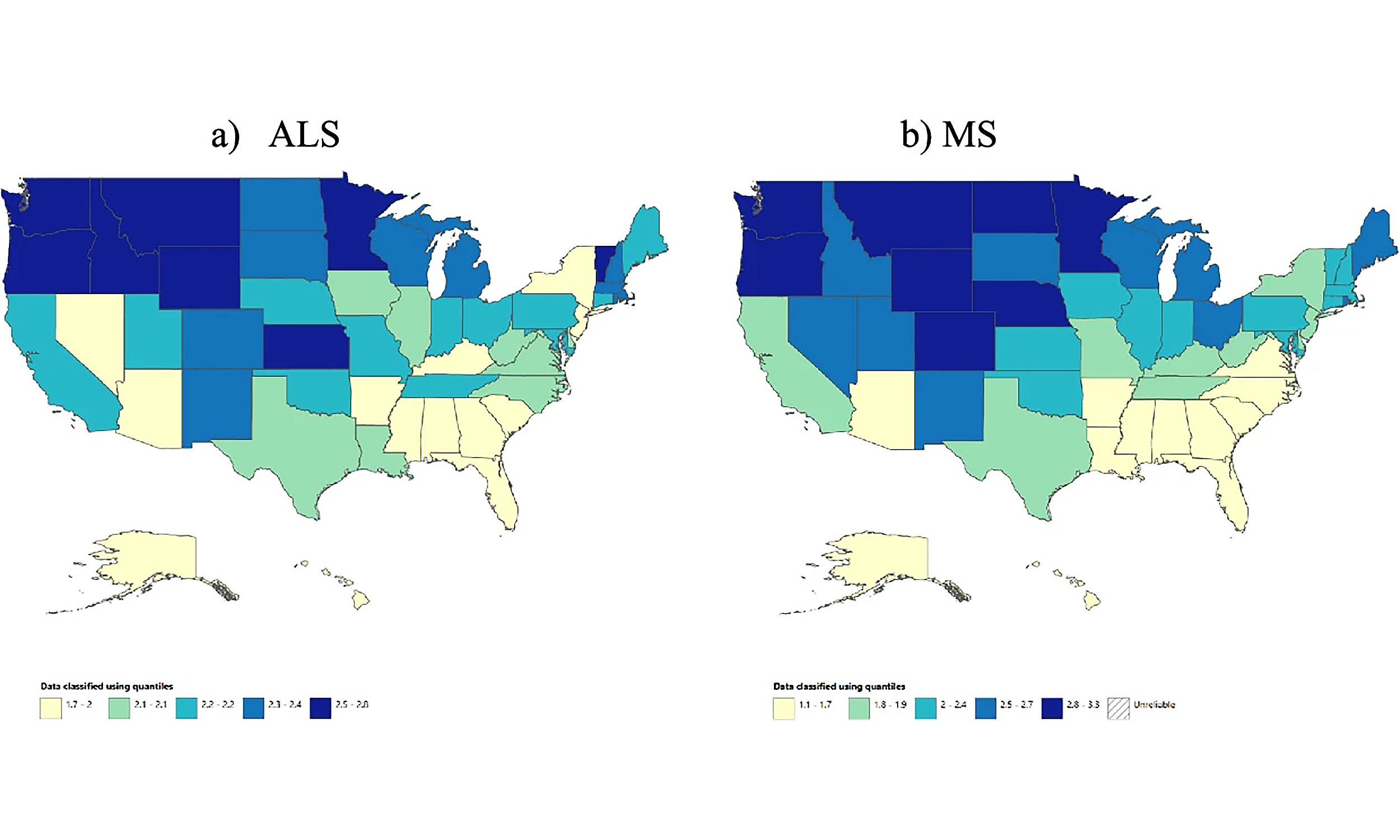
A recent study reveals a strong geographic link between amyotrophic lateral sclerosis (ALS) and multiple sclerosis (MS), suggesting shared environmental or social factors influence their distribution, challenging previous genetic-focused theories and opening new avenues for research and prevention.
A person with multiple sclerosis (MS) discusses the importance of getting vaccinated against flu, pneumococcal disease, and COVID-19 to protect themselves and others, highlighting their personal experience and the broader benefits of vaccination for vulnerable populations.
A study shows that Ocrevus rapidly depletes B-cells in MS patients and causes gradual changes in T-cells, including increased regulatory T-cells after six months, which may contribute to its long-term effectiveness.
Christina Applegate discusses how her MS diagnosis has deeply affected her 14-year-old daughter Sadie, describing it as a loss of the mother she once knew and highlighting the emotional toll on her family, while also sharing her recent hospitalization for a kidney infection.
A study from UBC suggests that early signs of multiple sclerosis (MS), such as mental health issues and general symptoms, may appear up to 15 years before diagnosis, indicating a longer prodromal phase and potential for earlier detection and intervention.
A study suggests that early signs of multiple sclerosis (MS), such as fatigue, headaches, dizziness, anxiety, and depression, can appear more than a decade before diagnosis, indicating a long prodromal phase and potential for earlier detection and intervention.
A mouse study suggests that herpes simplex virus type 1 (HSV-1) may contribute to multiple sclerosis (MS) by damaging myelin, with findings indicating that blocking the MLKL protein can prevent myelin loss and neurological damage, highlighting potential new treatment avenues.
Research suggests that UV light therapy may help treat autoimmune diseases like MS, Crohn's, and rheumatoid arthritis by reducing immune overreactions, with some patients experiencing significant symptom improvement after short daily sessions. While promising, larger studies are needed to confirm its effectiveness.
Ancient DNA analysis reveals that genetic variations associated with an increased risk of multiple sclerosis (MS) first emerged among herding populations in Eastern Europe thousands of years ago and spread across the continent. These genetic variants may have initially provided an advantage by turbocharging the immune system to fight off infections, but in modern times, they may lead to autoimmune diseases like MS. The findings shed light on the evolution of MS and other autoimmune diseases and have implications for understanding the causes and treatment of MS.
A study found that people with multiple sclerosis (MS) have high levels of T-cells in their spinal fluid that specifically target cells infected with the Epstein-Barr virus (EBV), suggesting a potential link between EBV and MS. The findings may help shed light on the processes that drive MS, as infection with EBV has been identified as one of the strongest risk factors for developing MS. The study's data suggest that these T-cells may be either causing the disease or contributing to it, and further research is ongoing to better understand the biological activity of these EBV-specific T-cells.
Research suggests that some individuals diagnosed with MS may actually have a disease resembling MS but different from it, as a specific biomarker has been found in a small percentage of MS patients. Additionally, a study indicates that cow milk proteins may trigger immune responses associated with MS, while plant-based milks do not. Furthermore, ongoing research is exploring the development of an EBV vaccine, as there is a link between EBV and MS. A potential vaccine targeting both active and latent forms of the virus has shown promising results in mice.
Foralumab shows early positive results for SPMS, Ocrevus may work better than certain oral treatments, Kesimpta also beat pills, and combining cardio and aerobic exercise can help MS patients.
Actress Christina Applegate expressed uncertainty about her future in Hollywood due to her limitations from MS, but praised the cast and crew of her latest project, "Dead to Me." She is currently developing projects behind the scenes and teased an upcoming voice role in a project. Additionally, she is starting a podcast with a friend who also has MS.