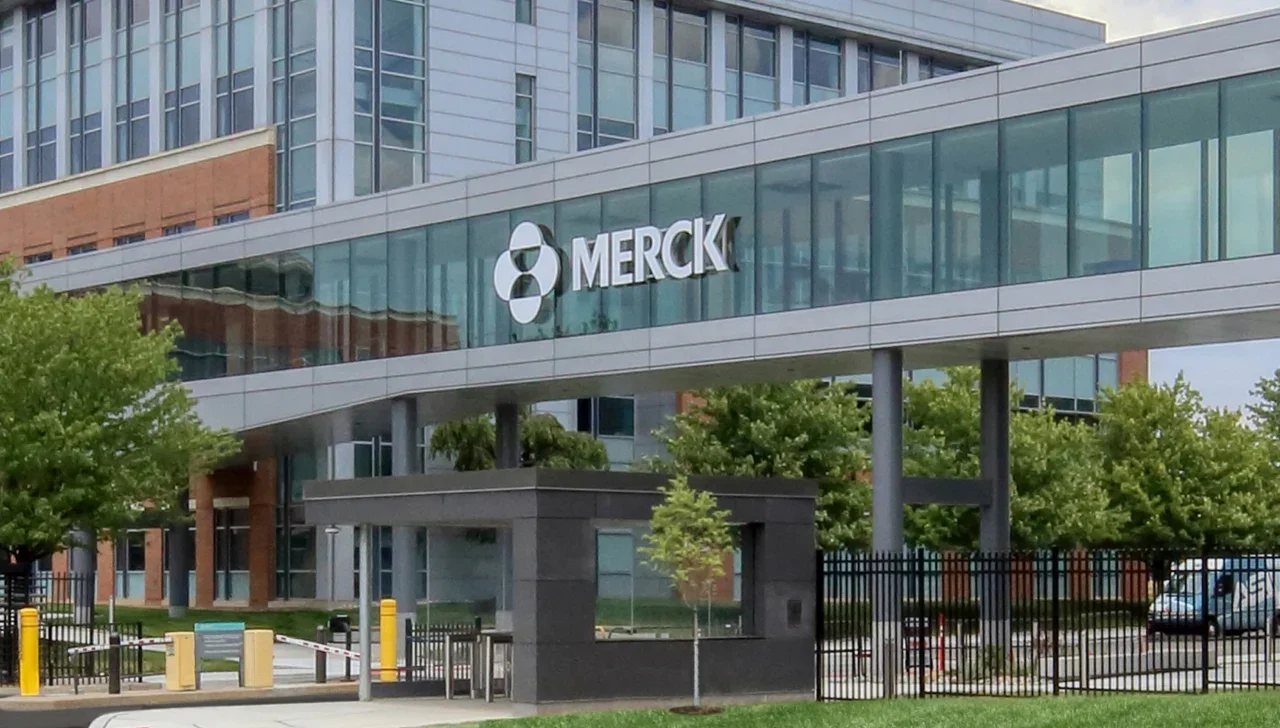
Merck is in negotiations to acquire biotech firm Revolution Medicines, with the deal not yet finalized and other bidders potentially involved, causing Revolution's shares to rise.
Merck is in negotiations to acquire Revolution Medicines, a cancer drug developer, for up to $32 billion, signaling a significant move in the biotech and pharmaceutical industry.
The article discusses the recent developments in the GLP-1 drug market, highlighting Novo Nordisk's new pill and the potential of out-of-favor drug makers like Bristol Myers Squibb, Merck, and Pfizer as long-term investment opportunities due to their efforts to innovate and survive patent cliffs. Despite current setbacks, these companies are positioned for future growth, making them attractive for contrarian investors.
Several major pharmaceutical companies, including Merck, struck drug-pricing agreements with the Trump administration, joining other industry leaders in negotiations over drug prices.
Merck has reached an agreement with the U.S. government to improve access to medicines and lower costs for Americans, including offering key drugs at significantly reduced prices through a direct-to-patient program and investing over $70 billion in U.S. manufacturing and R&D to bolster domestic innovation and job creation.
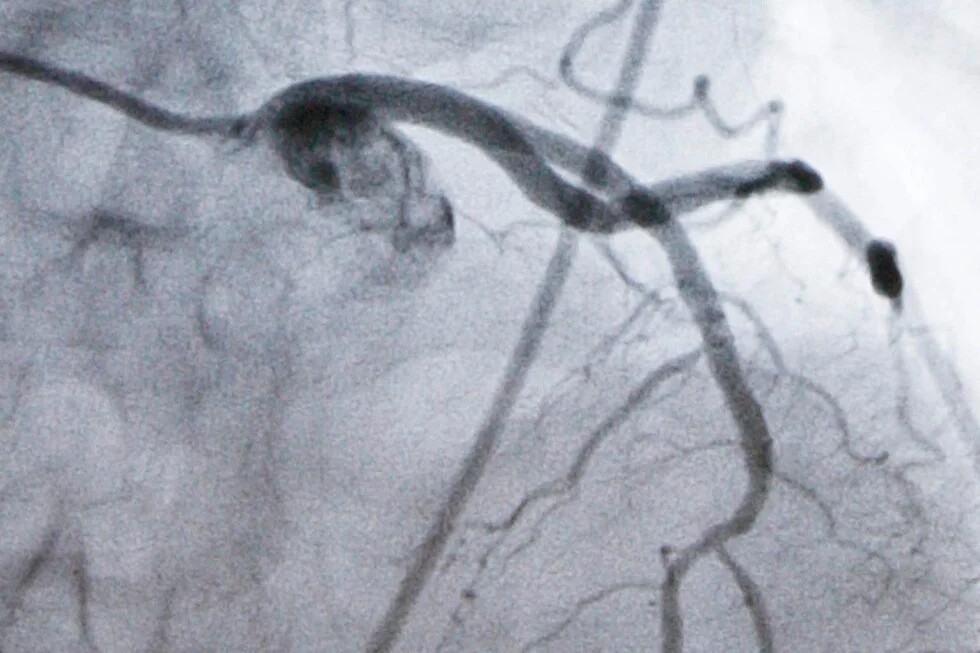
Merck's oral PCSK9 inhibitor, Enlicitide, significantly reduces LDL cholesterol by up to 60% in high-risk patients already on statins, matching the efficacy of injectable treatments, according to a late-stage clinical trial.
Merck announced promising Phase 3 trial results showing that enlicitide decanoate, an investigational oral PCSK9 inhibitor, significantly reduces LDL cholesterol by over 55% with a safety profile similar to placebo, potentially offering a new oral treatment for cardiovascular disease prevention.
Merck has developed a new pill called enlicitide that significantly reduces LDL cholesterol levels by blocking the PCSK9 protein, showing promising results in clinical trials with a 20% reduction in heart attack and stroke rates among high-risk patients, and offering a potentially more affordable alternative to existing injectable treatments.
Merck's stock declined after its key products, Keytruda and Winrevair, fell short of sales estimates, despite overall revenue beating expectations. The company is preparing for biosimilar competition for Keytruda starting in 2028 and has made significant acquisitions to offset potential revenue declines. Merck has also updated its full-year outlook, expecting slight increases in sales and earnings for 2025.
Merck's Q3 earnings surpassed estimates driven by strong Keytruda sales, reaching over $8 billion, while adjusting its full-year profit outlook downward due to lower tariff costs and challenges in China sales of Gardasil. The company plans to cut costs and offset revenue losses from upcoming patent expirations, with revenue guidance narrowed for 2023.
Merck & Co. reported a 4% increase in worldwide sales to $17.3 billion in Q3 2025, driven by strong growth in KEYTRUDA and WINREVAIR, despite declines in GARDASIL sales. The company achieved significant pipeline milestones, including FDA approvals and positive trial results, and raised its full-year sales and EPS outlooks, reflecting ongoing strategic investments and acquisitions. Overall, Merck demonstrated robust financial performance and pipeline progress, positioning itself for continued growth in 2025.
The FDA has approved an updated indication for WINREVAIR (sotatercept-csrk) based on the Phase 3 ZENITH study, showing it significantly reduces the risk of clinical worsening and improves exercise capacity in adults with PAH, expanding its use in treatment.
Pharma companies Pfizer, Merck, and Astellas reported promising results from a study showing that their drug combination of Padcev and Keytruda significantly extends survival and reduces recurrence in muscle-invasive bladder cancer patients, offering new hope for treatment options.
The article discusses the three highest-yielding dividend stocks in the Dow Jones Industrial Average—Verizon, Chevron, and Merck—highlighting their yields, growth prospects, and risks, suggesting that high-yield stocks may be attractive for income investors despite potential challenges in their industries.
The FDA approved an injectable form of Merck's key cancer drug Keytruda, offering a quicker, less invasive alternative to infusions, though Merck's stock declined despite the news. The new formulation aims to maintain sales as biosimilars enter the market and is expected to be adopted by 30-40% of patients within 18-24 months, especially in early-stage cancers.