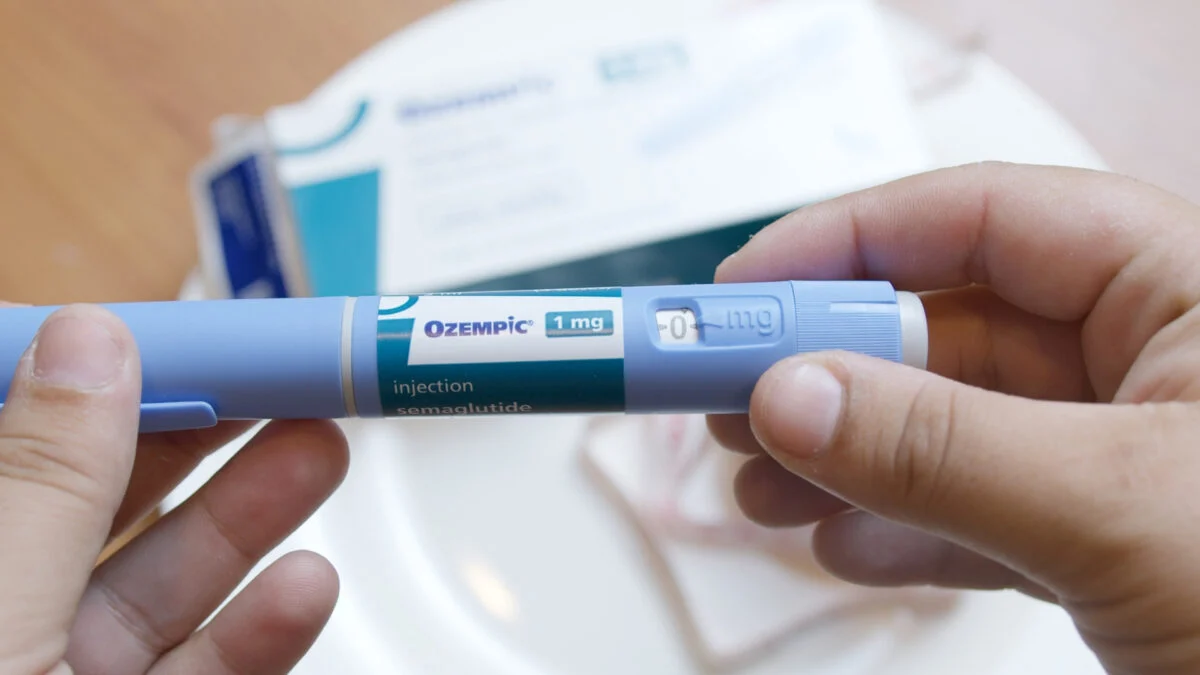
A study shows that bariatric surgery results in significantly greater weight loss over two years compared to GLP-1 drugs like Ozempic, highlighting the difference between clinical trial results and real-world effectiveness, and emphasizing the need for managing expectations and understanding treatment limitations.
A new study published in the journal Heart Rhythm found that radiofrequency-based ablation (RF-ablation) successfully treated atrial fibrillation (AFib) in 81.6% of patients one year post-procedure, with 89.7% of these patients able to stop taking medication for the condition. The study, which analyzed data from the REAL-AF registry across 50 medical centers, showed that recent refinements in RF-ablation techniques have improved its safety and efficacy, outperforming earlier clinical trials.
A study analyzing real-world data has found that most disability worsening experienced by multiple sclerosis (MS) patients treated with Ocrevus (ocrelizumab) is not associated with relapse activity. The analysis included data from 97 patients and showed that 23.7% experienced confirmed worsening in disability, with 20 cases attributed to progression independent of relapse activity (PIRA). These findings align with clinical trials, suggesting that Ocrevus is effective in reducing disability progression in relapsing MS patients. Factors associated with PIRA risk included shorter disease duration and fewer prior MS treatments. However, the study's reliance on real-world data is a limitation.
Researchers are using TikTok dances and the Mannequin Challenge to train AI for computer vision. The diversity of movement, clothing types, backgrounds, and people in TikTok datasets provide "ground truth" real-world examples that can be used to train or grade AI on its guesses. The Mannequin Challenge also provides more real-world data for AI training than researchers could have hoped for.