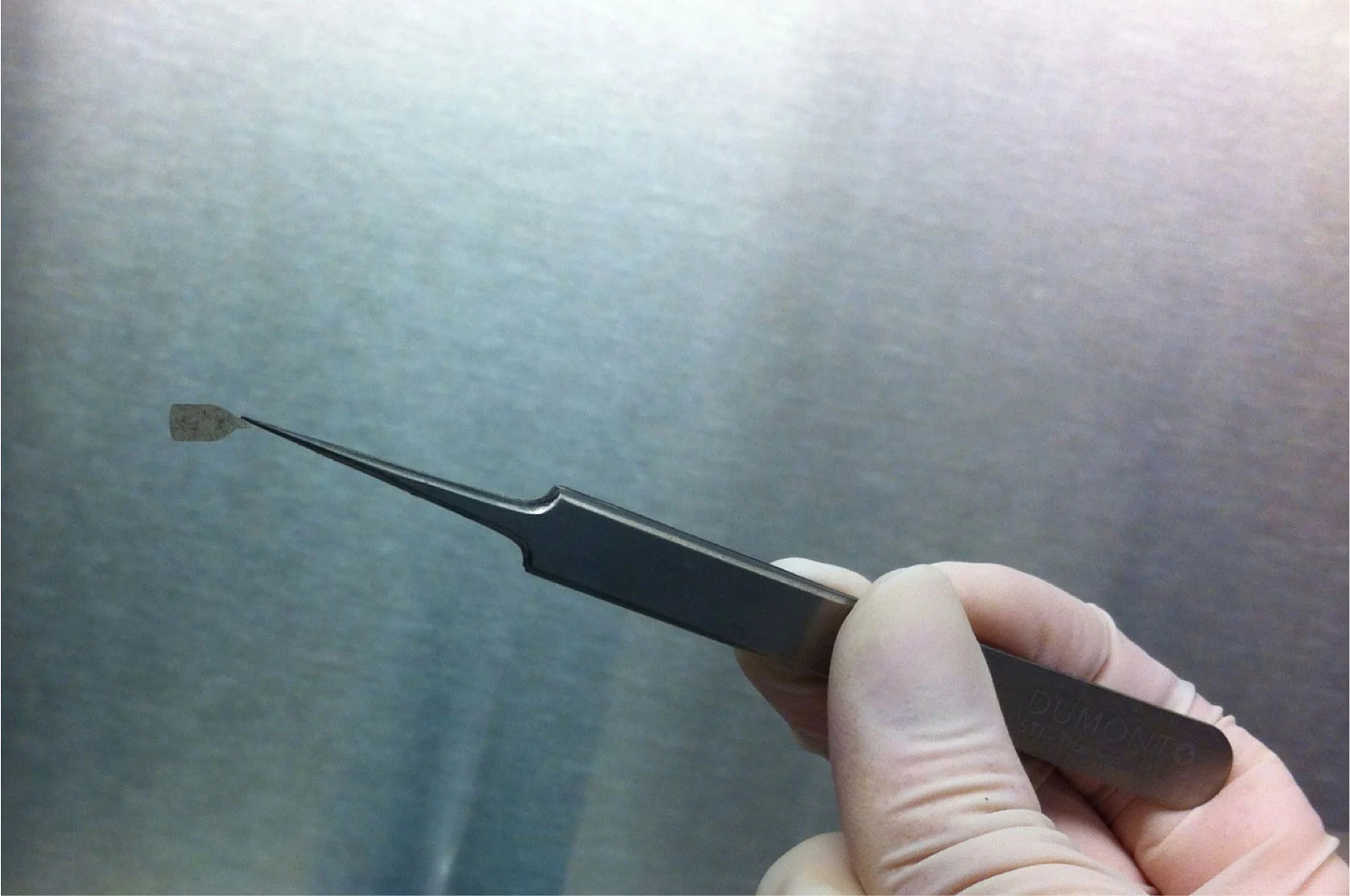
Researchers at USC are conducting a phase 2b clinical trial to test a stem cell-derived retinal implant aimed at reversing damage caused by dry age-related macular degeneration, potentially restoring vision in affected patients.
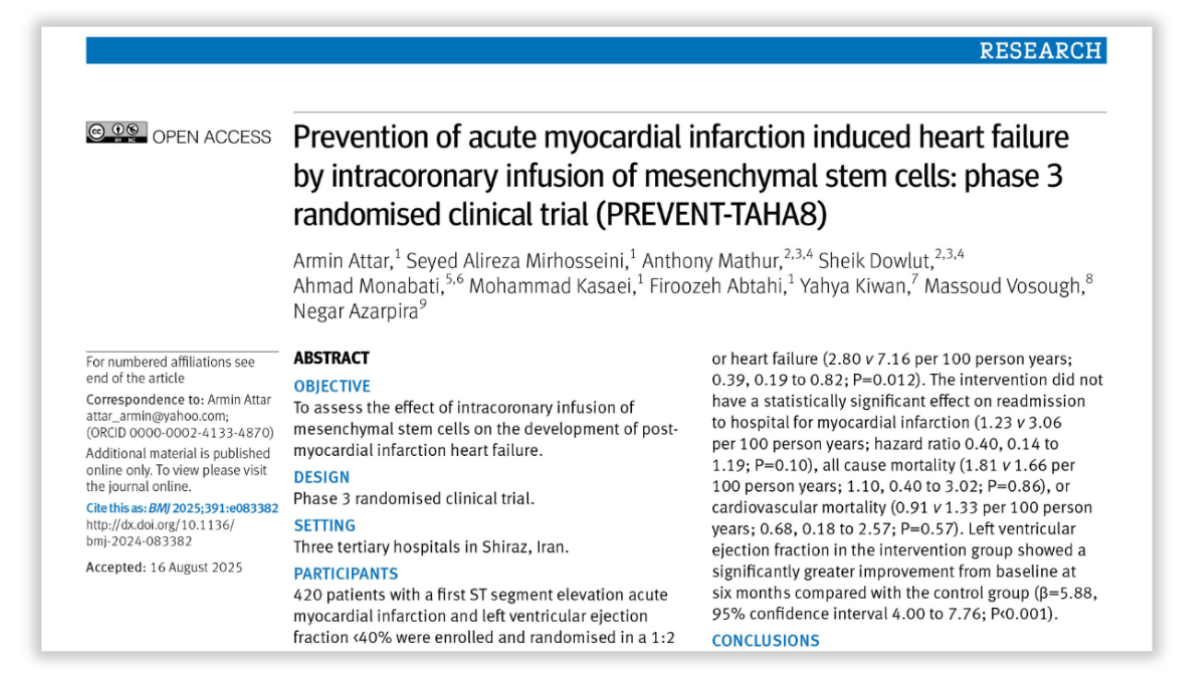
A BMJ study claiming stem cell therapy reduces heart failure risk has been scrutinized for serious data inconsistencies, including age mismatches and suspicious data patterns, leading to calls for retraction and raising concerns about research integrity in the field.
A 12-year-old boy with a rare skin disorder, recessive dystrophic epidermolysis bullosa, has improved his quality of life and ability to play sports after participating in a clinical trial involving stem cell infusions, which showed promising results in healing wounds and reducing inflammation.
Kim Kardashian credits stem cell treatments received in Mexico with curing her torn shoulder and chronic back pain, highlighting the benefits of regenerative medicine after trying various options in the US failed to provide relief.
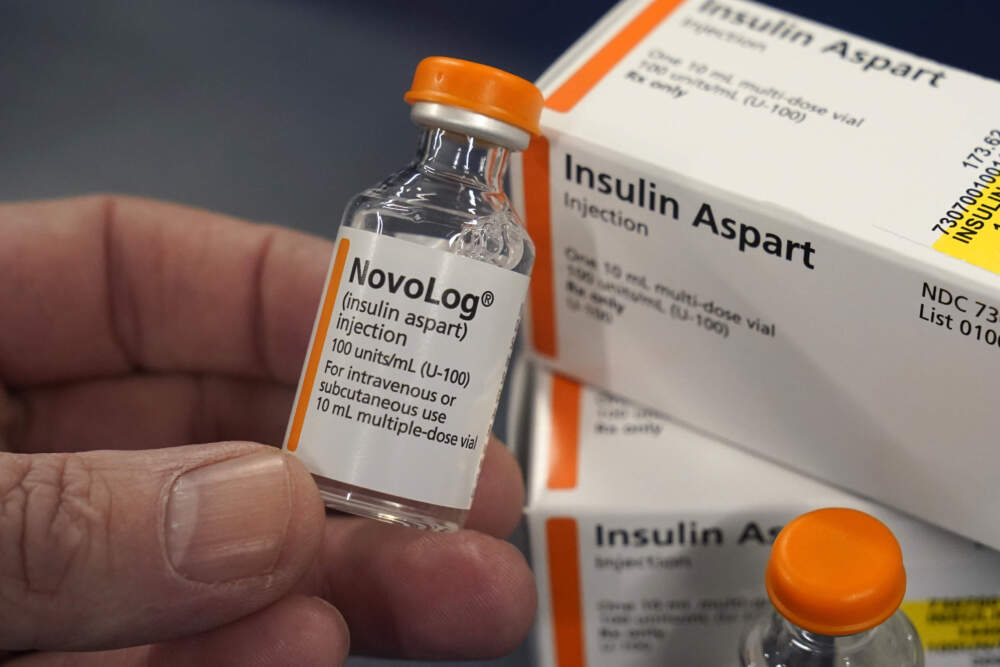
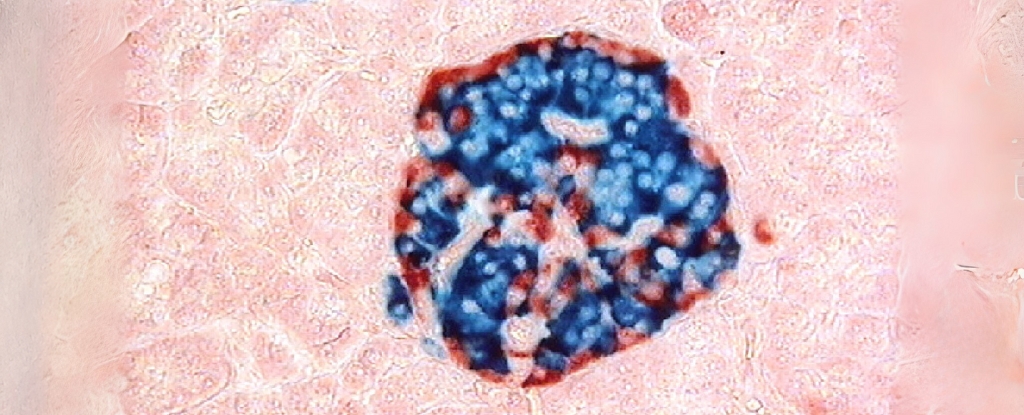
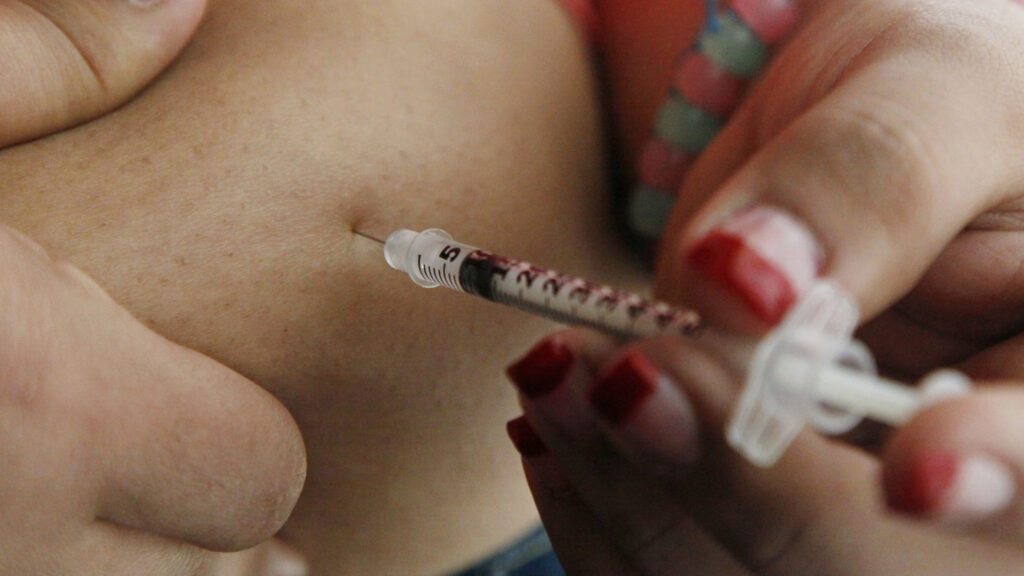
A small stem cell trial using zimislecel by Vertex Pharmaceuticals has temporarily cured or significantly reduced insulin dependence in 10 out of 12 severe Type 1 diabetes patients, offering hope for future treatments.
A groundbreaking human trial in the UK is set to test Rincell-1, a stem cell therapy aimed at reversing sensorineural hearing loss by regenerating damaged inner ear nerves, potentially improving or replacing cochlear implant treatments.
A new stem cell treatment developed by Vertex Pharmaceuticals shows promise in curing severe type 1 diabetes, with a clinical trial demonstrating significant improvements and reduced insulin dependence in most participants, though further studies are needed to confirm long-term benefits.
A study presented at the American Diabetes Association's meeting shows that an off-the-shelf stem cell therapy called zimislecel enabled 10 out of 12 participants with type 1 diabetes to produce their own insulin and maintain healthy blood glucose levels for at least a year, with no severe hypoglycemia episodes reported after three months.
Stem cell therapy holds promise for treating various diseases, but while some treatments like bone marrow transplants are well-supported by research, many marketed by clinics are unproven, expensive, and potentially risky.
Robin Gordon-Cartier, diagnosed with multiple sclerosis at 50, saw her life deteriorate due to the disease. After traditional treatments failed, she participated in a clinical trial at the Tisch MS Research Center of New York, receiving six stem cell injections over a year. Five years later, she has regained significant strength and mobility, allowing her to resume her career as a harpist and teacher. While the treatment shows promise, it is not a cure and further research is needed to confirm its efficacy and scalability.
Researchers in Shanghai have reportedly cured a 59-year-old patient of type 2 diabetes using stem cells derived from the patient's blood, which were transformed into pancreatic islet cells and transplanted into the pancreas. This procedure enabled the pancreas to produce its own insulin, allowing the patient to stop insulin and oral diabetes medications. The patient has remained insulin-independent for 33 months, marking a significant breakthrough in diabetes treatment, though further research is needed to replicate the results on a larger scale and explore similar treatments for type 1 diabetes.
Chinese researchers have reportedly cured a 59-year-old man of type 2 diabetes using a pioneering stem cell therapy that enabled his body to produce insulin naturally. The patient has been medication-free since 2022, marking a significant advancement in diabetes treatment. While promising, the therapy requires further testing and refinement before it can be widely adopted.
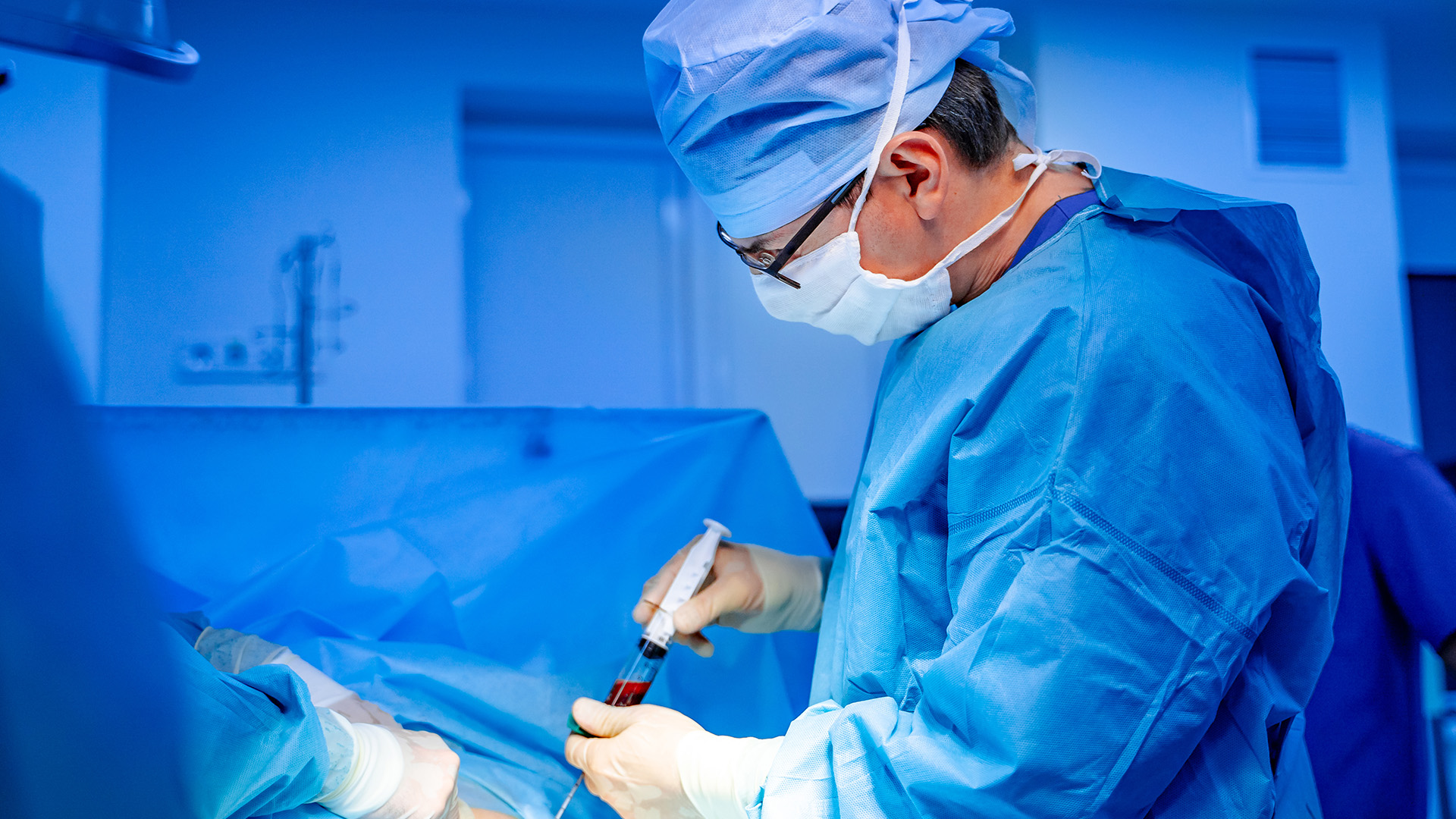
A man paralyzed from the neck down after a surfing accident seven years ago is now able to stand and walk on his own, thanks to a potentially groundbreaking stem cell treatment at the Mayo Clinic. The treatment involved collecting stem cells from his own stomach fat, expanding them in a laboratory, and then injecting them into his lumbar spine. A clinical trial involving 10 patients, including the man, showed that seven of them experienced increased strength in muscle motor groups and sensation to pinpricks and light touch. The study's lead author, Dr. Mohamad Bydon, expressed hope for the future and emphasized the potential milestone in the field of treating spinal cord injury.
A man who was paralyzed from the neck down after a surfing accident seven years ago has regained the ability to stand and walk on his own after undergoing a potentially groundbreaking stem cell treatment at the Mayo Clinic. The treatment involved collecting stem cells from the patient's own stomach fat, expanding them in a laboratory, and then injecting them into the patient's lumbar spine. A clinical trial involving 10 patients, including the man, showed that seven of them experienced increased strength in muscle motor groups and sensation to pinpricks and light touch. The study's lead author expressed hope for the future and emphasized the potential milestone in the field of neurosurgery and neuroscience.