Tag

Who

All articles tagged with #who

Denmark Clinches EU First in Eliminating Mother-to-Child HIV and Syphilis
health1 day ago

Denmark Clinches EU First in Eliminating Mother-to-Child HIV and Syphilis

The World Health Organization certified Denmark as the European Union’s first country to eliminate mother-to-child transmission (EMTCT) of HIV and syphilis, after meeting 2021–2024 targets with low infant transmission and high prenatal testing/treatment coverage. Elimination is defined as testing and treating at least 95% of pregnant women and keeping new infant infections under 50 per 100,000 births year after year. Denmark’s universal health system, strong data and laboratory capacity, and commitment to rights-based care underpinned the achievement, which comes with ongoing work toward triple elimination including hepatitis B; WHO notes Denmark joins a growing group of countries validated or certified for EMTCT milestones.
WHO Updates Flu Vaccine Strains for 2026-27 Northern Hemisphere
health1 day ago

WHO Updates Flu Vaccine Strains for 2026-27 Northern Hemisphere

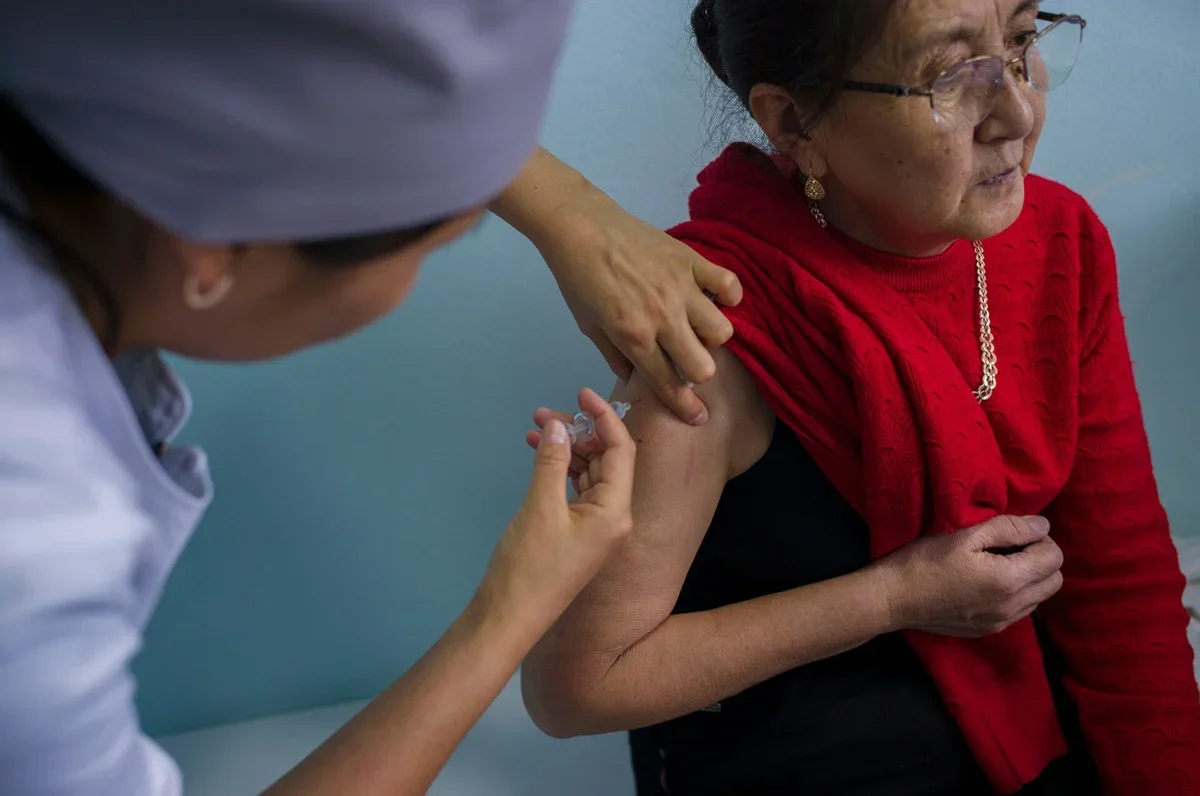
WHO recommends the 2026–27 northern hemisphere flu vaccines with updated strains: egg-based vaccines should contain A/Missouri/11/2025 (H1N1)pdm09-like, A/Darwin/1454/2025 (H3N2)-like, and B/Tokyo/EIS13-175/2025 (B/Victoria lineage)-like; cell culture-, recombinant protein-, or nucleic acid-based vaccines should include A/Missouri/11/2025 (H1N1)pdm09-like, A/Darwin/1415/2025 (H3N2)-like, and B/Pennsylvania/14/2025 (B/Victoria lineage)-like. The review also addresses animal (zoonotic) influenza threats, notes 25 human infections since Sept 2025 with no human-to-human transmission, and calls for developing a new CVV for A(H9N2).

WHO flags unethical US-backed newborn hepatitis B trial in Guinea-Bissau
health14 days ago

WHO flags unethical US-backed newborn hepatitis B trial in Guinea-Bissau

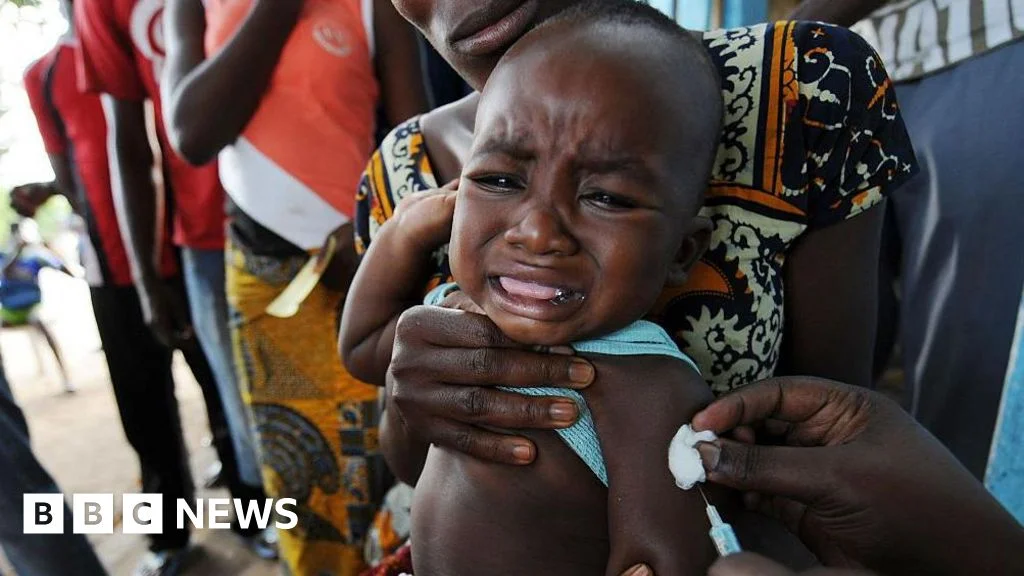
The World Health Organization criticized and halted a US-funded hepatitis B vaccine trial in Guinea-Bissau that would compare vaccinating newborns at birth with delaying the dose to six weeks, calling the plan unethical and lacking justified scientific safeguards; the birth dose is a proven public health intervention, and about 14,000 babies were to be enrolled before the government suspended the project amid public outrage. Guinea-Bissau plans to roll out the birth-dose nationwide by 2028, with WHO support to accelerate adoption.

Six years after COVID-19, global pandemic preparedness shows gains but remains fragile
health25 days ago

Six years after COVID-19, global pandemic preparedness shows gains but remains fragile

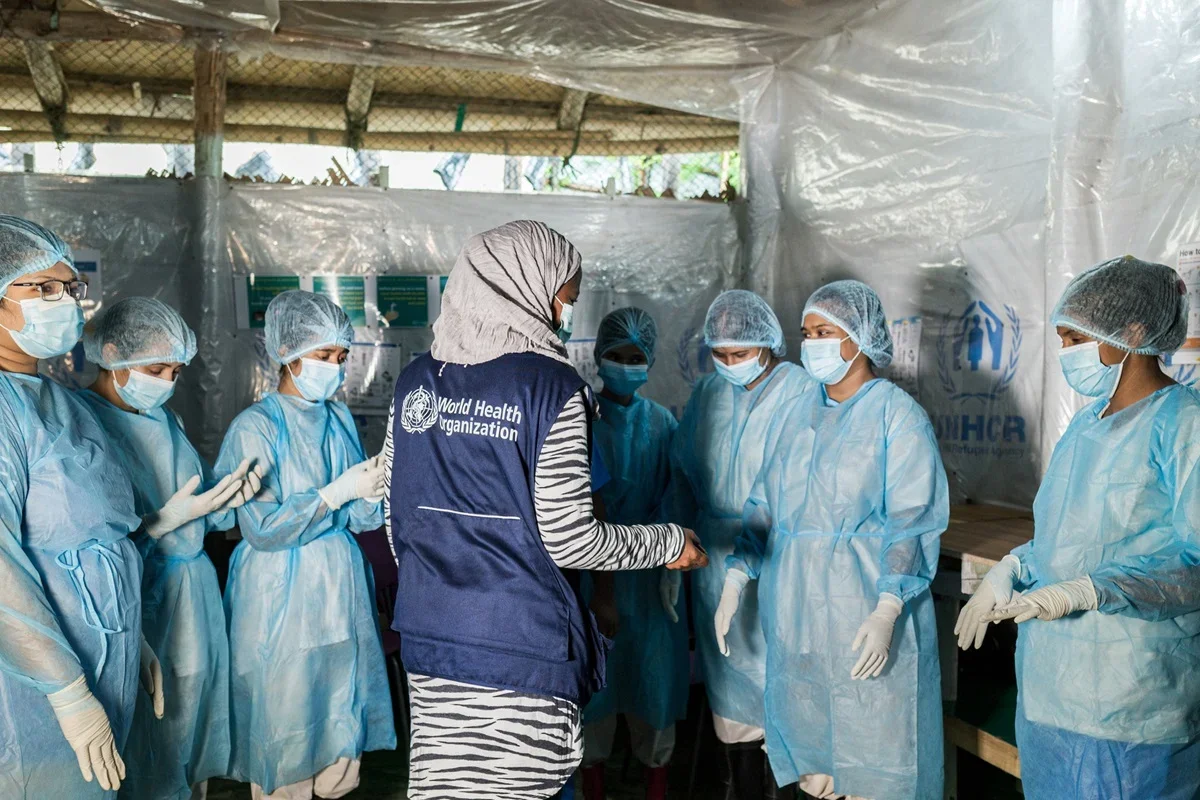
Six years after the WHO declared COVID-19 a Public Health Emergency of International Concern, the world has strengthened preparedness through measures like the WHO Pandemic Agreement, IHR amendments, and the Pandemic Fund, plus expanded surveillance and vaccine/biotech capacity; however, progress is uneven and fragile, underscoring the need for sustained global collaboration to prevent the next pandemic.

WHO calls to end stigma and integrate mental health in the NTD elimination fight
health29 days ago

WHO calls to end stigma and integrate mental health in the NTD elimination fight

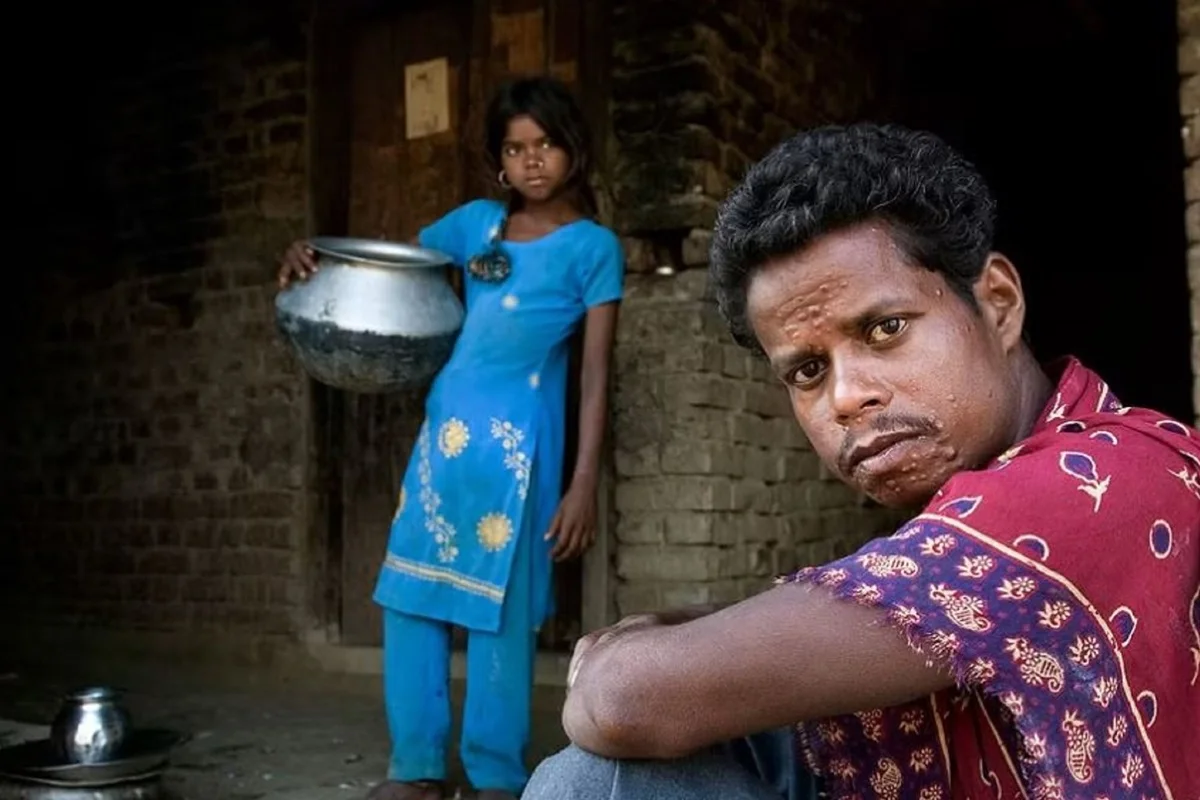
On World Neglected Tropical Diseases Day, WHO warns that discrimination and untreated mental health conditions affect over a billion people with NTDs, and launches a global guide to integrate mental health care and stigma reduction into NTD programs. The release notes progress—1.4 billion people in need of interventions and 58 countries eliminating at least one NTD—yet warns that declining funding jeopardizes gains and urges renewed action to reach the 2030 targets.

Nipah cases in India prompt regional vigilance and travel checks
health1 month ago

Nipah cases in India prompt regional vigilance and travel checks

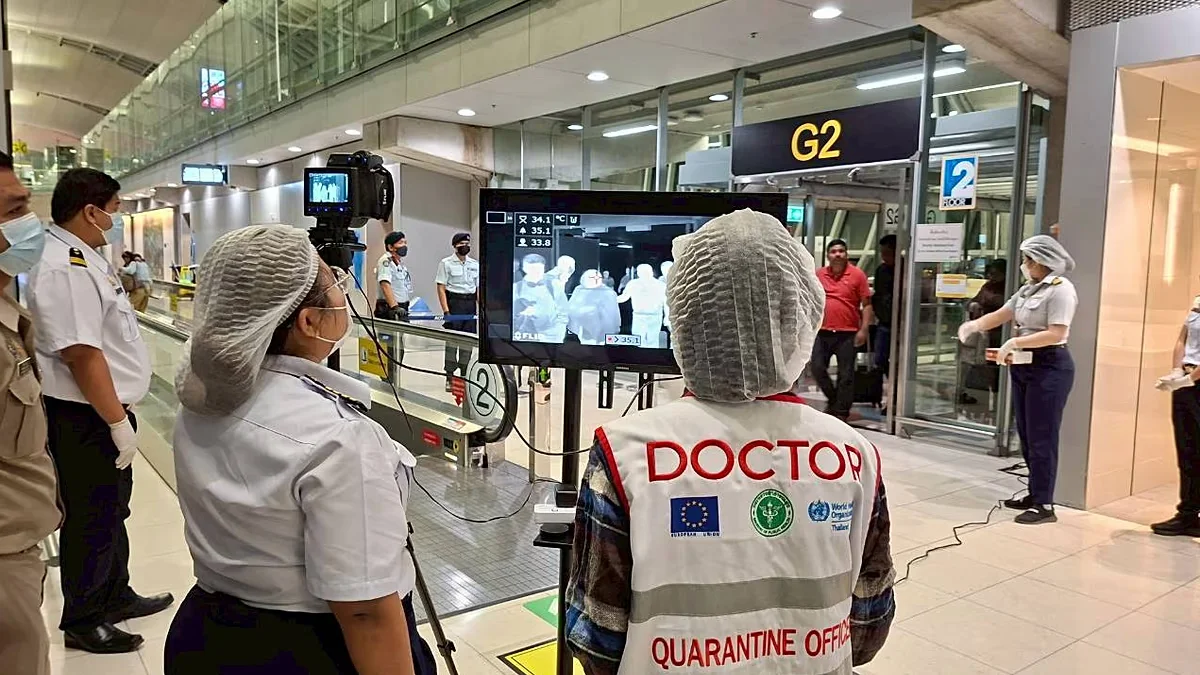
Two healthcare workers in West Bengal have tested positive for Nipah virus, triggering international alerts. India says 196 contacts are asymptomatic and have tested negative, while neighbouring countries like Thailand and Nepal have stepped up traveller checks and surveillance. Nipah can cause severe disease with high mortality (40–75%) and currently has no specific treatment or vaccine; the WHO considers the immediate international spread risk to be low but calls for continued monitoring.

UK loses measles-free status as MMR uptake falters and deaths rise
health1 month ago

UK loses measles-free status as MMR uptake falters and deaths rise

The World Health Organization no longer classifies the UK as measles-free after rising cases and deaths and declining MMR vaccination coverage; 3,681 measles cases were recorded in 2024, and 20 deaths occurred between 2019 and 2025. Health officials warn that waning vaccine uptake and access barriers threaten herd immunity and urge renewed efforts to boost two-dose MMR coverage toward the 95% target.

Japan Tops Rubella Threat as Elimination Declared
health1 month ago

Japan Tops Rubella Threat as Elimination Declared

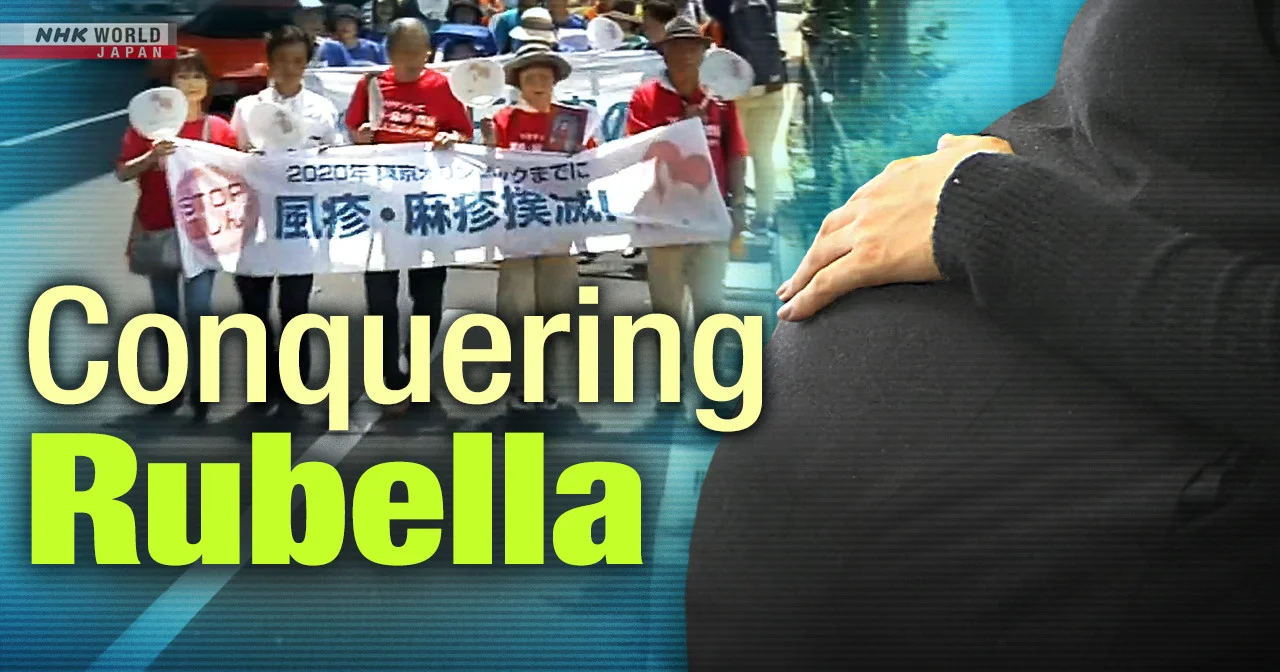
The World Health Organization declared Japan free of endemic rubella in 2025 after a nationwide vaccination drive that expanded to vaccinate men and improve screening. This followed a 2012–2013 outbreak that produced 45 Congenital Rubella Syndrome cases and 11 deaths. Infections fell from over 14,000 in 2013 to 10 in 2021, driven by advocacy from families affected by rubella and a push for wider immunization. Experts caution that vigilance is still needed to prevent reintroduction from abroad, so maintaining high vaccination coverage remains essential.

health1 month ago

Ethiopia ends first Marburg outbreak after 42-day case-free period

Ethiopia declared the end of its first Marburg virus disease outbreak on 26 January 2026 after two incubation periods (42 days) with no new confirmed cases, following the last death and safe burial on 14 December 2025. A total of 19 cases were reported (14 confirmed, 5 probable) with 9 and 5 deaths, respectively; 857 contacts completed 21‑day follow-up. The response included a national taskforce, enhanced surveillance, treatment centres, laboratory support, and risk communication, with substantial WHO assistance. No travel restrictions were advised, but the risk of re‑emergence remains, so ongoing vigilance and IPC measures are recommended.

WHO regrets U.S. withdrawal and urges renewed global health partnership
world1 month ago

WHO regrets U.S. withdrawal and urges renewed global health partnership

WHO’s statement expresses regret over the United States’ notification of withdrawal, stating the move would reduce safety for both the U.S. and the world and noting that the issue will be discussed by the WHO Executive Board and World Health Assembly in 2026. It defends WHO’s COVID-19 response as transparent and evidence-based, clarifies that WHO did not advocate mask or vaccine mandates or lockdowns, and highlights ongoing efforts to strengthen pandemic preparedness—such as the WHO Pandemic Agreement and Pathogen Access and Benefit Sharing—while expressing hope the United States will return to active participation.

US Exits WHO, Halting Funding and Engagement
world1 month ago

US Exits WHO, Halting Funding and Engagement

The United States has formally withdrawn from the World Health Organization, ending all funding and recalling staff after accusing the agency of mishandling the Covid-19 pandemic and being too China-centric. Washington says it will maintain only limited bilateral health engagement and pursue NGO partnerships to support disease surveillance as the WHO faces a funding shortfall and the international pandemic treaty moves forward without US participation.