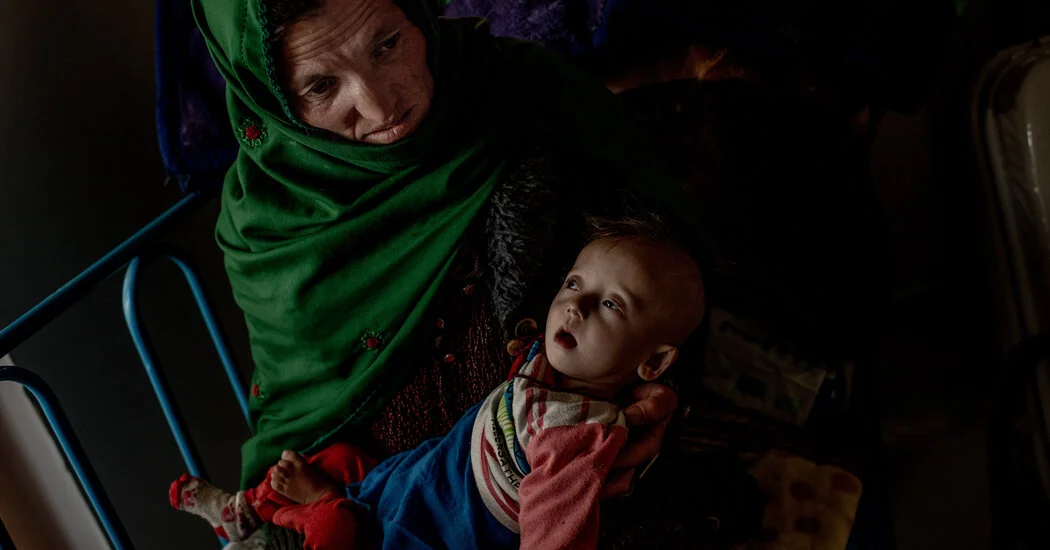
The International Diabetes Federation has officially recognized a fifth form of diabetes, called type 5 diabetes, which is linked to malnutrition and affects millions worldwide, especially in low- and middle-income countries. This recognition aims to improve diagnosis and treatment, as type 5 diabetes is distinct from other types and often misdiagnosed, with current treatments potentially harmful. The move is seen as long overdue, with efforts underway to establish diagnostic criteria and therapeutic guidelines.
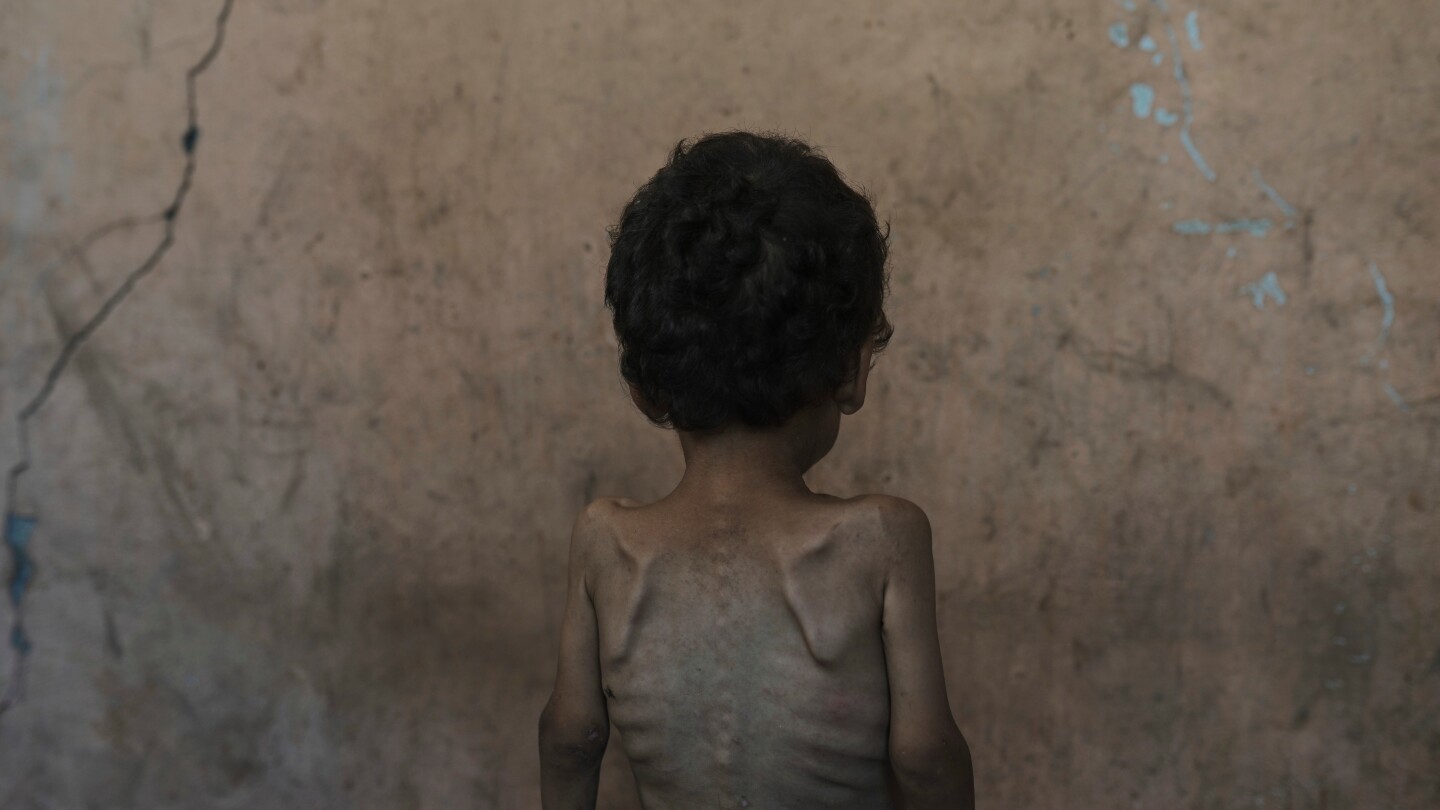
A study by the UN Relief and Works Agency reports that over 54,600 children under 5 in Gaza are acutely malnourished due to ongoing war and food shortages, with more than 12,800 severely affected, highlighting a critical humanitarian crisis requiring urgent aid and intervention.
A 27-year-old woman in Bali died from starvation after following an extreme fruitarian diet, which led to severe malnutrition and health issues, despite repeated warnings from friends and hotel staff.
Researchers are formalizing a new classification called Type 5 diabetes for a neglected form of the disease linked to early malnutrition, which differs from Type 1 and 2 and is increasingly relevant due to global food crises.
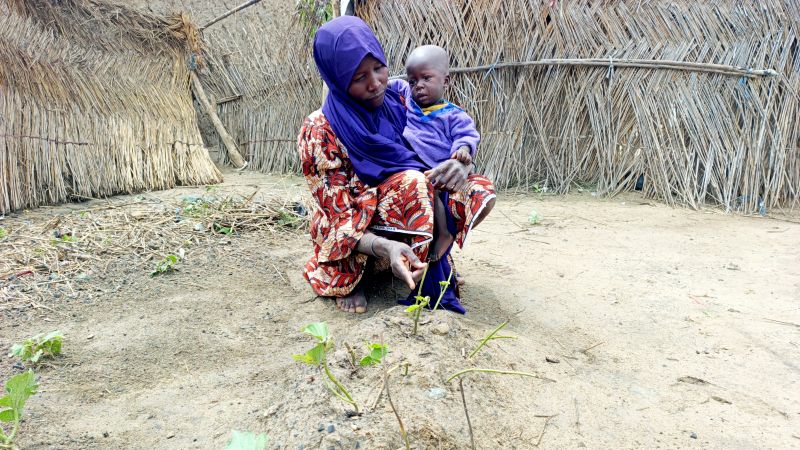
A US-funded nutrition program in Nigeria was abruptly halted due to aid cuts, leading to the death of a woman's malnourished twins and risking the lives of many other children, highlighting the devastating impact of reduced international aid on vulnerable populations.
UNICEF reports the theft of lifesaving therapeutic food in Gaza, which has deprived over 2,700 malnourished children of essential aid amid ongoing conflict and famine, urging respect for humanitarian efforts and a ceasefire.
As of 2025, children worldwide are now more likely to be obese than underweight, marking a significant shift in global nutrition trends. While the decline in underweight children is positive, the rapid rise in childhood obesity poses serious health risks, highlighting the complex nature of malnutrition.
Children worldwide are now more likely to be obese than underweight, reflecting a shift in global nutrition driven by increased consumption of ultra-processed foods and sedentary lifestyles, with significant health and economic implications. Efforts to address this include policy measures like warning labels and taxes, but challenges remain, especially in regions still battling undernutrition.
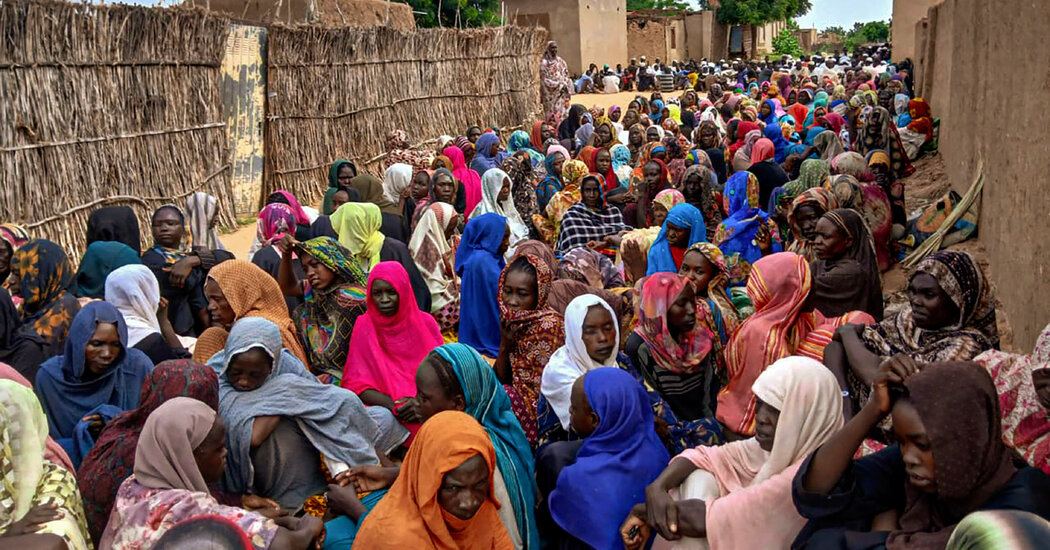
In the besieged city of El Fasher, Sudan, residents face extreme hardship with food shortages, ongoing bombings, and threats of violence, leaving many starving and severely malnourished, including children who are eating animal feed due to lack of food supplies.
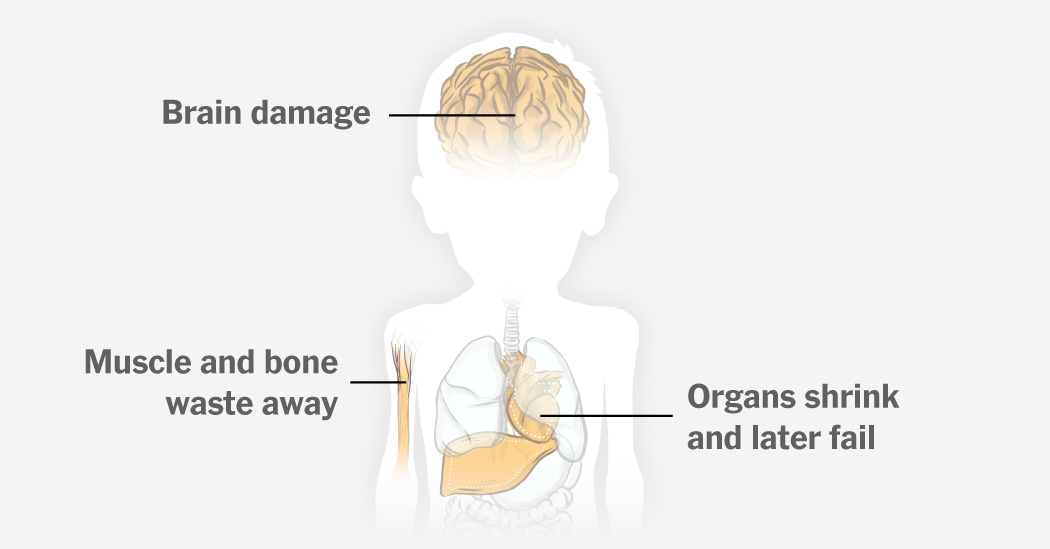
Children in Gaza, especially under age 5, face severe health risks due to acute malnutrition caused by ongoing food shortages and aid restrictions, leading to potential lifelong health issues and increased mortality.
For the first time, more children and adolescents worldwide are obese than undernourished, driven by the marketing and availability of ultra-processed foods, with UNICEF warning of a global health crisis and urging governments to implement stricter regulations and policies.
A UNICEF report reveals that more children worldwide are now obese than underweight, with 188 million affected, highlighting a global shift in child malnutrition from undernutrition to obesity, driven by ultra-processed foods and dietary changes across regions.
A UNICEF report reveals that for the first time, more school-aged children are obese than severely undernourished, with one-fifth of children aged 5-19 overweight and half of them obese, highlighting a concerning global health trend.
For the first time, more children worldwide are obese than underweight, driven by diets high in ultra-processed foods, with UNICEF urging governments to implement policies to protect children's health and prevent the economic and health impacts of obesity.
For the first time, more children worldwide are obese than underweight, driven by increased consumption of ultra-processed junk food, with significant health and economic implications, prompting calls for stronger government regulation and healthier food environments.