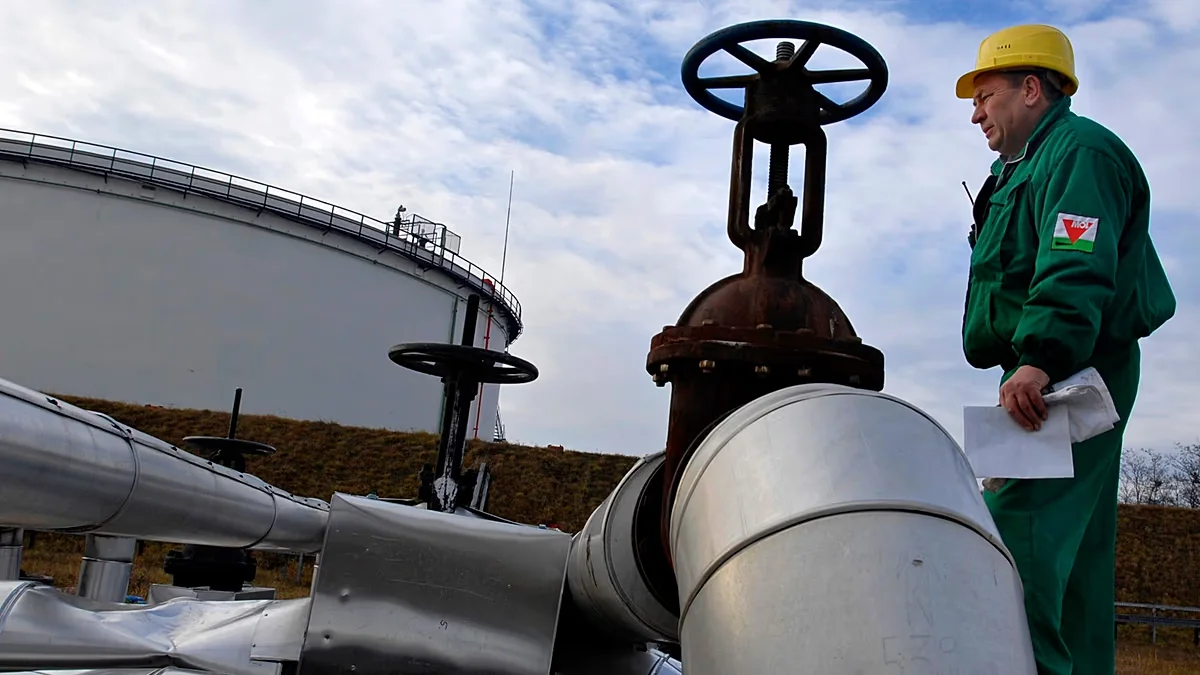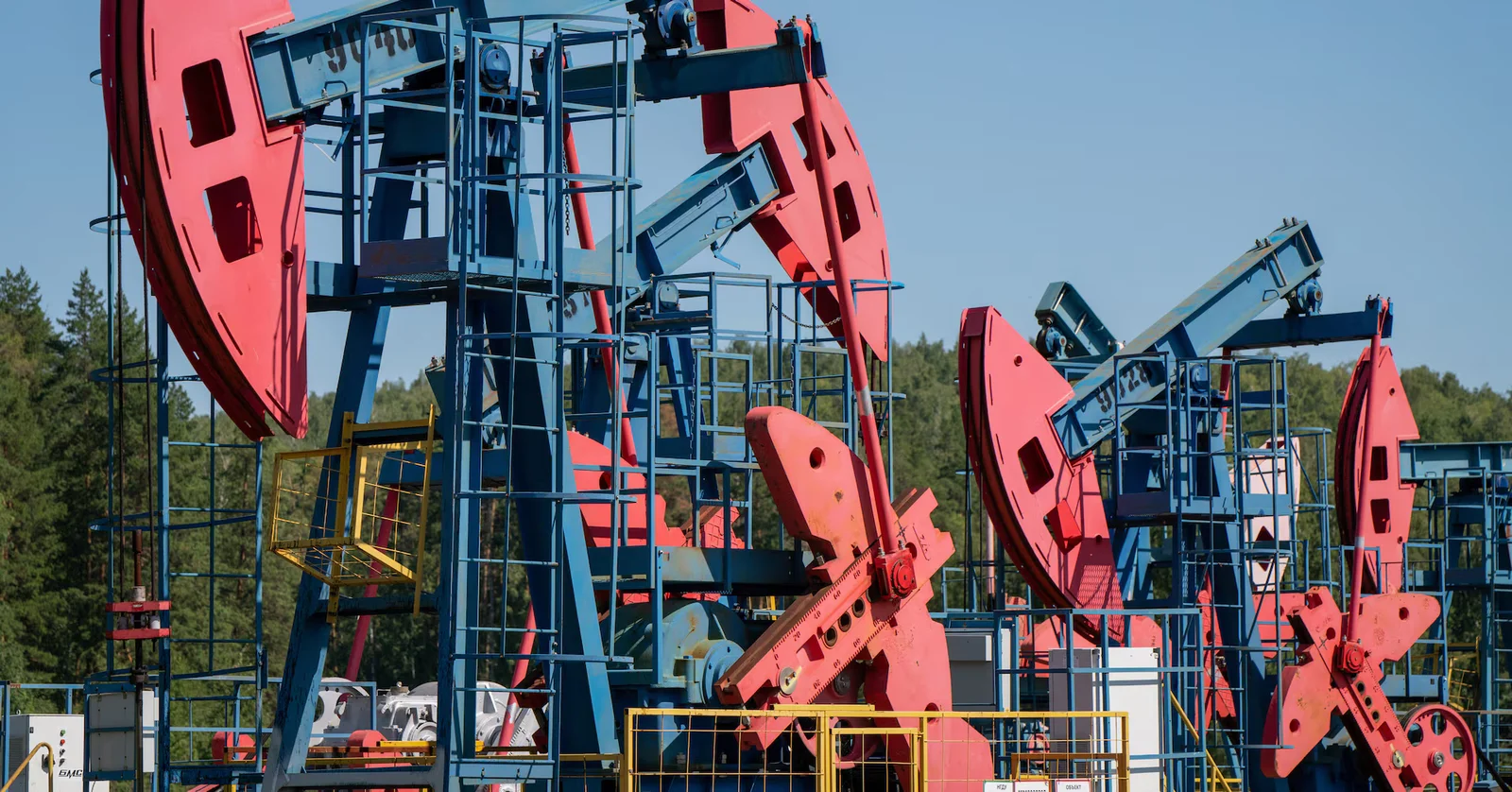
Top executives from Denver-area oil companies met with President Trump to discuss potential involvement in Venezuela's oil sector, which could become a significant and controversial energy venture if the sector reopens, with U.S. control and investment considerations at play.
OpenAI and SoftBank are planning to invest $1 billion in a company that supplies energy and data centers, aiming to enhance infrastructure for digital and AI technologies.
Vistra and Meta have announced 20-year power purchase agreements supporting three Vistra nuclear plants in PJM, including capacity increases and license extensions, to provide over 2,600 MW of clean energy, bolster local economies, and ensure long-term operation of these carbon-free assets.
Vistra and Meta have signed 20-year power purchase agreements supporting three Vistra nuclear plants in PJM, including capacity upgrades and license extensions, to provide over 2,600 MW of clean energy, bolster local economies, and ensure long-term reliable, carbon-free power for Meta's operations and the regional grid.
The article discusses how Russia's efforts to expand its influence through oil investments in Venezuela have faced significant setbacks, highlighting the challenges and risks of geopolitical energy strategies.
President Trump announced that Venezuela will transfer 30 to 50 million barrels of sanctioned oil to the US, with plans to sell it at market prices and use the revenues to benefit both nations. The move aims to revive Venezuela's oil industry and involves US energy companies, though the impact on global supply is modest given current production levels. Experts express uncertainty about the details and feasibility of the plan, especially regarding investment and infrastructure rebuilding.
US President Donald Trump announced that Venezuela will turn over 30 to 50 million barrels of oil to the US following a military operation that ousted Maduro, with plans to sell the oil at market price and use the proceeds for the benefit of both nations. The move aims to boost US energy interests and potentially restore Venezuela's oil industry, though experts are skeptical about the immediate impact on global oil supply and prices.
The article discusses the potential for an energy crisis in the US driven by rising costs, increased demand from AI data centers, and delays in renewable energy projects, but also highlights the possibility that advancements in battery technology and smarter grid utilization could prevent such a crisis.
While U.S. residential electricity bills have surged by 25% since 2020, data centers and commercial users are paying relatively low prices despite increased energy consumption, highlighting a growing inequality and a K-shaped economic trend. This disparity is driven by complex rate structures and negotiations favoring large consumers, leaving individual households, especially low-income ones, bearing the brunt of rising costs, which can impact health, economic stability, and climate adoption efforts.
ISO New England proposes a major overhaul of its capacity market by shifting to a 'prompt' auction system, buying capacity a month ahead instead of three years, to improve accuracy and efficiency, with additional reforms including seasonal auctions and updated resource retirement processes, aiming for implementation by March 2028.
The potential normalization of Venezuelan oil exports under U.S. influence could benefit U.S. Gulf Coast refiners by providing more heavy sour crude, while posing long-term competition to Canadian heavy crude producers, potentially impacting their market share and margins. Immediate effects are limited, but the geopolitical shift could reshape global heavy crude markets over time.
Southeast Asian countries like Vietnam, the Philippines, and Indonesia are gradually shifting from fossil fuels to renewable energy sources, supported by policy reforms and significant investments, including a $4.6 billion influx in 2024, aiming to reduce emissions and meet ambitious renewable energy targets by 2030 and 2040.
The removal of US federal tax credits for residential solar panels, batteries, and heat pumps by 2026, along with tariffs and domestic manufacturing mandates, is expected to increase costs for home electrification. However, new financing models like lease-to-own and ongoing energy savings may mitigate some expenses, while tariffs could raise prices on imported components. Despite these changes, demand for solar and heat pumps is expected to remain strong due to rising electricity costs and environmental considerations.
Several offshore wind developers, including Revolution Wind and Empire Wind, are suing the Trump administration over a sudden halt to construction on projects nearing completion, citing legal violations and potential financial and grid reliability impacts, amid a broader legal and political controversy over US offshore wind development.
Britain wasted over €1.6 billion last year by turning off wind turbines due to grid limitations, highlighting the need for significant investment in grid infrastructure to better utilize renewable energy and reduce costs. Europe faces similar challenges with insufficient grid capacity hindering renewable integration, requiring urgent expansion and modernization.