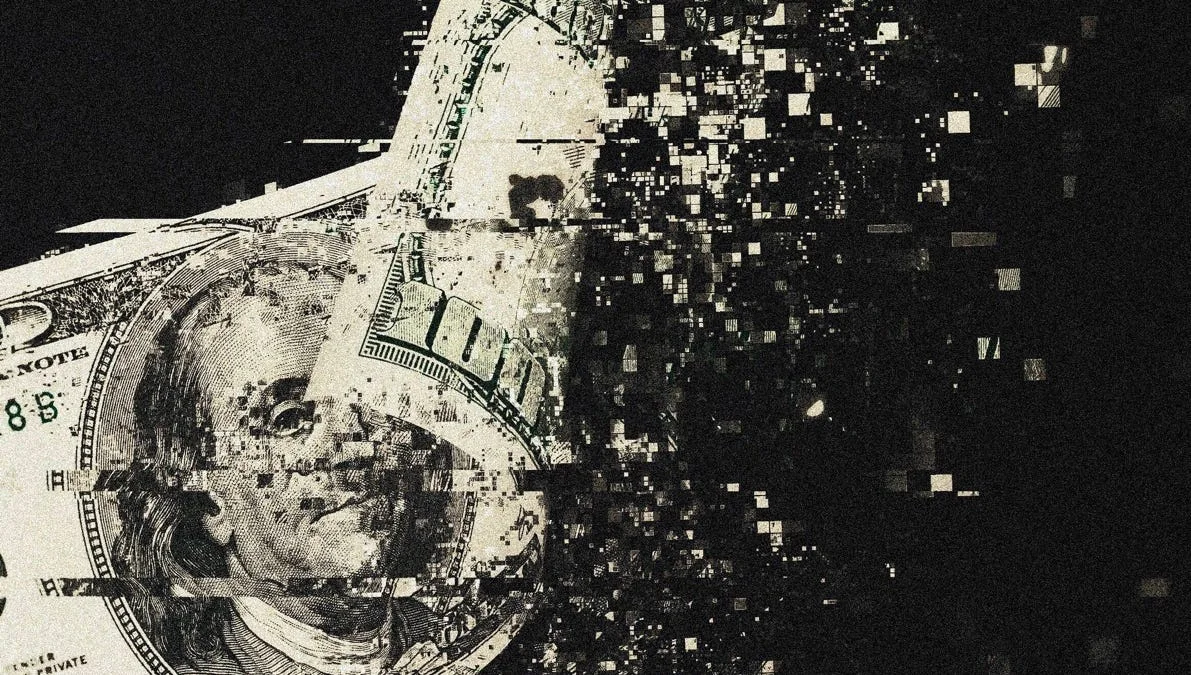
Experts warn that advances in AI are intensifying the erosion of trust online by making it increasingly difficult to distinguish real from fake media, leading to potential misinformation, cognitive exhaustion, and a need for improved media literacy.
BBC Director General Tim Davie announced the BBC will remain on Elon Musk's platform X to combat global misinformation, despite pressure and backlash over content and platform issues, emphasizing the importance of reaching vulnerable audiences and countering state-sponsored disinformation from countries like China and Iran.
Fake social media posts claiming to be from City of York Council, likely AI-generated, highlight the growing threat of misinformation to democracy, as they can be convincing and widely shared, making it difficult for the public to discern truth from falsehood.
Following Nicolás Maduro's capture, social media saw a surge of AI-generated and manipulated images, spreading false information about his condition and location. CBS News analyzed these images, confirming some were likely edited or AI-generated, highlighting the challenge of verifying digital content online. Old images and videos also circulated, further complicating the narrative. The incident underscores the proliferation of misinformation in the digital age, especially during significant political events.
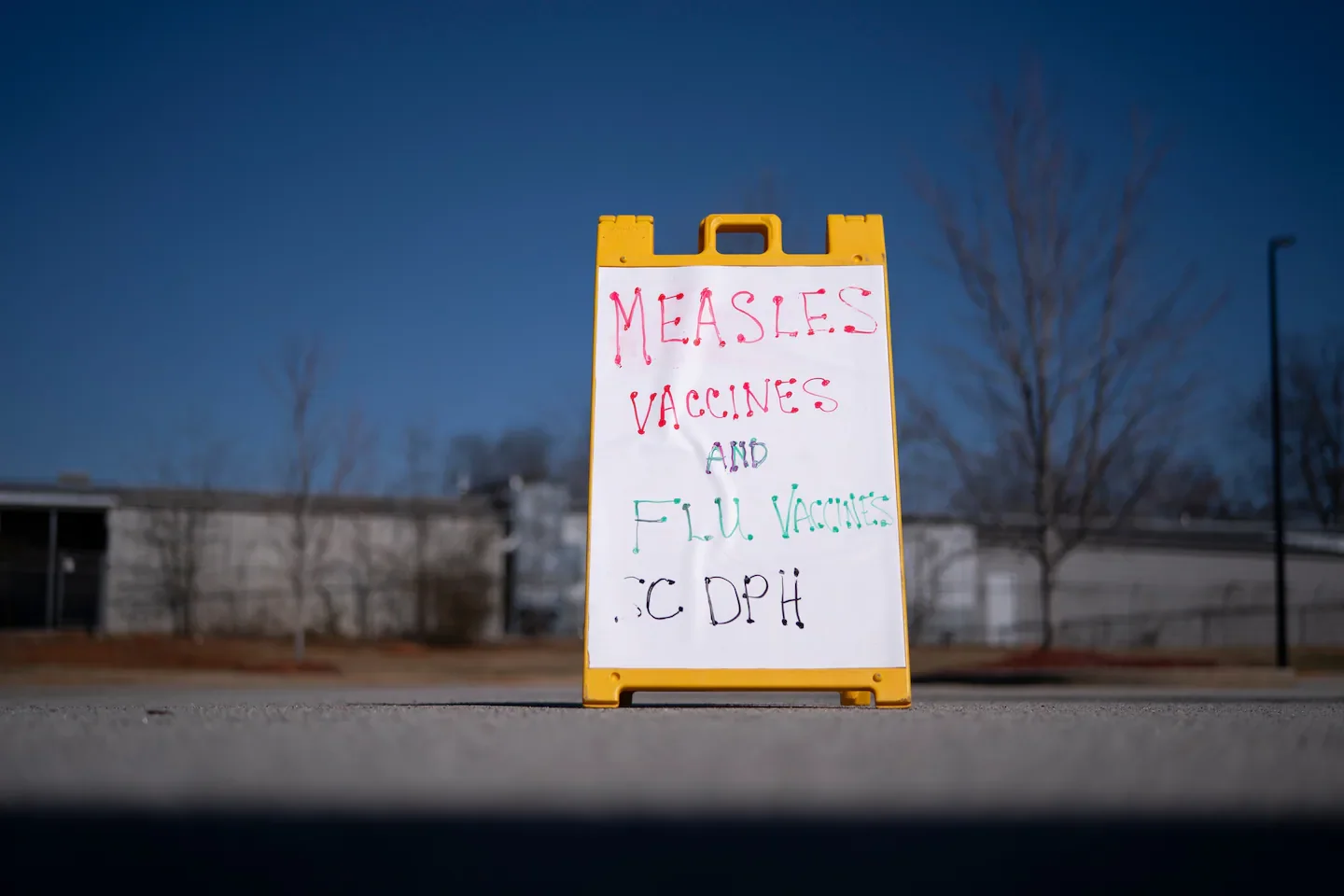
Canadian officials express distrust in US health institutions for accurate vaccine information, citing misinformation and political influences, which may impact Canadian public confidence and vaccination rates amid rising measles cases and social distrust.
Ezekiel Emanuel's book 'Eat Your Ice Cream' warns against the overwhelming and often misleading health and longevity advice online, emphasizing the importance of focusing on quality of life rather than chasing unproven miracle cures or extreme longevity strategies.
Ancient Greek and Roman scientists faced similar challenges with misinformation as today, emphasizing the importance of observation, critical thinking, acknowledging limits, understanding science as part of culture, and making science accessible to all, lessons that remain relevant in navigating modern misinformation.
The article exposes how the IPC falsely claimed a famine in Gaza to manipulate public opinion and influence policy, highlighting the importance of relying on accurate data and criticizing the spread of false narratives that prolong conflict and fuel anti-Semitism.
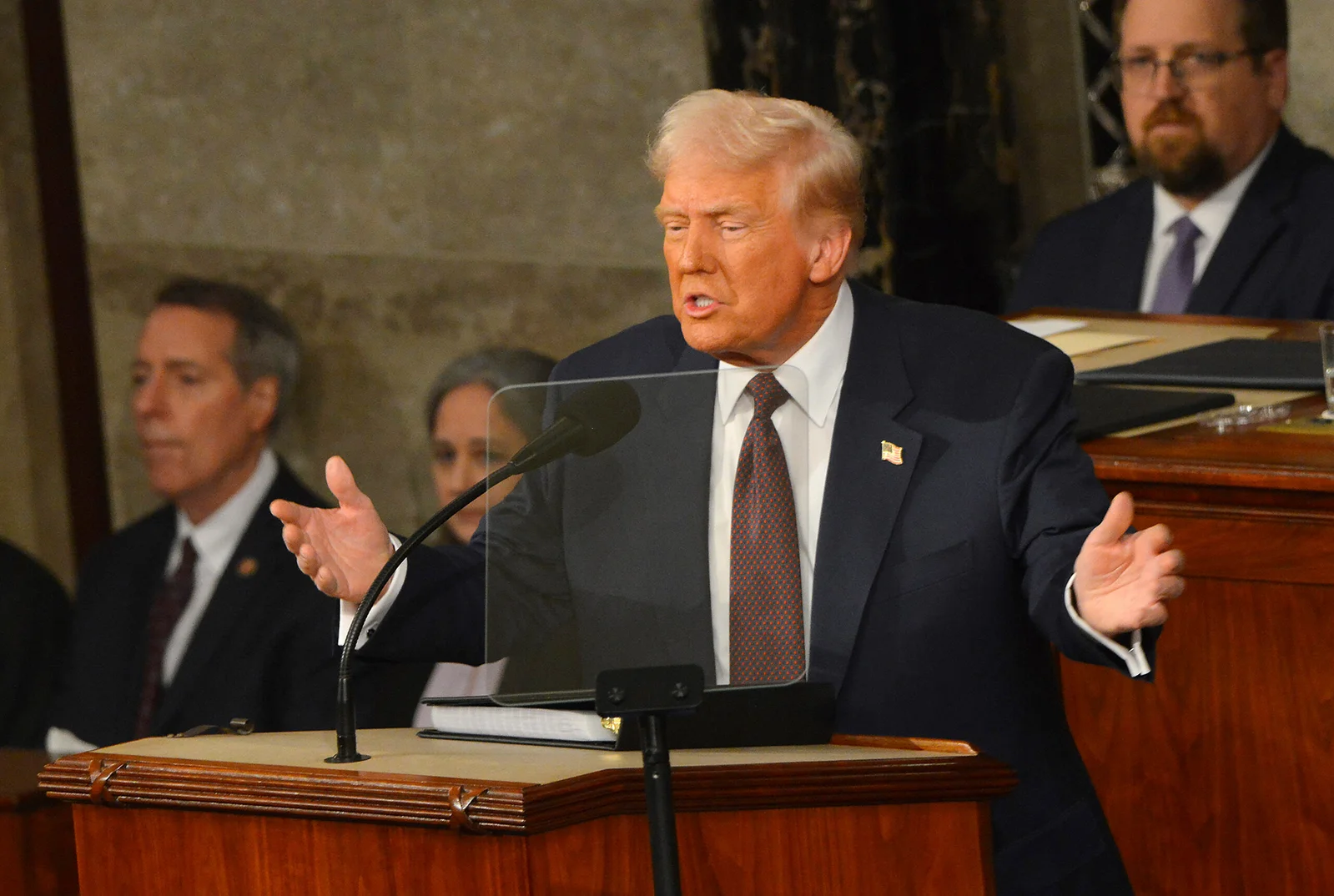
The article criticizes Donald Trump's recent televised speech for its numerous false claims about the economy, his exaggerated achievements, and xenophobic rhetoric, while highlighting his silence on aggressive military actions against Venezuela, portraying the speech as bizarre and dangerous.
Social media influencers and online vigilantes have falsely targeted innocent individuals, such as Palestinian student Mustapha Kharbouch, amid a tragic shooting at Brown University, highlighting the dangers of rapid misinformation and lack of accountability in the digital age, which often results in real harm to innocent people.
Dr. Noc, aka Morgan McSweeney, has become a TikTok star with over four million followers by using engaging and approachable videos to promote scientific understanding and counter misinformation, despite social media algorithms not favoring educational content.
Misinterpretations of Google Trends data, especially from small regions or unusual search terms, have fueled conspiracy theories about the Bondi attack, but such spikes are often due to statistical noise and do not indicate actual events or intentions. Proper understanding of Google Trends shows that the data are normalized and scaled, not direct search counts, making these theories unfounded.
Merriam-Webster's 2025 Word of the Year is 'slop,' highlighting the surge of low-quality AI-generated digital content that floods online platforms, spreads misinformation, and affects various aspects of life, reflecting concerns about the impact of AI on creativity and information integrity.
BBC Verify analyzed the Bondi Beach shooting, highlighting the spread of misinformation including false claims about a hero, AI-generated images, and details about gun ownership in Australia, while also covering related topics like antisemitic hate crimes and disinformation campaigns.
The article discusses the prevalence of AI-generated fake videos online, how to identify them through features like length and framing, the importance of considering the video's context and source, and advises caution in sharing such content to prevent misinformation and erosion of trust in genuine videos.