Tag

Adolescents

All articles tagged with #adolescents

Gut microbiome linked to social anxiety, scientists find

Originally Published 25 days ago — by PsyPost

Featured image for Gut microbiome linked to social anxiety, scientists find
Source: PsyPost

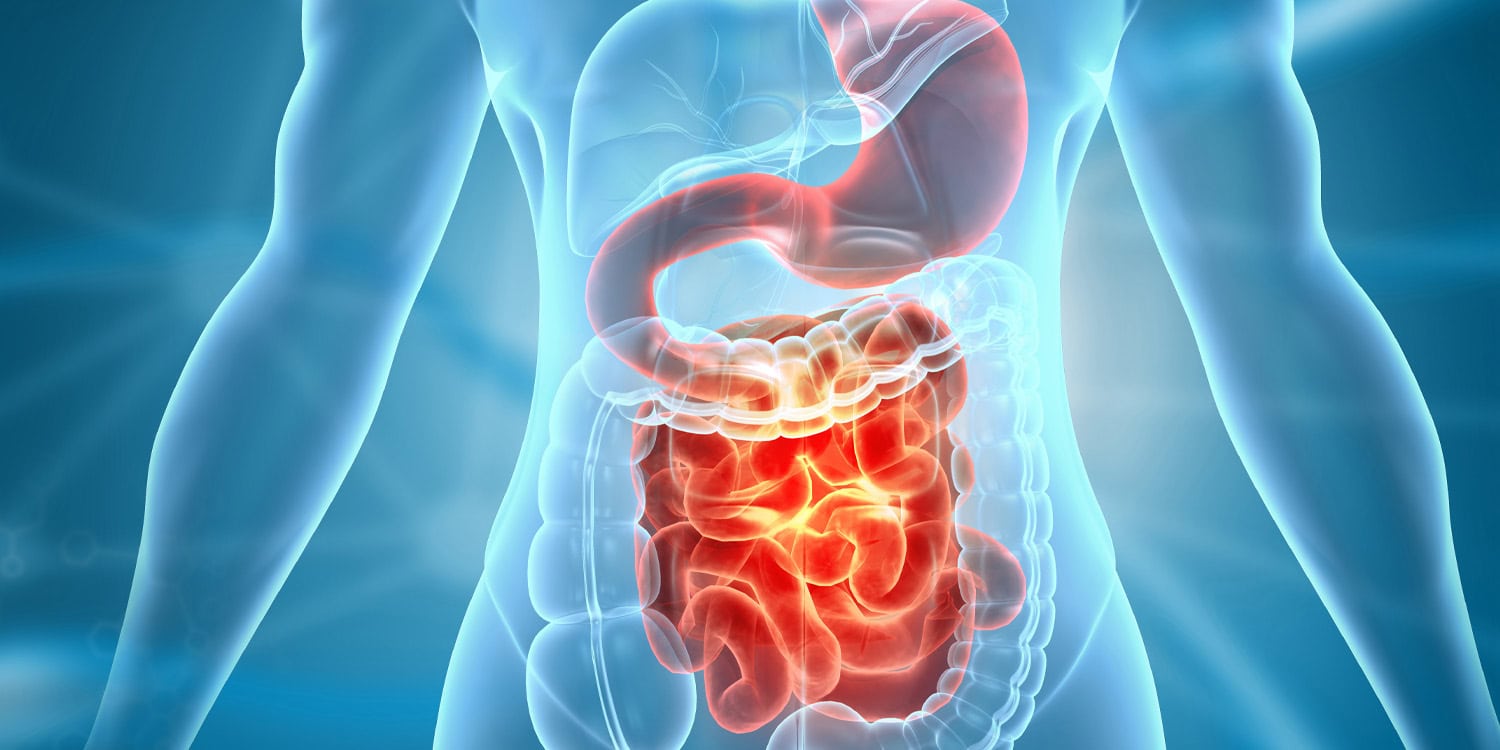
New research suggests that the gut microbiome may play a role in social anxiety disorder, with transplant experiments in rats showing that bacteria from adolescents with social anxiety induce anxiety-like behaviors and brain changes, highlighting a potential biological link via the gut-brain axis.

Social Media Use in Kids Linked to Lower Reading and Memory Skills

Originally Published 3 months ago — by NPR

Featured image for Social Media Use in Kids Linked to Lower Reading and Memory Skills
Source: NPR

A study published in JAMA finds that preteens who use social media more extensively tend to score lower on reading, vocabulary, and memory tests, with even small amounts of use linked to slight cognitive declines, raising concerns about the impact of social media on adolescent brain development and learning.

Global Insights and Myths About Long COVID

Originally Published 4 months ago — by CIDRAP

Featured image for Global Insights and Myths About Long COVID
Source: CIDRAP

Long COVID affects about 36% of people globally, with higher risks for unvaccinated individuals, females, and pre-Omicron infections. In teens, 41% of those who tested positive reported symptoms lasting over four weeks, but most symptoms resolved within three months, indicating a lower prevalence and shorter duration in adolescents.

Night Owls Show Greater Impulsiveness Than Morning Larks

Originally Published 7 months ago — by Neuroscience News

Featured image for Night Owls Show Greater Impulsiveness Than Morning Larks
Source: Neuroscience News

A study presented at SLEEP 2025 found that adolescents who identify as night owls tend to be more impulsive, especially under stress, compared to morning larks, with psychological factors possibly playing a larger role than biological circadian timing. The research suggests that targeting sleep habits could help reduce impulsivity-related risks during adolescence.

Screen Time and Activity Levels Impact Adolescent Mental Health

Originally Published 7 months ago — by PsyPost

Featured image for Screen Time and Activity Levels Impact Adolescent Mental Health
Source: PsyPost

A Finnish study found that higher physical activity and lower screen time from childhood to adolescence are linked to reduced stress and depression at age 15, with screen time, especially mobile device use, showing a stronger association with poorer mental health outcomes than physical activity.

Identifying Teen Gaming Addiction Through Brain Markers

Originally Published 1 year ago — by Neuroscience News

Featured image for Identifying Teen Gaming Addiction Through Brain Markers
Source: Neuroscience News

A study by the University of Rochester identifies brain activity patterns that may predict gaming addiction in adolescents. Researchers found that teens with reduced activity in brain regions related to decision-making and reward processing are more likely to develop gaming addiction symptoms. This blunted response to non-gaming rewards suggests a susceptibility to problematic gaming behaviors. The findings, based on a longitudinal study of 6,143 adolescents, offer insights for parents and clinicians to balance healthy gaming habits and identify at-risk individuals early.

Teen Suicide Risks Tied to Violence and Firearms

Originally Published 1 year ago — by Neuroscience News

Featured image for Teen Suicide Risks Tied to Violence and Firearms
Source: Neuroscience News

A study published in the American Journal of Preventive Medicine highlights a strong link between suicidal behavior and externalizing behaviors, such as violence and weapon carrying, among U.S. high school students. The research, which analyzed data from 1991 to 2021, found that adolescents exposed to violence or carrying firearms are at a higher risk of injurious suicide attempts. State-level data revealed variations in firearm access and suicide rates, emphasizing the need for targeted interventions to improve firearm safety and violence prevention to reduce adolescent suicide rates.

Rising HIV Rates Among Young Women and Girls Raise Concerns

Originally Published 1 year ago — by VOA Asia

Featured image for Rising HIV Rates Among Young Women and Girls Raise Concerns
Source: VOA Asia

UNICEF has raised concerns over the high rate of new HIV infections among young women and girls, particularly in sub-Saharan Africa, where nine out of ten new infections among adolescents are girls. Despite advancements in treatment, access remains limited for children and teenagers, with only 65% of those aged 15-19 receiving antiretroviral therapy. The report highlights the need for increased investment in prevention and treatment to meet the U.N.'s goal of ending AIDS as a public health threat by 2030.

The Wisdom of Age: Enhanced Decision-Making Skills

Originally Published 1 year ago — by Neuroscience News

Featured image for The Wisdom of Age: Enhanced Decision-Making Skills
Source: Neuroscience News

A study published in PLOS Biology reveals that decision-making improves with age due to a decrease in decision noise, which is the variability in choices. Adolescents exhibit higher decision noise, leading to suboptimal choices, but this decreases as they mature, enhancing goal-directed behaviors and adaptability. The research highlights the role of cognitive development in decision-making and suggests that understanding decision noise could provide insights into neurodevelopmental disorders.

Cannabis Use in Teens Tied to Metabolic Changes and Psychosis Risk

Originally Published 1 year ago — by Neuroscience News

Featured image for Cannabis Use in Teens Tied to Metabolic Changes and Psychosis Risk
Source: Neuroscience News

A study from the University of Eastern Finland explores how cannabis use affects metabolomic patterns linked to psychotic-like experiences in adolescents. It found that non-cannabis users showed inflammatory metabolic changes, while cannabis users exhibited shifts in energy-related metabolites. These findings suggest cannabis may trigger distinct molecular pathways in psychotic-like experiences, offering insights into precision psychiatry and the biological underpinnings of mental health disorders. The study highlights the potential for tailored approaches in understanding and treating psychiatric conditions.