Tag

Neurotransmitters

All articles tagged with #neurotransmitters

The Hidden Power of Hormones Over Your Mind

Originally Published 2 months ago — by BBC

Featured image for The Hidden Power of Hormones Over Your Mind
Source: BBC

Hormones significantly influence mood and mental health, affecting conditions like depression and anxiety, especially during hormonal transitions such as menstruation, pregnancy, and menopause. Understanding these effects is leading to new treatments, but more research is needed to fully grasp how hormones impact the brain and mental wellbeing.

New Compound Found in Fish Venom Surprises Scientists

Originally Published 1 year ago — by The Daily Galaxy --Great Discoveries Channel

Featured image for New Compound Found in Fish Venom Surprises Scientists
Source: The Daily Galaxy --Great Discoveries Channel

Scientists have discovered unexpected compounds, including gamma-aminobutyric acid (GABA), in the venom of stonefish, marking the first time GABA has been found in fish venom. This discovery, along with other neurotransmitters like norepinephrine and acetylcholine, highlights the complexity of stonefish venom and its potential impact on human health. These findings could lead to breakthroughs in drug development and targeted treatments for stonefish envenomation, as well as new therapeutic applications in medicine.

Balancing Dopamine and Serotonin for Optimal Learning

Originally Published 1 year ago — by Neuroscience News

Featured image for Balancing Dopamine and Serotonin for Optimal Learning
Source: Neuroscience News

A Stanford study reveals that dopamine and serotonin work in opposition to regulate learning and behavior, with dopamine acting as an accelerator for reward-seeking and serotonin as a brake for impulse control. This balance is crucial for effective learning and has implications for treating psychiatric disorders like addiction and depression. The research highlights the potential for therapies targeting the balance between these neurotransmitters to improve mental health outcomes.

The Psychology Behind How Men and Women Experience Love Differently

Originally Published 1 year ago — by YourTango

Featured image for The Psychology Behind How Men and Women Experience Love Differently
Source: YourTango

Research from Emory University and Harvard University reveals that men and women fall in love differently due to variations in neurotransmitter activity. For women, dopamine and oxytocin are crucial, while for men, dopamine, testosterone, and vasopressin play key roles. These findings align with traditional beliefs about love, such as waiting before intimacy, suggesting that behavioral factors influence these chemical changes. The studies highlight the physical and emotional responses associated with falling in love, providing a scientific perspective on romantic attraction.

"Dopamine's Role in Social Understanding Sparks Treatment Hopes"

Originally Published 1 year ago — by The Conversation

Featured image for "Dopamine's Role in Social Understanding Sparks Treatment Hopes"
Source: The Conversation

New research published in PLOS Biology reveals that dopamine imbalances directly cause social difficulties, such as understanding others' emotions and mental states, in disorders like Parkinson's disease and schizophrenia. This finding suggests that dopamine-based drugs could potentially treat these social challenges, paving the way for new therapeutic interventions for various conditions affected by dopamine imbalances.

"Brain Mechanisms Behind Depression and Negative Decision-Making Unveiled"

Originally Published 1 year ago — by Quanta Magazine

Featured image for "Brain Mechanisms Behind Depression and Negative Decision-Making Unveiled"
Source: Quanta Magazine

Recent research challenges the simplistic serotonin deficiency theory of depression, highlighting the roles of other neurotransmitters and the brain's adaptability. Innovative treatments like ketamine show promise by regrowing synapses and improving brain function, offering hope for more effective therapies.

"Unraveling the Brain's Role in Emotion Regulation"

Originally Published 1 year ago — by Neuroscience News

Featured image for "Unraveling the Brain's Role in Emotion Regulation"
Source: Neuroscience News

A new study provides insight into how the human brain regulates emotions, distinguishing between emotion generation and regulation, and identifying specific brain regions, such as the anterior prefrontal cortex, that are key to emotion regulation. The study also explores the interaction between neurotransmitters and emotion regulation, suggesting potential implications for pharmaceutical treatments. Understanding these mechanisms could lead to improved mental health treatments by targeting specific brain areas for therapy or stimulation.

"Debunking the Ketamine-Opioid Connection: Understanding the Drug's Role in Matthew Perry's Death"

Originally Published 1 year ago — by USA TODAY

Featured image for "Debunking the Ketamine-Opioid Connection: Understanding the Drug's Role in Matthew Perry's Death"
Source: USA TODAY

Ketamine is not an opioid and works by suppressing glutamate signaling in the brain, while opioids activate the endogenous opioid system. Ketamine is used as a general anesthetic, sedative, and for pain management, with low risk of addiction when used properly. It binds to NDMA receptors to stop pain signals and has been used for treating depression. Understanding the differences between ketamine and opioids is crucial for informed medical decision-making.

"Exploring the Influence of B12-Producing Gut Flora on Brain Chemistry"

Originally Published 2 years ago — by Neuroscience News

Featured image for "Exploring the Influence of B12-Producing Gut Flora on Brain Chemistry"
Source: Neuroscience News

Researchers at UMass have discovered a molecular link between vitamin B12-producing gut bacteria and the neurotransmitter acetylcholine in the roundworm C. elegans, which is important for memory and cognitive function. The study found that these bacteria can reduce seizure-like behaviors in mutant worms by regulating choline levels, which affects acetylcholine production. This research enhances our understanding of the gut-brain connection and could provide insights into human neurological disorders such as migraines, depression, and schizophrenia that are associated with an excitatory/inhibitory imbalance in the nervous system.

Unveiling Ketamine's Impact on the Brain's Dopaminergic System

Originally Published 2 years ago — by PsyPost

Featured image for Unveiling Ketamine's Impact on the Brain's Dopaminergic System
Source: PsyPost

A new study published in Cell Reports has mapped the effects of chronic ketamine exposure on the brain's dopaminergic system in mice. The research reveals significant structural changes in the areas of the brain associated with dopamine, a neurotransmitter crucial for mood and reward systems. The study found that lower doses of ketamine increased the number of dopamine-related neurons in certain brain regions, while higher doses led to a decrease in neuron numbers in specific midbrain regions. The research also showed that ketamine altered neuronal projections, potentially rewiring the brain's communication pathways. Additionally, the study identified the involvement of untranslated messenger RNA in the brain's response to ketamine, indicating a complex regulatory mechanism. These findings contribute to our understanding of brain function and the treatment of mental health conditions, emphasizing the need for targeted drug delivery methods and further research into the neural and molecular mechanisms underlying these changes.

The Efficacy of Magnesium for Anxiety

Originally Published 2 years ago — by Health.com

Featured image for The Efficacy of Magnesium for Anxiety
Source: Health.com

Magnesium deficiency has been linked to anxiety, and supplementation with magnesium may help reduce anxiety symptoms through its effects on neurotransmitters, such as glutamate and GABA, as well as muscle tension regulation. Different forms of magnesium, such as citrate, chloride, and orotate, have shown potential in managing anxiety. However, it is important to consult with a healthcare professional to determine the best type and dosage of magnesium supplement. Additionally, a holistic approach to anxiety management, including lifestyle changes like adequate sleep, therapy, journaling, a balanced diet, physical activity, and stress management techniques, is recommended.

Unveiling the First Wireless Nerve Signal Map in Worms

Originally Published 2 years ago — by Nature.com

Featured image for Unveiling the First Wireless Nerve Signal Map in Worms
Source: Nature.com

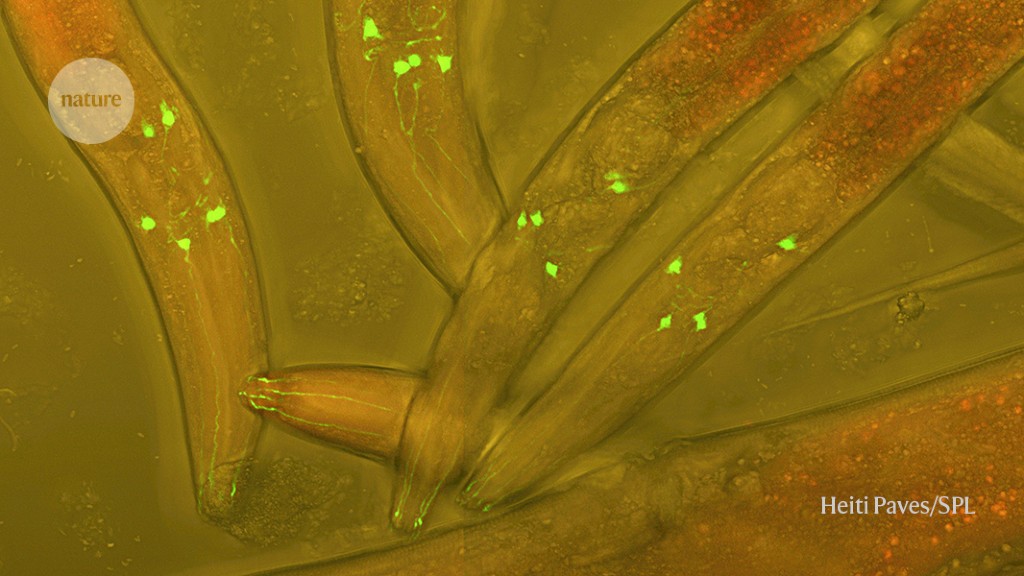
Two recent studies have revealed the existence of a 'wireless' nerve network in the worm Caenorhabditis elegans, challenging the traditional understanding that nerve cells communicate only through synapses. The studies mapped out the entire network of neuropeptide communication in C. elegans, showing that neuropeptides can pass messages between cells over longer distances. This wireless communication, which involves the release and interception of neuropeptides by different neurons, was found to directly activate neurons and contribute significantly to the propagation of signals in the worm's nervous system. The findings suggest that neuropeptide communication is equally important and complex as synaptic signaling, and understanding this network could have implications for the development of drugs and our understanding of neural dynamics in other organisms, including humans.

Unveiling a Novel Human Sensation: The Hairy Truth Behind Touch

Originally Published 2 years ago — by Livescience.com

Featured image for Unveiling a Novel Human Sensation: The Hairy Truth Behind Touch
Source: Livescience.com

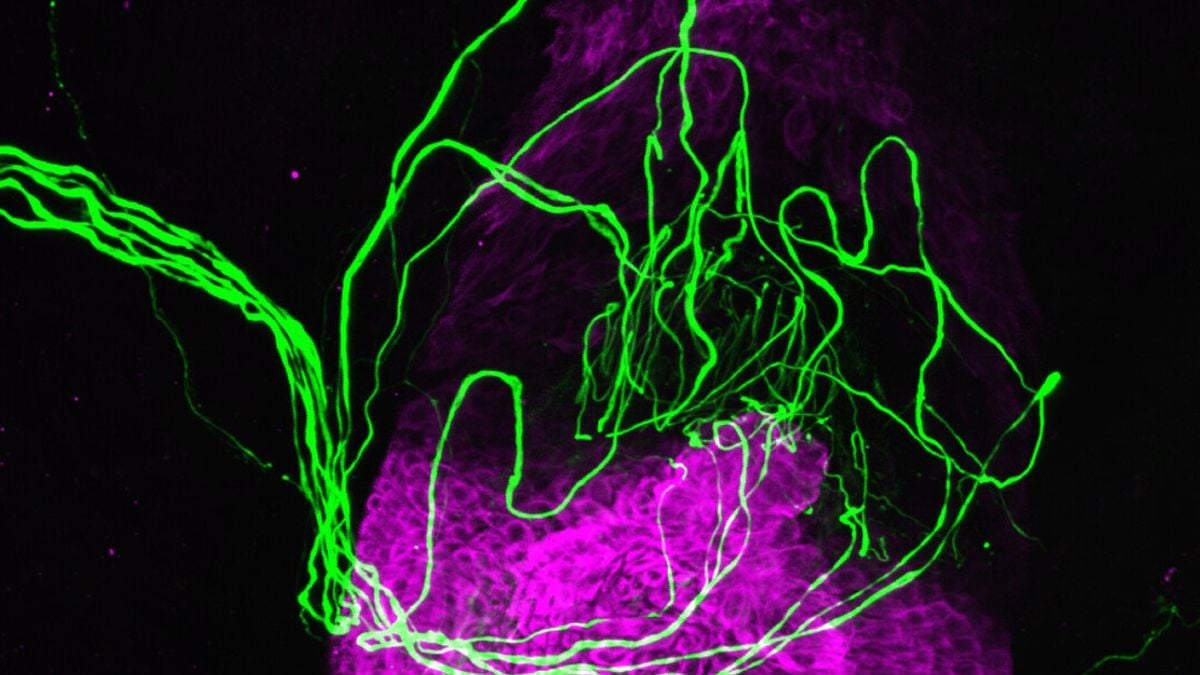
Scientists have discovered a previously unknown way that humans feel touch. Cells within the outer layer of hair follicles can detect touch and release neurotransmitters that activate nearby sensory neurons, which relay information to the brain. This expands the known ways humans sense touch and may have implications for understanding skin diseases such as eczema. The research is still in its early stages, but it could open up new therapeutic avenues.

Unveiling the Hidden Sense of Touch in Humans' Hair Follicles

Originally Published 2 years ago — by IFLScience

Featured image for Unveiling the Hidden Sense of Touch in Humans' Hair Follicles
Source: IFLScience

Scientists have discovered a new sense of touch in humans that is mediated by hair follicles. Through analyzing single cell RNA sequencing data, researchers found that hair follicles contain a higher than expected percentage of touch-sensitive receptors. Further experiments revealed that hair follicle cells release neurotransmitters serotonin and histamine, which activate adjacent sensory nerve cells, thus passing on a sense of touch. This discovery opens up new avenues for understanding the role of hair follicles in processing light touch and potential applications in skin conditions such as eczema.

Unveiling the Secret Sensory Mechanism of Hair Follicles

Originally Published 2 years ago — by Phys.org

Featured image for Unveiling the Secret Sensory Mechanism of Hair Follicles
Source: Phys.org

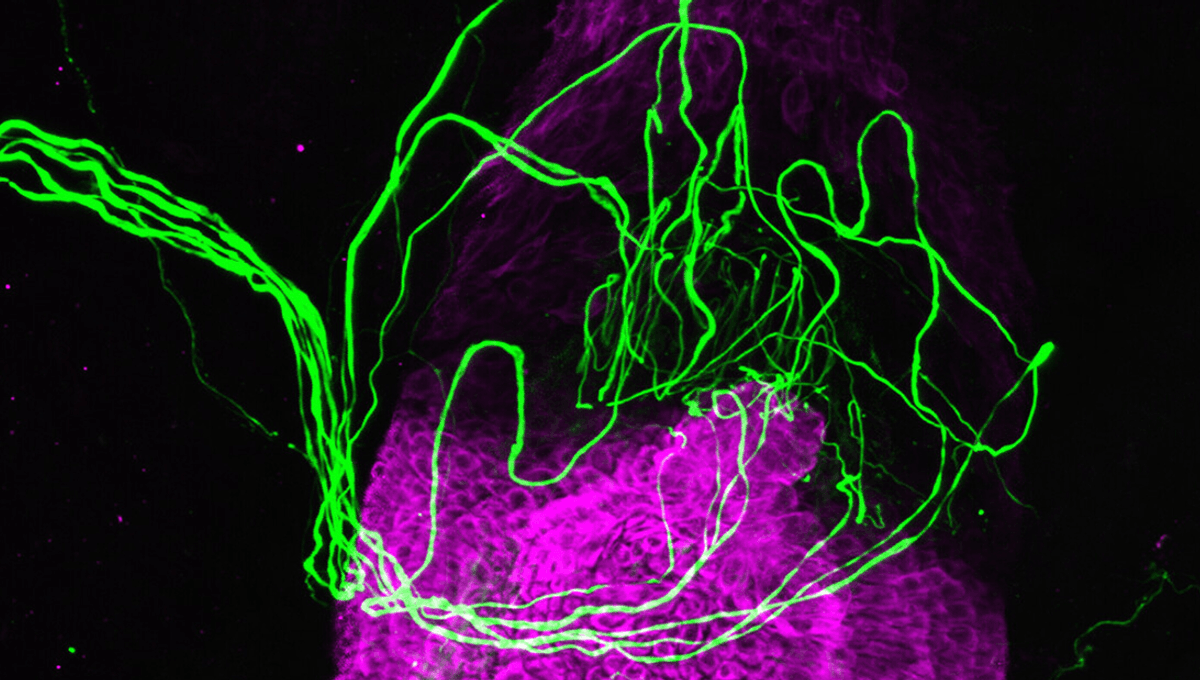
Researchers at Imperial College London have discovered a hidden sensory mechanism within hair follicles that allows us to feel touch. They found that cells within hair follicles can detect touch and release neurotransmitters histamine and serotonin in response. This finding may help in understanding the role of histamine in inflammatory skin diseases like eczema. The study was conducted in cell cultures and further research is needed to confirm the findings in living organisms.