A woman reflects on her mother's move into a retirement community amid her own grief and the realization of her mother's declining mental health, highlighting the complex emotions and changing dynamics in aging and caregiving.
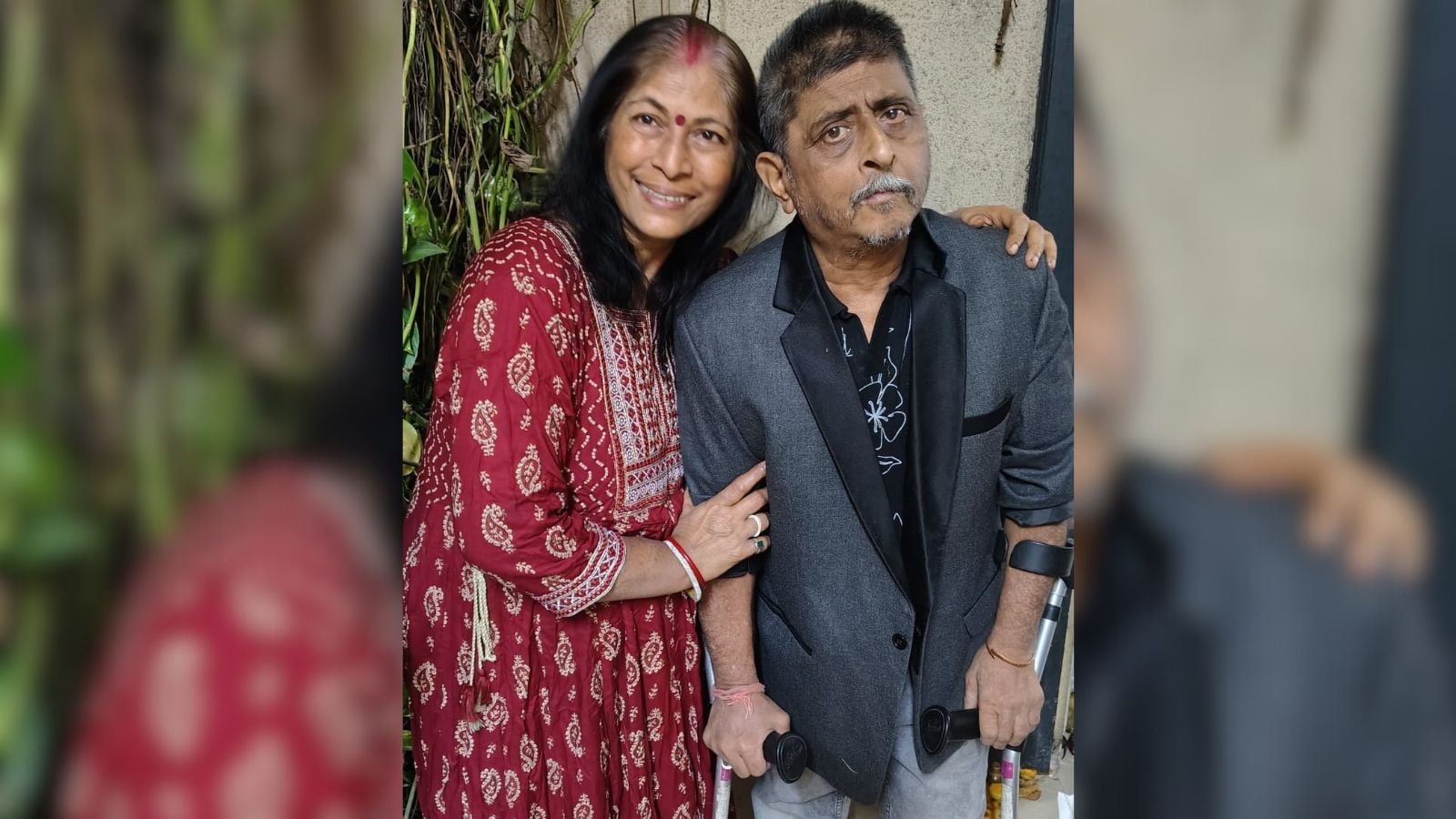
The article highlights Ila Basu's 30-year dedication to caring for her brother Tarun Das, who has schizophrenia, emphasizing the importance of family support, understanding, and proper care in managing mental illness, and inspiring a film about their journey.
A La Plata County couple, Al and Meme Jason, navigate life after Al's Alzheimer's diagnosis, focusing on maintaining quality of life through music, journaling, and community support, while adjusting to the challenges of the disease.
Emma Heming Willis reflects on how the holiday season has changed for her and her family due to Bruce Willis's diagnosis of frontotemporal dementia, emphasizing that joy and grief can coexist and offering hope and reminders for others in similar situations.
The article discusses early signs of Alzheimer's and dementia observed by caregivers and family members, such as memory loss, confusion, behavioral changes, and social withdrawal, highlighting the importance of early detection and understanding the progression of these conditions.
A woman shares her experience of transitioning from relying on her mother for childcare to becoming her caregiver after her mother's stage 4 colon cancer diagnosis, highlighting the emotional, practical, and relational challenges of the sandwich generation and the importance of support and resilience.
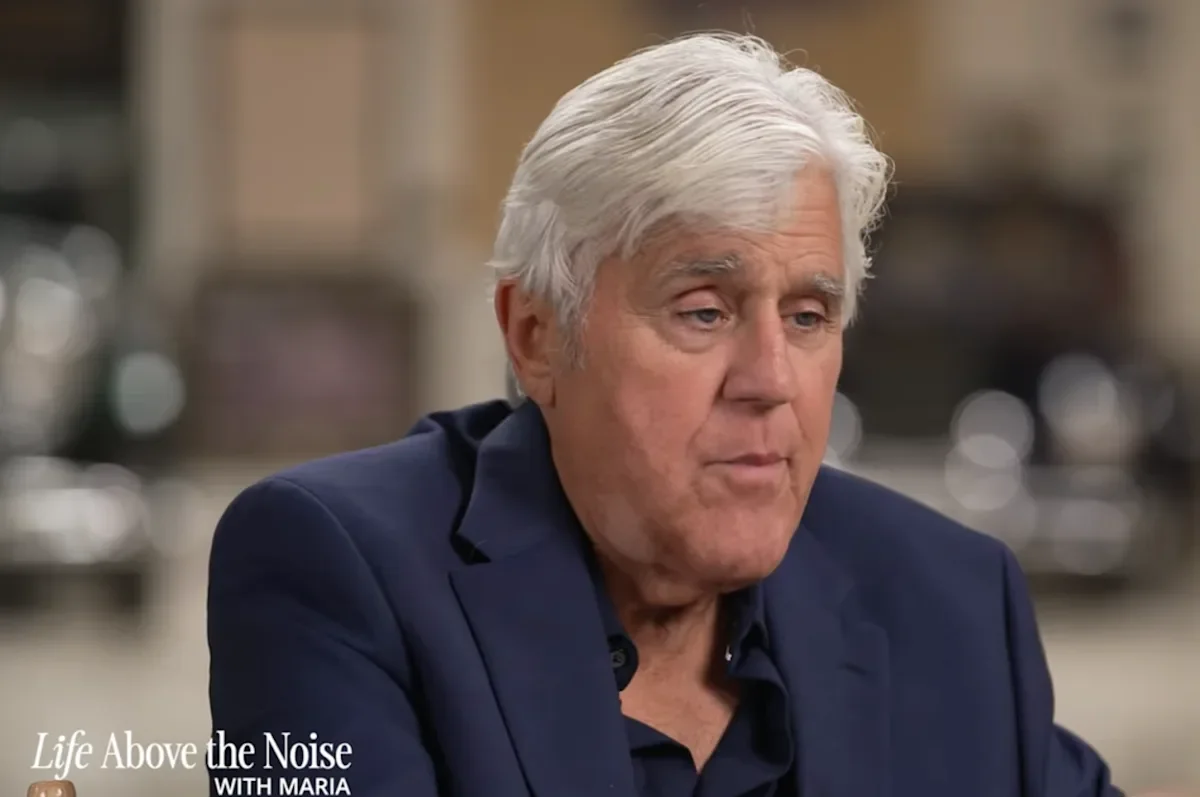
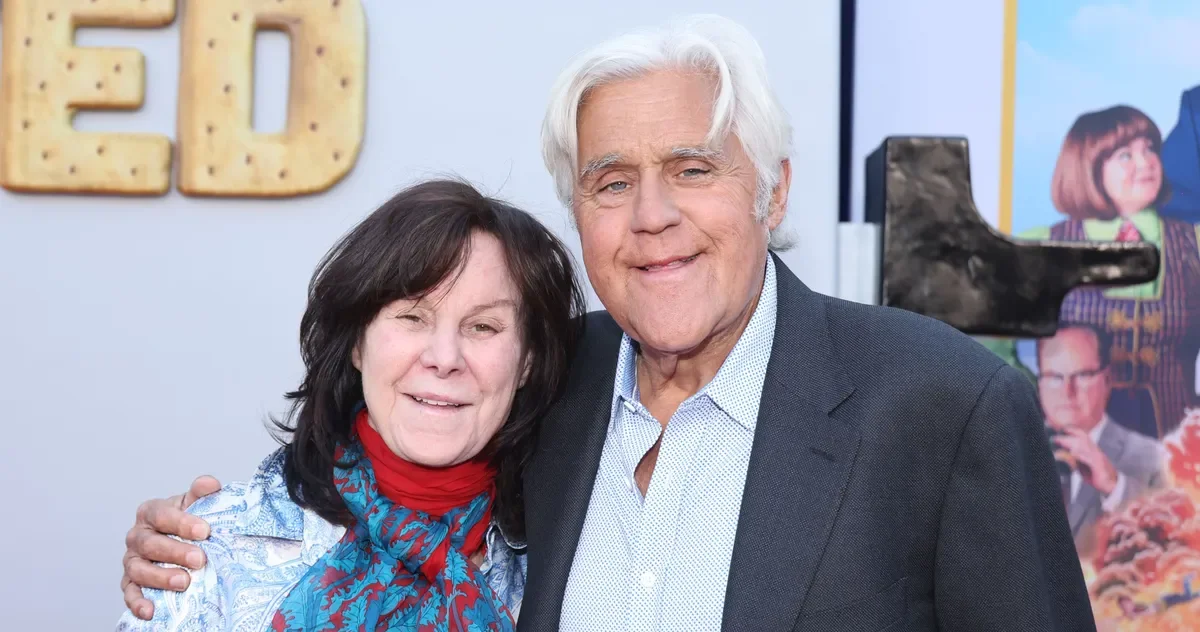
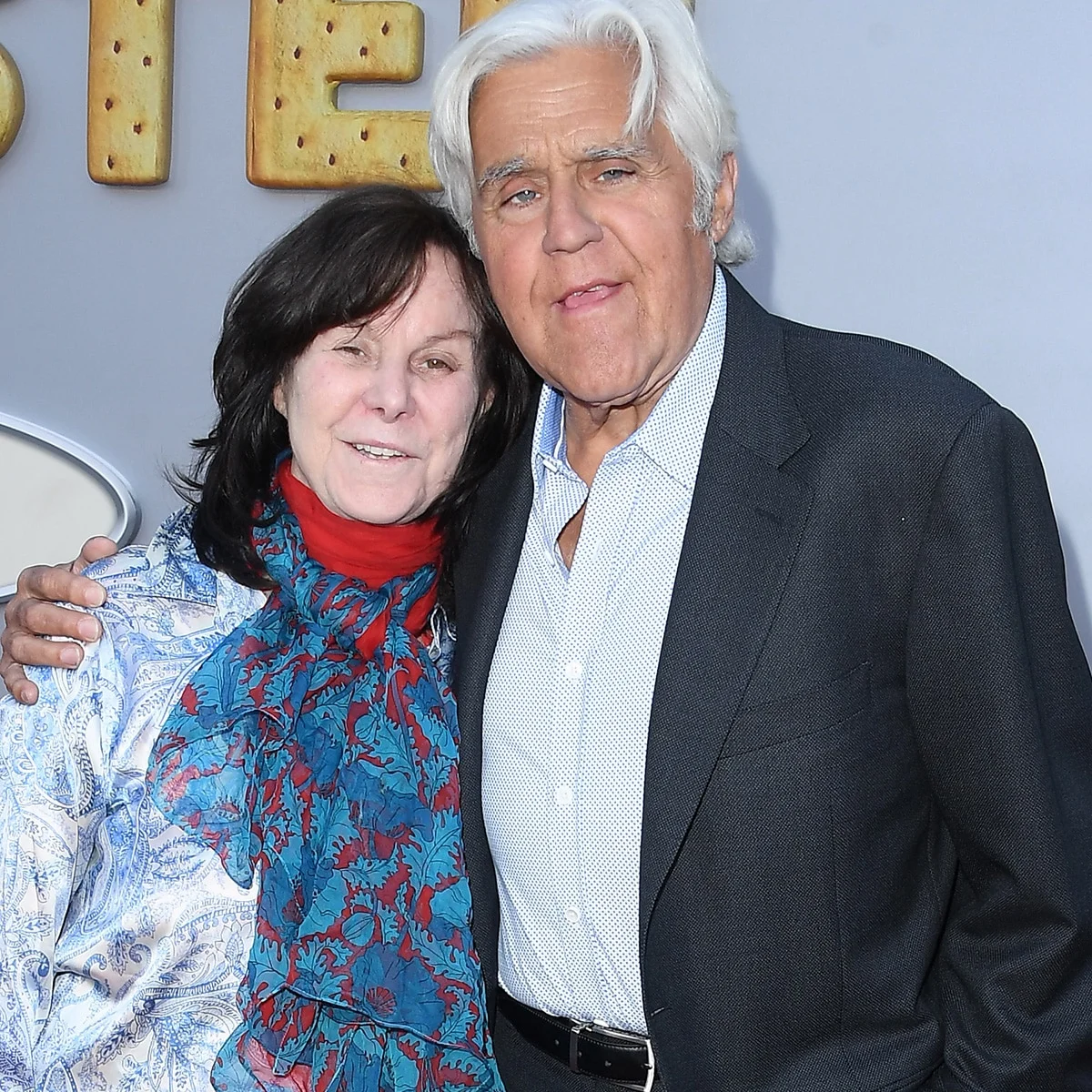
Jay Leno, at 75, expresses his positive outlook on caring for his wife Mavis, who has dementia, emphasizing that he finds joy in his caregiving role and views it as a part of his commitment and love for her.
The article discusses how declining birth rates and an aging population in the U.S. are making elder care more challenging, highlighting the importance of family caregiving, especially in Black and Hispanic communities, and emphasizing the need for systemic reforms to address workforce shortages and rising care costs.
Emma Heming Willis revealed that the first sign of Bruce Willis's illness, likely frontotemporal dementia (FTD), was the return of his childhood stutter, which she initially did not recognize as a warning sign. She shared her caregiving journey and the emotional impact of witnessing his personality changes, emphasizing the importance of awareness and support.
Heather Boynton, living 1,200 miles from her mother with dementia, used technology like Jubilee TV to stay connected and monitor her mother's well-being, which provided comfort and peace during her mother's final days.
Bruce Willis has been diagnosed with frontotemporal dementia, leading to his daughters mourning the loss of the father they knew, as his condition affects his ability to speak, read, and walk. His wife Emma Heming highlights the emotional toll on the family and advocates for greater support for caregivers of dementia patients.
This article emphasizes the importance of recognizing early signs of Alzheimer's disease, such as forgetfulness, difficulty with daily tasks, language struggles, disorientation, poor judgment, withdrawal, and mood changes, which are often overlooked or dismissed as normal aging. Early detection can lead to better management, support, and planning, making awareness crucial, especially on World Alzheimer's Day.
Emma Heming Willis discusses how Bruce Willis's frontotemporal dementia diagnosis has profoundly affected their family, leading to the decision to move him into a separate home for better care and to protect their children from the emotional toll, emphasizing the importance of tailored caregiving and family well-being.
Emma Heming Willis suspected her husband Bruce Willis's early signs of dementia were due to hearing loss from filming Die Hard and a childhood stutter, but later diagnosed with frontotemporal dementia (FTD). She emphasizes the importance of caregivers trusting their instincts and advocating for loved ones' health, and shares her ongoing journey of caregiving and finding joy despite the diagnosis.
Emma Heming Willis discusses her decision to move her husband Bruce Willis, diagnosed with frontotemporal dementia, to a second home for his care, addressing societal judgments and emphasizing the importance of doing what is right for loved ones. She shares her journey of caregiving, raising awareness about FTD, and the challenges of managing dementia at home, advocating for better support and resources for families.