As the new year approaches, experts highlight the significant impact of alcohol on health, including the risk of severe liver disease with as few as two drinks per day for women and three for men, with women experiencing double the liver toxicity; alcohol-related liver disease has increased during the COVID-19 pandemic, and the only effective treatment is abstinence.
A study finds men need about twice as much exercise as women to reduce heart disease risk, likely due to biological differences such as estrogen levels and muscle composition, suggesting exercise guidelines might need gender-specific adjustments.
Research from Binghamton University reveals that individuals with dark triad traits—narcissism, psychopathy, and Machiavellianism—often use physical touch manipulatively in relationships, with notable gender differences, highlighting the importance of understanding touch's dual role in intimacy and control.
A mouse study suggests that a ketogenic diet may accelerate aging in males but not in females, possibly due to estrogen's protective effects; further research is needed to see if these findings apply to humans.
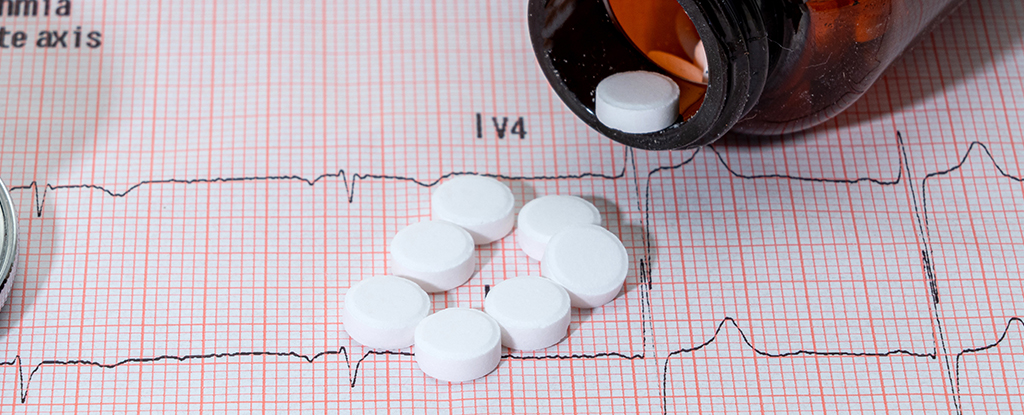
Recent studies suggest that beta blockers, commonly prescribed after heart attacks, may no longer be beneficial for many patients, especially women with well-recovered hearts, and could even be harmful, prompting calls for more personalized treatment approaches.
The percentage of Americans who drink alcohol has reached a record low of 54%, influenced by increased awareness of health risks, social changes, and economic factors, with notable declines among young people and women, and a shift towards alcohol-free alternatives.
A study on rats reveals that antidepressants like fluoxetine have significant long-term effects on male brains, causing behavioral and neuronal changes, while female brains remain unaffected, highlighting the importance of considering age and gender in treatment approaches.
A recent study shows that stress leads to riskier decisions due to decreased loss aversion, with men being more affected than women, and suggests an evolutionary reason for this behavior.
A study from the University of South Australia suggests that a healthy diet, rich in vegetables, fruits, grains, lean proteins, and dairy, can reduce chronic pain, particularly in women, regardless of body weight. The research highlights the potential of diet quality to influence pain severity through anti-inflammatory and antioxidant properties, offering an accessible and effective pain management strategy. The findings emphasize the importance of diet in managing chronic pain, with women experiencing more significant benefits than men.
Autism diagnoses are increasing, particularly among adults and women, due to greater awareness and a broader clinical definition. The condition, often misunderstood, is characterized by differences in communication and behavior, with symptoms varying widely. Historically, autism has been underdiagnosed in girls and women, who may exhibit different traits than boys. New research challenges stereotypes, suggesting that communication difficulties stem from different experiences rather than a lack of empathy. Understanding these differences can improve support and highlight the unique perspectives autistic individuals bring.
A new study from the University of Colorado reveals that female mice experience less total sleep, more frequent awakenings, and reduced restorative sleep compared to males, due to biological factors like stress hormones and evolutionary roles. This research challenges previous sleep studies that often overlooked female-specific data, highlighting the need for gender-inclusive research to ensure accurate results, especially in developing treatments for sleep-related disorders. The study emphasizes the importance of considering sex differences in biomedical research to avoid skewed drug efficacy and safety data.
Women face a higher risk of dying from heart disease due to genetic and gender-related factors that influence how cardiovascular disease develops and is treated. Biological differences, such as hormonal and genetic factors, and gender biases in healthcare contribute to this disparity. Women often experience different symptoms and are less likely to receive aggressive diagnostic tests compared to men. Research highlights the need for sex-specific medical guidelines to improve diagnosis and treatment, and recent efforts aim to address these disparities through tailored healthcare approaches.
Historically, women's health issues were often dismissed as 'hysteria,' but today, women are nearly twice as likely as men to be diagnosed with anxiety disorders. This highlights ongoing gender disparities in mental health diagnosis and treatment.
Research suggests that women and female primates exhibit higher levels of disgust than their male counterparts, which may contribute to their longer lifespans by reducing disease exposure. This heightened sensitivity to potential contaminants, such as infected food or individuals, acts as a protective mechanism, particularly important for females who bear and care for offspring. Studies indicate that this disgust response is an evolutionary trait that helps prevent infections, supporting the idea that being more easily disgusted can be beneficial for health and longevity.
A study by Université de Montreal and Université de Poitiers reveals that daily cryostimulation sessions, involving exposure to -90°C temperatures, can enhance sleep quality and mood in young adults. The research found that five consecutive sessions were necessary to see benefits, with women experiencing more significant improvements than men. The study suggests potential applications for cryostimulation in treating sleep disorders, aiding athlete recovery, and managing chronic inflammation. Further research is needed to understand the long-term effects and mechanisms behind these benefits.