A study finds that adverse childhood experiences are linked to increased ADHD symptoms in college students, with self-compassion and emotion regulation playing mediating roles; promoting self-kindness may help mitigate these symptoms.

A study found that controlled fear experiences, like horror films, can temporarily alter brain patterns associated with depression, particularly reducing hyperconnectivity in brain networks linked to rumination, and may engage emotion regulation systems, suggesting potential therapeutic avenues.
While often seen as a negative emotion, frustration can have positive effects by signaling the need to reevaluate goals, fostering perseverance, and promoting growth. Managing frustration through reframing, regulation, and support can turn obstacles into opportunities for resilience and development.
The article outlines eight trainable habits that indicate high mental strength, including responding rather than reacting, practicing self-compassion, adapting mindset, setting boundaries, practicing controlled discomfort, aligning actions with values, delaying gratification strategically, and cultivating equanimity through mindfulness and movement. These traits, supported by psychological research and Buddhist principles, suggest that mental resilience is accessible to everyone through consistent practice.
A study using network modeling found that cognitive traits like processing speed and flexibility influence depression indirectly through emotion regulation strategies, especially rumination, highlighting the complex interplay between cognition and emotional regulation in depression development.
A study found that imagining taking a placebo pill is more effective at reducing visually induced disgust than actually ingesting a placebo pill. This novel approach to open-label placebo administration suggests significant potential for emotion regulation in both clinical and non-clinical settings.
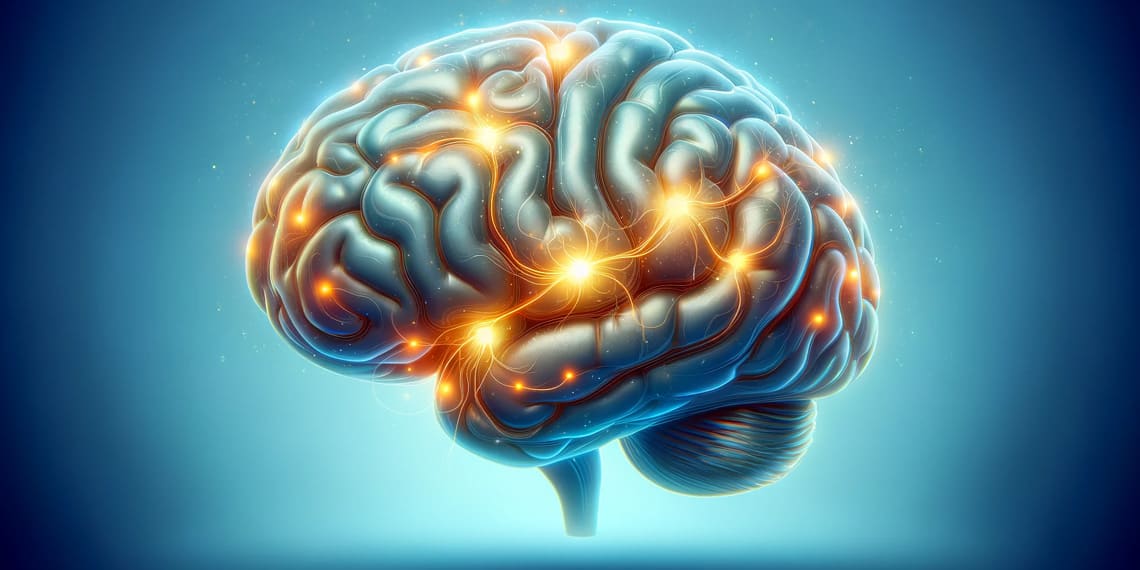
A new study provides insight into how the human brain regulates emotions, distinguishing between emotion generation and regulation, and identifying specific brain regions, such as the anterior prefrontal cortex, that are key to emotion regulation. The study also explores the interaction between neurotransmitters and emotion regulation, suggesting potential implications for pharmaceutical treatments. Understanding these mechanisms could lead to improved mental health treatments by targeting specific brain areas for therapy or stimulation.
Two studies conducted in Israel found that individuals with major depressive disorder tend to distract themselves from positive emotions, effectively reducing the duration of their pleasant emotional experiences. Depressed individuals are more likely to choose distraction over positive rumination in response to pleasant memories, leading to decreases in pleasant affect and increases in unpleasant affect. This behavior is also evident in their daily lives, where they are more likely to use distraction to avoid pleasant emotions. The study sheds light on important psychological mechanisms found in depression, highlighting the significance of emotion regulation strategies in managing the condition.
A study conducted in Canada has found that women who use oral contraceptives (OCs) have a thinner ventromedial prefrontal cortex (vmPFC) compared to men, potentially impairing emotion regulation. The study suggests that this effect may be reversible after discontinuing OC use. The researchers emphasized the need for further studies to understand the impact and reversibility of OC use on brain anatomy and emotional regulation. They also highlighted the importance of considering the effects of sex hormones on brain development, particularly in adolescence when many girls start using OCs. The objective of the study is to raise awareness about the potential effects of OCs on the brain and promote further research in women's health.
A recent study published in Psychopharmacology has examined the impact of lithium on emotion regulation, a core psychological process often impaired in bipolar disorder. The study found that lithium administration led to altered brain activation patterns during emotion regulation tasks, with decreased activation in prefrontal areas and increased connectivity between certain brain regions. These findings provide valuable insights into the effects of lithium on the brain and may contribute to the development of more effective treatments for bipolar disorder. However, further research is needed to validate these results in patients with bipolar disorder.
A study conducted in China has found that childhood maltreatment may lead to sleep problems later in life, with emotion regulation playing a role in this connection. The study involved young individuals aged 16 to 22 and found that those who experienced high levels of physical and emotional maltreatment had the most distinct sleep issues. Participants exposed to sexual abuse or a combination of physical and emotional maltreatment also experienced sleep problems through different emotion regulation processes. The study highlights the need for differential targets on emotion regulation strategies for distinct maltreatment groups and considering the cooccurrence of physical and emotional maltreatment. However, the study's reliance on self-reports and the limited representation of Chinese youth from below-average income families may introduce bias.
Cognitive distancing, a technique commonly used in psychological therapy, has been found to enhance decision-making performance in a reinforcement learning task. The study suggests that cognitive distancing improves decision-making by promoting deliberate choices and increasing sensitivity to negative outcomes. This finding may explain why cognitive distancing is effective in managing emotions. The research provides preliminary evidence that psychological interventions can impact learning processes and potentially improve symptoms of mental health disorders. However, further research is needed to understand the interactions between cognitive interventions, psychological processes, and mental health outcomes.
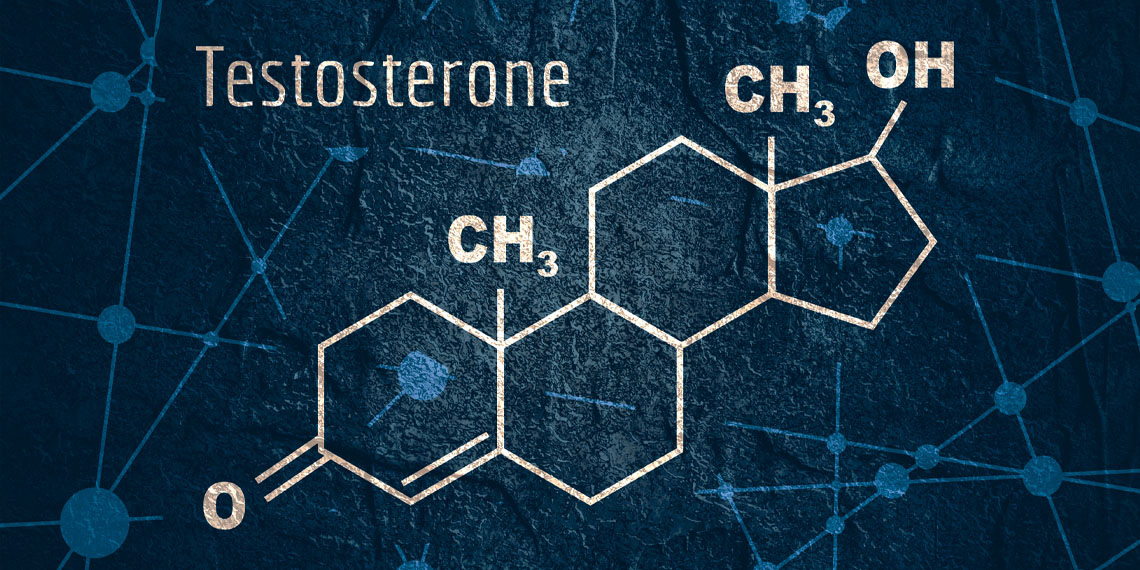
New research suggests that the effect of testosterone on brain regions involved in emotion regulation changes over time. During early adolescence, higher levels of testosterone facilitate emotional control, while in young adulthood, higher levels of testosterone impede emotional control. This age-dependent influence of testosterone on the developing brain highlights the complexity of its role. The study used functional magnetic resonance imaging (fMRI) to observe brain activity in participants aged 14, 17, and 20, and found that the effect of testosterone on the anterior prefrontal cortex (aPFC) shifted from facilitation to inhibition as individuals transitioned from middle adolescence to young adulthood. These findings contribute to understanding brain-hormone functioning in both adolescents and young adults.
A new study published in Cortex suggests that high-quality sleep and adaptive cognitive emotion regulation strategies can promote resilience to depression and anxiety in the face of chronic stress. Researchers analyzed data collected during the COVID-19 pandemic and found that individuals who used adaptive cognitive emotion regulation strategies and had better sleep quality reported lower levels of depression and anxiety. While both factors independently supported mental health resilience, there was no synergistic influence between them. The study highlights the importance of positive coping strategies and good sleep quality in reducing mental health problems during stressful situations. However, the study's findings are limited by the reliance on subjective reports and the lack of socio-demographic diversity in the sample.
Emotion regulation skills can be learned at any point in life, including childhood. When we don’t learn how to regulate our emotions, we end up meeting emotion regulation’s evil twin, emotion dysregulation. Emotion dysregulation has been linked to unhealthy risk-taking, relationship challenges, and negative physical health outcomes. Childhood maltreatment and adverse childhood experiences (ACEs) are barriers to developing emotion regulation skills and impact brain development. ACEs are linked to chronic health conditions, mental health disorders, and substance use in adolescence and adulthood.