Chemotherapy can temporarily alter hair texture, leading to 'chemo curls' where straight hair becomes curly during regrowth, due to damage to hair follicle shape and function. Most hair returns to normal within a year as follicles recover, though the process varies among individuals.
Pulling out gray or white hair does not cause more gray hair to grow, but it can damage the hair follicles and potentially lead to hair loss. The appearance of gray hair is influenced by genetics, age, and diet, with deficiencies in vitamins B12, D3, and calcium potentially contributing to premature graying. Taking supplements may help prevent new hair from turning gray, but it won't reverse existing damage. Plucking out hair can also result in ingrown hairs and follicle damage, especially in older individuals. While there are supplements claiming to prevent or reverse gray hair, there is no scientific evidence supporting their effectiveness. Ultimately, individuals can choose to embrace their gray hair or use hair dye.
Scientists in the US have successfully 3D-printed hair follicles in human skin tissue, a major step towards finding a "cure" for baldness. While growing hair is still a few years away, this breakthrough has potential applications in drug testing and skin grafts. The researchers used 3D bioprinting to create hair follicle structures in a precise and reproducible manner. By providing the right conditions and nutrients, the cells self-assembled to form early follicular structures, raising hopes for the eventual growth of hair.
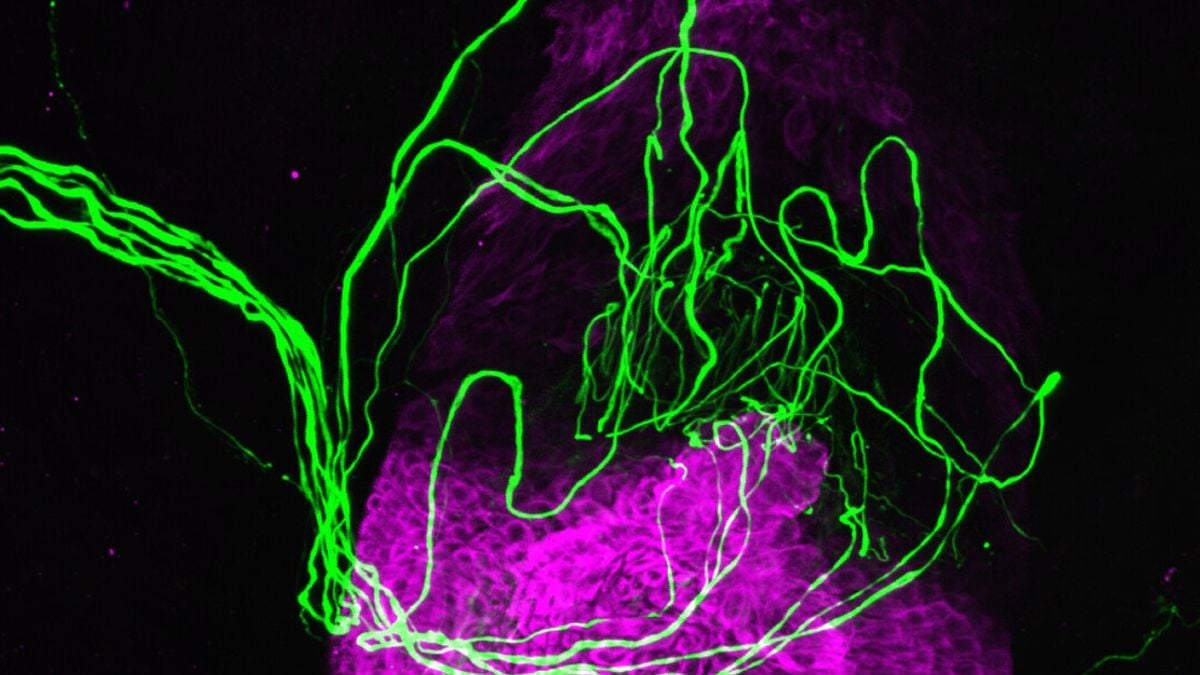
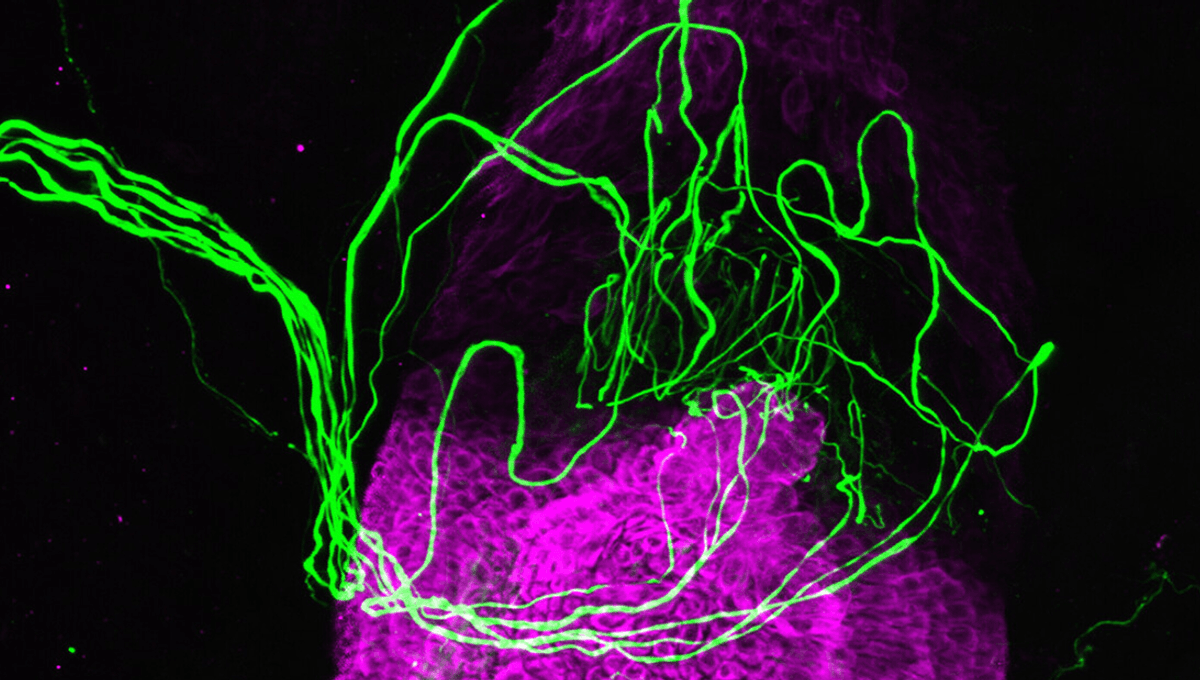
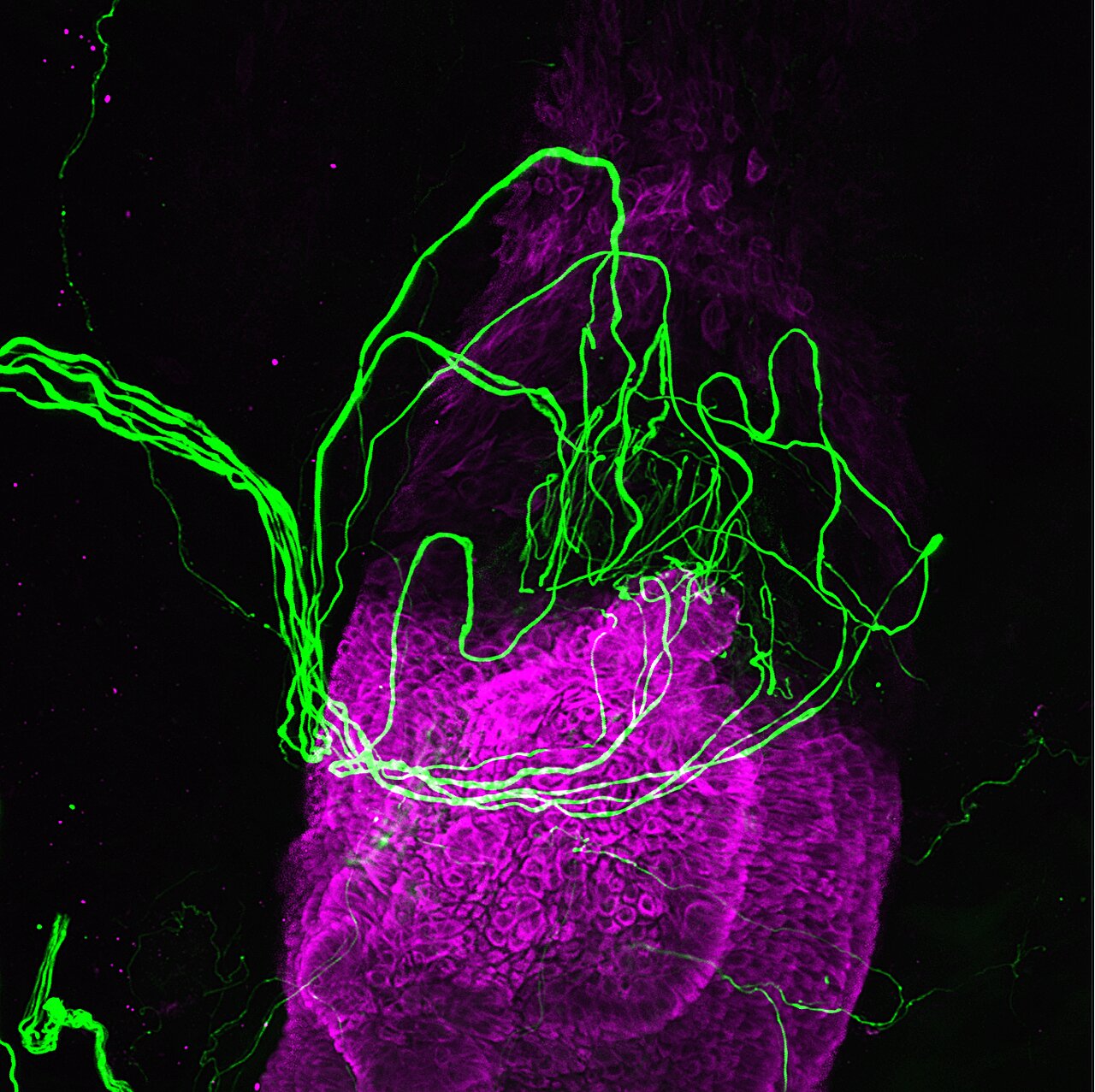
Scientists have discovered a previously unknown way that humans feel touch. Cells within the outer layer of hair follicles can detect touch and release neurotransmitters that activate nearby sensory neurons, which relay information to the brain. This expands the known ways humans sense touch and may have implications for understanding skin diseases such as eczema. The research is still in its early stages, but it could open up new therapeutic avenues.
Scientists have discovered a new sense of touch in humans that is mediated by hair follicles. Through analyzing single cell RNA sequencing data, researchers found that hair follicles contain a higher than expected percentage of touch-sensitive receptors. Further experiments revealed that hair follicle cells release neurotransmitters serotonin and histamine, which activate adjacent sensory nerve cells, thus passing on a sense of touch. This discovery opens up new avenues for understanding the role of hair follicles in processing light touch and potential applications in skin conditions such as eczema.
Scientists from Imperial College London have discovered that hair follicles have touch-sensitive receptors, in addition to nerve endings in the skin. Using RNA sequencing, the researchers found that cells in the outer root sheath of hair follicles had a higher percentage of touch-sensitive receptors. When these cells were mechanically stimulated, sensory nerves were activated, indicating that touch had been registered. The experiments also revealed the release of neurotransmitters serotonin and histamine by the hair follicle cells, potentially opening up new avenues for research into skin diseases such as eczema. The findings shed light on the intricate biological interaction between hair follicle cells and low-threshold mechanoreceptors, raising questions about the specific role of hair follicles in processing light touch.
Researchers at Imperial College London have discovered a hidden sensory mechanism within hair follicles that allows us to feel touch. They found that cells within hair follicles can detect touch and release neurotransmitters histamine and serotonin in response. This finding may help in understanding the role of histamine in inflammatory skin diseases like eczema. The study was conducted in cell cultures and further research is needed to confirm the findings in living organisms.
Researchers at Imperial College London have discovered a previously unknown mechanism within hair follicles that allows us to detect touch. Hair follicle cells, in addition to nerve endings in the skin, can sense touch and release neurotransmitters histamine and serotonin in response. This finding may provide insights into the role of histamine in inflammatory skin conditions like eczema. The study was conducted using cell cultures and further research is needed to confirm the findings in living organisms.
A new study from New York University’s Grossman School of Medicine has found that gray hair may be reversible by restoring mobility to melanocyte stem cells (McSCs) that get stuck in hair follicle bulge compartments, preventing them from regenerating into pigment cells. The study showed that as hair regrowth aged, the number of McSCs lodged in the follicle bulge continued to increase, leading to gray hair. The next step for the NYU team is to find ways to get McSCs moving again, potentially reversing or preventing gray hair.
Researchers at NYU Grossman School of Medicine have found that certain stem cells called melanocyte stem cells (McSCs) have the ability to maintain the original pigment in hair strands. As hair ages, more McSCs become stuck in a compartment called the hair follicle bulge, where they fail to mature into pigment-producing cells. The scientists hope this research may lead to answers for keeping hair healthy and colored long into old age. The team plans to investigate means of restoring the motility of McSCs or physically moving them back to their germ compartment where they can produce pigment, thus stopping hairs from turning gray.
Stem cells that produce and maintain the pigment in our hair, specifically melanocyte stem cells, may be responsible for graying and loss of hair color. Researchers from NYU Grossman School of Medicine found that melanocyte stem cells are much more mobile than previously thought and can start regeneration of hair melanocytes only when they are present in a specific area within the hair follicle. Moving melanocytes to a proper location within the hair follicle may help prevent hair from going gray, but more research is needed to understand how melanocytes find a proper location within the hair follicle.
Melanocyte stem cells (McSCs) lose their ability to move between hair follicle compartments as people age, leading to hair graying. McSCs are plastic, meaning they continually shift between maturity stages and compartments within hair follicles. However, as hair ages and regrows repeatedly, more McSCs become stuck in the hair follicle bulge and are unable to mature into pigment-producing cells. Restoring McSC motility or moving them back to their germ compartment could potentially reverse or prevent hair graying in humans.
Researchers have discovered that certain stem cells, called melanocyte stem cells, get stuck in hair follicles as people age, causing hair to turn gray. The study, which focused on cells in the skin of mice, suggests that the same fixed-positioning of melanocyte stem cells may exist in humans, presenting a potential pathway for reversing or preventing the graying of human hair by helping jammed cells to move again between developing hair follicle compartments.
Researchers have discovered that certain stem cells, called melanocyte stem cells, get stuck in hair follicles as people age, leading to the loss of hair color. The study suggests that moving these cells to a specific area within the hair follicle called the hair germ compartment may prevent hair graying. The findings raise the possibility of reversing or preventing gray hair in humans by helping these cells move again.
Scientists have discovered that stem cells may get stuck as hair ages, resulting in greying hair. The study focused on melanocyte stem cells in mice and found that as hair ages, increasing numbers of these cells get stuck in the stem cell compartment of the hair follicle bulge, where they remain. The researchers suggest that if their findings hold true for humans, it could open up a potential way to reverse or prevent grey hair by helping jammed cells to move again between developing hair follicle compartments.