Tag

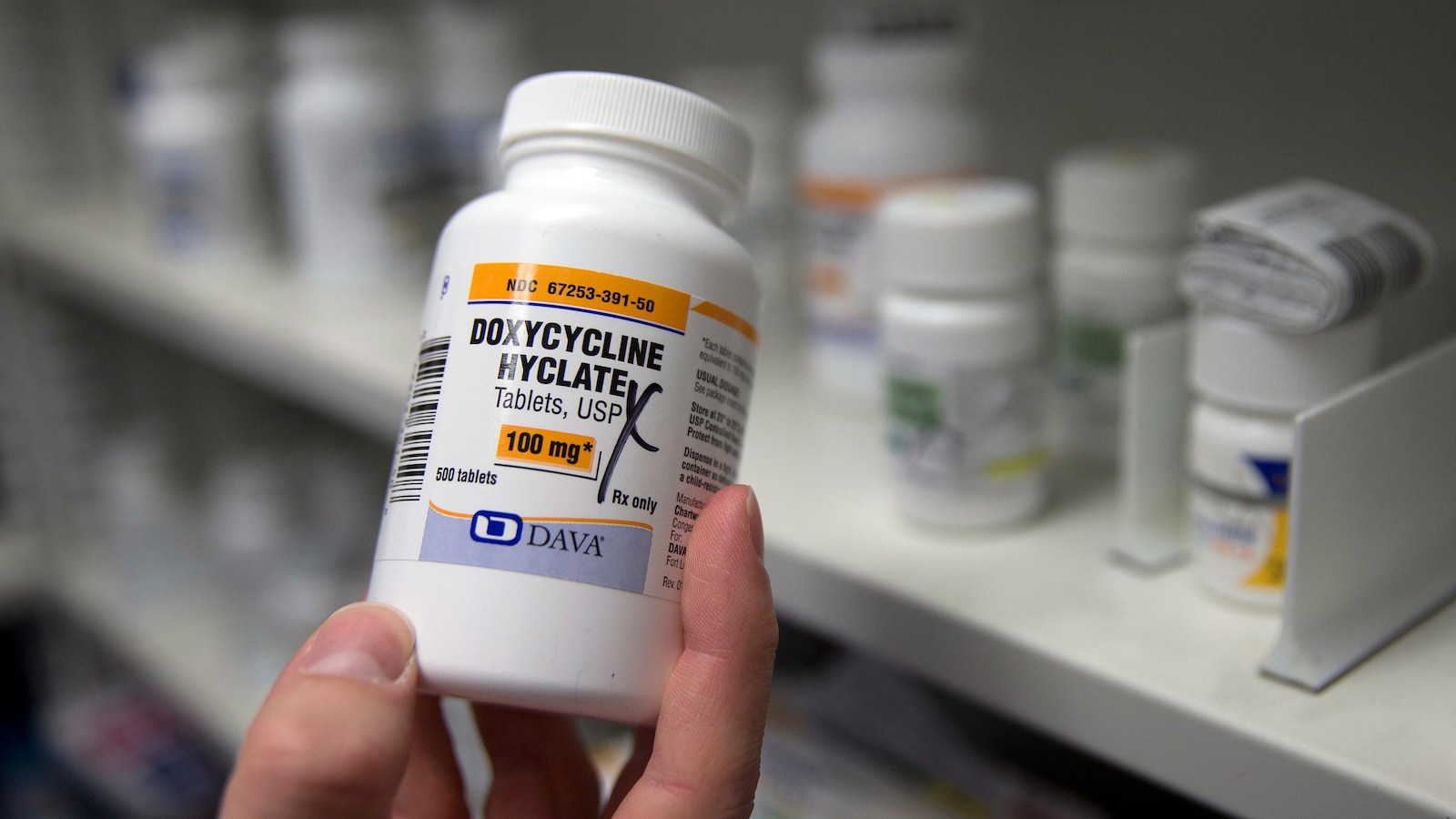
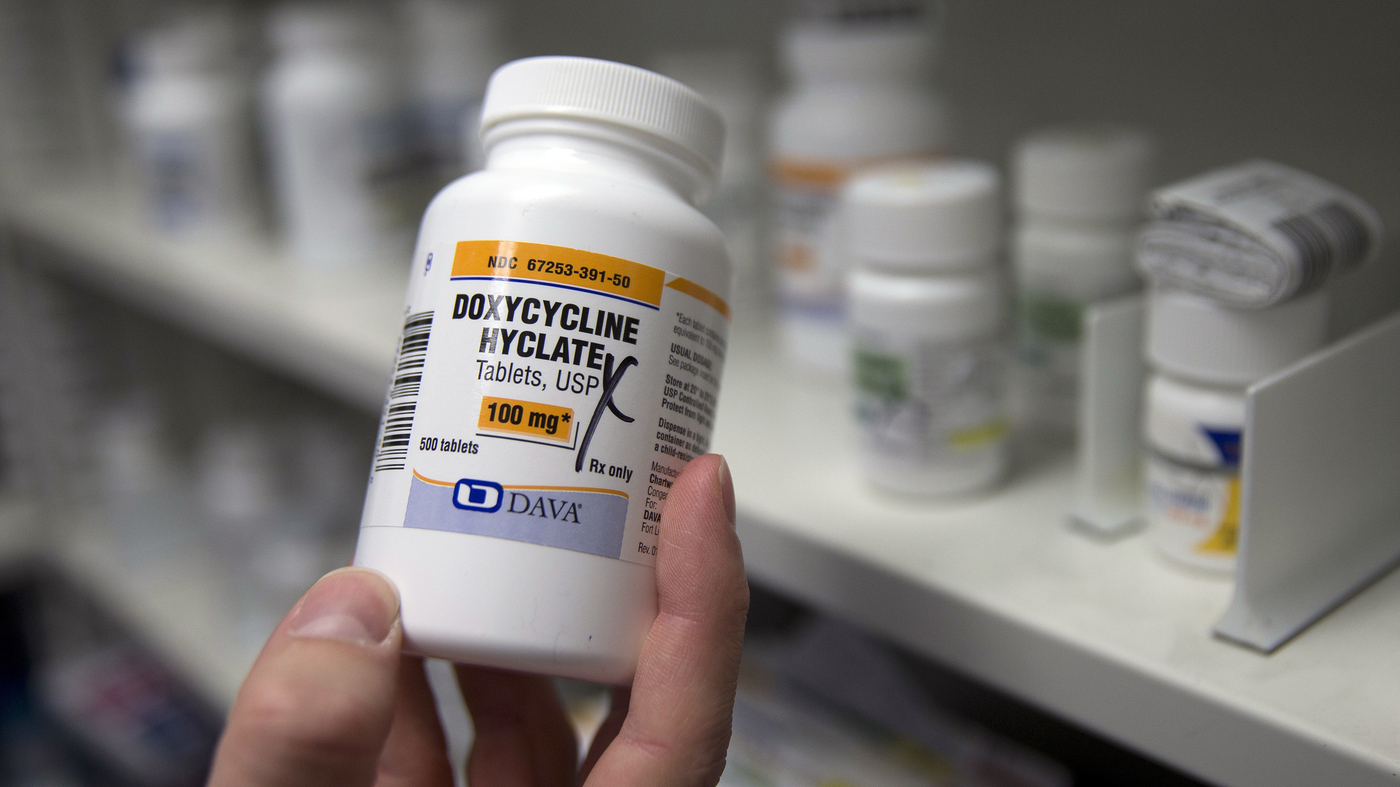
Doxycycline

All articles tagged with #doxycycline

Ketosis-Linked Rash Sparks Doctors’ Investigation into a Mysterious Keto Side Effect
health1 month ago

Ketosis-Linked Rash Sparks Doctors’ Investigation into a Mysterious Keto Side Effect

A 20-year-old man in Taiwan developed a red, itchy rash with pigmented patches after starting a ketogenic diet. Biopsy showed inflammation but no other common skin conditions, and clinicians diagnosed prurigo pigmentosa, a rare rash linked to ketosis with an unclear mechanism. Current thinking suggests high ketone levels trigger neutrophil-driven inflammation around blood vessels. Treatment: stop ketosis and give a two-week course of doxycycline, after which the rash resolved in about a week. The case highlights both potential keto-diet risks and the gaps in understanding this condition.

Signs of Hope: STI Epidemic Shows Signs of Slowing in the US
health1 year ago

Signs of Hope: STI Epidemic Shows Signs of Slowing in the US

Recent data from the CDC shows a decline in syphilis diagnoses, particularly among gay and bisexual men, attributed to the use of doxycycline as a preventive measure. This antibiotic, used post-exposure, has shown significant efficacy in reducing cases of syphilis, chlamydia, and gonorrhea. The trend, known as doxyPEP, is gaining traction in major cities and is seen as a promising tool in STI prevention, though concerns about racial disparities and antibiotic resistance remain. Public health experts call for increased funding for STI-related care.

Doxycycline: An Unexpected Solution for Arthritis Pain
health1 year ago

Doxycycline: An Unexpected Solution for Arthritis Pain

Doxycycline, commonly used for infections and acne, may also help alleviate arthritis pain, as suggested by some studies. Although evidence is limited and not widely accepted, it has been proposed as a potential disease-modifying osteoarthritis drug (DMOAD). Concerns about long-term antibiotic use affecting the microbiome and antibiotic resistance persist, but doxycycline's potential benefits for arthritis could offer an alternative to NSAIDs, which have significant side effects. Consulting a rheumatologist may provide more insights into this treatment option.

"CDC Issues New Guidelines for Doxycycline Use"
health1 year ago

"CDC Issues New Guidelines for Doxycycline Use"

The CDC has issued new guidelines recommending the use of doxycycline postexposure prophylaxis (doxy PEP) to prevent bacterial sexually transmitted infections (STIs) such as syphilis, chlamydia, and gonorrhea in gay, bisexual, and other men who have sex with men (MSM) and transgender women (TGW) who have had an STI in the past 12 months. The guidelines suggest a 200 mg dose of doxycycline within 72 hours after sex, integrated into a comprehensive sexual health approach. The recommendations are based on studies showing significant reductions in STI incidence with doxy PEP use.

CDC Endorses Antibiotic 'Morning After Pill' to Combat STDs
health1 year ago

CDC Endorses Antibiotic 'Morning After Pill' to Combat STDs

The CDC has issued new guidelines recommending the antibiotic doxycycline as a post-exposure prophylaxis (Doxy-PEP) to prevent STDs, particularly targeting gay and bisexual men and transgender women. The drug, to be taken within 72 hours of unprotected sex, could prevent up to 70% of chlamydia and syphilis infections and 50% of gonorrhea cases. This measure aims to combat the rising STD epidemic in the US, although concerns about antibiotic resistance and side effects remain.

Effectiveness of Doxy-PEP for STI prevention in women questioned
health2 years ago

Effectiveness of Doxy-PEP for STI prevention in women questioned

A treatment known as doxy-PEP, an antibiotic taken after unprotected sex, has shown promise in reducing the risk of sexually transmitted infections (STIs) like chlamydia and syphilis. However, a recent study found that it did not work in cisgender women, raising doubts about its effectiveness in this population. The study followed nearly 450 women in Kenya and found that adherence to the medication was low, with only about a third of the samples showing doxycycline presence. Further research is needed to understand why adherence was low and to determine if doxy-PEP is a viable option for women in preventing STIs.

"Promising Research Suggests Common Antibiotic as Potential Treatment for Drug Addiction"
health2 years ago

"Promising Research Suggests Common Antibiotic as Potential Treatment for Drug Addiction"

New research suggests that doxycycline, a commonly used antibiotic, may help reduce the addictive effects of drugs such as morphine and cocaine. The study conducted on male mice found that doxycycline significantly decreased the rewarding effects of morphine and attenuated addictive behaviors induced by cocaine. Importantly, the antibiotic did not affect the primary therapeutic effects of morphine for pain relief. While these findings offer hope for more effective interventions in treating substance use disorders, further research is needed to understand the exact mechanisms and to explore potential sex differences in response to treatment.

Doxycycline: A Morning-After Pill for High-Risk Patients, CDC Suggests
health2 years ago

Doxycycline: A Morning-After Pill for High-Risk Patients, CDC Suggests

The Centers for Disease Control and Prevention (CDC) has proposed a new guideline suggesting that high-risk patients take the antibiotic doxycycline as a morning-after pill to reduce the risk of sexually transmitted infections (STIs). Recent studies have shown that taking a single 200 milligram doxycycline pill within 72 hours of unprotected sex significantly decreases the likelihood of contracting chlamydia, gonorrhea, and syphilis. The guideline currently applies to gay, bisexual men, and transgender women, but more research is needed to determine its effectiveness for heterosexual men and women. The use of doxycycline as a preventative medication may help address the increasing rates of STIs, but it does not address the underlying high-risk behaviors.

Doxycycline: A Morning-After Pill for High-Risk Patients, CDC Suggests
health2 years ago

Doxycycline: A Morning-After Pill for High-Risk Patients, CDC Suggests

The Centers for Disease Control and Prevention (CDC) has proposed a new guideline suggesting that high-risk patients take the antibiotic doxycycline as a morning-after pill to reduce the risk of sexually transmitted infections (STIs). The guideline is based on studies showing that taking a single 200 milligram doxycycline pill within 72 hours of unprotected sex significantly decreases the likelihood of chlamydia, gonorrhea, and syphilis infections. The CDC emphasizes that the antibiotic is indicated only for gay, bisexual men, and transgender women. However, there are concerns that this preventive therapy may not address the underlying high-risk behaviors contributing to the increasing rates of STIs.

CDC Recommends Post-Sex Pill to Combat Rising STI Rates
health2 years ago

CDC Recommends Post-Sex Pill to Combat Rising STI Rates

The Centers for Disease Control and Prevention (CDC) plans to recommend the use of doxycycline, an antibiotic, after unprotected sexual encounters to prevent the spread of sexually transmitted infections (STIs). The recommendation would initially apply to gay and bisexual men and transgender women who have had an STI within the previous year or who may be at risk for one. Rates of STIs have been increasing, with chlamydia, gonorrhea, and syphilis cases reaching alarming levels in the United States. Doxycycline has shown promising results in reducing the risk of STIs when taken within 72 hours of exposure. However, concerns about antibiotic resistance and ensuring access to those who need it most remain. The CDC will finalize the guidelines after a public comment period.

CDC Releases Updated Guidance to Prevent Spread of STIs
health-care2 years ago

CDC Releases Updated Guidance to Prevent Spread of STIs

The Centers for Disease Control and Prevention (CDC) has proposed new guidance recommending the prescription of a single 200 mg dose of the antibiotic doxycycline 72 hours after unprotected sex to reduce the spread of common sexually transmitted infections (STIs) such as chlamydia, syphilis, and gonorrhea among at-risk groups including gay and bisexual men and transgender women. Public health experts support this guidance, citing evidence of its benefits. However, concerns have been raised about the potential for antibiotic resistance. The CDC will monitor the situation, and a public comment period has been opened for the proposed rule.

"New CDC Draft Recommends Post-Sex Antibiotic Pill to Combat STI Transmission"
health2 years ago

"New CDC Draft Recommends Post-Sex Antibiotic Pill to Combat STI Transmission"

The US Centers for Disease Control and Prevention (CDC) has released a draft recommendation suggesting that healthcare providers consider prescribing the antibiotic doxycycline to certain individuals, such as men who have sex with men and transgender women, as a preventive measure against chlamydia, gonorrhea, and syphilis infections. The proposed guidelines, known as doxyPEP, are open for public comment until November 16. Doxycycline, typically used to treat bacterial STIs after infection, has shown potential in preventing these infections if taken within 72 hours after unprotected sex. The CDC's draft proposal comes as the rate of sexually transmitted infections continues to rise in the United States.

CDC Recommends Post-Sex Antibiotic Pill to Prevent STIs
health2 years ago

CDC Recommends Post-Sex Antibiotic Pill to Prevent STIs

The Centers for Disease Control and Prevention (CDC) is set to recommend the use of a powerful antibiotic pill, doxycycline, as a preventive measure against sexually transmitted infections (STIs). The approach, known as doxycycline post-exposure prophylaxis (Doxy-PEP), could be a game-changer in the fight against STIs. The CDC's draft recommendations are currently limited to groups most affected by the STI epidemic, such as gay, bisexual, and other men who have sex with men, as well as transgender women. The agency estimates that implementing Doxy-PEP could prevent tens of thousands of infections. The final version of the recommendations is expected to be published in the first quarter of next year.