Tag

Brain Repair

All articles tagged with #brain repair

New Advances Offer Hope for Reversing Alzheimer's Effects

Originally Published 20 hours ago — by Medical News Today

Featured image for New Advances Offer Hope for Reversing Alzheimer's Effects
Source: Medical News Today

A recent study in mice suggests that restoring NAD+ levels with the compound P7C3-A20 can reverse brain damage and cognitive decline associated with advanced Alzheimer's disease, challenging the notion that the disease is irreversible. The findings highlight the potential for treatments targeting brain energy balance to repair damage and improve function, though further research in humans is needed.

Nanotechnology Advances Offer Rapid Reversal of Alzheimer’s in Mice

Originally Published 2 months ago — by ScienceAlert

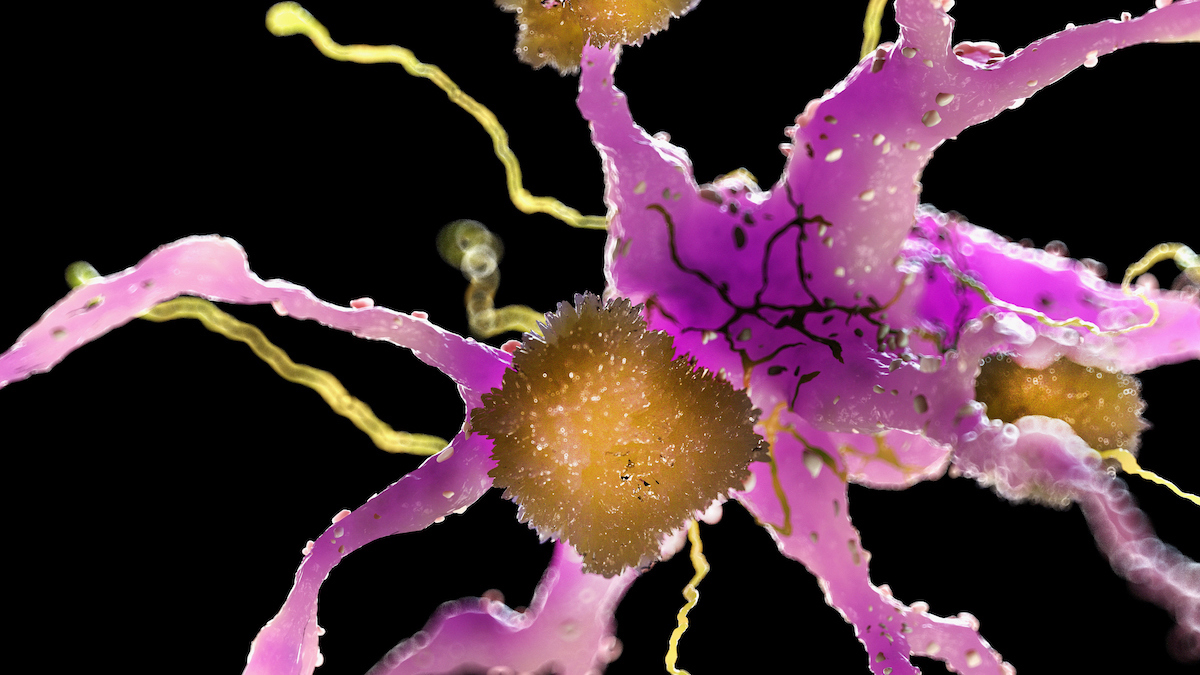
Featured image for Nanotechnology Advances Offer Rapid Reversal of Alzheimer’s in Mice
Source: ScienceAlert

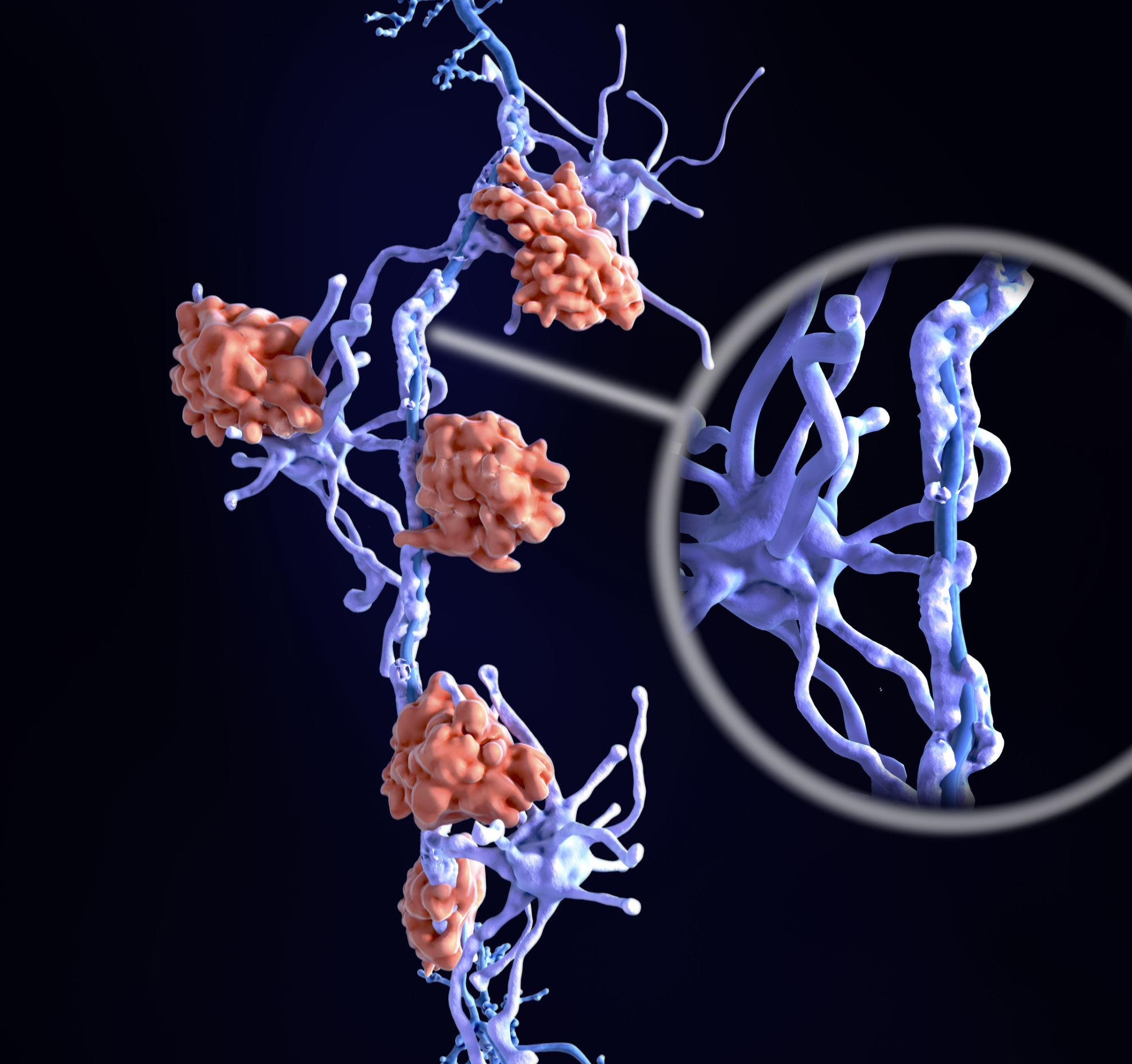
Scientists have developed a novel nanoparticle-based approach that repairs the blood-brain barrier in mice, leading to rapid clearance of Alzheimer's-related plaques and improved cognitive function, suggesting a potential new direction for treatment research, though human applicability remains uncertain.

Stem Cell Therapy Shows Promise in Reversing Stroke Damage in Mice

Originally Published 3 months ago — by ScienceAlert

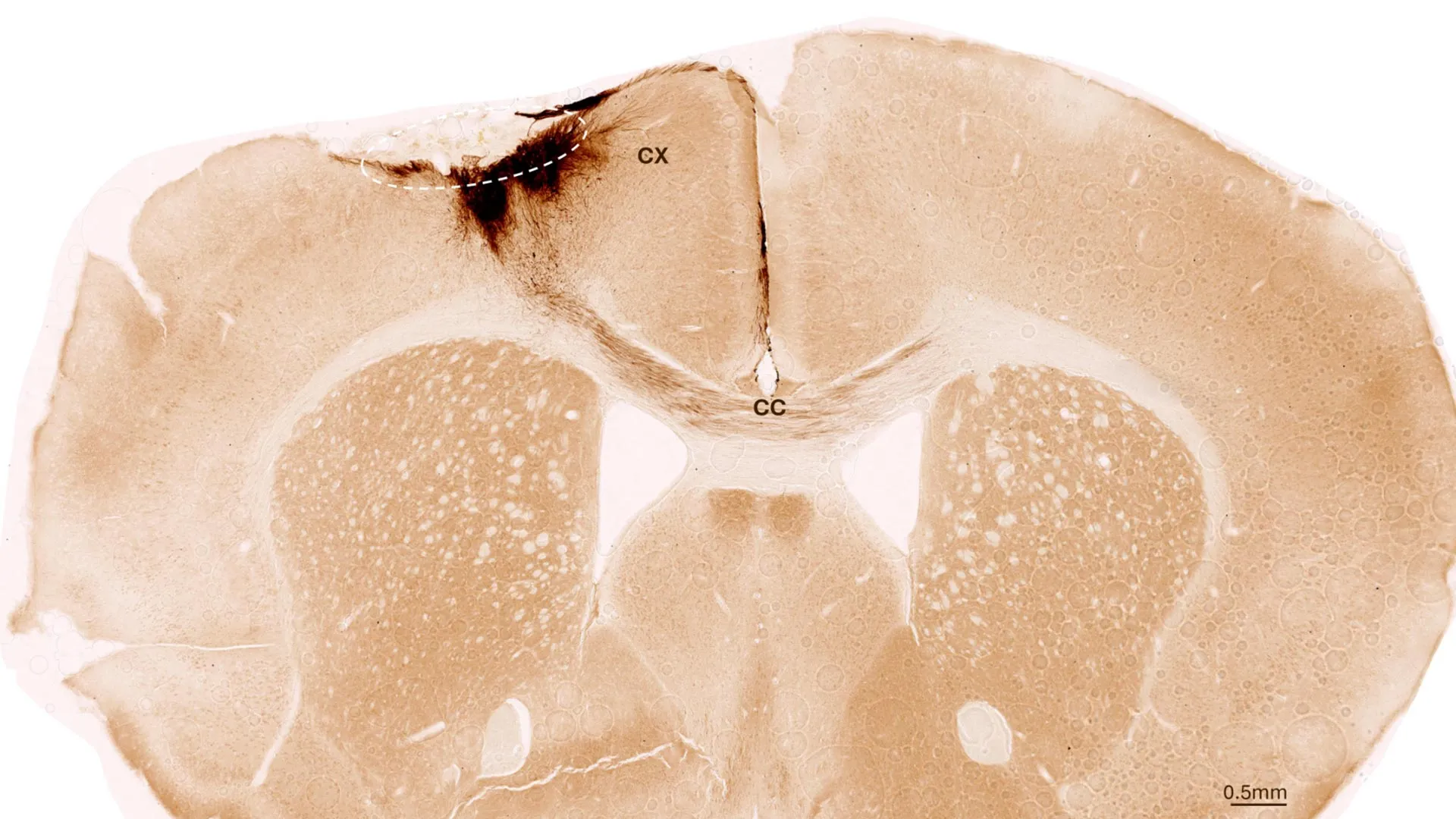
Featured image for Stem Cell Therapy Shows Promise in Reversing Stroke Damage in Mice
Source: ScienceAlert

Researchers from Zurich and USC found that injecting human stem cells into mice with stroke-induced brain damage led to the development of functioning neurons, blood vessel repair, reduced inflammation, and improved motor functions, suggesting potential for future stroke treatments in humans.

Nanoparticles Reconnect Brain Cells, Boosting Parkinson's Hope

Originally Published 5 months ago — by ScienceAlert

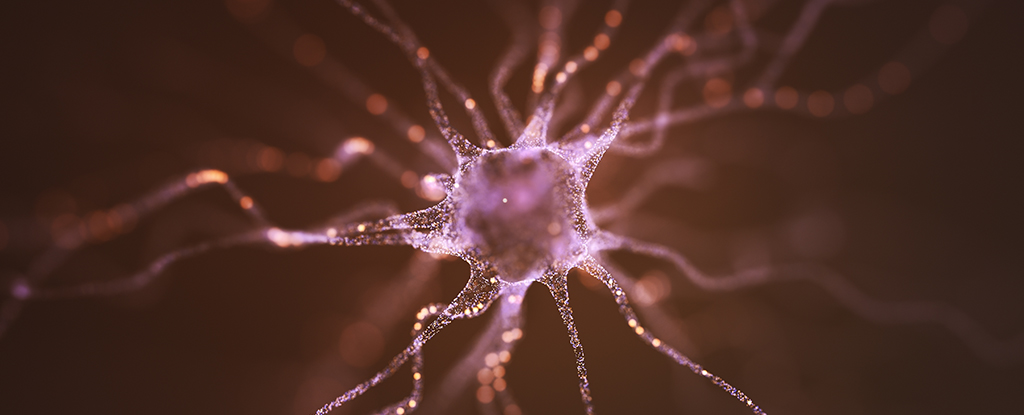
Featured image for Nanoparticles Reconnect Brain Cells, Boosting Parkinson's Hope
Source: ScienceAlert

Scientists have developed a novel technique called 'nano-pulling' using magnetic nanoparticles to guide and promote the growth of nerve fibers in lab-grown mini-brains, showing promise for repairing brain connections damaged in Parkinson's disease, potentially aiding future treatments.

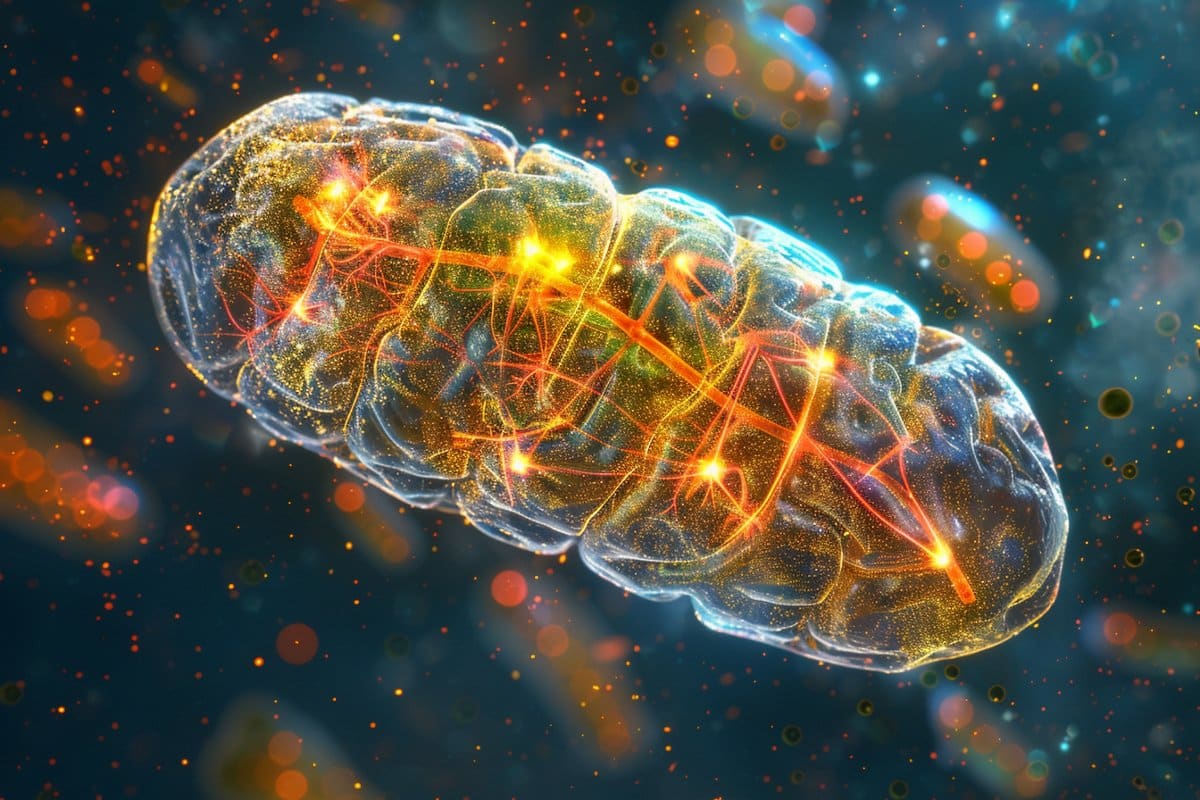
"Unlocking Neurogenesis: The Crucial Role of Mitochondria in Brain Repair"

Originally Published 1 year ago — by Neuroscience News

Featured image for "Unlocking Neurogenesis: The Crucial Role of Mitochondria in Brain Repair"
Source: Neuroscience News

Researchers have discovered that mitochondrial fusion dynamics play a crucial role in the maturation of adult-born neurons in the brain, supporting synaptic plasticity in the adult hippocampus. This insight could lead to new strategies for treating neurological disorders like Alzheimer's and Parkinson's by targeting mitochondrial dynamics to enhance brain repair and cognitive functions. The study suggests that altered neurogenesis is linked to these disorders and that understanding the role of mitochondrial fusion in controlling synaptic function could guide specific interventions to restore neuronal plasticity and cognitive functions in disease.

Promising Medication Shows Potential to Reverse Multiple Sclerosis

Originally Published 2 years ago — by SciTechDaily

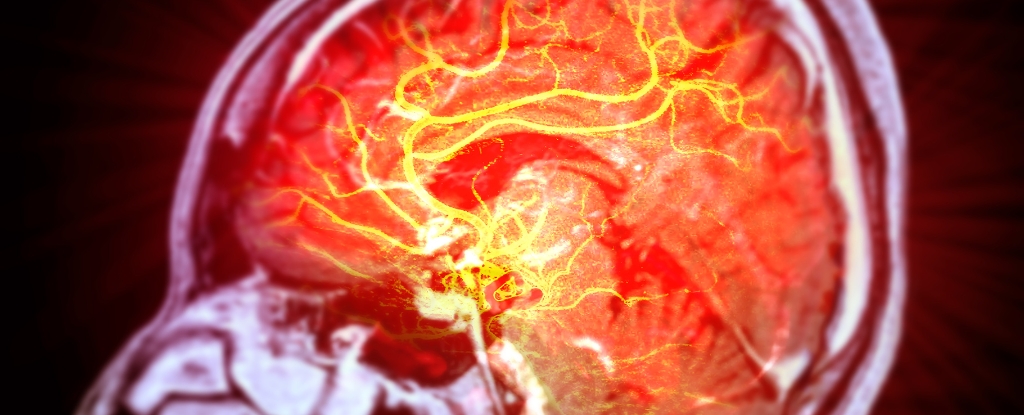
Featured image for Promising Medication Shows Potential to Reverse Multiple Sclerosis
Source: SciTechDaily

Scientists have used MRI scans to demonstrate the brain repair effects of clemastine, an antihistamine, in patients with multiple sclerosis (MS). The study found that clemastine increased myelin water, indicating myelin repair, even after the medication was discontinued. This innovative method of measuring myelin water fraction offers imaging-based evidence of myelin restoration and could be used to evaluate the efficacy of future therapies for MS. The findings highlight the potential for clemastine and the importance of focusing on myelin repair beyond visible lesions. Further research will explore clemastine's potential in treating myelin damage in premature infants.

Antihistamine shows promise in repairing damaged nerves for multiple sclerosis treatment.

Originally Published 2 years ago — by Daily Mail

Featured image for Antihistamine shows promise in repairing damaged nerves for multiple sclerosis treatment.
Source: Daily Mail

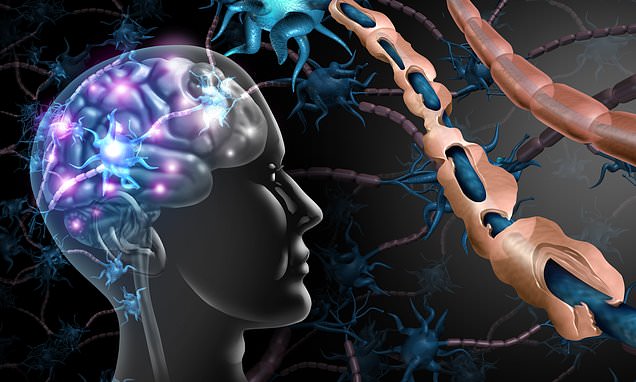
Researchers from the University of California, San Francisco, have found that clemastine, an over-the-counter antihistamine used to treat hay fever and allergy symptoms, could repair damaged brain nerves and reduce myelin damage in multiple sclerosis (MS) patients. The drug stimulates myelin-making stem cells, leading to an increase in myelin water in the brain, which indicates myelin repair. This is the first direct, biologically validated, imaging-based evidence of myelin repair induced by clemastine, setting the standard for future research into remyelinating therapies.