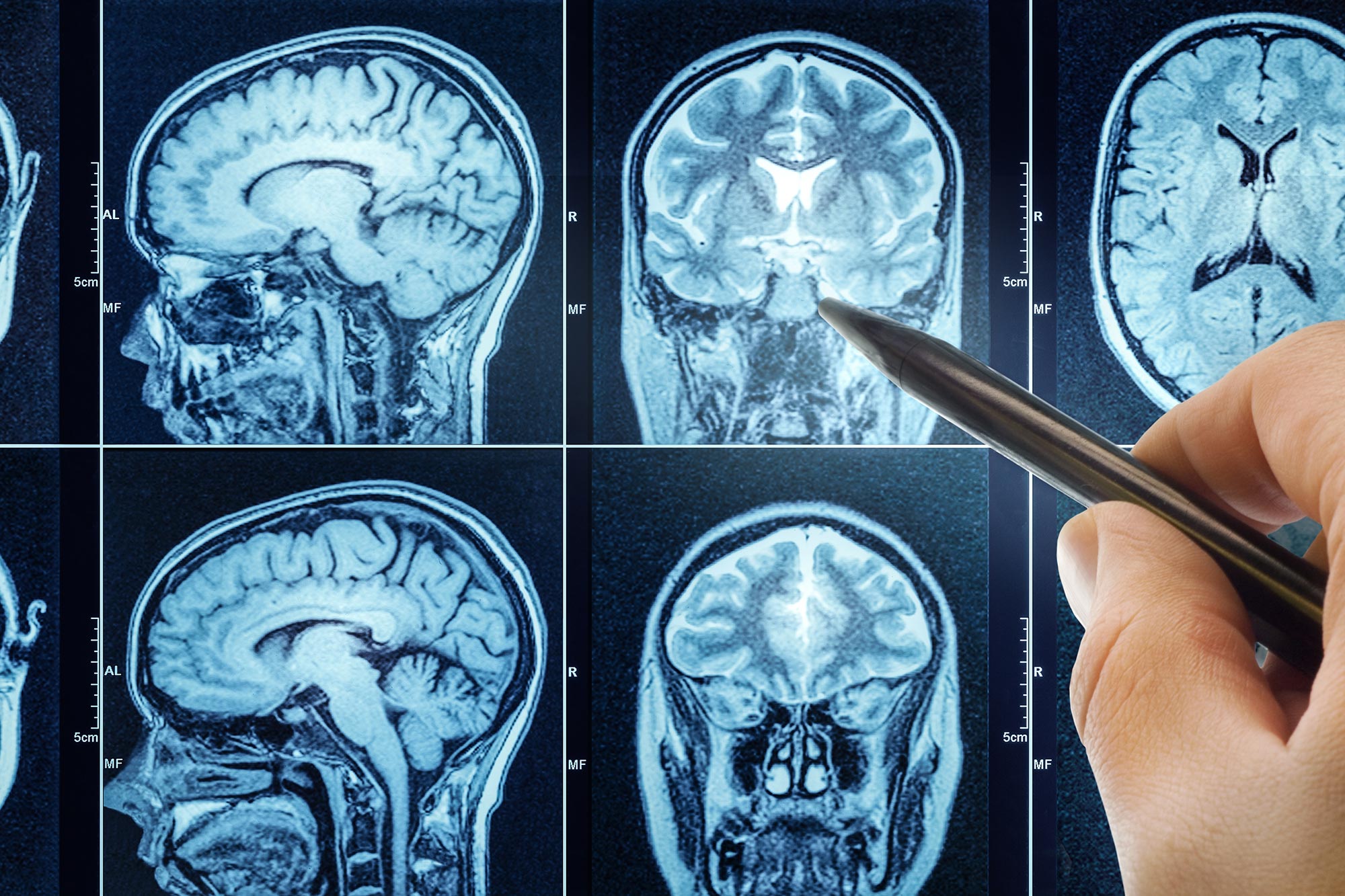
Scientists at Brown University have identified specific patterns in brain electrical activity, particularly in the beta frequency band, that can predict the development of Alzheimer's disease up to two and a half years before diagnosis, using a novel analytical approach called the Spectral Events Toolbox applied to magnetoencephalography data.
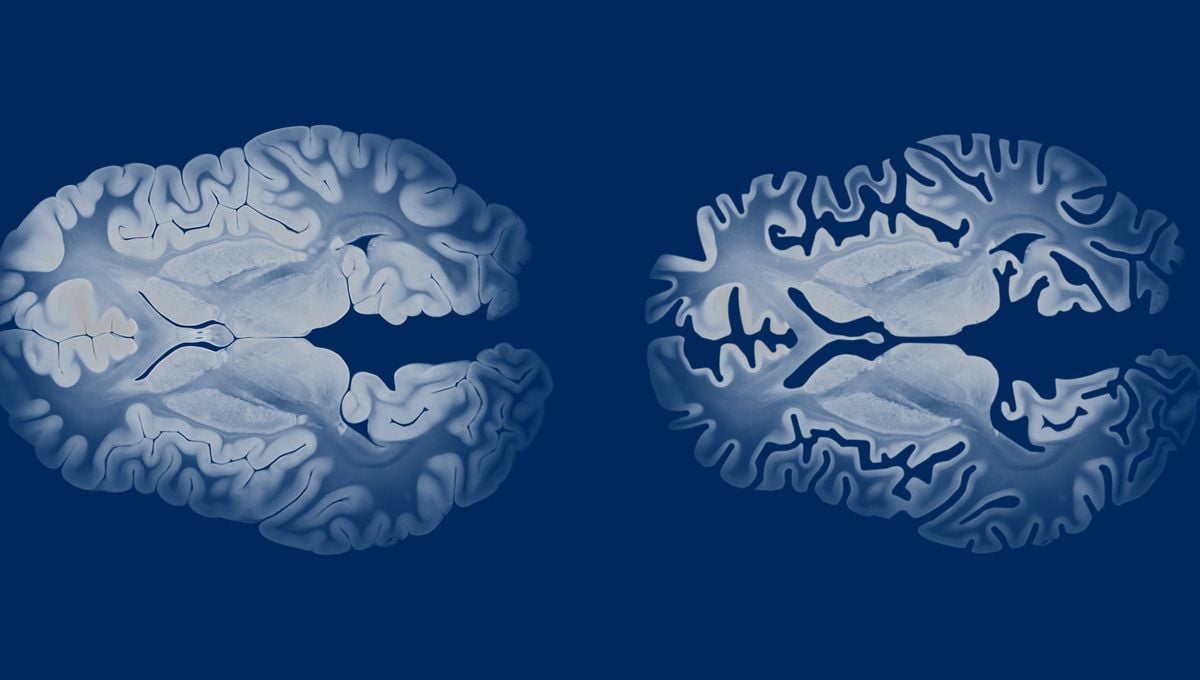
A promising experimental drug called NU-9 has shown potential in preventing Alzheimer's disease in mice by targeting toxic amyloid-β protein subtypes early in the disease process, with future human trials and early diagnostic tests on the horizon.
Scientists at Northwestern University discovered a novel compound, NU-9, that can target a previously unknown subtype of brain protein associated with early Alzheimer's disease in mice, potentially allowing for preventative treatment similar to managing high cholesterol. The compound reduces toxic proteins and inflammation, paving the way for future research on its effectiveness in later stages and its potential to control the disease before symptoms appear.
Scientists at Northwestern University discovered a novel compound, NU-9, that can target a previously unknown brain protein subtype associated with early Alzheimer's disease in mice, potentially allowing for preventative treatment similar to managing high cholesterol. The compound reduces toxic protein accumulation and brain inflammation, paving the way for future research into its effectiveness in later disease stages and its potential to control Alzheimer's before symptoms appear.
New blood tests capable of detecting multiple cancers simultaneously show promise for earlier diagnosis and improved cancer care, but currently face challenges such as high false-positive rates, lack of standardization, and integration into clinical practice. Experts believe these tests will improve over time and could revolutionize cancer diagnostics, though more research and validation are needed.
King Charles III publicly shared his cancer diagnosis and treatment journey, emphasizing the importance of early detection and screening programs, which has inspired increased public interest and awareness about cancer prevention and treatment in the UK.
Chronic snoring can be a warning sign of Obstructive Sleep Apnea (OSA), a condition linked to serious health risks like high blood pressure, stroke, and heart failure. Recognizing symptoms such as loud snoring, breathing pauses, daytime fatigue, and morning headaches is crucial for early diagnosis and intervention, which can significantly reduce long-term health complications.
Chronic kidney disease has become the ninth leading cause of death worldwide, with cases nearly doubling from 1990 to 2023, driven by risk factors like high blood sugar, blood pressure, and BMI. Most cases are in early stages but often go undiagnosed, emphasizing the need for increased testing and access to treatment to prevent progression to dialysis or transplantation. The disease's rising prevalence highlights its importance as a major public health concern.
Dr. Sharma emphasizes the importance of four key cancer screening tests—mammography, Pap smear, stool test, and chest CT scan—for early detection at stage zero, which can significantly increase the chances of eradicating cancer before it spreads.
Scientists have identified blood protein signals that can predict multiple sclerosis up to seven years before symptoms appear, potentially enabling earlier diagnosis and treatment, and providing new insights into the disease's development.
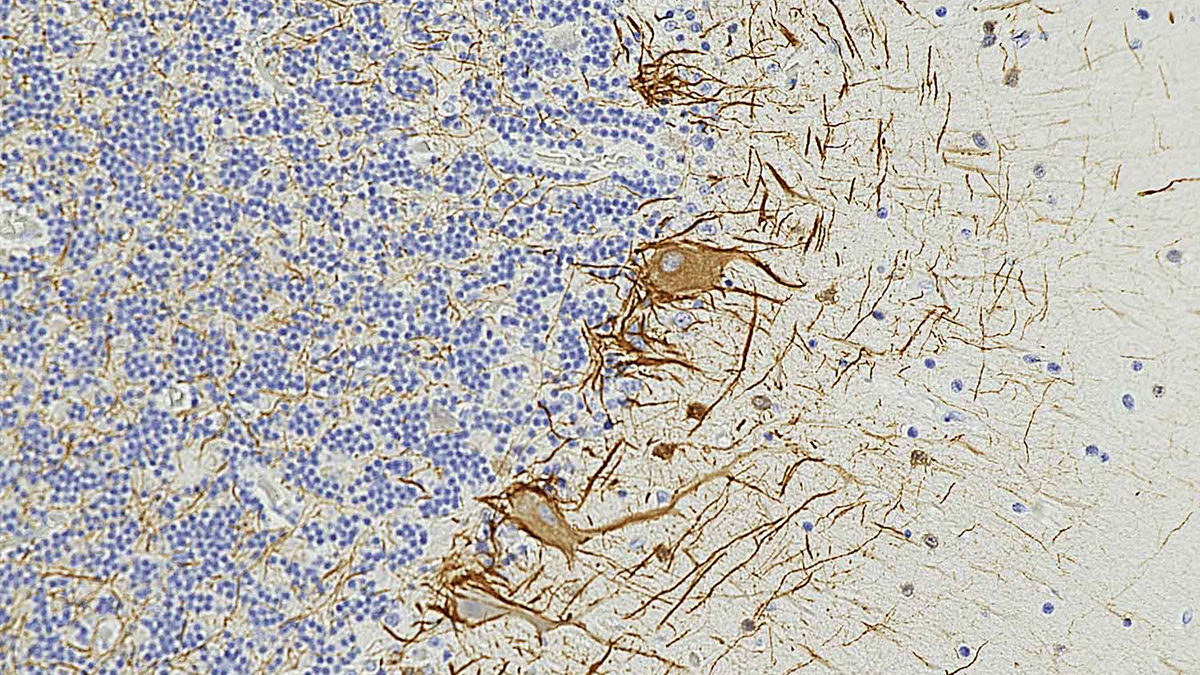
Researchers have developed a new imaging technique that allows for the first time the direct visualization and measurement of protein clusters called alpha-synuclein oligomers in human brain tissue, which are believed to initiate Parkinson's disease. This breakthrough could lead to earlier diagnosis and targeted treatments by revealing how the disease develops and spreads in the brain.
A woman diagnosed with stage three bowel cancer emphasizes the importance of recognizing all symptoms, not just the common ones like blood in stool, as early detection significantly improves prognosis. She advocates for awareness and encourages people to trust their own bodies and seek medical advice if they notice changes, even if they don't fit the typical 'tick list' of symptoms.
Emerging blood tests, such as Guardant Health's Shield, show promise in detecting cancers like colon and pancreatic cancer earlier and less invasively, potentially improving survival rates, though many are still in early development and face challenges like false positives and limited detection rates compared to traditional methods.
A blood test called Galleri, capable of detecting 50 types of cancer with nearly 50% accuracy, is being tested on NHS patients and shows promise for annual screening of over-50s to catch cancer early, potentially saving many lives and improving survival rates.
A national audit reveals significant disparities in prostate cancer diagnosis in England, with wealthier men and certain ethnic groups, such as Black men, being diagnosed more frequently and earlier. Campaigners advocate for targeted screening programs to address these inequalities, despite NHS advisories likely rejecting routine screening due to concerns over accuracy and overtreatment. The upcoming decision by the UK National Screening Committee will be crucial in shaping future prostate cancer detection strategies.