A 47-year Swedish study reveals that physical decline begins around age 35, but regular exercise can still significantly improve fitness levels even later in life, emphasizing the importance of staying active at any age.
A study finds that weaker muscles in middle-aged and older adults are linked to a higher risk of developing dementia, suggesting that maintaining muscle strength could be important for brain health and early risk detection.
This article outlines science-backed benchmarks such as resting heart rate, VO₂ max, grip strength, push-up and sit-to-stand tests, flexibility, and daily steps to assess and improve overall fitness and health, emphasizing functional performance over appearance.
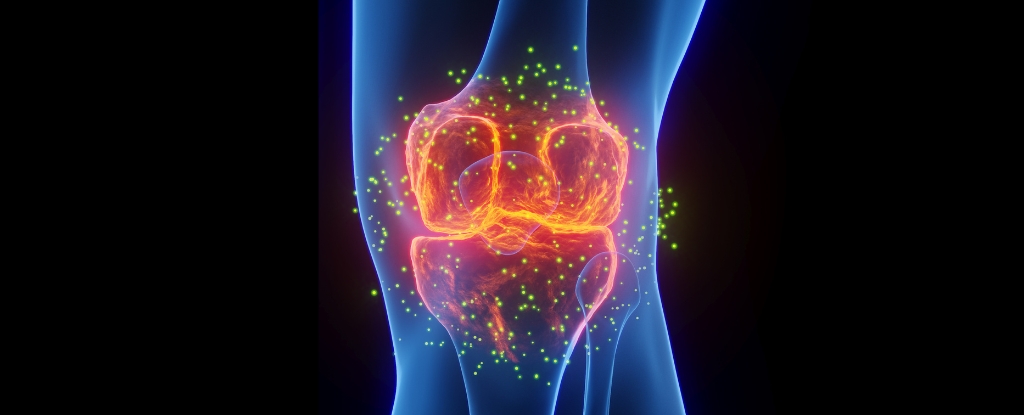
Experts emphasize that regular movement and exercise are the most effective treatments for joint pain and osteoarthritis, yet many patients are not receiving this guidance, leading to unnecessary surgeries and worsening conditions. Exercise helps protect joint cartilage, strengthen muscles, reduce inflammation, and improve overall joint health, making it a crucial, non-invasive approach to managing and preventing osteoarthritis.
A personal account of trying the 6-6-6 walking workout, which involves 6 minutes warm-up, 60 minutes brisk walking, and 6 minutes cool-down, demonstrating its simplicity, health benefits, and sustainability as a long-term fitness habit.
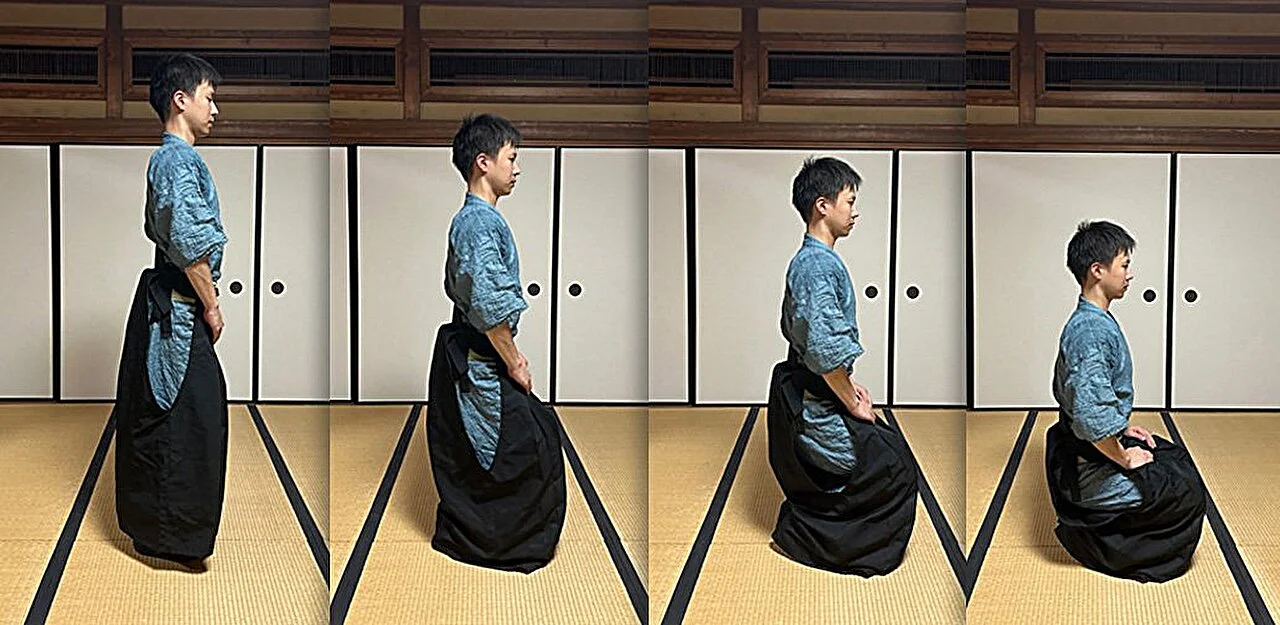
Researchers at Tohoku University found that a five-minute daily Rei-ho routine, inspired by traditional Japanese samurai movements, significantly improves knee extension strength in seniors, potentially enhancing mobility and independence without the need for equipment.
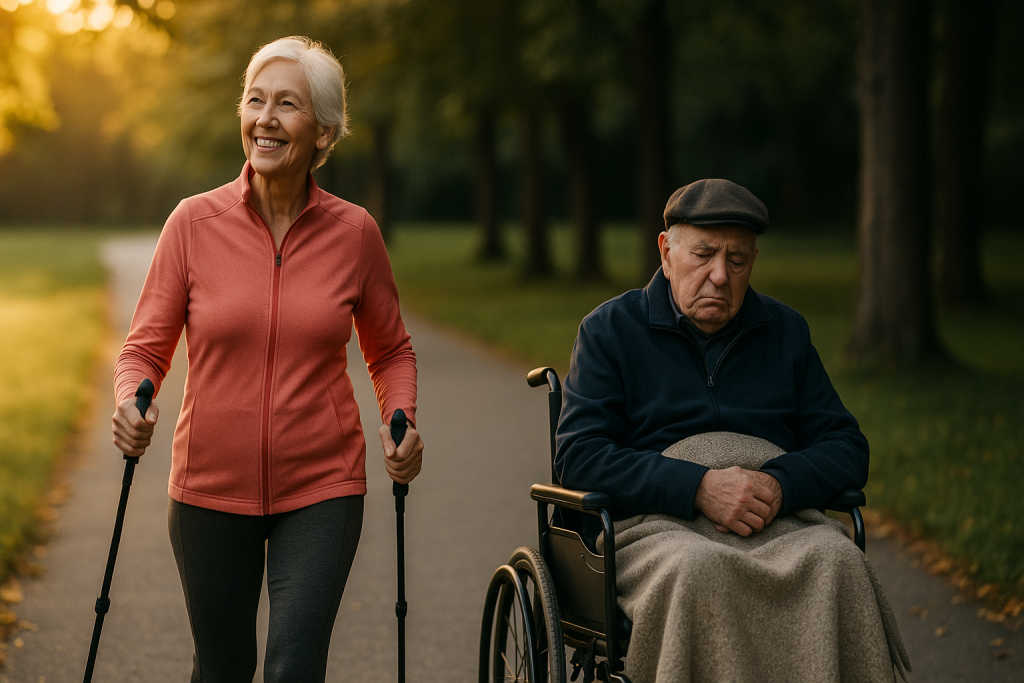
Decisions made at age 60—such as strength training, maintaining social connections, and engaging in challenging new learning—significantly influence whether you'll thrive or decline by age 80. These choices create a positive or negative cascade affecting mobility, mental sharpness, and social engagement, emphasizing that healthy aging is largely within personal control and should be prioritized now.
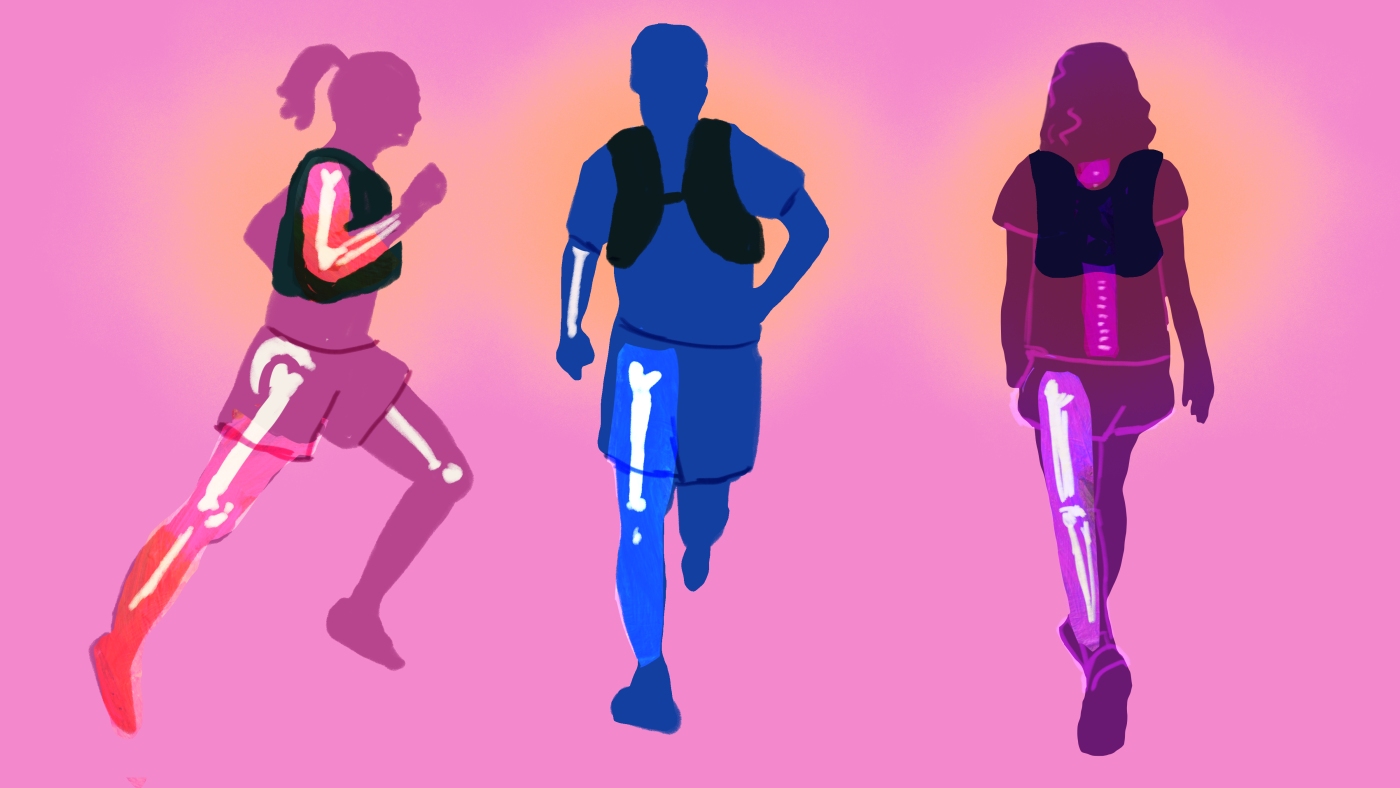
While weighted vests are popular and may boost cardiovascular activity, current research does not support their effectiveness in improving bone density or muscle strength, with traditional resistance exercises being more proven. They may serve as a motivational tool for physical activity, especially for older adults, but should not replace evidence-based strength training methods.
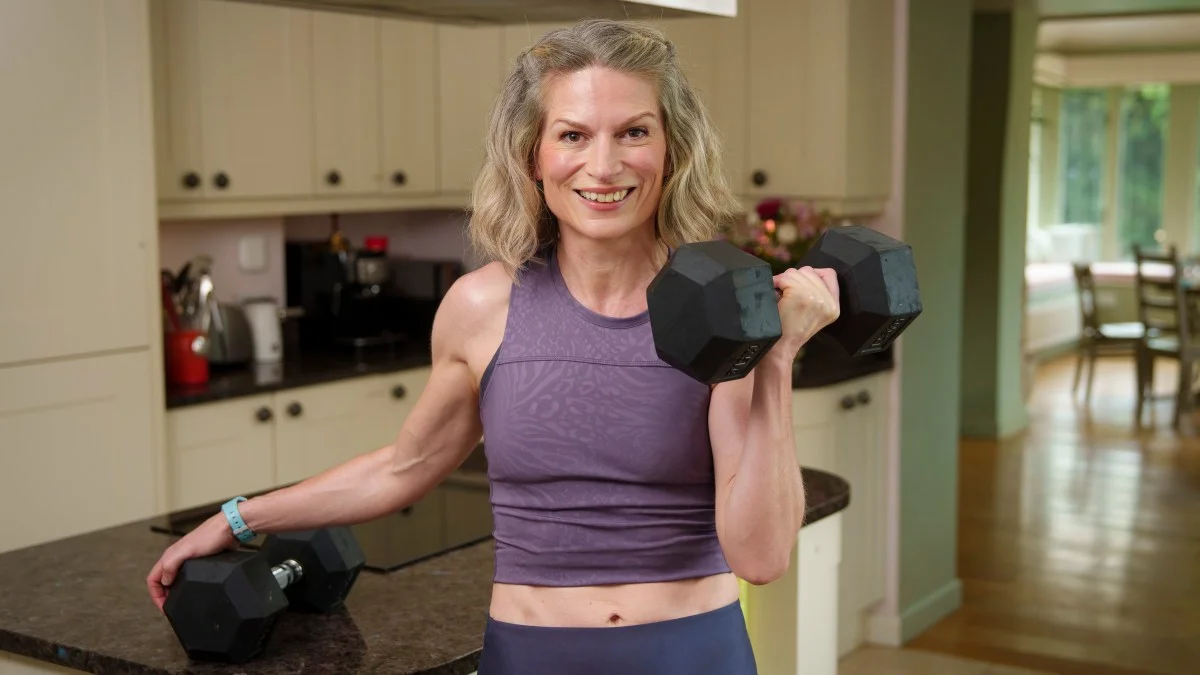
A 45-year-old shares her journey of transforming her fitness by incorporating heavy weight training at home, emphasizing the benefits for muscle preservation, bone density, fat loss, and brain health, and provides practical tips for safely starting and maintaining a heavy weights routine in midlife.
Originally Published 5 months ago — by MindBodyGreen
A simple self-assessment of lifting 11 pounds can predict future health risks, including Alzheimer's and arthritis, with weaker individuals facing higher risks. Maintaining muscle strength through resistance training and proper nutrition can help improve health outcomes and extend healthspan.
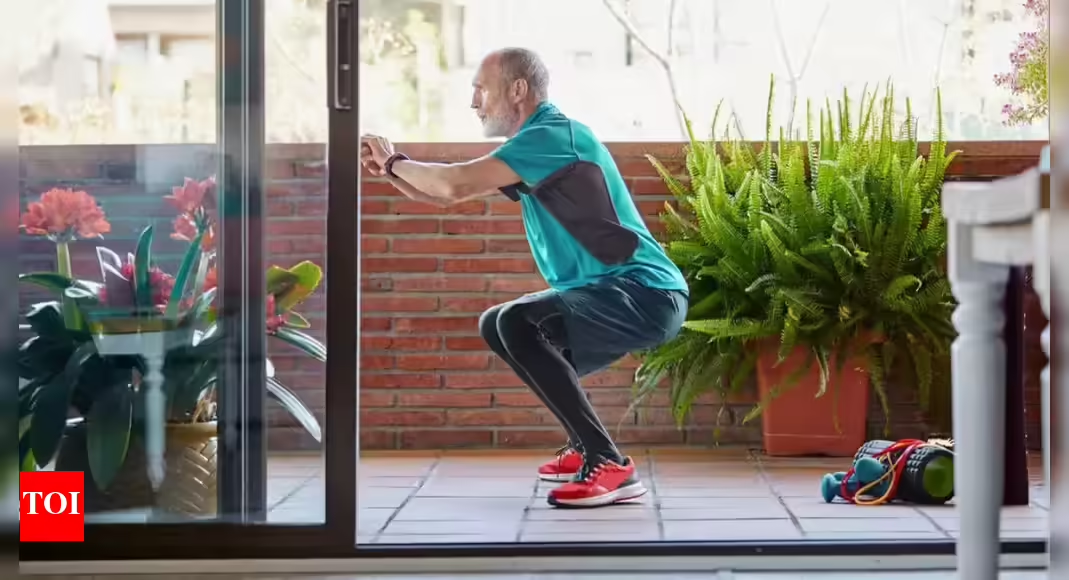
A simple exercise like squats, especially chair squats, can effectively maintain strength, flexibility, and independence in older adults without the need for a gym, supporting healthy ageing and functional mobility.
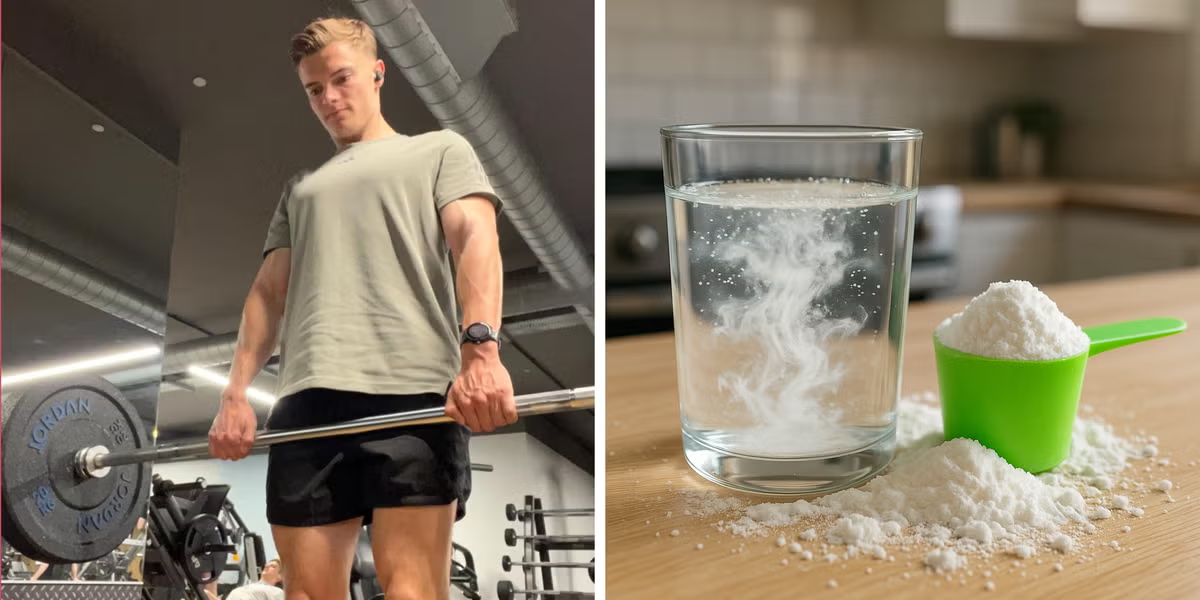
A personal experiment with a 25g daily creatine super-dose for 28 days showed increased strength, faster recovery, improved motivation, and no significant bloating or gastrointestinal issues, suggesting that while effective, such high doses may not be practical for everyone. Moderate, periodic super-dosing could offer similar benefits with fewer drawbacks.
A simple 10-second fitness test involving sitting and standing without support can predict the risk of death from heart disease or other natural causes within the next decade, with better scores indicating lower risk. The test measures muscle strength, flexibility, and balance, which are linked to overall health and longevity.
Drinking four to six cups of coffee daily may help reduce the risk of frailty in older adults by improving muscle strength, mobility, and overall health, according to a seven-year study. Coffee's beneficial compounds, like caffeine and polyphenols, support physical and cognitive functions, but moderation is key to avoid potential health issues. Coffee should complement a balanced diet and regular exercise for healthy aging.
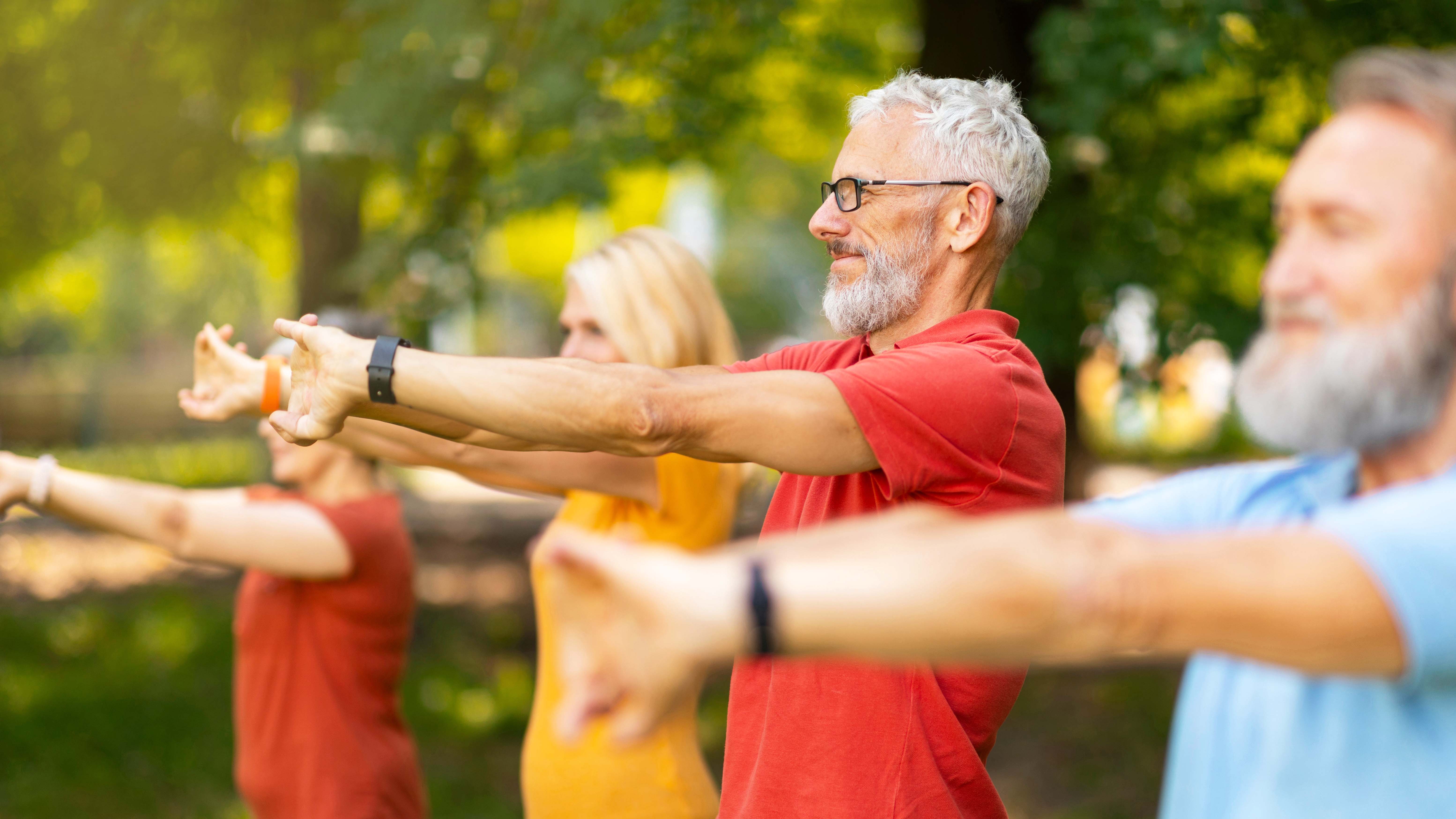
Research suggests that Tai Chi is an effective low-impact exercise for older adults, helping to improve muscle strength, balance, and overall health, while also offering mental health benefits and potentially increasing longevity.