Tag

Exercise Science

All articles tagged with #exercise science

science1 month ago

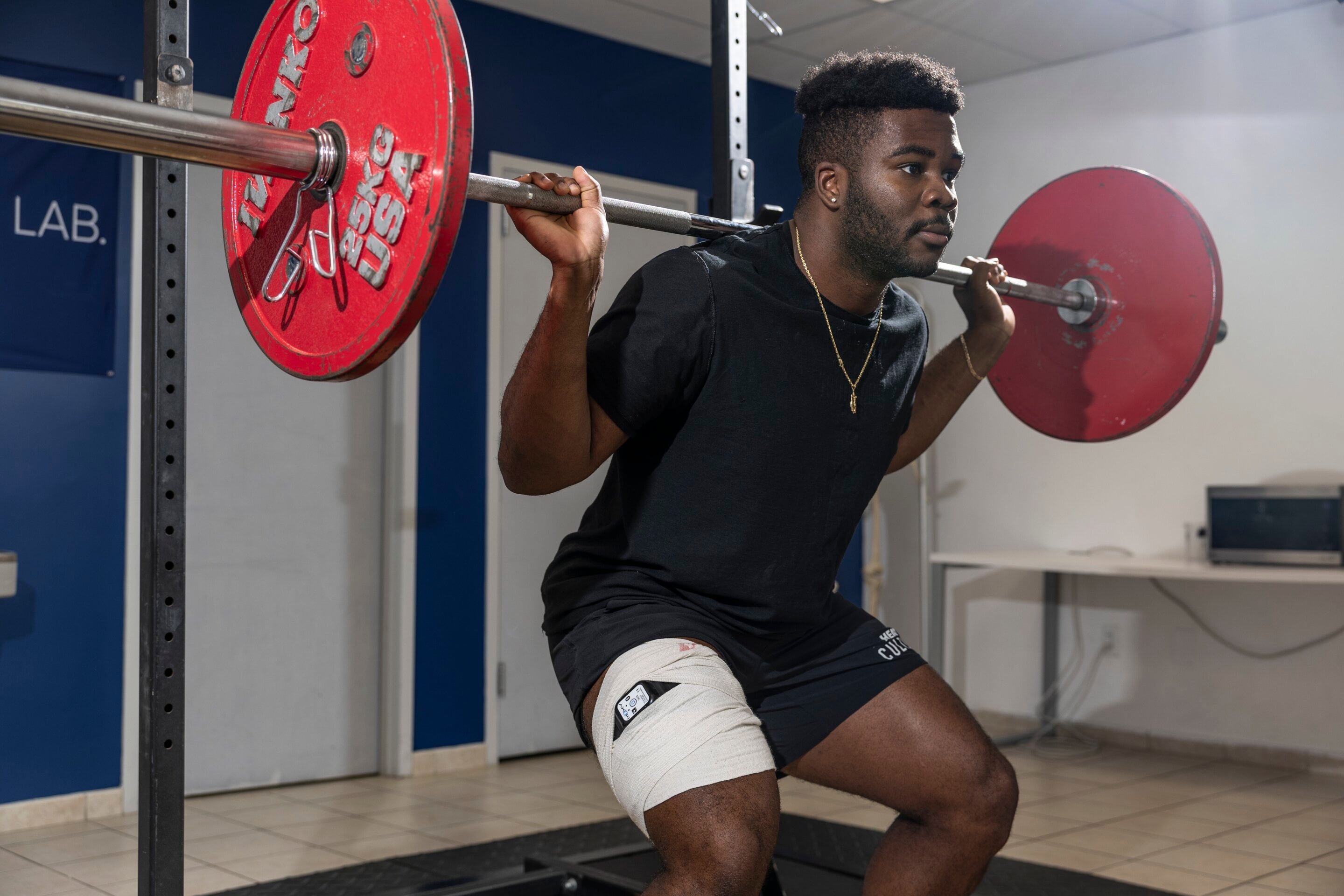
Resistance Training Load Not Key to Muscle Growth

A study suggests that resistance training load does not significantly influence hypertrophy, emphasizing individual genetic differences and the importance of training effort over specific load or rep ranges. The discussion highlights that consistent effort, proper technique, and overall lifestyle factors like diet and sleep are more crucial for muscle growth than the exact training protocol.


Debunking the Myth of 36 Hours of Fat Burning and Sprinting
health-and-fitness2 months ago

Debunking the Myth of 36 Hours of Fat Burning and Sprinting

High-intensity sprinting can boost metabolism and fat burn for up to 36 hours through a process called EPOC, which increases resting energy expenditure after strenuous activity. While effective, sprinting should be part of a balanced regimen and performed gradually to avoid injury, as it stimulates hormonal and metabolic responses that aid in fat loss and insulin sensitivity, but it is not a quick fix for weight loss.

Does Fasted Exercise Boost Fat Loss? Scientific Insights
health-and-fitness4 months ago

Does Fasted Exercise Boost Fat Loss? Scientific Insights

Research shows that fasted workouts do not lead to greater long-term fat loss or muscle gains compared to fed workouts, and short-term fat burning during exercise does not necessarily translate into overall fat loss. The decision to exercise fasted or not should depend on personal preference and how it affects your performance and well-being, rather than on unsupported claims of superior fat burning.

Are Weighted Vests Worth the Hype for Fitness and Bone Health?
health-and-fitness6 months ago

Are Weighted Vests Worth the Hype for Fitness and Bone Health?

While weighted vests are popular and may boost cardiovascular activity, current research does not support their effectiveness in improving bone density or muscle strength, with traditional resistance exercises being more proven. They may serve as a motivational tool for physical activity, especially for older adults, but should not replace evidence-based strength training methods.

Japanese Walking Trend Gains Popularity for Health Benefits
health-and-fitness6 months ago

Japanese Walking Trend Gains Popularity for Health Benefits

The viral 'Japanese walking' trend involves alternating brisk and slow walking in three-minute intervals, promising health benefits similar to a 10,000-step walk. While inspired by a 2007 study and popularized by TikTok influencer Eugene Teo, experts caution that the scientific evidence is limited and the routine may be challenging to follow for some. Nonetheless, short bursts of vigorous activity like this can be beneficial, but viewers should consult healthcare professionals before adopting new exercise routines.

Train Smarter, Not Longer, to Build Muscle and Strength
health-and-fitness8 months ago

Train Smarter, Not Longer, to Build Muscle and Strength

Research from Florida Atlantic University suggests that for building muscle and strength, training smarter with fewer sets—around 1-2 high-intensity sets per session—is more effective than longer workouts, as benefits plateau beyond certain volume thresholds. The study emphasizes the importance of training intensity and frequency over sheer volume, advocating for personalized, efficient workout plans that maximize results while minimizing fatigue and time commitment.

The Science Behind Cold Therapy: Benefits and Risks Explored
health-and-fitness8 months ago

The Science Behind Cold Therapy: Benefits and Risks Explored

A recent study suggests that taking ice baths immediately after strength training may hinder muscle growth by reducing blood flow and protein delivery to muscles, challenging the popular belief that cold plunges aid recovery and muscle gains. The research indicates that while ice baths might help with soreness for endurance athletes, they could be counterproductive for those aiming to build muscle, especially if taken right after workouts.

Just Three Seconds a Day to Build Muscle Effortlessly
health-and-fitness8 months ago

Just Three Seconds a Day to Build Muscle Effortlessly

A study from Edith Cowan University suggests that just three seconds of focused muscle contraction daily, especially eccentric movements, can significantly increase strength without traditional lengthy workouts, highlighting the potential for ultra-efficient training routines, though muscle size may not increase in the short term.

Regaining Muscle Memory: How Long It Really Takes
health-and-fitness1 year ago

Regaining Muscle Memory: How Long It Really Takes

Muscle memory, often misunderstood, is a neurological process involving the brain and spinal cord that helps improve movement efficiency through repetitive practice. It enables quicker recovery after breaks, aids in mastering new skills, and supports lifelong fitness by retaining neural pathways and muscle cell structures. Experts emphasize the importance of consistent, purposeful practice with proper form to maximize muscle memory benefits. While it can't fully replace lost strength or endurance, it facilitates faster regaining of skills and muscle mass when returning to training.

Muscle Memory: Your Secret Weapon for Fitness Comebacks
health-and-fitness1 year ago

Muscle Memory: Your Secret Weapon for Fitness Comebacks

Research indicates that muscle memory allows individuals to regain strength and muscle size quickly after a break from weight lifting. This phenomenon, which involves both neuromuscular conditioning and cellular changes in muscle cells, suggests that previously trained muscles can grow back faster upon resuming exercise. A study found that participants who took a 10-week break from a 20-week training regimen regained their muscle size and strength within five weeks of retraining, highlighting the resilience of muscle memory.

"Biological Age Secrets of 93-Year-Old Champion Rower Intrigue Scientists"
health-and-fitness2 years ago

"Biological Age Secrets of 93-Year-Old Champion Rower Intrigue Scientists"

A 93-year-old Irish man, Richard Morgan, has astounded scientists with his exceptional fitness level, boasting a heart and body comparable to someone in their 30s or 40s. Despite starting his fitness journey at 73, he maintains an impressive 80 percent muscle mass and a vigorous rowing routine, along with simple strength exercises and a slightly increased protein intake. His remarkable physical condition, attributed partly to genetics, serves as an inspiring and easily replicable model for healthy aging.