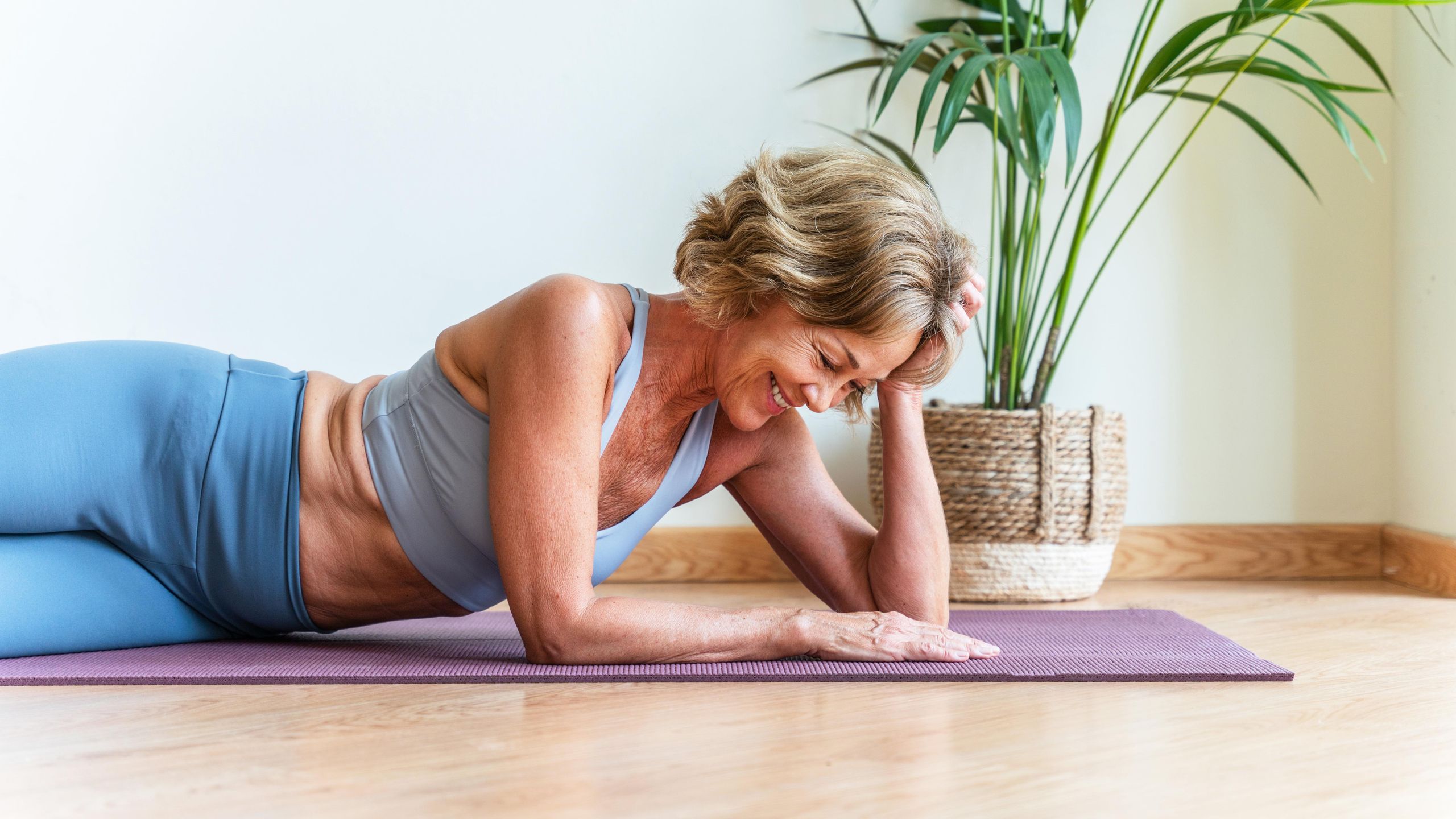
A simple, no-equipment 5-move workout designed for people over 60 to improve strength, mobility, and overall health, emphasizing the importance of consistent strength training for aging well.
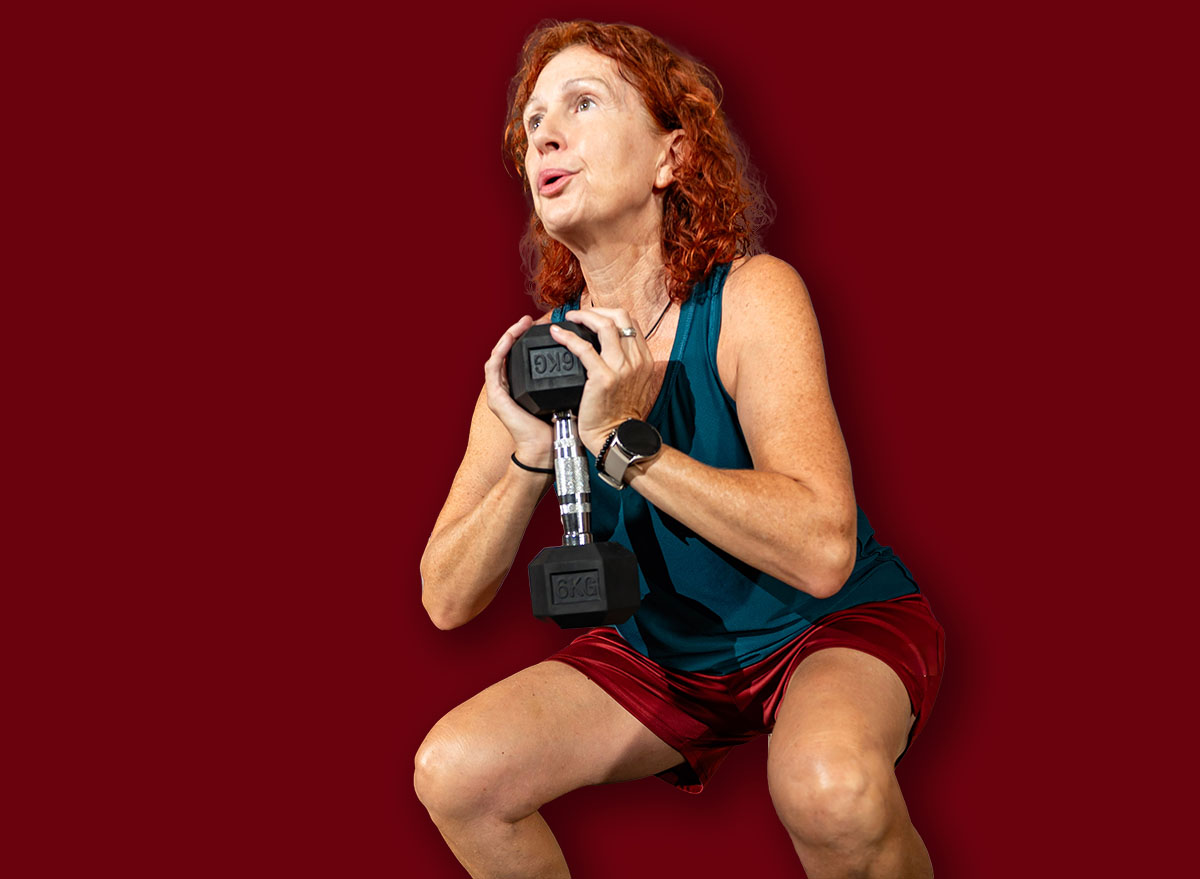
Regular strength exercises like dumbbell squats, bench presses, bent-over rows, and planks can help people over 60 maintain muscle mass and strength, potentially surpassing the strength levels of most 40-year-olds by combating sarcopenia through consistent movement and resistance training.
Performing high numbers of pushups after age 50 indicates elite upper-body strength and overall health. To achieve this, incorporate exercises like incline pushups, resistance band chest presses, planks, dumbbell rows, and tricep dips to build pressing power, shoulder stability, back strength, and core endurance, which are essential for improving pushup performance and promoting healthy aging.
A study from the University of Evora found that sensorimotor training, which enhances coordination and balance through exercises that integrate motor and sensory systems, is the most effective form of exercise for improving strength, balance, and mobility in adults over 55, outperforming aqua aerobics and Pilates.
A study from Tohoku University shows that practicing Rei-ho, a mindful Japanese movement routine involving slow, deliberate sitting, standing, and walking, can significantly increase knee strength in just five minutes a day, potentially reducing fall risk among seniors.
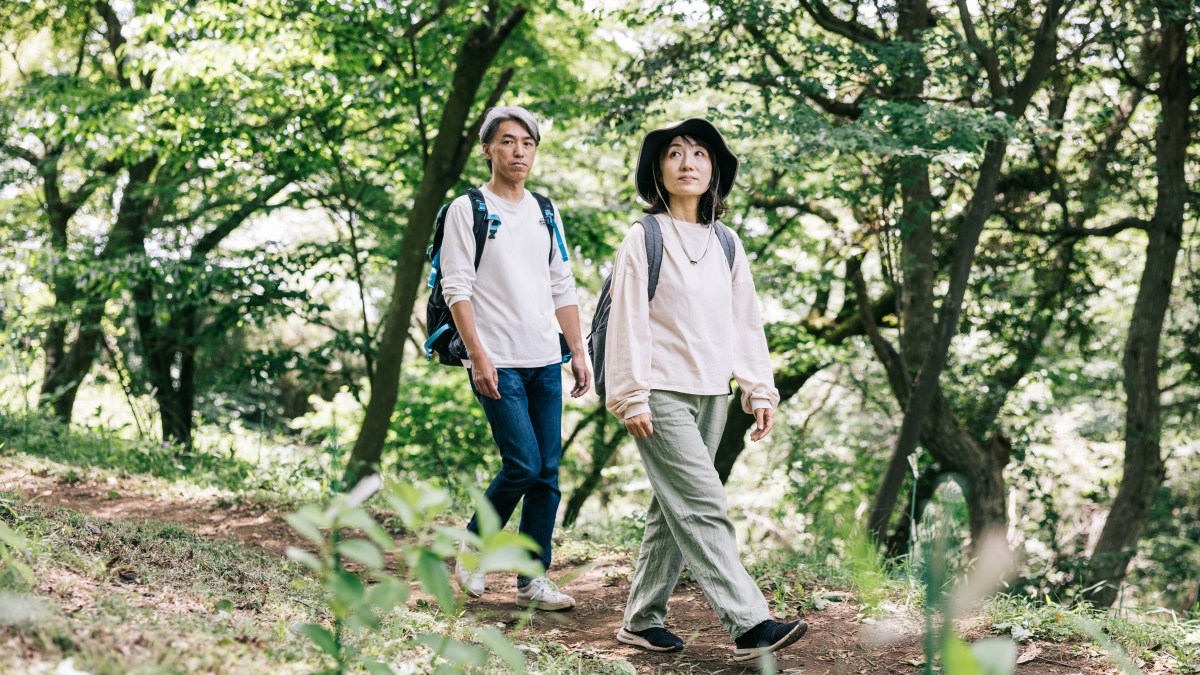
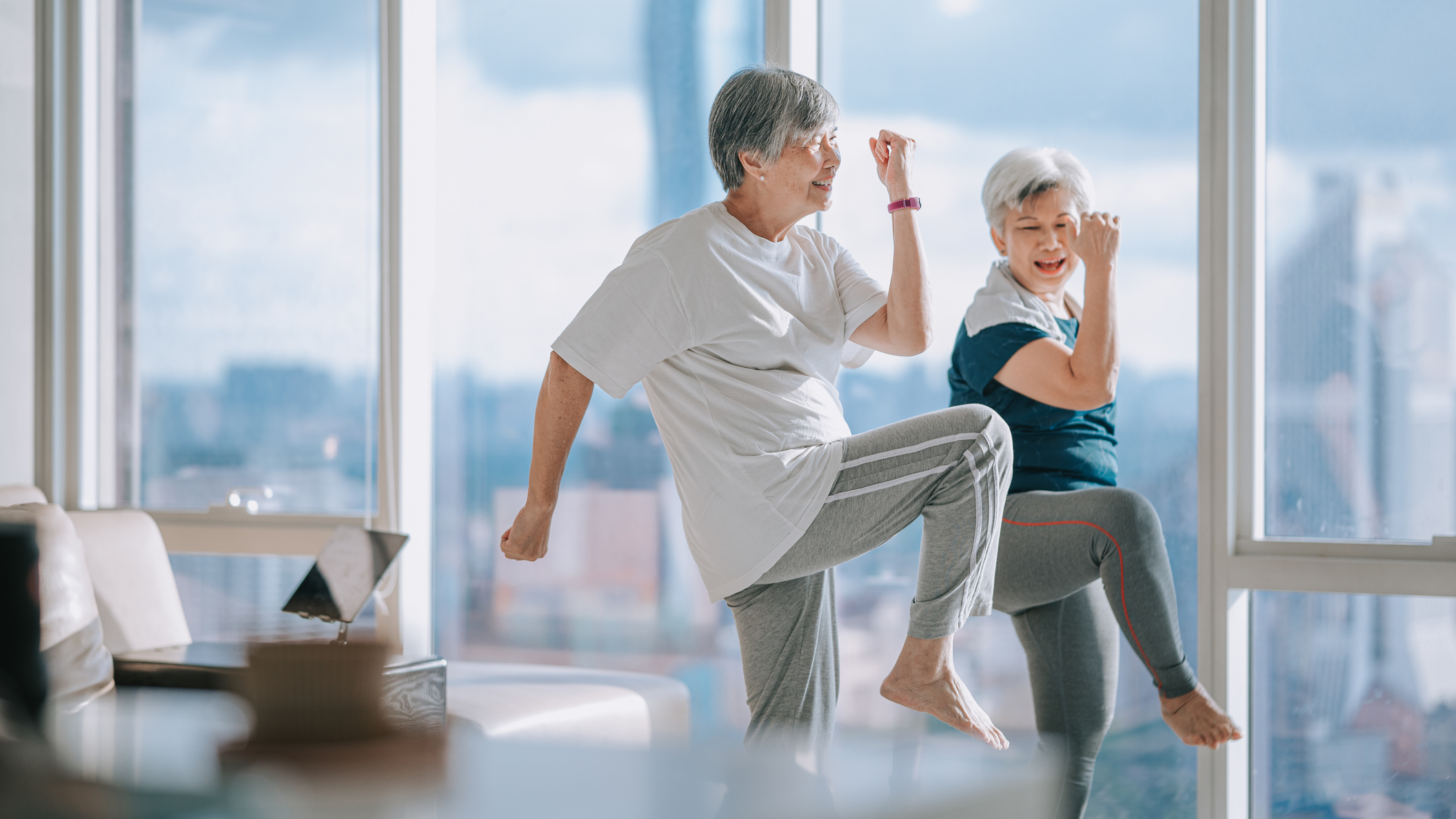
Japanese walking, a new fitness trend involving interval-style bursts of fast and slow walking, was developed to help elderly people gain health benefits similar to high-intensity interval training. Research shows it can aid weight loss, lower blood pressure, and improve muscle strength and aerobic capacity, making it a more approachable form of high-intensity exercise especially for older adults or those recovering from injuries.
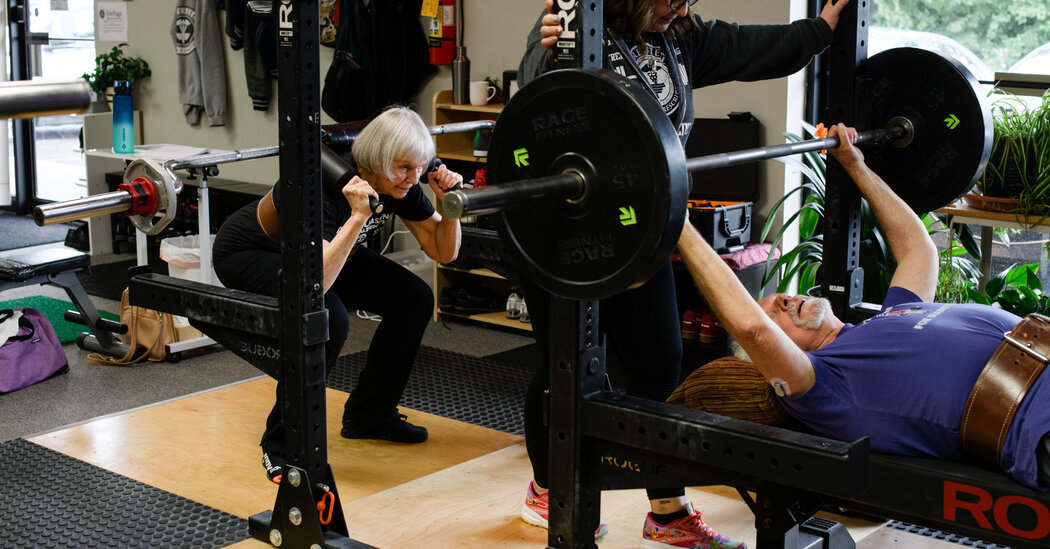
An article about Greysteel gym outside Detroit where older adults, some in their 80s and 90s, engage in barbell lifting to improve their health and aging process, highlighting the story of 84-year-old Ann Buszard who started lifting at 74 to regain strength.
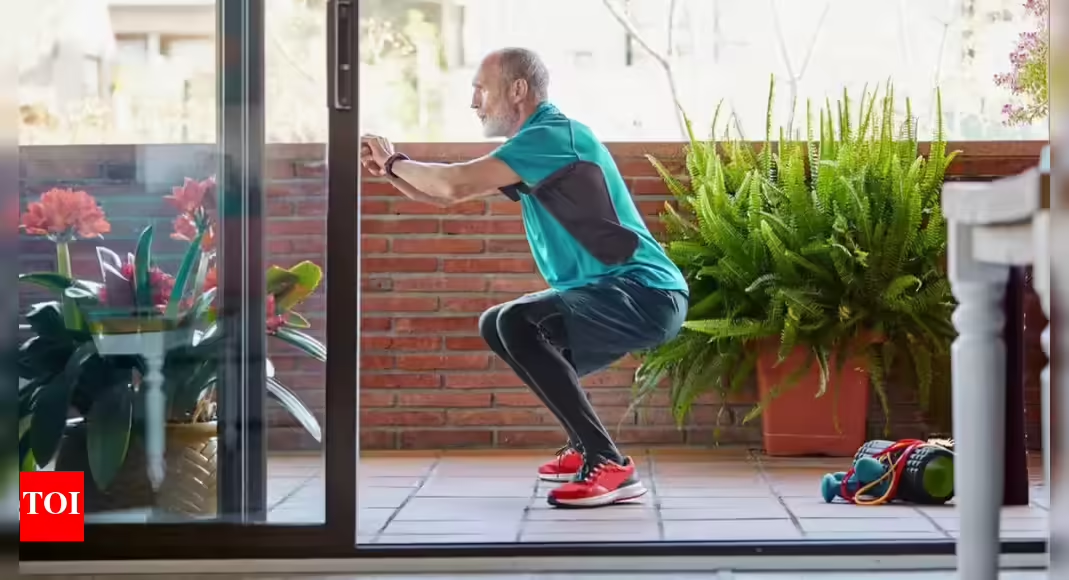
A simple exercise like squats, especially chair squats, can effectively maintain strength, flexibility, and independence in older adults without the need for a gym, supporting healthy ageing and functional mobility.
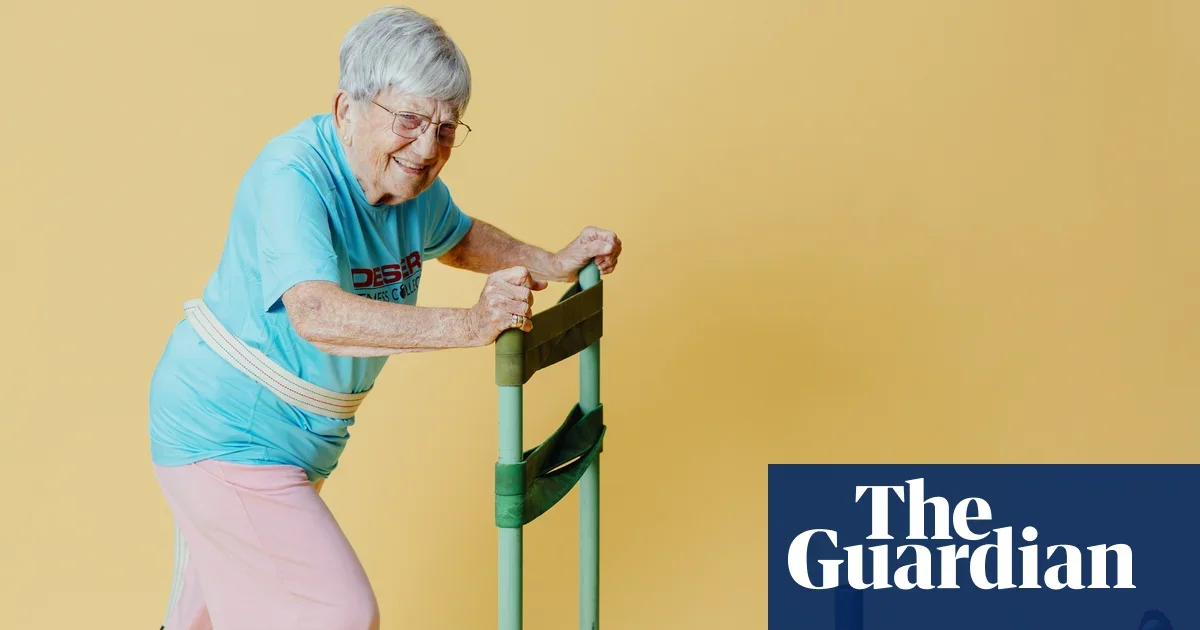
A simple, equipment-free exercise called the step and 90 rotation can improve strength and balance, reducing fall risk in older adults by targeting hip flexors, glutes, and ankle muscles, and challenging balance through rotation. Support can be used if stability is an issue.
A 93-year-old Irish man, Richard Morgan, has astounded scientists with his exceptional fitness level, boasting a heart and body comparable to someone in their 30s or 40s. Despite starting his fitness journey at 73, he maintains an impressive 80 percent muscle mass and a vigorous rowing routine, along with simple strength exercises and a slightly increased protein intake. His remarkable physical condition, attributed partly to genetics, serves as an inspiring and easily replicable model for healthy aging.