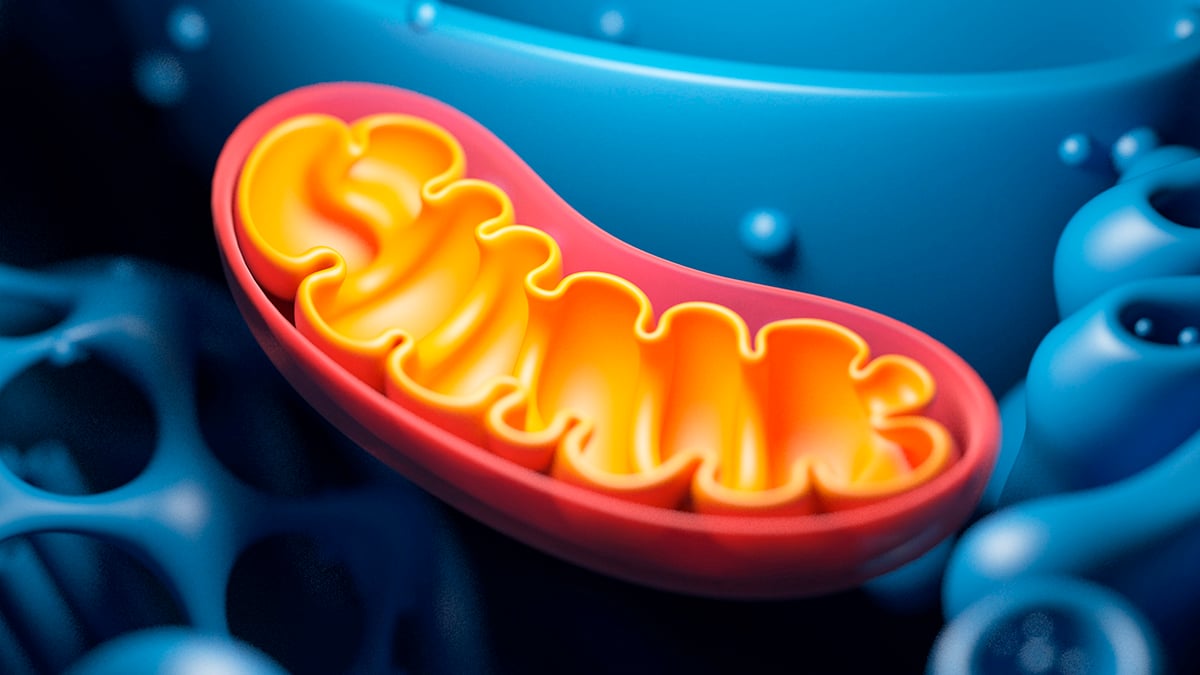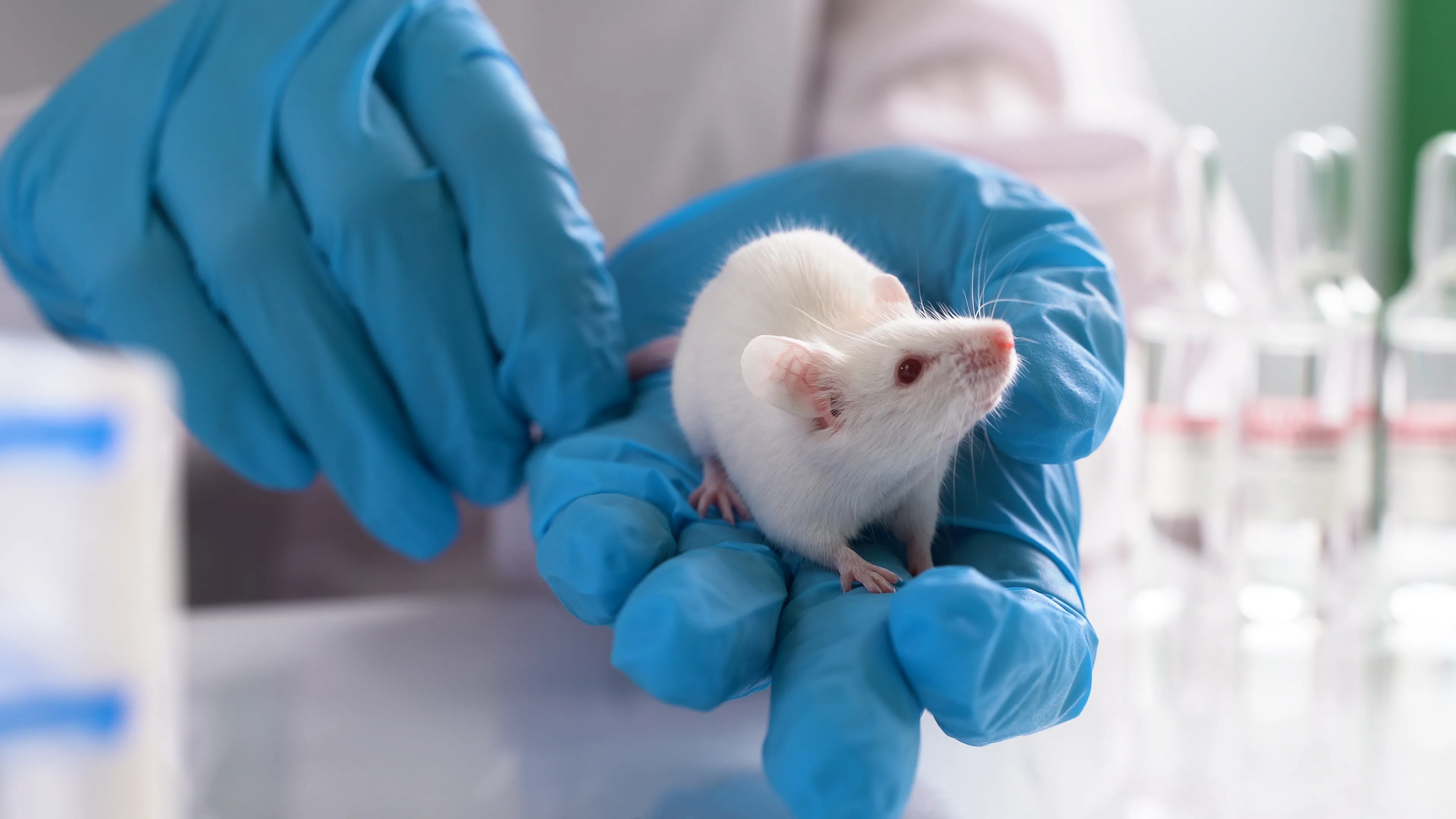
Scientists in Japan found that increasing the production of the mitochondrial protein COX7RP in mice extends lifespan by improving mitochondrial efficiency and health indicators, suggesting potential anti-aging therapies for humans in the future.
New research in Japan shows that the mitochondrial protein COX7RP can extend healthy lifespan in mice by improving mitochondrial energy efficiency, which also enhances metabolic health and reduces age-related biomarkers, suggesting potential anti-aging strategies targeting mitochondrial supercomplexes.
Longevity expert Dr. Peter Attia explains that most people experience a sharp decline in health around age 75, but this can be mitigated through strategies like regular exercise, tracking fitness metrics such as VO₂ max, maintaining muscle mass, and focusing on emotional health and social connections to extend healthspan and improve quality of life in later years.
Nutrient deficiencies, such as iron, vitamin D, folate, selenium, and omega-3s, can significantly impact long-term health and lifespan by increasing vulnerability to diseases and accelerating aging processes. Experts recommend getting tested to identify deficiencies and adjusting diet or supplements accordingly, but caution against excessive intake.
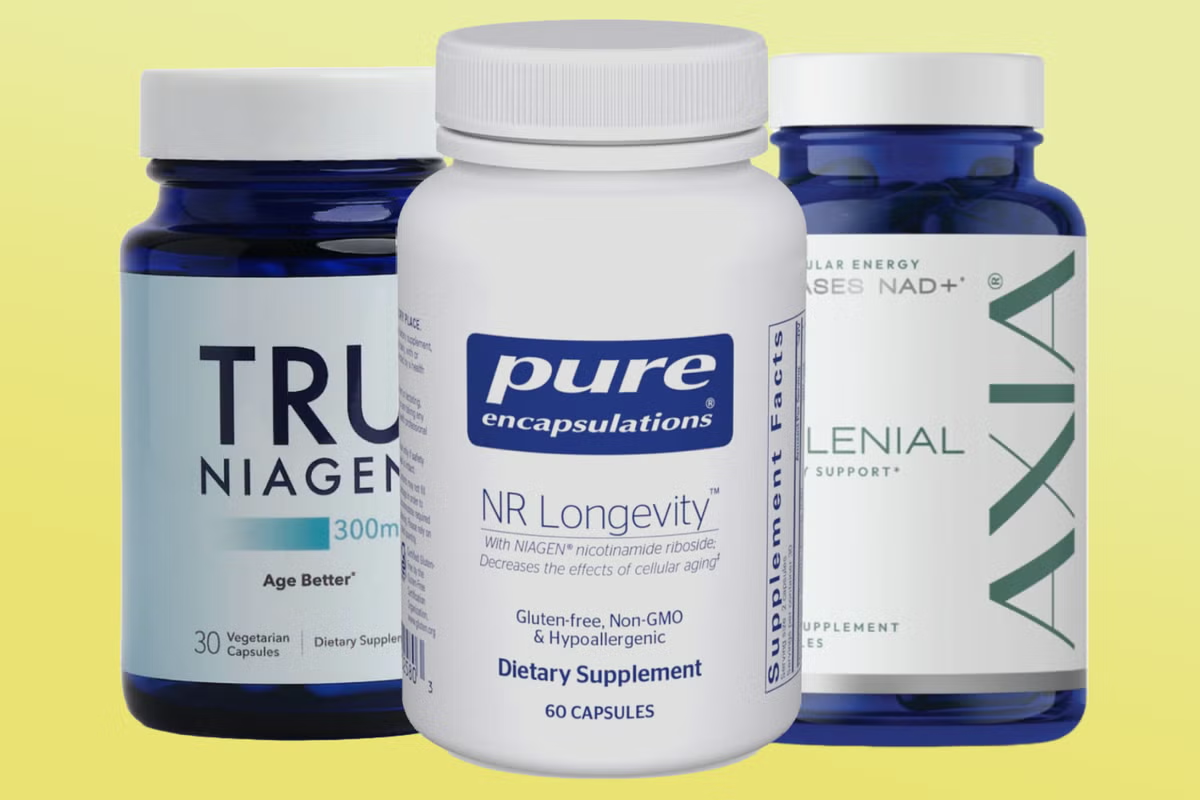
NAD supplements, which aim to boost the body's natural levels of the molecule involved in aging and health, are gaining popularity for their potential to improve biomarkers related to aging and disease, though human studies are limited. Experts recommend choosing high-quality, regulated supplements containing precursors like NMN or NR, with top options including Pure Encapsulations NR longevity, Tru Niagen, Elysium basis, and Axia cellenial. Consulting a physician before use is advised due to the unregulated nature of these supplements.
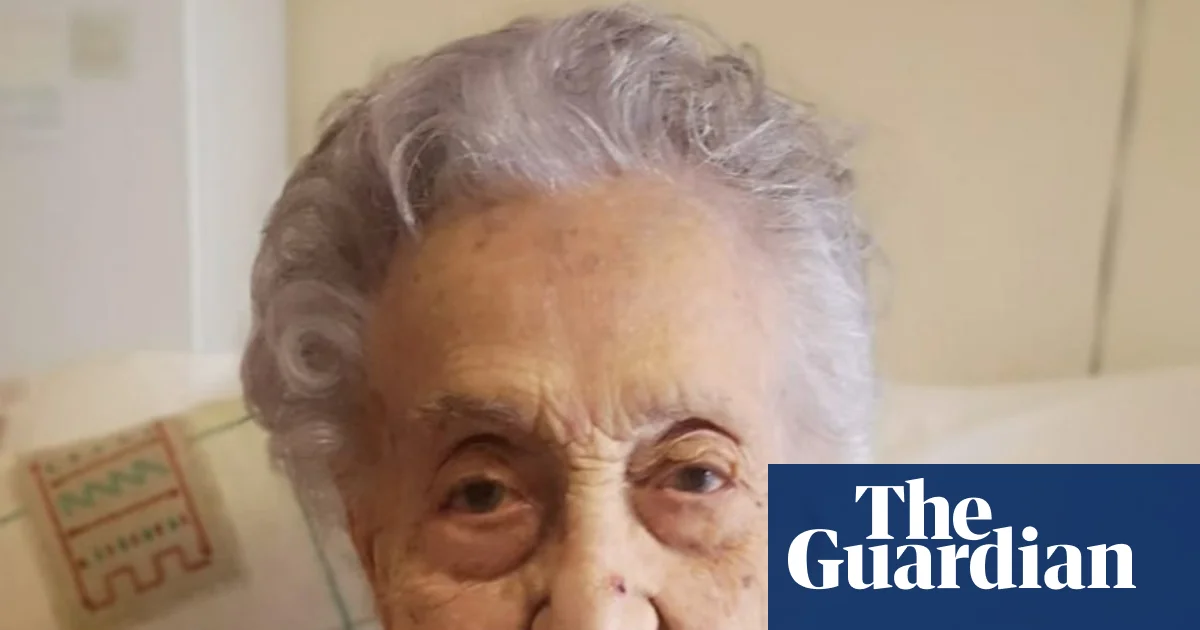
A comprehensive study of 117-year-old supercentenarian Maria Branyas Morera revealed biological factors that protected her from common age-related diseases, such as short telomeres and beneficial gene variants, suggesting potential pathways for promoting healthy aging in others.
Scientists have discovered that the maximum human lifespan is likely capped around 120-150 years, with resilience—the body's ability to recover from stress—being the key factor. While lifestyle choices can influence healthspan and delay decline, the biological limit is set by how well the body maintains resilience, which diminishes with age due to various environmental and lifestyle factors.
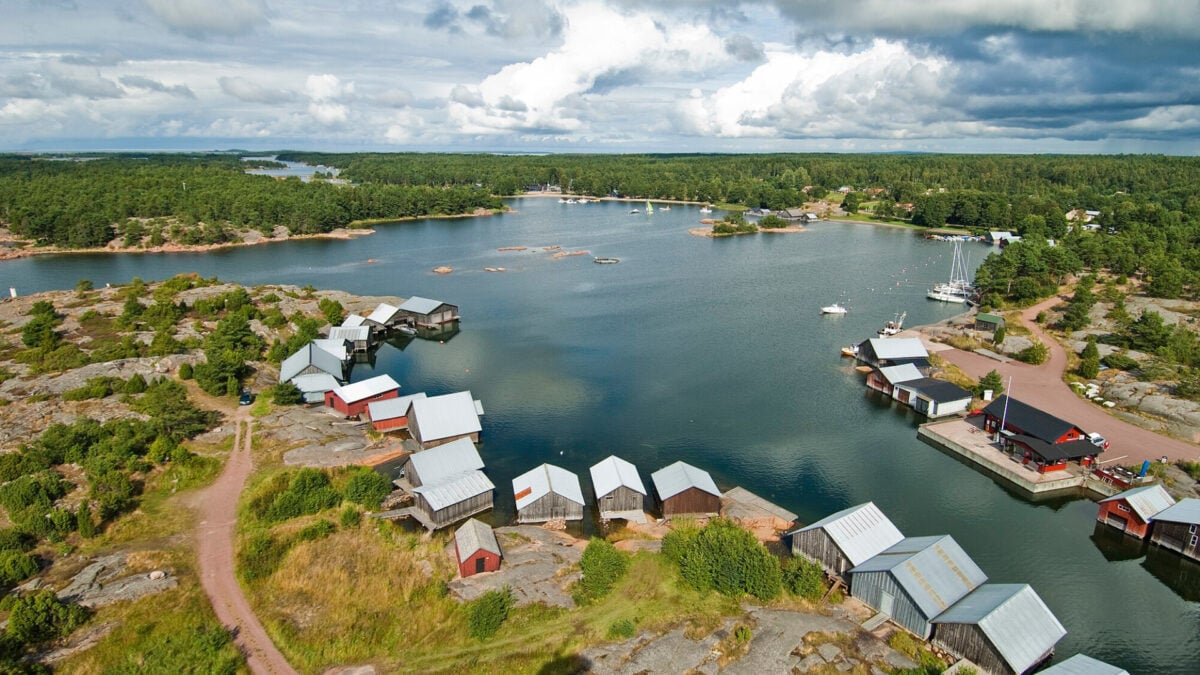
Researchers are exploring how Blue Zone lifestyle principles relate to longevity in four regions of Western Finland, finding that these principles don't always correlate with longer life or better health, and suggesting that factors like environment and culture also play significant roles. The study highlights a potential new Blue Zone in Swedish-speaking Ostrobothnia but emphasizes that long life doesn't necessarily equate to good health, with a growing focus on extending healthspan.
A simple self-assessment of lifting 11 pounds can predict future health risks, including Alzheimer's and arthritis, with weaker individuals facing higher risks. Maintaining muscle strength through resistance training and proper nutrition can help improve health outcomes and extend healthspan.
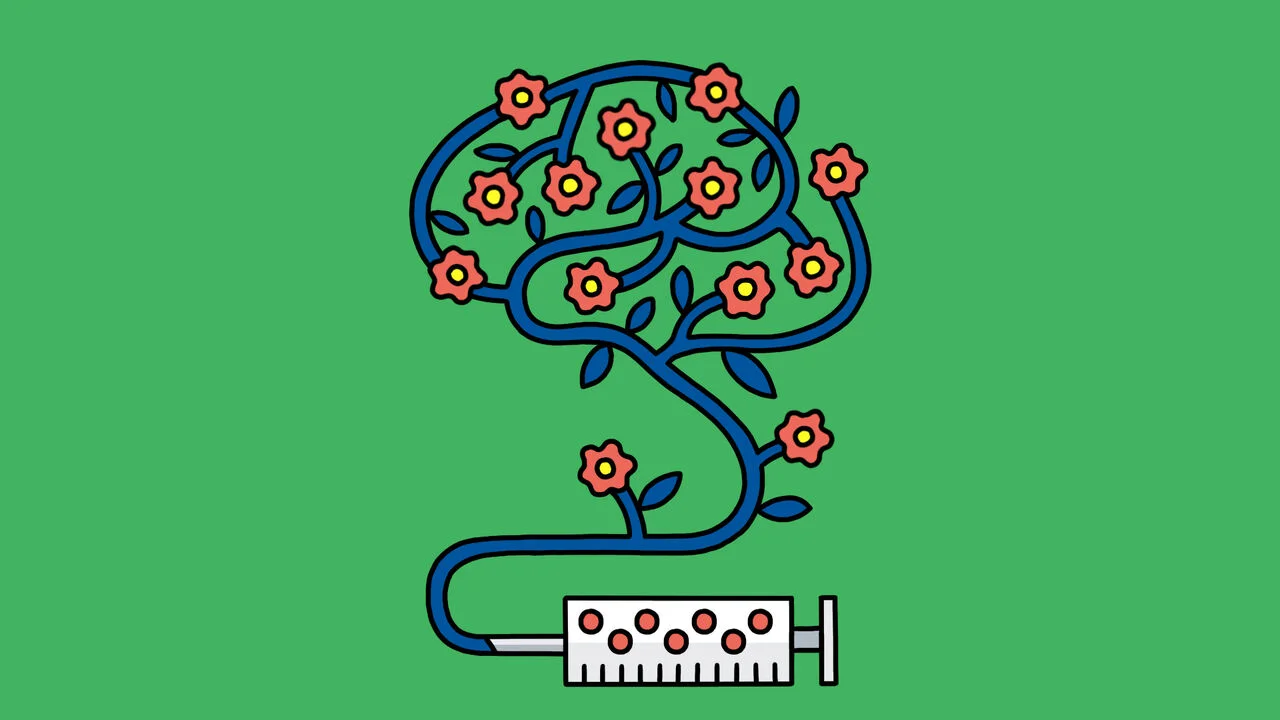
While radical life extension remains unlikely, improving healthspan through regular exercise, a Mediterranean diet, avoiding harmful habits, and staying optimistic can significantly slow down the biological clock and enhance quality of life as we age. Ongoing research into drugs like metformin and rapamycin, as well as personalized therapies, offers hope for future breakthroughs in aging science.
European scientists have found that a combination of two cancer drugs, rapamycin and trametinib, can extend mice lifespans by up to 30% and improve their health, with potential implications for human aging and age-related diseases.
A study by the Mayo Clinic using WHO data from 183 countries reveals that Americans spend more years in poor health compared to other nations, with a lifespan-healthspan gap increasing from 10.9 to 12.4 years between 2000 and 2019. This gap is notably larger for women, whose life expectancy rose but healthspan did not. The main contributors to the US disease burden include mental, substance use, and musculoskeletal disorders. Globally, the trend shows a rise in chronic diseases as acute mortality decreases.
A study by the Mayo Clinic using WHO data from 183 countries reveals that Americans spend more years in poor health compared to other nations, with a lifespan-healthspan gap increasing from 10.9 to 12.4 years between 2000 and 2019. This gap is notably larger than the global average and is more pronounced in women. The study highlights that while life expectancy has increased, healthspans have not kept pace, particularly in the US, where chronic diseases like mental disorders and musculoskeletal issues contribute significantly to the disease burden.
A study by the American Medical Association reveals that Americans spend more years living with diseases compared to other countries, with an average of 12.4 years. Mental and substance-use disorders, along with musculoskeletal diseases, are significant contributors. The healthspan-lifespan gap in the US has increased from 10.9 years in 2000 to 12.4 years in 2024, which is 29% higher than the global average. Women in the US experience a larger gap than men, and globally, the gap has widened over the past 20 years.
A study from the University of Coimbra in Portugal suggests that drinking around three cups of coffee daily could extend lifespan by nearly two years, thanks to bioactive compounds like polyphenols that offer antioxidant and anti-inflammatory benefits. The research, which analyzed 85 studies, indicates coffee's potential to protect against chronic diseases such as cardiovascular issues, cancer, diabetes, and dementia. However, researchers emphasize that coffee is not a cure-all, and factors like diet, exercise, and genetics also influence longevity. Moderate consumption of three to five cups per day is recommended.