A recent study in mice suggests that restoring NAD+ levels with the compound P7C3-A20 can reverse brain damage and cognitive decline associated with advanced Alzheimer's disease, challenging the notion that the disease is irreversible. The findings highlight the potential for treatments targeting brain energy balance to repair damage and improve function, though further research in humans is needed.
Scientists have successfully reversed Alzheimer's symptoms in mice using a compound called P7C3-A20 that restores NAD+ levels, suggesting potential for human treatment and challenging the belief that brain damage from Alzheimer's is irreversible.
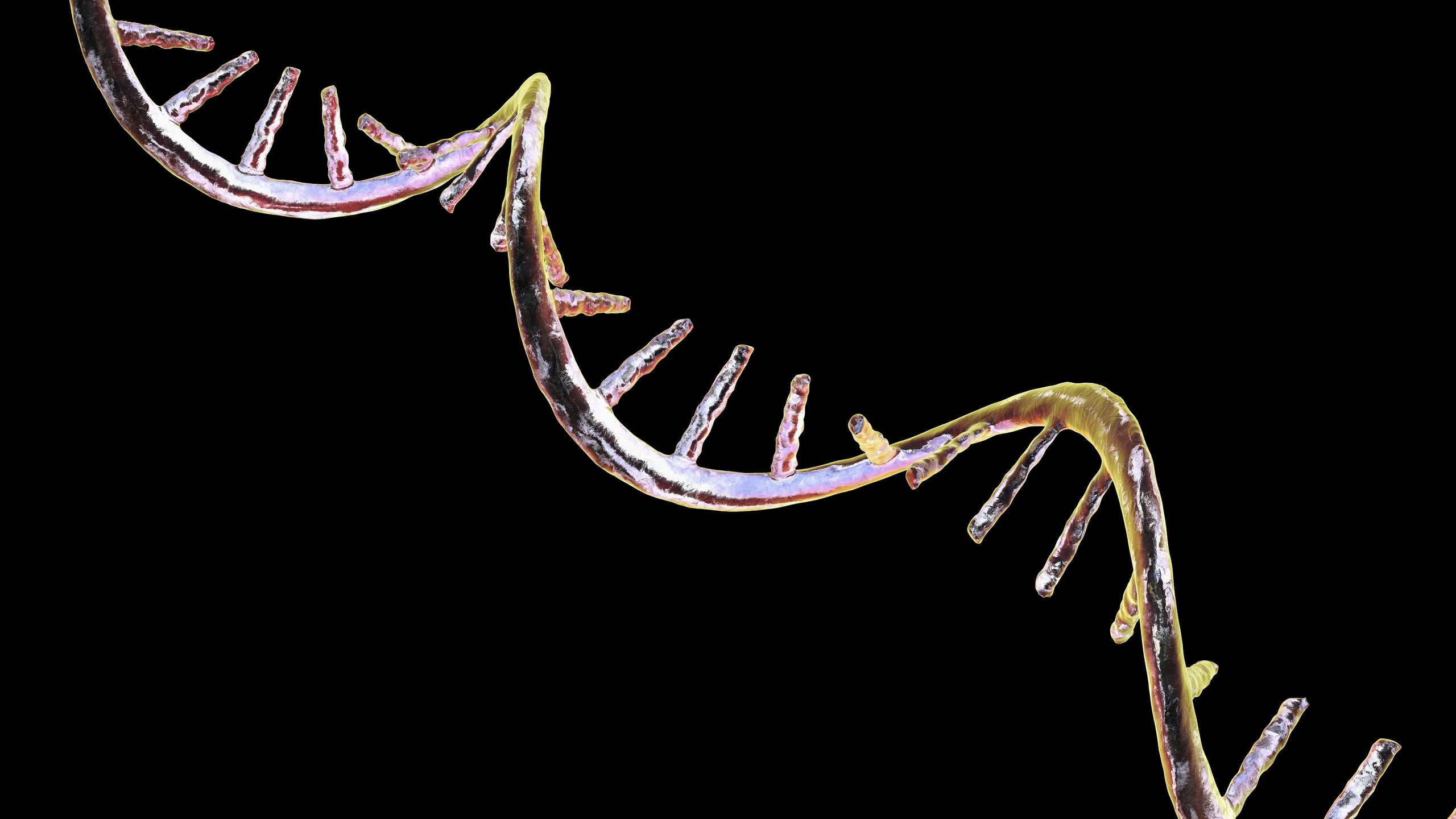
A mouse study demonstrates that an experimental mRNA treatment can rejuvenate immune cells, specifically T cells, potentially improving immune response in aging, but further research is needed to assess its applicability in humans.
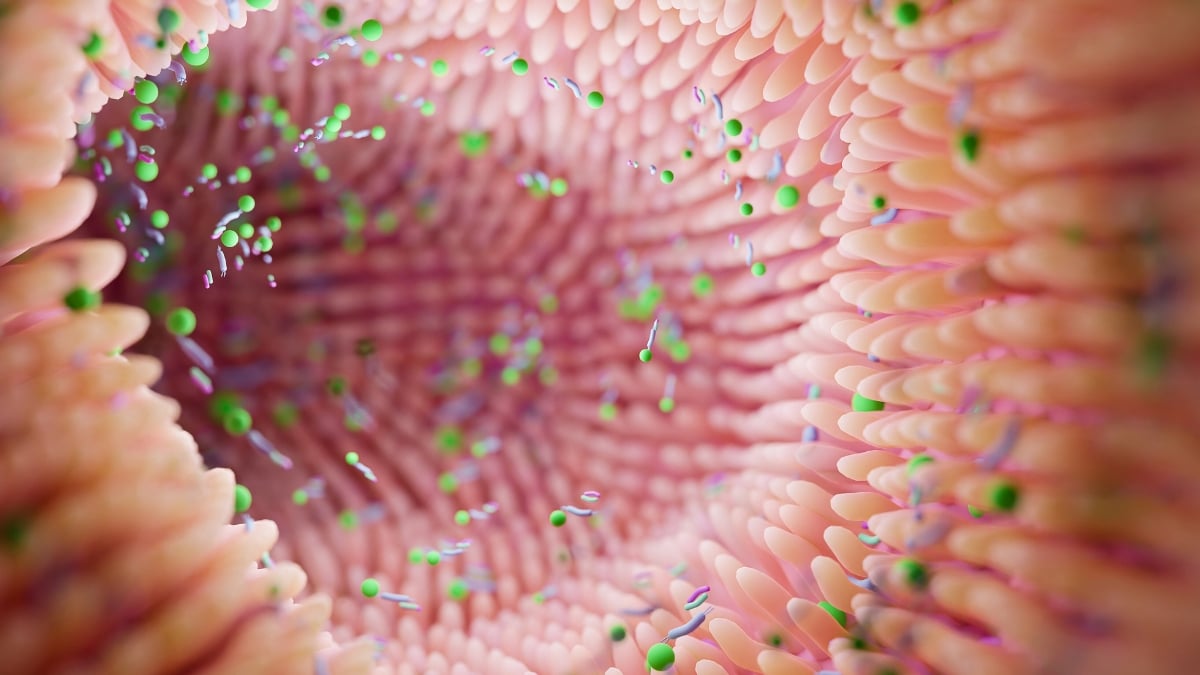
A mouse study suggests that imbalances in gut bacteria may influence neural connectivity and depressive symptoms in bipolar disorder, with treatments like lithium showing behavioral improvements, highlighting the gut-brain connection's potential role in bipolar depression.
A mouse study suggests that a combination of zinc, serine, and branched-chain amino acids may improve brain connectivity and social behaviors in models of autism spectrum disorder, though further research is needed before clinical application.
Scientists have identified two existing cancer drugs, letrozole and irinotecan, that can reverse brain damage associated with Alzheimer's in mice, showing promise for future clinical trials and potential treatment options for humans.
A mouse study suggests weightlifting may be more effective than cardio for blood sugar control and fat reduction, challenging traditional exercise guidelines, though human research is needed to confirm these findings.
A new study from Taiwan shows that stimulating fat cells around hair follicles can trigger rapid hair regrowth in mice, suggesting a potential new treatment for baldness that involves activating fat cells through immune response mechanisms, with plans for human clinical trials.
A new nanoparticle-based cancer vaccine shows promising results in mice, preventing multiple tumor types with up to 88% efficacy over 250 days, though human applicability remains to be tested.
Researchers identified specific neurons in the dorsomedial striatum that control the 'loser effect' in mice, revealing distinct brain circuits for winning and losing behaviors, which could provide insights into human social dynamics.
A single dose of psilocybin in mice rapidly reversed chronic pain and depression-like symptoms within 24 hours, with effects lasting at least 12 days, by calming overactive neurons in the brain's anterior cingulate cortex and requiring partial activation of serotonin receptors, highlighting potential for new treatments in humans.
A study in mice suggests that stress or infection during pregnancy can cause lasting changes in the brain that increase anxiety risk in offspring, highlighting the importance of healthy pregnancies and potential avenues for future research and treatment.
A long-term mouse study suggests that while keto diets may promote weight loss, they can also increase blood lipid levels, cause fatty liver, and impair glucose regulation, raising concerns about their long-term safety for metabolic health. Further research in humans is needed to fully understand these risks.
A study from UCSF found that reducing the protein FTL1 in mice's hippocampus can reverse signs of brain aging and improve cognitive function, suggesting a potential target for treating neurodegenerative diseases like Alzheimer's, though further research in humans is needed.
A study involving mice cells sent to the International Space Station for six months suggests that spaceflight does not impair the viability of germ cells, opening possibilities for future reproductive technologies in space, although human reproduction in space remains largely untested and requires further research.